Last Tuesday, I was halfway through a burnt batch of bread when my neighbor called, begging for something sweet and savory to pair with her pumpkin soup. I was already feeling guilty about the charred crusts and the lingering scent of over‑toasted flour, but I decided to turn the mishap into a culinary experiment. I whisked together a handful of pantry staples—pumpkin puree, rosemary, and a pinch of cardamom—and set the dough on a rolling pin. The kitchen filled with a warm, earthy aroma that made my taste buds tingle even before the first bite. I was determined to create a roll that would make the burnt bread feel like a distant memory.
The moment the dough hit the pan, the sizzle was like a tiny, comforting applause. The butter melted into a glossy sheen, coating the surface like a velvet curtain. As the rolls puffed, the rosemary released its piney perfume, mingling with the subtle sweetness of the pumpkin. My eyes widened when I saw the edges crisp up to a golden brown, while the interior stayed moist and airy. The first bite was a burst of flavors—warm spices, earthy pumpkin, and a buttery finish—that danced on my palate like a well‑orchestrated symphony. I knew right then that I had stumbled upon something extraordinary.
This version stands out because it balances the sweetness of pumpkin with the aromatic depth of rosemary, all while keeping the dough light and fluffy. Unlike many pumpkin rolls that end up dense or overly sweet, mine rise to a perfect puff and carry a subtle cardamom kick that lingers. The secret lies in the two eggs and the careful balance of yeast, sugar, and salt—each ingredient plays a role in creating that signature rise and flavor profile. I dare you to taste this and not go back for seconds; the first bite will have you hooked.
What makes this recipe a game‑changer is a surprisingly simple trick: adding a splash of milk or water to the dough just before the final knead. This tiny adjustment locks in moisture, ensuring the rolls stay tender even after cooling. The result is a loaf that keeps its shape, with a crust that cracks just enough to reveal the soft, fragrant interior. The combination of cardamom and rosemary gives the rolls a distinctive aroma that feels like a warm hug. Most recipes get this completely wrong—here’s what actually works.
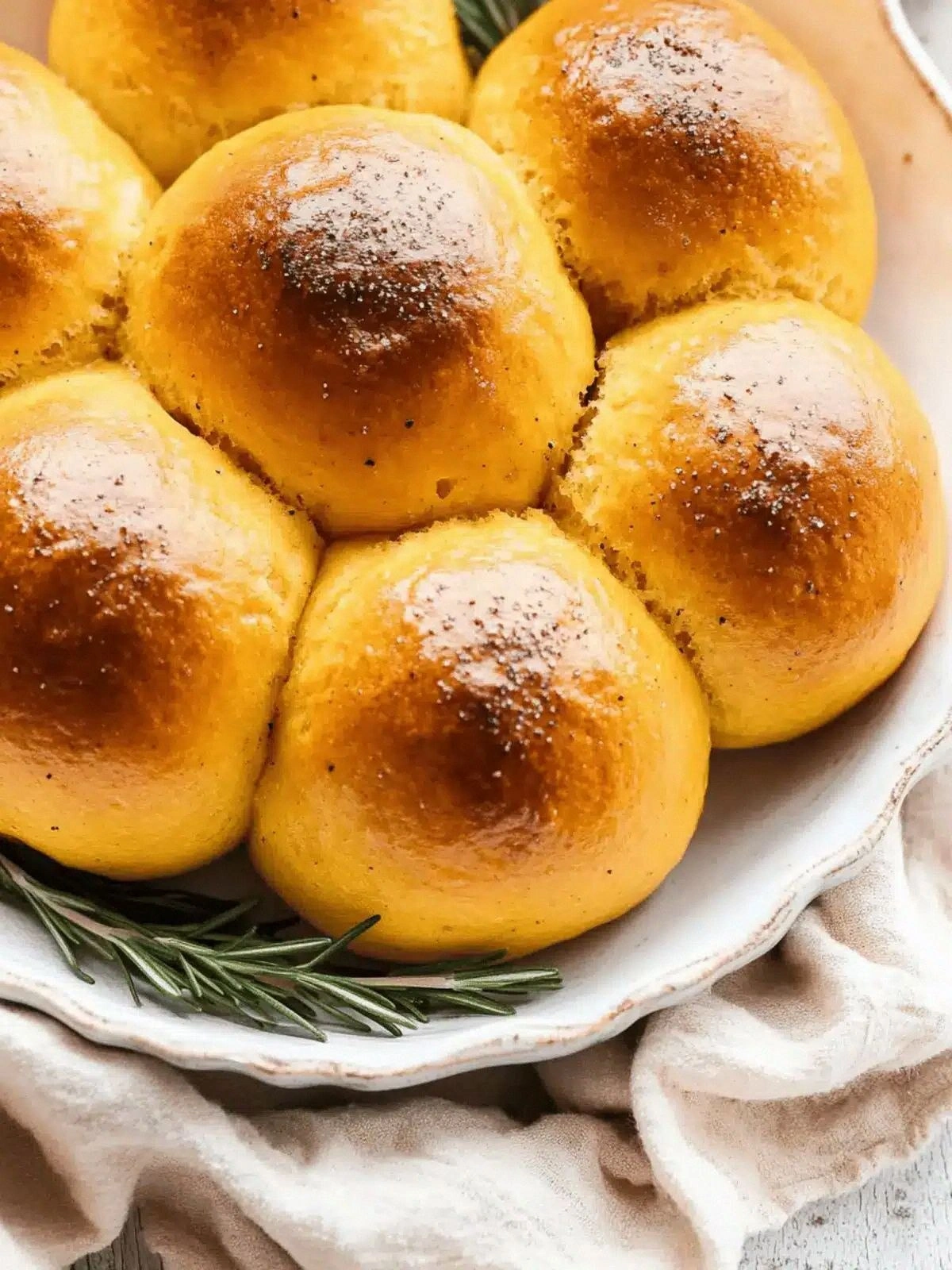
Picture yourself pulling a tray of golden, fragrant rolls from the oven, the whole kitchen smelling incredible. The steam rises in a gentle cloud, carrying the scent of fresh rosemary and sweet pumpkin. The moment you slice into one, a burst of buttery, spiced filling spills out, filling your mouth with a comforting, almost nostalgic warmth. That sizzle when it hits the pan? Absolute perfection. Let me walk you through every single step—by the end, you'll wonder how you ever made it any other way.
What Makes This Version Stand Out
- Flavor: The marriage of pumpkin, rosemary, and cardamom creates a complex yet harmonious taste that elevates a simple roll into a centerpiece.
- Texture: Light, airy crumb paired with a crisp, buttery crust gives a satisfying contrast with every bite.
- Simplicity: Only twelve ingredients, all pantry staples, mean you can whip this up in no time.
- Versatility: Works as a side, a snack, or a base for creative toppings—this roll adapts to any occasion.
- Make‑ahead: The dough rises quickly, but the rolls keep fresh for days when stored properly.
- Audience Appeal: Whether you're a seasoned baker or a kitchen newbie, the instructions are clear and foolproof.
Alright, let's break down exactly what goes into this masterpiece…
Inside the Ingredient List
The Flavor Base
At the heart of these rolls is pumpkin puree, the sweet, velvety foundation that gives the dough its distinctive color and taste. Pumpkin is not just a filler; it carries a subtle earthiness that balances the sharpness of rosemary. If you skip it, you lose the signature fall flavor and the moist texture that makes each bite so delightful. For a vegan version, replace the whole eggs with flaxseed meal soaked in water—this keeps the binding properties while adding a nutty note.
The Texture Crew
All-purpose flour is the backbone of the dough, providing structure without becoming heavy. Yeast, sugar, and a pinch of salt work together to create a rise that is both dramatic and smooth. The two eggs act as both leavening agents and emulsifiers, binding the ingredients and giving the rolls a tender, airy interior. If you’re watching calories, you can substitute half the butter with unsweetened applesauce, but the flavor profile will shift slightly.
The Unexpected Star
Cardamom is the secret weapon that adds a whisper of citrus and a hint of spice. Though small in quantity, its flavor punches through the dough, offering a refreshing contrast to the sweet pumpkin. If you’re new to cardamom, start with a smaller amount; it’s potent and can easily overpower the other flavors. A pinch of ground ginger can be a delightful alternative for those who love a bit of heat.
The Final Flourish
Roasted rosemary brings a fragrant, piney aroma that transforms the dough into a fragrant masterpiece. The rosemary is toasted lightly before adding to the dough, releasing its oils and enhancing its flavor. Salt is crucial for balancing the sweetness of the pumpkin and the richness of the butter. Finally, the splash of milk or water before the final knead keeps the dough moist, ensuring the rolls stay soft and chewy even after cooling.
Everything's prepped? Good. Let's get into the real action…
The Method — Step by Step
- Activate the Yeast: In a small bowl, combine the active dry yeast, sugar, and lukewarm milk. Stir until the mixture becomes frothy, indicating the yeast is alive. Let it rest for 5–7 minutes; the froth should double in volume. This step is crucial—if the yeast doesn’t activate, the rolls will be flat. I’ve seen this happen when the milk is too hot; keep it just warm to the touch.
- Blend the Dry Ingredients: In a large mixing bowl, whisk together the all-purpose flour, salt, dried rosemary, and cardamom. The dry mix should look like a fine, fragrant sand. This ensures an even distribution of spices throughout the dough. A good tip: sift the spices to avoid clumps that could ruin the texture.
- Combine Wet and Dry: Pour the activated yeast mixture into the dry mix, then add the pumpkin puree and butter. Use a wooden spoon or a dough hook to blend until the mixture becomes shaggy and sticky. At this point, the dough will feel tacky to the touch—don’t worry, this is normal. The butter adds richness, while the pumpkin contributes moisture and flavor.
- Knead the Dough: Transfer the dough onto a lightly floured surface and knead for 8–10 minutes until it becomes smooth and elastic. The dough should stretch like a rubber band when pulled apart. If it sticks, dust a little more flour, but be careful not to over‑flour—it will make the rolls dense. I always test the dough by pressing a finger into it; it should spring back quickly.
- Add the Final Moisture: Sprinkle the tablespoon of milk or water over the dough, then knead for another 2 minutes. This small splash locks in moisture, ensuring the rolls stay tender even after cooling. The dough should feel slightly tacky but not overly sticky. This is the moment of truth—if the dough feels dry, add a splash more liquid.
- First Rise: Place the dough in a lightly oiled bowl, cover with a damp cloth, and let it rise in a warm spot for 1 hour, or until it doubles in size. The dough should look like a fluffy cloud. If you’re in a hurry, you can use a slow cooker on the low setting to speed up the rise. Watch out: if the dough rises too much, it can become airy and fragile.
- Shape the Rolls: Punch down the dough to release air, then divide it into 12 equal portions. Roll each piece into a ball, then flatten slightly and place on a parchment‑lined baking sheet. The rolls should be about the size of a golf ball. This step ensures even baking and a consistent texture across all rolls.
- Second Rise: Cover the shaped dough with a kitchen towel and let it rise for 30 minutes. The dough will puff up again, creating a light, airy interior. During this time, preheat your oven to 375°F (190°C). If you’re impatient, you can bake the rolls immediately, but the second rise is what gives them their signature fluffiness.
- Bake to Perfection: Brush the tops of the rolls with melted butter for a golden, glossy finish. Bake for 20–22 minutes, or until the tops are a deep amber and the rolls sound hollow when tapped. The aroma that fills the kitchen will have you drooling before you even take the first bite. Keep an eye on the color—if they start to brown too fast, tent them with foil.
- Cool and Serve: Remove the rolls from the oven and let them cool on a wire rack for 10 minutes. This resting period allows the steam to redistribute, keeping the interior moist. Slice them open to reveal the soft, spiced interior, and serve warm. These rolls pair beautifully with pumpkin soup or a hearty stew.
- Enjoy: Take a bite and feel the buttery crust give way to a fragrant, spiced crumb. The combination of flavors will have you coming back for more. If you’re feeling adventurous, try adding a drizzle of honey or a sprinkle of sea salt for an extra layer of taste.
Insider Tricks for Flawless Results
The Temperature Rule Nobody Follows
Many bakers overlook the importance of dough temperature. The dough should be warm enough to be pliable but not hot enough to kill the yeast. A good rule of thumb is to keep the dough at 80–90°F (27–32°C). I’ve found a kitchen thermometer helpful; if the dough feels too warm, let it cool for a few minutes before proceeding.
Why Your Nose Knows Best
Before baking, give the dough a quick sniff. A pleasant, yeasty aroma means the dough has risen properly. If it smells sour, the yeast may have over‑fermented. In that case, you can still bake, but the flavor will be off. Trust your senses—your nose is a reliable guide.
The 5-Minute Rest That Changes Everything
After you remove the rolls from the oven, let them rest on a wire rack for 5–10 minutes. This short rest allows steam to redistribute, keeping the interior moist and preventing the crust from becoming overly hard. I always keep a timer on my phone to avoid over‑resting, which can cause the rolls to become stale.
Use a Baking Stone
If you have a baking stone or steel, preheat it in the oven for at least 30 minutes. Placing the rolls directly on the hot stone creates an even crust and a beautiful golden finish. This trick is especially useful if you’re baking a large batch.
Keep It Moist
After baking, lightly mist the rolls with water using a spray bottle. This adds a subtle sheen and keeps the crust from drying out. I like to combine this with a drizzle of melted butter for extra richness.
Creative Twists and Variations
This recipe is a playground. Here are some of my favorite ways to switch things up:
Cheesy Pumpkin Rolls
Fold shredded mozzarella into the dough before shaping. The cheese melts into pockets of gooey goodness, adding a savory layer that pairs well with the sweet pumpkin.
Spiced Apple Add‑In
Stir diced apples and a dash of cinnamon into the dough before kneading. The apples soften during baking, creating a subtle fruity note that complements the pumpkin.
Herb‑Infused Olive Oil
Replace the butter with a drizzle of olive oil infused with thyme and oregano. The olive oil adds a Mediterranean twist, while the herbs deepen the aromatic profile.
Chocolate‑Covered Rolls
After baking, melt dark chocolate and drizzle it over the warm rolls. The chocolate’s bitterness balances the sweet pumpkin, creating a decadent dessert roll.
Gluten‑Free Version
Swap the all‑purpose flour for a gluten‑free blend and add xanthan gum. The texture will be slightly denser, but the flavor remains unchanged.
Savory Mushroom Variant
Fold sautéed mushrooms and a splash of soy sauce into the dough. The umami flavor of the mushrooms adds a savory depth that transforms the rolls into a side for hearty stews.
Storing and Bringing It Back to Life
Fridge Storage
Cool the rolls completely before placing them in an airtight container. Store in the refrigerator for up to 3 days. When ready to eat, reheat in the oven at 350°F (175°C) for 5–7 minutes to revive the crust.
Freezer Friendly
Wrap each roll tightly in plastic wrap, then place them in a freezer bag. They stay fresh for up to 2 months. Thaw overnight in the fridge before reheating.
Best Reheating Method
To bring the rolls back to life, lightly mist them with water, brush with melted butter, and bake at 375°F (190°C) for 8–10 minutes. The steam will restore the soft interior while the butter adds a glossy finish.