Love this? Pin it for later! 📌
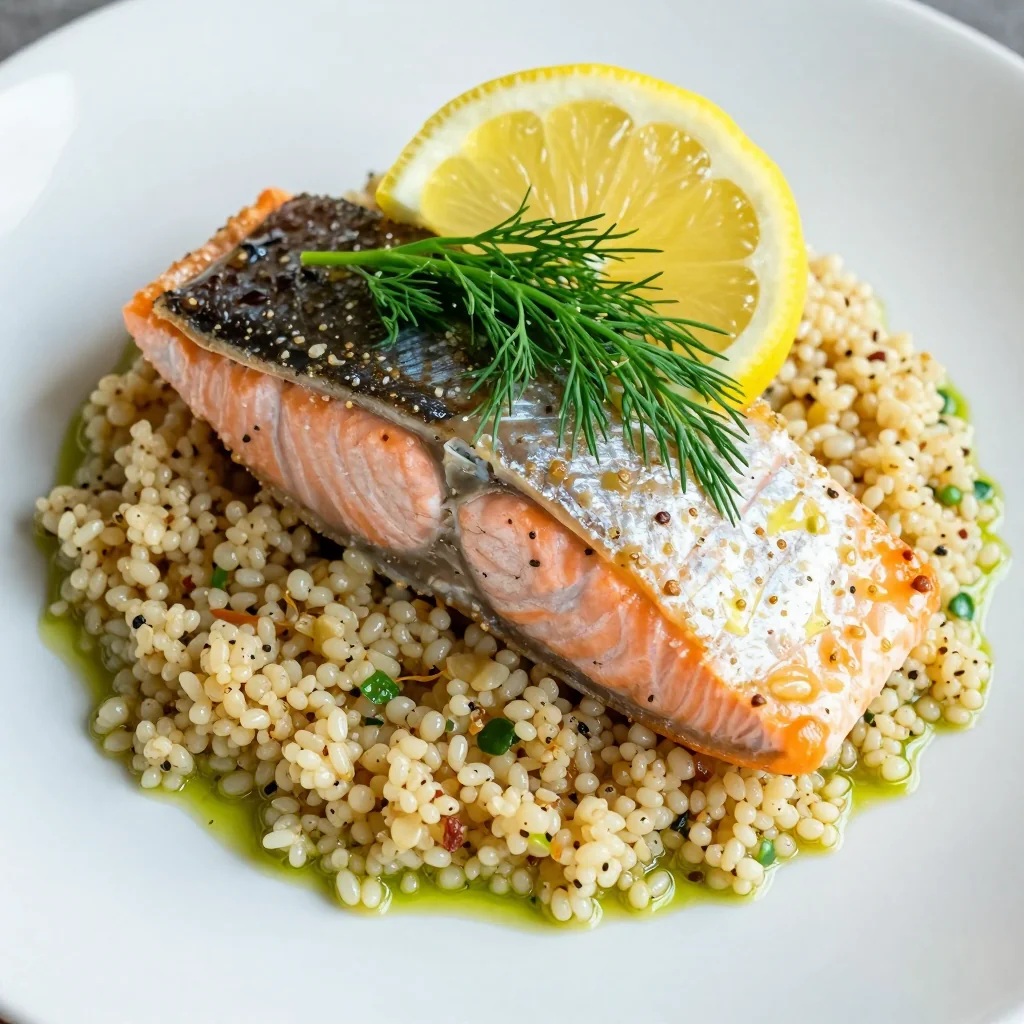
There are evenings when the clock is ticking louder than my stomach—when swim-team pickup collides with algebra homework, the dog’s barking at the UPS driver, and I’ve promised everyone something “fresh and healthy” without spending my entire night in the kitchen. That’s exactly when this clean-eating lemon-dill salmon swoops in like a culinary superhero. It was born, quite literally, out of one of those Wednesday-night scrambles: I had a beautiful side of wild-caught salmon, a single lemon rolling around the produce drawer, and a wilting bunch of dill I refused to waste. Twenty minutes later we were sitting at the table, forks gliding through silky pink flakes, the bright perfume of citrus and herbs hanging in the air like summer itself. My teenager—who usually negotiates for take-out tacos—looked up and said, “You should make this every week.” High praise, indeed.
Since then I’ve served this dish for last-minute dinner guests, tucked it into meal-prep containers for bright lunches, and even packed the cold leftovers on top of arugula for a power salad that made my coworkers jealous. It feels restaurant-worthy, yet the ingredient list is shorter than my grocery receipt for cereal. If you can operate a whisk and set a timer, you can master this recipe—and you’ll look like the kind of person who has their life together, even if the laundry mountain behind your bedroom door says otherwise.
Why This Recipe Works
- Speed: From fridge to plate in twenty minutes flat—perfect for busy weeknights.
- One-pan wonder: Sheet-pan method means minimal dishes and maximum flavor.
- Clean ingredients: No refined sugar, no processed oils—just whole foods you can pronounce.
- Omega-3 powerhouse: Wild salmon delivers heart-healthy fats and 30 g+ of protein per serving.
- Meal-prep friendly: Tastes incredible cold, so tomorrow’s lunch is solved.
- Customizable: Swap herbs, change citrus, or add veggies—base recipe never fails.
- Restaurant vibes at home: The bright lemon-dill glaze caramelizes into a glossy restaurant-quality finish.
Ingredients You'll Need
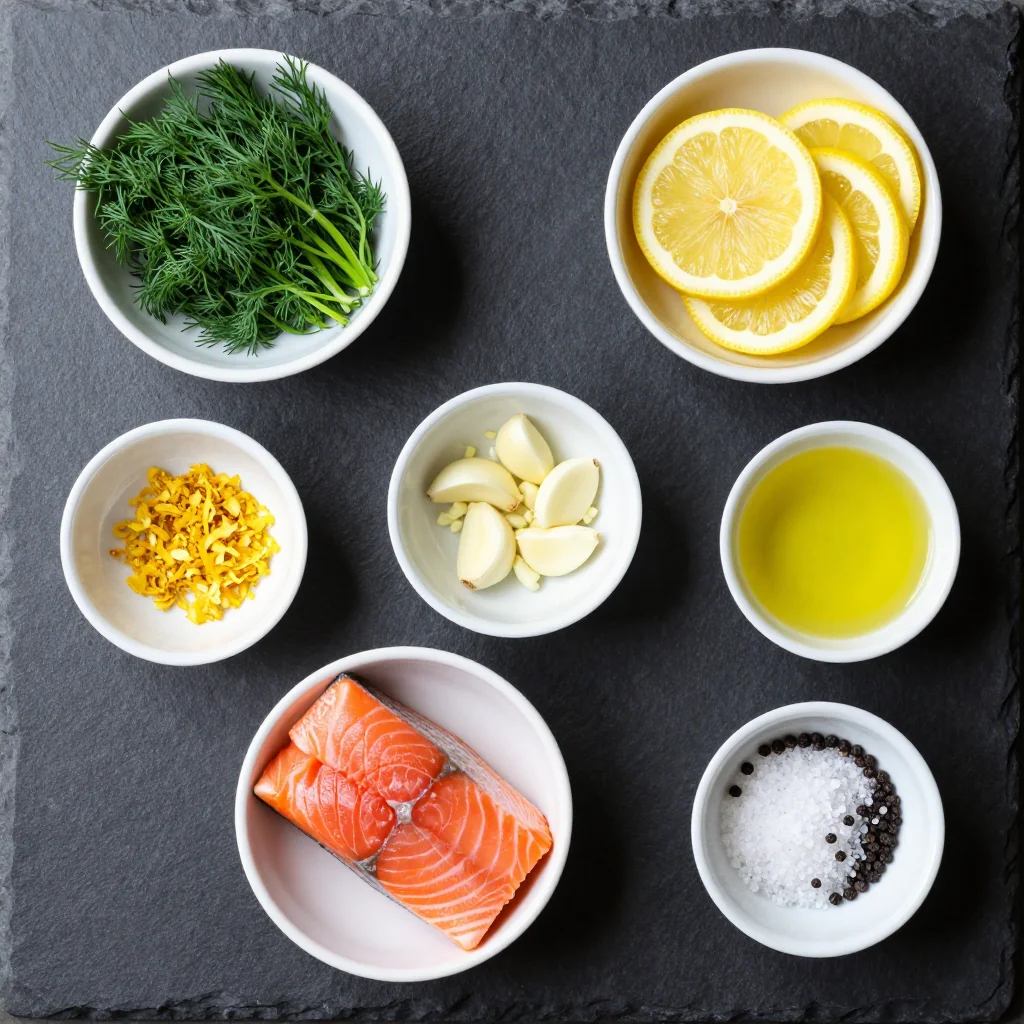
Great salmon starts at the fish counter. Look for fillets that are moist and translucent, never matte or chalky. If the fish smells like the ocean on a good day—briny and fresh—you’ve found a winner. I prefer wild-caught Coho or King for their buttery texture, but Atlantic works in a pinch. Ask your fishmonger to remove pin bones so dinner prep stays stress-free.
Fresh dill is non-negotiable here. The feathery fronds release aromatic oils the moment they meet heat, perfume that dried dill simply can’t replicate. When you get the bunch home, trim the stems and store it upright in a mason jar with an inch of water like a bouquet; cover loosely with the produce bag and it will perk up for nearly a week.
The lemon should feel heavy for its size—an indicator of thin skin and plentiful juice. Before you slice, roll it firmly on the counter to burst the juice vesicles; you’ll extract up to 20 % more liquid without extra effort. If you’re in peak citrus season (January through March in most regions), try Meyer lemons for a sweeter, more floral note.
Extra-virgin olive oil keeps the salmon moist and helps those good-for-you omega-3s stay intact under high heat. Choose an oil labeled “cold-pressed” and bottled in dark glass; both protect delicate polyphenols from light and oxygen. If you’re avoiding olive oil for any reason, avocado oil is a neutral, high-heat substitute.
Garlic adds subtle depth without overpowering the dill. I like to grate it on a microplane so it dissolves into the marinade; this prevents bitter burnt bits on the baking sheet. In a hurry? ½ teaspoon of garlic powder can stand in, though the flavor will be milder.
A touch of pure maple syrup balances the lemon’s acidity and encourages that gorgeous lacquer on the surface. Don’t worry—it’s only one teaspoon for the entire recipe, so the glycemic load stays low. If you’re doing a strict no-sugar plan, omit it; the natural sugars in the lemon will still help with caramelization.
How to Make Clean Eating Lemon Dill Salmon for a 20-Minute Dinner
Set your oven to 425 °F (220 °C). Line a rimmed sheet pan with unbleached parchment paper for effortless cleanup. Position the rack in the center so the salmon cooks evenly without scorching the underside.
In a small bowl, whisk together the zest and juice of one lemon, 3 tablespoons extra-virgin olive oil, 2 cloves grated garlic, 1 teaspoon maple syrup, ½ teaspoon sea salt, and ¼ teaspoon freshly ground black pepper. The mixture will thicken slightly as the acid emulsifies with the oil, creating a creamy vinaigrette.
Gently blot the salmon fillets with paper towels to remove excess moisture—this helps the marinade cling. Arrange them skin-side down on the prepared sheet, leaving at least an inch between portions so hot air can circulate.
Spoon two-thirds of the lemon-dill mixture over the fish, brushing to coat every exposed surface. Let stand at room temperature while the oven finishes heating—five minutes is enough for the acid to start tenderizing the outer proteins without turning them opaque.
If you want a true one-pan meal, scatter 2 cups of asparagus spears or green beans around the salmon. Drizzle with the remaining marinade; they’ll roast to tender-crisp in the same 12-minute window.
Slide the pan into the oven and bake for 9–12 minutes, depending on thickness. A 1-inch fillet is perfectly opaque at 9 minutes; thicker center cuts may need the full dozen. Resist the urge to open the door—maintaining high heat ensures that coveted caramelized top.
Remove the pan, immediately sprinkle 2 tablespoons of chopped fresh dill over the hot fish, and squeeze the remaining half-lemon for brightness. The residual heat wilts the herbs just enough to release their essential oils without turning them army-green.
Let salmon rest 3 minutes; proteins reabsorb their juices, ensuring every bite is succulent. Plate with the roasted veggies and an extra wedge of lemon for those who like an extra zing. Dinner is served—20 minutes, start to finish.
Expert Tips
Check Temp, Not Time
Salmon is perfectly cooked at 125 °F for medium—use an instant-read thermometer inserted at the thickest part. It will carry-over cook to 130 °F while resting.
Crispy Skin Hack
If you love crispy skin, sear the fillets skin-side down in an oven-safe skillet for 2 minutes before brushing with marinade and transferring to the oven.
Buy in Bulk
Warehouse clubs often sell 2-lb side of salmon at half the per-pound price of individual fillets. Portion and freeze in marinade-ready bags for future 20-minute dinners.
Make it Night-Before
Prep the marinade and store separately; morning-of, add fish and refrigerate. By dinner the flavors will have married beautifully with zero evening effort.
Reheat Gently
Warm leftover salmon at 275 °F for 8 minutes or just until barely heated through. Overcooking is the enemy of next-day silkiness.
Zero-Waste Dill Stems
Don’t toss the stems—steep them in boiling water for 5 minutes to make a delicate dill tea that doubles as a flavorful base for quinoa or rice.
Variations to Try
- Mediterranean Twist: Swap dill for oregano and add ½ cup halved cherry tomatoes to the pan; finish with a sprinkle of feta.
- Asian-Inspired: Replace lemon with lime, dill with cilantro, and whisk 1 teaspoon grated ginger plus 1 teaspoon coconut aminos into the marinade.
- Spicy Kick: Add ¼ teaspoon red-pepper flakes to the marinade or brush the top with a light coating of sriracha in the final 2 minutes.
- Sheet-Pan Harvest: Surround salmon with 1-inch cubes of butternut squash and Brussels sprouts; roast 15 minutes before adding fish for synchronized doneness.
- Herb Garden: Use equal parts dill, parsley, and chives for a more complex green note that kids still love.
- Citrus Swap: Blood orange or ruby grapefruit juice bring subtle sweetness and a jewel-toned presentation in winter months.
Storage Tips
Refrigerator: Cool salmon completely, then store in an airtight glass container for up to 3 days. Place a thin lemon slice on top to help retain moisture and prevent the fridge from absorbing fishy odors.
Freezer: Wrap each portion tightly in parchment, then foil, and freeze up to 2 months. Thaw overnight in the fridge and reheat gently as noted above. Texture will be slightly firmer than fresh but flavor remains stellar.
Make-Ahead Marinade: Whisk a double batch and refrigerate in a mason jar for 1 week. Shake well before using; the olive oil may solidify—simply run the jar under warm water for 30 seconds.
Meal-Prep Power: Flake cold salmon over grain bowls, fold into avocado-lettuce wraps, or mash with Greek yogurt for a high-protein sandwich spread that beats tuna salad any day.
Frequently Asked Questions
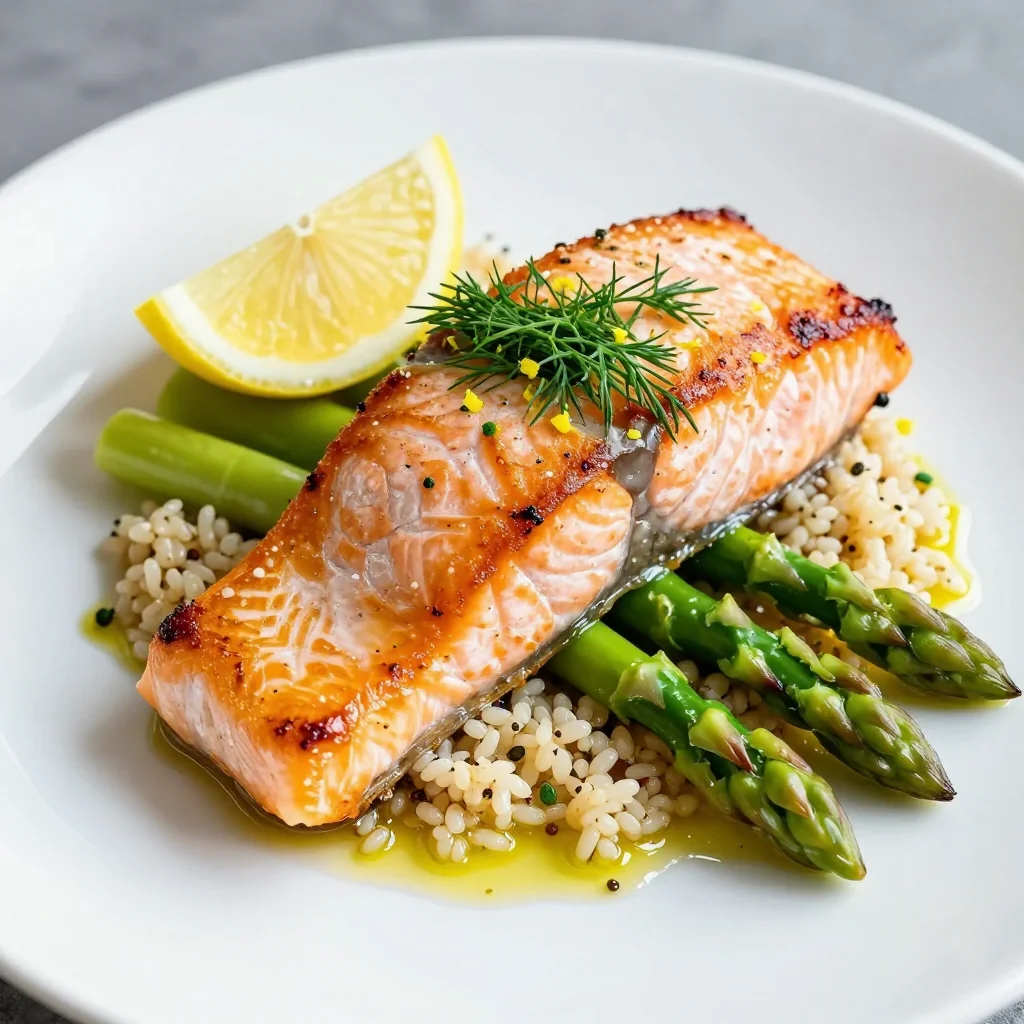
Clean Eating Lemon Dill Salmon for a 20-Minute Dinner
Ingredients
Instructions
- Preheat: Heat oven to 425 °F. Line a rimmed sheet pan with parchment.
- Make Marinade: Whisk lemon zest, juice, olive oil, garlic, maple syrup, salt, and pepper until emulsified.
- Prep Salmon: Pat fillets dry, place skin-side down on pan, brush with ⅔ of the marinade.
- Bake: Roast 9–12 min (125 °F internal for medium).
- Finish: Sprinkle fresh dill and extra lemon juice. Rest 3 min, then serve.
Recipe Notes
For crispy skin, sear skin-side down in a hot skillet 2 minutes before transferring to oven. Nutritional info calculated with maple syrup and includes ½ tsp olive oil for vegetables.