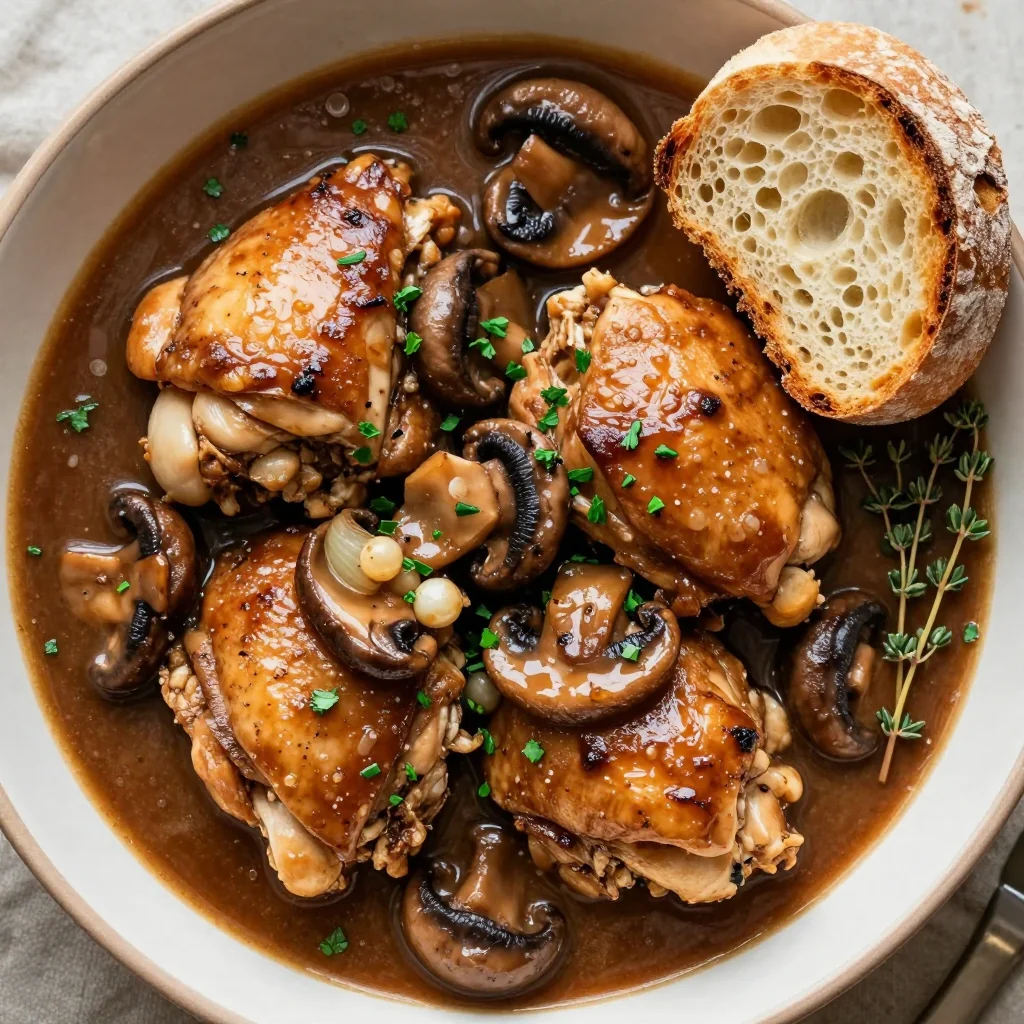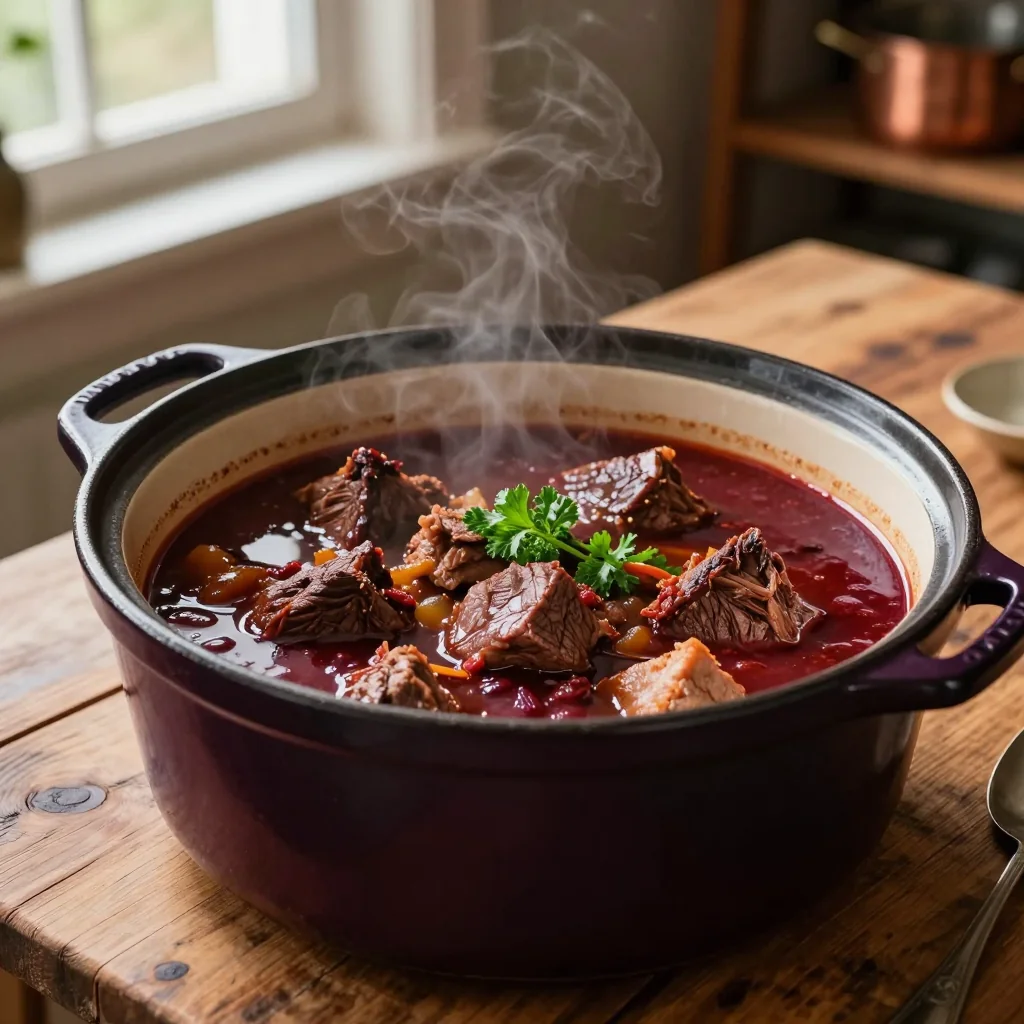
A comforting, wine‑kissed stew that turns a lazy afternoon into a gourmet celebration.
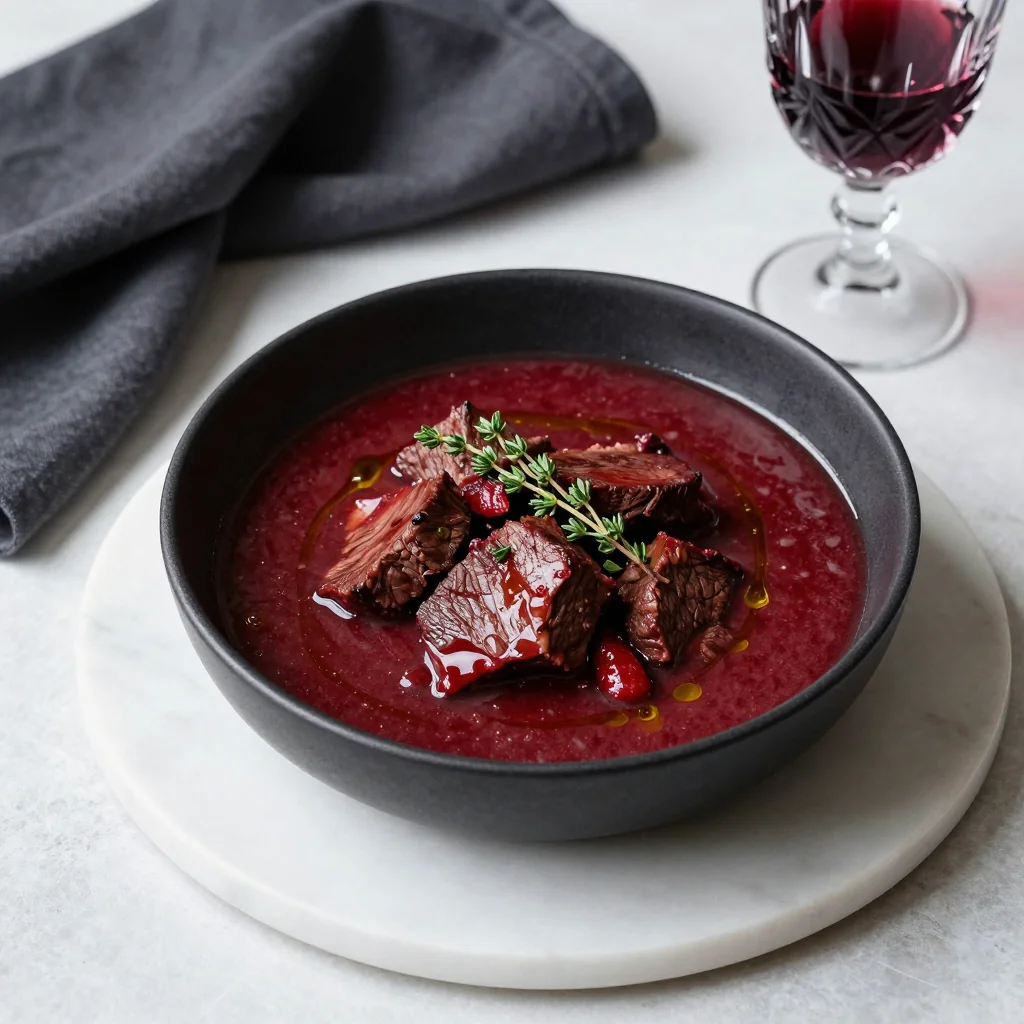
A Personal Journey into Slow‑Cooked Comfort
The first time I tasted a slow‑cooked beef stew, I was perched on a stone bench in a tiny Provençal market, the scent of simmering meat mingling with rosemary and a whisper of red wine drifting from a nearby café. My grandmother’s kitchen had always been a place of hearty aromas, but that particular moment taught me that time and patience could transform humble cuts of meat into a symphony of flavors that linger long after the last spoonful.
Originating from the rustic traditions of French countryside cooking, this stew embraces the slow‑cooker’s ability to coax tenderness from tough beef while allowing the wine to infuse every bite with depth and subtle fruitiness. It’s a dish that bridges generations—honoring classic techniques while embracing modern convenience.
In this article, I’ll walk you through every nuance—from selecting the perfect chuck, to mastering the art of layering flavors, to achieving a glossy, velvety broth that clings lovingly to each vegetable. You’ll discover why a splash of full‑bodied red wine is the secret weapon that elevates this stew from everyday to unforgettable.
Grab your slow cooker, pour a glass of the same wine you’ll use in the pot, and let’s embark on a culinary adventure that promises warmth, richness, and a sense of celebration in every spoonful.
🌟 Why This Recipe Will Win Your Heart
From the first aromatic swirl to the final, melt‑in‑your‑mouth bite, this stew delivers comfort, flavor, and effortless elegance.
- ✨ Deep, Wine‑Infused Flavor: The red wine not only deglazes the pan but also adds tannins that balance the richness of beef, creating a complex palate that feels both rustic and refined.
- ✨ One‑Pot Simplicity: With everything tossed into the slow cooker, you spend less time juggling pans and more time savoring anticipation.
- ✨ Tender, Fall‑Apart Beef: Low‑and‑slow cooking breaks down collagen, turning a sturdy chuck into melt‑soft morsels that practically dissolve on the tongue.
- ✨ Nutrient‑Rich Veggies: Carrots, potatoes, and celery not only add texture but also contribute vitamins, fiber, and a natural sweetness that balances the wine’s acidity.
- ✨ Flexible Timing: Set it in the morning and return to a ready‑to‑serve masterpiece—perfect for busy weekdays or relaxed weekends.
- ✨ Crowd‑Pleaser: Its hearty nature satisfies meat‑lovers while the aromatic herbs keep it elegant enough for dinner parties.
🥗 Ingredients
📝 Complete Ingredient List
For the Stew:
- 2 lbs beef chuck, cubed
- 1 cup full‑bodied red wine
- 2 tbsp olive oil
- 1 large onion, diced
- 3 cloves garlic, minced
- 3 carrots sliced
- 2 celery stalks sliced
- 2 potatoes peeled & cubed
- 1 cup beef broth
- 2 tbsp tomato paste
- 1 tsp dried thyme
- 1 tsp dried rosemary
- 2 bay leaves
- to taste salt & pepper
For the Garnish:
- 2 tbsp fresh parsley, chopped
- 1 tbsp fresh thyme leaves
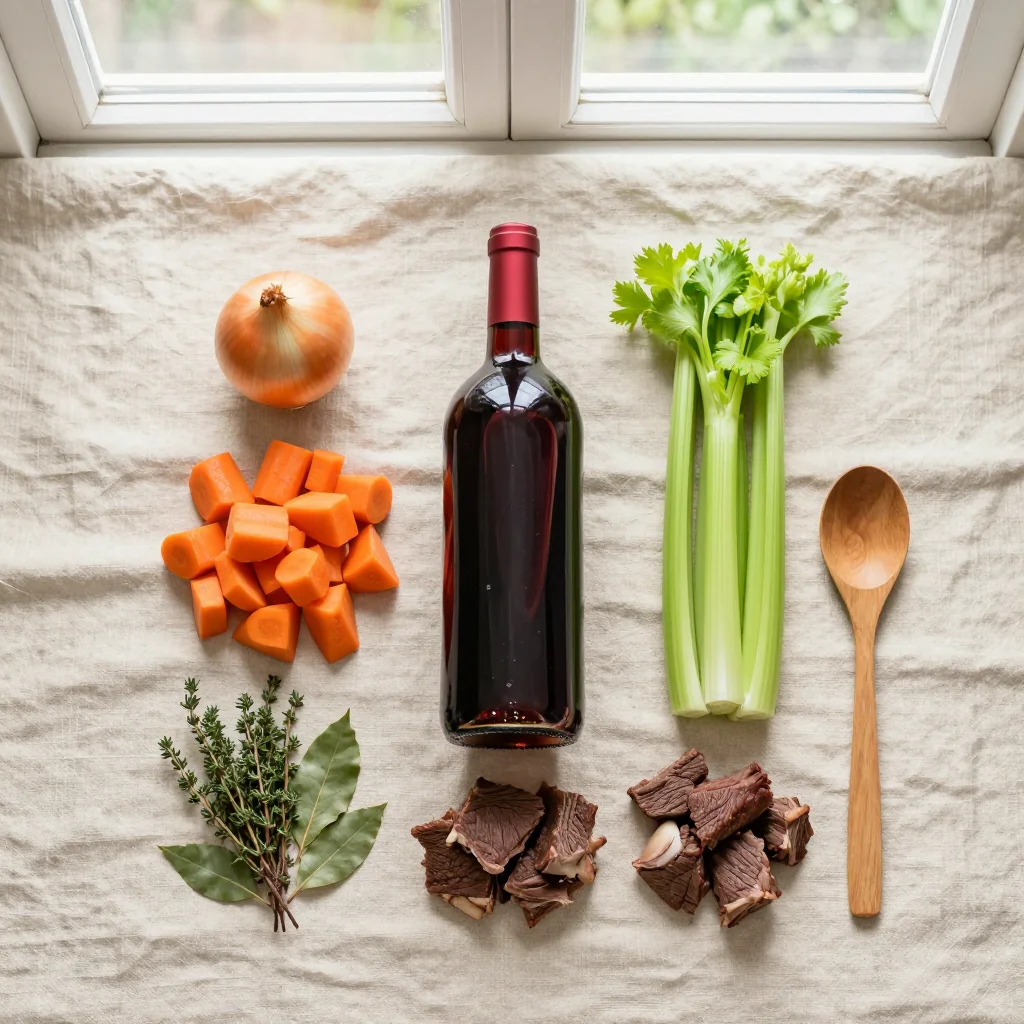
🔍 Focus on Key Ingredients
Beef Chuck
Beef chuck is the workhorse of stews because its connective tissue breaks down beautifully during long, low‑heat cooking, yielding a silky, gelatin‑rich broth. Look for a piece with visible marbling; the fat renders slowly, adding depth without overwhelming the palate. Trim any silver skin, but keep a modest amount of fat for flavor.
Red Wine
The wine contributes acidity that brightens the broth while the tannins lend a subtle astringency that balances the meat’s richness. A dry, full‑bodied variety like Cabernet Sauvignon or Syrah works best. Avoid overly sweet wines, which can make the sauce cloying.
Tomato Paste
Tomato paste is the unsung hero that adds umami and a concentrated sweetness, thickening the sauce without the need for a roux. It also deepens the color, giving the stew its inviting mahogany hue.
🔄 Quick Substitutions
| If you don’t have… | Use instead… |
|---|---|
| Beef chuck | Beef short ribs or boneless stew meat |
| Red wine | Dry sherry or a mixture of beef broth + balsamic vinegar |
| Tomato paste | 2 tbsp crushed tomatoes blended into a paste |
👨🍳 Step‑by‑Step Instructions
Follow these detailed steps to create a stew that tastes like it’s been simmering for hours, even if you start it in the morning.
📋 Phase 1: Preparation & Mise en Place
Getting everything ready before the slow cooker does its magic ensures a smooth cooking process.
Season and sear the beef
Pat the beef cubes dry with paper towels, then season generously with salt and pepper. Heat olive oil in a large skillet over medium‑high heat. Working in batches, sear each piece until a deep brown crust forms—about 2‑3 minutes per side. This Maillard reaction locks in juices and adds a caramelized layer to the final broth.
Deglaze with red wine
Once the last batch of beef is browned, pour the cup of red wine into the hot skillet. Scrape the browned bits from the bottom with a wooden spoon; these are flavor gold. Let the wine reduce by half, about 3‑4 minutes, concentrating its aromatics.
Prepare vegetables
While the wine reduces, dice the onion, mince the garlic, slice the carrots, celery, and potatoes into uniform pieces. Uniform sizing ensures even cooking and a harmonious texture throughout the stew.
🔥 Phase 2: Slow Cooking & Flavor Development
Now the stew will meld its flavors over several hours.
Layer ingredients in the slow cooker
Place the seared beef at the bottom of the slow cooker, then add the reduced wine, chopped vegetables, tomato paste, dried herbs, bay leaves, and beef broth. Stir gently to distribute the tomato paste evenly; this prevents clumps and ensures a consistent flavor.
Set the cooker
Cover and set the slow cooker to “Low” for 8 hours, or “High” for 4‑5 hours if you’re short on time. Low heat is ideal for breaking down collagen, resulting in a silkier broth and more tender meat.
Final seasoning check
About 30 minutes before serving, open the lid and taste the broth. Adjust salt, pepper, and if the stew needs a touch more acidity, add a splash of extra red wine or a teaspoon of balsamic vinegar. This final tweak balances the richness.
✨ Phase 3: Finishing Touches & Plating
The final steps turn a great stew into a spectacular presentation.
Remove bay leaves and garnish
Discard the bay leaves, then sprinkle freshly chopped parsley and thyme over the top. The herbs add a burst of color and a fresh, herbaceous aroma that lifts the heavy broth.
Serve with rustic bread
Ladle the stew into deep bowls, ensuring each serving gets a generous portion of beef, vegetables, and broth. Serve alongside crusty sourdough or a warm baguette to soak up the sauce.
💡 Expert Tips & Tricks
🛒 Choosing the Right Ingredients
When selecting beef, opt for chuck with a good amount of marbling; the intramuscular fat melts during the long cook, enriching the broth. Look for a wine that you would enjoy drinking—quality matters because the alcohol evaporates, leaving behind concentrated flavor. Fresh herbs should be vibrant green, not wilted, as they lose potency quickly. For vegetables, choose firm carrots and potatoes without sprouts. Finally, use low‑sodium beef broth to control the overall salt level.
🔪 Preparation Techniques
Patting the beef dry is essential; moisture on the surface creates steam, preventing a proper sear. Cut the vegetables into similar sizes (about 1‑inch pieces) so they cook evenly. When mincing garlic, crush it first with the flat side of the knife to release more aromatic oils. Toast the tomato paste briefly in the skillet before adding wine; this “purée” step deepens the umami. Finally, keep a bowl of water nearby to deglaze any stubborn bits.
🌡️ Mastering the Cooking Process
The key to a perfect stew is low, steady heat. A temperature of around 190°F (88°C) in the slow cooker’s “Low” setting is ideal for collagen conversion. Avoid lifting the lid frequently; each opening releases heat and can add up to 15 minutes of extra cooking time. If the broth looks thin after the cooking period, simply stir in a slurry of cornstarch and cold water to thicken. Conversely, if it’s too thick, add a splash of broth or wine.
🍽️ Presentation & Service
For a restaurant‑style look, serve the stew in shallow, wide bowls and garnish with a small bundle of fresh herbs tied with kitchen twine. Drizzle a teaspoon of high‑quality extra‑virgin olive oil over the top just before serving to add a glossy finish. Pair with a side of buttery mashed potatoes or a simple green salad dressed with a lemon vinaigrette to balance the richness. Finally, present a glass of the same wine used in cooking to complete the experience.
🏆 Pro Tips
Professional chefs know the subtle adjustments that turn a good stew into a masterpiece.
- 🎯 Build Layers of Flavor Early: Add a spoonful of mushroom umami paste or a dash of Worcestershire sauce during the deglazing step. The added depth compounds during the long simmer, giving the broth an almost savory complexity that’s hard to achieve otherwise.
- 🎯 Use a Bouquet Garni: Tie thyme, rosemary, and a bay leaf together with kitchen twine. This makes it easy to remove the herbs after cooking, preventing stray leaves from ending up on the plate while still infusing their essence.
- 🎯 Finish with a Cold Butter Emulsion: Stir in a tablespoon of cold butter right before serving. The butter emulsifies with the broth, creating a silkier mouthfeel and a glossy sheen that signals restaurant quality.
- 🎯 Control Salt with Care: Since the broth reduces, salt intensifies. Add salt gradually, tasting after each addition, especially after the final reduction step.
- 🎯 Pre‑brown the Vegetables: Lightly caramelize the carrots and onions before adding them to the cooker. This adds a sweet, roasted note that balances the wine’s acidity.
- 🎯 Rest Before Serving: Allow the stew to sit for 10‑15 minutes after turning off the cooker. This rest period lets the flavors settle and the meat fibers re‑absorb some of the juices, improving texture.
“A great stew is a conversation between fire, time, and patience; each spoonful tells a story.” — Chef Thomas Keller
🔄 Variations and Adaptations
The core of this stew is versatile; feel free to experiment with proteins, spices, and dietary tweaks.
🥬 Vegetarian/Vegan Version
Replace beef with hearty mushrooms such as portobello or a mix of cremini and shiitake for umami richness. Use vegetable broth and a splash of balsamic vinegar for acidity. Add a can of lentils for protein, and keep the same vegetables and wine. The cooking time remains the same, allowing the mushrooms to absorb the broth fully.
- 2 lbs mixed mushrooms, sliced
- 1 cup red wine (ensure it’s vegan‑friendly)
- 1 cup lentils, rinsed
🌶️ Flavor Variations
Play with global spice profiles to give the stew a new identity. For a smoky Mexican twist, add chipotle chilies in adobo sauce and a teaspoon of cumin. A Mediterranean spin can incorporate olives, sun‑dried tomatoes, and a pinch of smoked paprika. For an Asian-inspired version, swap the red wine for a dry sherry, add star anise, and finish with a drizzle of sesame oil.
Version Épicée:
Add 1‑2 finely chopped serrano chilies and a teaspoon of smoked paprika for gentle heat and smoky depth.
Version Méditerranéenne:
Stir in ½ cup pitted Kalamata olives, ¼ cup chopped sun‑dried tomatoes, and a pinch of oregano.
Version Asiatique:
Replace red wine with 1 cup dry sherry, add 1 star anise, and finish with 1 tsp toasted sesame oil.
⚠️ Dietary Adaptations
Gluten‑Free:
All ingredients are naturally gluten‑free; just ensure the broth and any pre‑made sauces are certified gluten‑free.
Lactose‑Free:
No dairy is used, so the recipe is already lactose‑free.
Low‑Calorie:
Trim excess fat from the beef, use leaner cuts like sirloin, and replace half the potatoes with cauliflower florets to reduce carbs while keeping volume.
👶 Family/Children Version
For picky eaters, reduce the amount of red wine to ½ cup and add a tablespoon of brown sugar to mellow the acidity. Blend half of the vegetables into the broth for a smoother texture, and serve with soft, buttery biscuits instead of crusty bread.
📦 Storage and Reheating
🧊 Conservation
In the Refrigerator:
- Duration: 4 days
- Recommended container: airtight glass or BPA‑free plastic
- Tip: Place a thin layer of olive oil on top of the broth to minimize oxidation.
In the Freezer:
- Duration: 3 months
- Method: Cool completely, portion into freezer‑safe bags, remove air, label with date.
- Defrosting: Transfer to refrigerator overnight or use the “defrost” setting on a microwave.
💡 For best texture, reheat the stew on the stovetop over low heat, stirring occasionally, rather than using a microwave.
♨️ Reheating
🔥 In the Oven (Recommended):
- Preheat to 180°C (350°F).
- Cover the dish with foil to retain moisture.
- Reheat for 20‑25 minutes, stirring halfway.
- Remove foil and continue for 5 minutes to allow the surface to caramelize slightly.
⚡ In the Microwave (Quick):
- Cover with a microwave‑safe lid.
- Heat on medium power for 2‑3 minutes, then stir.
- Repeat in 1‑minute intervals until piping hot.
🍳 On the Stovetop:
Place the stew in a saucepan, add a splash of broth if needed, and simmer over low heat for 10‑15 minutes, stirring occasionally.
🍷 Perfect Pairings
🥗 Side Dishes
- Garlic‑Roasted Brussels Sprouts: Their caramelized edges add a bitter contrast that cuts through the stew’s richness.
- Herb‑Infused Polenta: Creamy polenta soaks up the sauce while providing a gentle, corn‑sweet backdrop.
- Simple Arugula Salad: Tossed with lemon vinaigrette, the peppery leaves refresh the palate between bites.
🍷 Wine & Beverage Pairings
- Cabernet Sauvignon: Its firm tannins echo the stew’s depth, while dark fruit notes complement the beef.
- Syrah/Shiraz: Offers peppery spice that mirrors the herb profile.
- Non‑Alcoholic: A sparkling pomegranate juice provides acidity and a festive touch.
🍰 To Complete the Meal
Begin with a light goat cheese and beet salad, follow the stew with a warm apple crumble topped with vanilla ice cream, and finish with a dark chocolate truffle to echo the wine’s richness. The progression from savory to sweet creates a balanced dining experience.
❓ Frequently Asked Questions
Q: Can I use a pressure cooker instead of a slow cooker?
Yes, a pressure cooker can drastically reduce cooking time. Sear the beef and deglaze as described, then transfer everything to the pressure cooker. Cook on high pressure for 45 minutes, followed by a natural release of 10 minutes. The texture will be similarly tender, though the flavor development is slightly less nuanced than the low‑and‑slow method.
Q: What type of red wine works best?
Choose a dry, full‑bodied wine with moderate tannins—Cabernet Sauvignon, Syrah, or a robust Merlot are ideal. Avoid sweet or overly fruity wines, as they can make the broth cloying. If you prefer a non‑alcoholic version, replace the wine with an equal amount of beef broth plus a tablespoon of balsamic vinegar for acidity.
Q: How do I avoid a greasy broth?
After cooking, let the stew sit for a few minutes; the fat will rise to the surface. Skim it off with a spoon or use a paper towel. Alternatively, chill the stew overnight; the solidified fat can be easily removed before reheating.
Q: My stew turned out watery—what went wrong?
A watery result often stems from too much liquid or insufficient reduction. Ensure you use the specified amount of broth and wine. If the stew is still thin after cooking, simmer uncovered on low heat for 15‑20 minutes to evaporate excess liquid, or stir in a cornstarch slurry (1 tsp cornstarch mixed with 2 tsp cold water) to thicken.
Q: Can I add other root vegetables?
Absolutely! Parsnips, turnips, or sweet potatoes add subtle sweetness and extra texture. Add them at the same time as carrots and potatoes so they cook evenly. Keep the total volume balanced to avoid overcrowding the cooker.
Q: Is it possible to prepare this recipe ahead of time?
Yes, you can assemble all ingredients (except fresh herbs) the night before, store them in the refrigerator, and start cooking in the morning. The flavors will meld even more, and the stew will be ready for dinner with minimal effort.
🎉 To Your Kitchen!
This Beef Stew Slow Cooker with Red Wine is more than a recipe; it’s an invitation to slow down, savor the aromas, and share a comforting dish with those you love. The combination of tender beef, aromatic herbs, and a wine‑kissed broth creates a timeless classic that feels both homely and elegant. Whether you’re feeding a bustling family or impressing guests at a dinner party, the stew delivers depth, warmth, and a memorable taste experience.
I can’t wait to hear how your stew turns out! Share your photos, ask any lingering questions, and don’t forget to leave a rating. Your feedback helps refine the recipe and inspires fellow cooks.
Have you tried this recipe?
Leave a comment and rating below! Share your photos on Instagram with #StewSensation for a chance to be featured.
Beef Stew Slow Cooker with Red Wine
A slow‑cooked, wine‑infused stew that melts in your mouth.
📝 Ingredients
Stew
Garnish
👨🍳 Instructions
- 1 Season beef with salt and pepper, then sear in hot olive oil until browned on all sides.
- 2 Deglaze the pan with red wine, scraping up browned bits; reduce by half.
- 3 Transfer beef and wine to the slow cooker; add onion, garlic, carrots, celery, potatoes, broth, tomato paste, herbs, and bay leaves.
- 4 Cook on Low for 8 hours (or High for 4‑5 hours) until meat is fork‑tender.
- 5 About 30 minutes before serving, taste and adjust seasoning with salt, pepper, or extra wine.
- 6 Remove bay leaves, sprinkle fresh parsley and thyme over the stew.
- 7 Serve hot in deep bowls with crusty bread or buttery polenta.
- 8 Optional: drizzle a teaspoon of cold butter for extra silkiness.
- 9 Store leftovers in airtight containers; reheat using recommended methods.
- 10 Enjoy with a glass of the same red wine you cooked with!