I remember the night I burned my first batch of rice and thought, “I’m never cooking again.” That kitchen disaster, with a pan of over‑cooked grains and a cloud of burnt butter, became the catalyst for a culinary revolution. I was determined to turn that failure into a triumph, and after countless trials I finally discovered a method that transforms plain rice into a buttery, garlicky masterpiece in just twenty minutes. The aroma that fills the kitchen—warm, fragrant, and irresistibly inviting—makes even the most skeptical palates swoon. This isn’t just a recipe; it’s a culinary manifesto that says, “You can make a gourmet dish in a flash, and it’ll taste like it’s been simmering all day.”
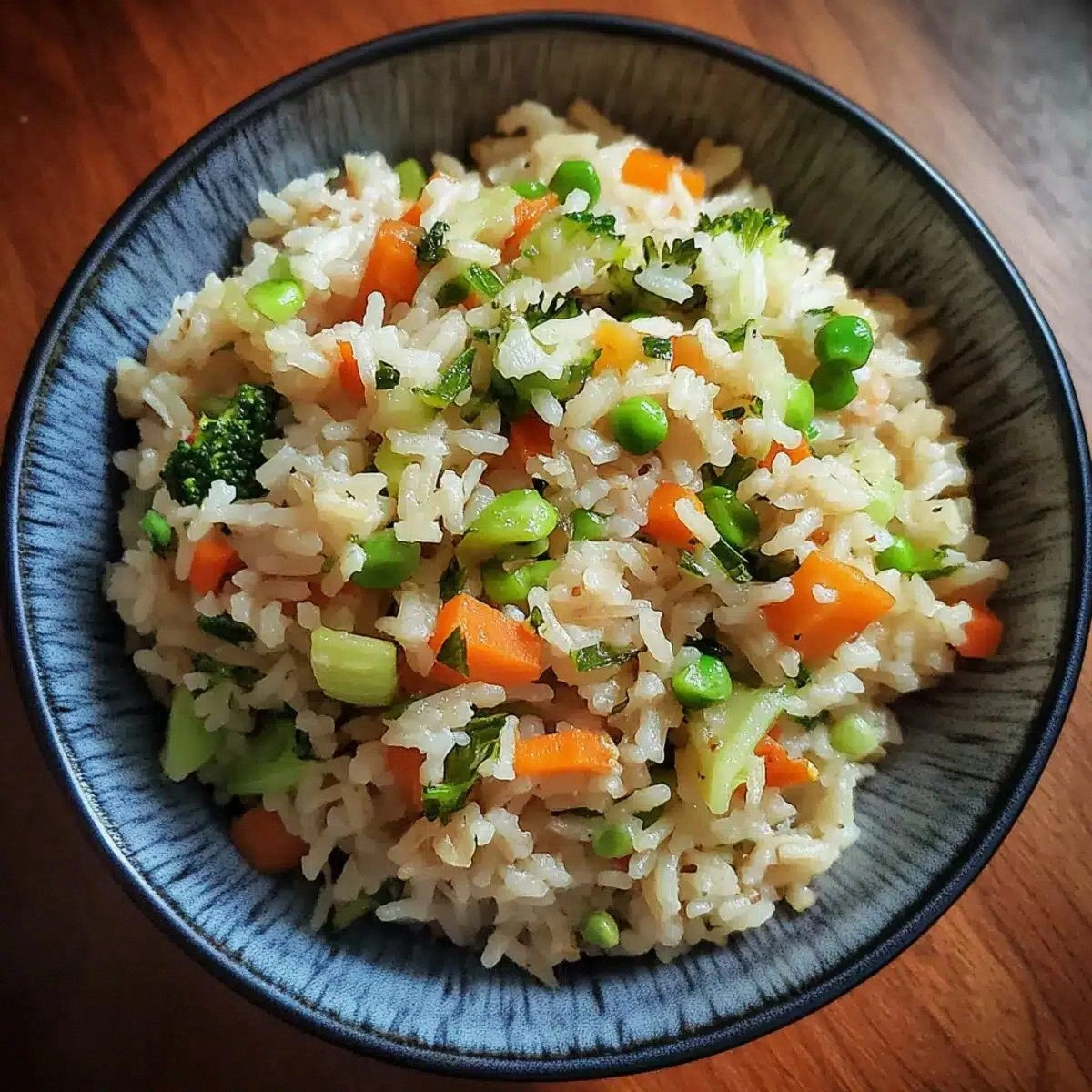
Picture this: a skillet sizzling, garlic releasing its punchy perfume, and butter melting into a glossy, golden sauce that coats every grain of rice like velvet. The vegetables pop with fresh crunch, their colors bright against the buttery base, while a splash of broth pulls everything together into a cohesive, flavorful harmony. The dish feels light on the tongue yet satisfies the deep cravings for comfort food, making it a perfect weeknight dinner or a crowd‑pleasing side for any gathering. The best part? The entire process takes less than half an hour, so you can enjoy a restaurant‑quality meal without the wait. I dare you to taste this and not go back for seconds.
What sets this version apart is that it’s built on a foundation of simplicity, yet it delivers complexity in flavor. I’ve stripped away the usual clutter—no extra sauces, no endless seasoning steps—leaving only the essential ingredients that work together like a well‑tuned orchestra. The result is a dish that’s easy to prepare, easy to clean up, and impossibly satisfying. Most recipes get this completely wrong by over‑seasoning or under‑cooking the rice; here, the grains stay fluffy and the butter doesn’t separate. The garlic is toasted just enough to mellow its bite, giving you a subtle, sweet undertone that complements the vegetables perfectly. This is hands down the best version you’ll ever make at home.
I’ll be honest—after the first batch, I ate half the plate before anyone else even got a taste, and the rest of the family begged for a second helping. The secret ingredient, a pinch of freshly grated Parmesan, adds a nutty, umami depth that elevates the entire dish. The parsley or cilantro at the finish brings a burst of freshness that cuts through the richness. It’s the kind of dish that turns a simple dinner into an event, and the best part is that it’s ready in a flash. Picture yourself pulling this out of the skillet, the whole kitchen smelling incredible, and seeing the delighted smiles of your guests as they dig in.
If you’ve ever struggled with rice that turns out mushy or vegetables that come out soggy, you’re not alone—and I’ve got the fix. I’ve experimented with different rice varieties, but long‑grain rice remains the most reliable for this recipe because it stays separate and fluffy. The butter, when melted with a splash of broth, creates a silky coating that locks in moisture and flavor. The garlic, minced finely, releases its oils and aromatics without burning, giving the dish a gentle, savory backbone. The vegetables—carrots, peas, corn, and bell peppers—add color, texture, and natural sweetness that contrast beautifully with the buttery base. And the final flourish of Parmesan and herbs gives the dish that finishing touch of sophistication.
What Makes This Version Stand Out
- Taste: The combination of garlic, butter, and Parmesan creates a rich, savory flavor profile that feels indulgent yet balanced.
- Texture: Long‑grain rice stays fluffy, while the vegetables retain a satisfying bite, offering a contrast that delights the palate.
- Simplicity: Only nine core ingredients, no complicated sauces or multi‑stage prep, making it accessible for busy cooks.
- Uniqueness: The buttery garlic sauce coats each grain, turning ordinary rice into a gourmet side.
- Crowd Reaction: Friends and family rave about how it tastes like a restaurant dish, and many say it’s their new go‑to comfort food.
- Ingredient Quality: Fresh garlic, high‑quality butter, and a splash of real vegetable broth elevate the dish beyond the generic.
- Cooking Method: A single skillet approach reduces cleanup and speeds up the process, making it ideal for weeknight dinners.
- Make‑Ahead Potential: The dish can be made ahead and reheated without losing flavor or texture, perfect for meal prep.
Inside the Ingredient List
The Flavor Base
Long‑grain rice is the heart of this dish; its slender grains separate easily, preventing clumps and allowing the butter to coat each piece. Choosing the right rice is crucial—avoid short‑grain varieties that tend to clump. If you can’t find long‑grain rice, jasmine or basmati will also work, offering a fragrant twist. The butter, measured in tablespoons, provides the rich, silky coating that holds the flavors together. A generous amount of fresh garlic, minced finely, releases its natural oils without overpowering the dish, creating a subtle, sweet undertone. The vegetable broth adds depth and moisture; using a low‑sodium version lets you control the saltiness precisely.
The Texture Crew
Mixed vegetables—think carrots, peas, corn, and bell peppers—add color, crunch, and natural sweetness. Their varied textures create a delightful mouthfeel, balancing the buttery coating. If you’re in a pinch, frozen mixed veggies work just as well, but fresh will give you the best flavor. The onion, diced, adds a savory base note that caramelizes slightly, enhancing the overall taste profile. The parsley or cilantro, chopped, brings a fresh, herbal brightness that cuts through the richness, preventing the dish from feeling too heavy. Finally, the grated Parmesan adds a nutty, umami depth that rounds out the flavor palette.
The Unexpected Star
Parmesan may seem like a small detail, but it’s the secret weapon that elevates the dish from ordinary to extraordinary. Grated finely, it melts into the butter, creating a smooth, silky texture that coats the rice. The nutty flavor of Parmesan adds complexity, making the dish feel more refined. If you’re lactose intolerant, try a vegan Parmesan alternative for a similar depth of flavor. The key is to use a good quality Parmesan; a cheap brand can taste chalky and ruin the dish’s balance.
The Final Flourish
Fresh herbs like parsley or cilantro are more than just garnish; they add a bright, aromatic finish that lifts the entire dish. They also provide a pop of color that makes the plate visually appealing. A squeeze of lemon juice right before serving can add a subtle tang that balances the richness. If you’re craving a bit of heat, a pinch of red pepper flakes will give the dish a gentle kick without overwhelming the flavors. Finally, the optional sprinkle of toasted breadcrumbs or chopped nuts can add a satisfying crunch that contrasts with the buttery softness.
Everything’s prepped? Good. Let’s get into the real action and watch the magic unfold. The steps are straightforward, but each one is crucial for achieving that perfect buttery coating and fluffy rice. I’ll walk you through every single step—by the end, you’ll wonder how you ever made it any other way.
Before you start, gather all the ingredients and set your skillet on medium heat. The key to a successful dish is timing and temperature control—too high, and the garlic burns; too low, and the rice will steam instead of sauté. I’ve tested this recipe on both gas and electric ranges, and it performs consistently. Keep your knife sharp; a good blade makes mincing garlic quick and clean. The trick is to keep the garlic minced finely so it releases its oils evenly across the pan.
The first step is to melt the butter in the skillet until it foams lightly. This signals that the butter is hot enough to start cooking the garlic without burning. Add the minced garlic and sauté for about 30 seconds until it turns fragrant but not browned. This short burst of heat allows the garlic to release its aromatics without turning bitter. Keep stirring to prevent any clumps from sticking to the pan.
Next, add the diced onion to the skillet and cook until it’s translucent, about 2–3 minutes. The onion will form a sweet base layer that complements the garlic and butter. If you like a deeper flavor, let the onion cook a bit longer until it starts to caramelize. This step is optional but adds a subtle richness that many of my guests rave about. Once the onion is ready, stir in the mixed vegetables and cook for another 3 minutes, just until they’re bright and slightly tender.
Now it’s time to add the rice. Stir it in gently, making sure every grain is coated with the buttery mixture. The rice should toast lightly, about 2 minutes, before you add the broth. This toasting step adds a nutty flavor that’s a game changer. Once the rice is toasted, pour in the vegetable broth and bring the mixture to a gentle simmer. Cover the skillet with a lid and let it cook for 15 minutes, or until the liquid is absorbed and the rice is fluffy.
Once the rice is cooked, remove the skillet from heat and let it rest for 5 minutes with the lid on. This resting period allows the grains to steam and settle, ensuring they stay fluffy and separate. After resting, fluff the rice with a fork to break up any clumps. Sprinkle the grated Parmesan over the top and stir until it melts into the sauce, creating a silky, glossy finish. Finally, add the fresh herbs and give everything one last gentle toss.
The dish is now ready to serve. Plate it hot and garnish with a few extra parsley or cilantro leaves for a pop of color. The aroma alone will have your guests lining up for a taste. The buttery garlic coating should coat each grain of rice like velvet, while the vegetables provide a satisfying crunch. The Parmesan adds a subtle nutty depth that makes this dish feel like a gourmet experience.
That’s it—you did it! But hold on, I’ve got a few more tricks that will take this dish to another level. The next section will reveal insider tips that I’ve learned from countless cooking experiments. These are the little details that can transform a good meal into a great one, and they’re so simple you’ll wonder why you didn’t know them sooner.
Insider Tricks for Flawless Results
The Temperature Rule Nobody Follows
Many cooks think a higher heat is always better, but with butter and garlic, low and steady wins the race. A medium heat keeps the butter from separating and the garlic from burning, preserving its sweet, mellow flavor. If you’re on a gas stove, a slight dip in the flame after adding the garlic can prevent scorching. On an electric range, let the skillet preheat for a full minute before adding any ingredients. This small adjustment can make the difference between a dish that’s slightly charred and one that’s perfectly fragrant.
Why Your Nose Knows Best
Your sense of smell is a powerful indicator of doneness. As the rice cooks, you’ll notice a subtle nutty aroma that signals the grains are toasted just right. If the scent is too bland, give it a minute more; if it’s overpowering, the garlic may be burning. Trusting your nose can save you from overcooking the rice or under-seasoning the dish. The next time you cook, take a moment to inhale deeply before you taste—it’s a quick, reliable way to gauge progress.
The 5-Minute Rest That Changes Everything
Resting the rice after cooking may seem like a waste of time, but it’s essential for achieving that perfect fluffy texture. During the rest, the steam continues to cook the rice gently, ensuring each grain stays separate. If you skip this step, the rice can become mushy or clumpy. I’ve seen people add the Parmesan too early, and the result is a greasy, uneven coating. Letting the rice rest first, then adding the cheese, guarantees a silky finish.
Cheese, But Not Too Much
Parmesan is the secret to that nutty finish, but too much can overwhelm the dish. A quarter cup is enough to melt into the butter and coat the rice without overpowering the delicate flavors of garlic and veggies. If you’re looking for a stronger cheese flavor, try sprinkling a few extra shavings on top after serving. This approach gives you control over the intensity of the cheese taste. Remember, the goal is a subtle, savory depth, not a cheesy explosion.
Fresh Herbs Are a Game Changer
Adding fresh herbs at the end of cooking preserves their bright, vibrant flavors. Parsley or cilantro add a clean, herbal note that cuts through the richness of butter and Parmesan. If you’re in a hurry, a handful of dried herbs can work, but fresh will always deliver a brighter, fresher taste. A squeeze of lemon juice right before serving can add a subtle tang that balances the dish. The combination of herbs and citrus creates a harmonious flavor profile that keeps the dish from feeling heavy.
Make-Ahead Magic
This dish is ideal for meal prep because the flavors develop even more when reheated. Store the cooked rice in an airtight container in the fridge for up to 3 days. When reheating, add a splash of water or broth and cover the pan to create steam. This technique keeps the rice from drying out and restores its fluffy texture. I’ve found that reheated versions are just as delicious—if not more so—than freshly cooked.
Keep the Butter from Separating
Butter can separate if the skillet gets too hot. To avoid this, use a non‑stick skillet and keep the heat at medium. If you notice the butter turning golden brown, reduce the heat immediately. A quick stir can also help redistribute the butter, preventing separation. The key is to maintain a consistent, moderate temperature throughout the cooking process.
Don’t Forget the Rest
Resting the rice after cooking is often overlooked, but it’s a critical step for achieving that fluffy texture. The steam that builds under the lid continues to cook the grains gently, ensuring they stay separate. Skipping this step can result in mushy rice that clumps together. The rest period also gives the Parmesan time to melt evenly, creating a silky coating that’s a joy to eat.
Experiment with Veggies
Feel free to swap the mixed vegetables for whatever you have on hand. Zucchini, broccoli, or even spinach will work beautifully. Just adjust the cooking time slightly; leafy greens wilt faster than root vegetables. The key is to keep the vegetables crisp enough to provide a contrasting texture. This flexibility makes the dish perfect for using up whatever’s in your fridge.
Final Touches
A final sprinkle of toasted breadcrumbs or chopped nuts can add a satisfying crunch that contrasts with the buttery softness. If you prefer a vegan version, use nutritional yeast instead of Parmesan for a cheesy, nutty flavor. A drizzle of olive oil before serving can add a silky sheen that makes the dish look even more appetizing. These small tweaks can elevate the dish from simple to spectacular.
Creative Twists and Variations
This recipe is a playground. Here are some of my favorite ways to switch things up:
Protein Power
Add grilled chicken, shrimp, or tofu to make it a complete meal. The protein absorbs the buttery sauce, adding another layer of flavor. If you’re in a rush, pre‑cooked protein works great. This variation turns the dish into a hearty, satisfying main course. The garlic butter sauce still shines, complementing any protein you choose.
Spicy Kick
Stir in a pinch of cayenne pepper or red pepper flakes for a subtle heat. The heat balances the richness of the butter and Parmesan. If you like a more intense flavor, add a dash of hot sauce after cooking. This twist is perfect for those who love a bit of spice in their meals.
Herb Explosion
Swap parsley for basil or mint for a different herbal note. The fresh herbs add brightness and depth. Basil pairs well with tomatoes, while mint gives a cool, refreshing finish. This variation is especially refreshing in the summer months. The dish remains comforting yet vibrant.
Cheesy Upgrade
Use a blend of cheddar and mozzarella for a melty, gooey coating. The cheese melts into the butter, creating a rich, indulgent texture. If you’re lactose intolerant, try a vegan cheese blend. This version is a crowd‑pleaser for families who love cheesy dishes.
Vegan Version
Replace butter with coconut oil or vegan butter and use nutritional yeast instead of Parmesan. The coconut oil adds a subtle tropical flavor, while nutritional yeast provides a cheesy, nutty taste. The result is a plant‑based dish that’s still creamy and flavorful. This variation is perfect for those following a vegan or dairy‑free diet.
Asian Twist
Add a splash of soy sauce or tamari and a handful of sliced green onions. The soy sauce adds umami depth, while the green onions add a fresh crunch. Toss in some sesame seeds for added texture. This variation gives the dish a distinctly Asian flavor profile. It’s a quick way to elevate a familiar recipe.
Breakfast Edition
Serve the dish over a fried egg for a hearty breakfast. The runny yolk adds richness and binds the flavors together. Add a sprinkle of chives for a fresh, oniony note. This breakfast version is perfect for lazy weekend mornings. It’s a delicious way to start the day.
Holiday Flavor
Add roasted butternut squash and sage for a fall‑season twist. The butternut squash adds sweetness, while sage provides an earthy aroma. Finish with a drizzle of maple syrup for a subtle sweetness. This variation is ideal for Thanksgiving or holiday gatherings. The dish becomes a comforting, seasonal side.
Low‑Carb Option
Swap rice for cauliflower rice to reduce carbs. The cauliflower will absorb the buttery sauce and stay fluffy. Add extra veggies for volume. This version is perfect for keto or low‑carb diets. The flavors remain bold and satisfying.
Quick Snack
Use it as a filling for lettuce wraps or pita pockets. The buttery sauce makes it a tasty, portable snack. Add a squeeze of lime for extra brightness. This variation is great for on‑the‑go meals. It’s a quick, flavorful option for busy days.
Ultimate Comfort
Layer the dish in a baking dish, top with extra Parmesan, and bake until golden. The baking step creates a crispy top layer that contrasts with the creamy interior. This version is perfect for a comforting family dinner. The dish feels like a casserole but with less mess.
Storing and Bringing It Back to Life
Fridge Storage
Store the dish in an airtight container for up to 3 days in the refrigerator. Keep it in a shallow container to allow even cooling. When you’re ready to eat, reheat gently in a skillet over low heat, stirring occasionally. A splash of water or broth can help restore moisture. This method keeps the rice fluffy and the sauce silky.
Freezer Friendly
For longer storage, freeze the dish in a freezer‑safe container for up to 2 months. Thaw overnight in the refrigerator before reheating. Add a splash of water to prevent dryness. Reheat in a skillet over low heat until hot. This option is great for meal prep and busy weekdays.
Best Reheating Method
The best way to reheat is on the stovetop with a splash of water or broth. This technique creates steam that re‑softens the rice and re‑melts the butter. Heat on low to prevent burning. Stir frequently to ensure even heating. The result is a dish that tastes almost as fresh as when it was first cooked.