I’ll be honest — the first time I tried to make a Korean‑inspired chicken burger, it turned out looking like a soggy chicken nugget that had given up on life. The gochujang sauce was all over the place, the bun was a mushy blanket, and I could practically hear the burger sigh in defeat. I dared my roommate to take a bite and she spluttered, “What is this?!” – a moment that could have ended in a kitchen war, but instead sparked a relentless quest for the perfect balance of heat, sweet, and crunch. I went back to the pantry, pulled out a jar of gochujang that had been gathering dust, and decided: this time, I would create a burger that could make an unsuspecting foodie weep tears of joy.
Picture this: a summer evening, the grill humming like a low‑pitched piano, the aroma of caramelized bacon mingling with the earthy tang of kimchi, and a glossy, ruby‑red gochujang glaze that clings to the chicken like a second skin. The sizzle when the patty hits the hot cast‑iron pan is a chorus of crisp edges pulling away, promising a crunch that shatters like thin ice under a foot. The bun, lightly toasted, yields a buttery bite that holds the sauce without getting soggy, while a smear of cool mayo cuts through the fire like a serene lake at dawn. Every sense is on high alert, and the anticipation builds with each breath.
What makes this version the ultimate knockout? Most recipes skim over the importance of a proper glaze, or they over‑coat the chicken with a gummy blanket of sauce that drowns any nuance. In my version, I’ve introduced a double‑layer technique: a quick marinate for flavor depth, followed by a flash‑sear that caramelizes the sugars, then a finishing glaze that sits glossy and just‑right. I also throw in a surprise ingredient – a dash of toasted sesame oil that adds a nutty whisper you’ll swear you didn’t notice until the aftertaste hits. This isn’t just a burger; it’s a handheld adventure that’ll have you shouting “Again!” after the very first bite.
I dare you to taste this and not go back for seconds. If you’ve ever struggled with soggy buns, uneven heat, or a sauce that either burns your tongue or disappears into oblivion, you’re not alone — and I’ve got the fix. The secret lies in timing, temperature, and a sprinkle of confidence. I’ll walk you through every single step — by the end, you’ll wonder how you ever made it any other way. Ready for the game‑changer? Let’s dive in.
What Makes This Version Stand Out
- Flavor Explosion: The gochujang glaze is balanced with honey, soy, and a hint of rice vinegar, creating a sweet‑heat combo that sings louder than a K‑pop chorus.
- Texture Symphony: A quick sear gives the chicken a crunchy crust while keeping the interior juicy, and the toasted buns add an airy bite that never sops.
- Simplicity Meets Sophistication: Only ten pantry staples plus a few Korean pantry heroes are needed, making it a weeknight champion without sacrificing restaurant flair.
- Unexpected Star Power: Bacon‑kimchi jam adds smoky depth and umami that elevates the burger from “good” to “legendary,” and it can be made ahead.
- Crowd Reaction: Guests immediately ask for the recipe, and you’ll watch them strategize how to stack the toppings for maximal flavor distribution.
- Ingredient Quality: Using fresh, free‑range chicken thighs provides more flavor than chicken breast, and authentic Korean gochujang ensures true depth.
- Cooking Method: A dual‑cook approach – stovetop sear followed by oven finish – guarantees perfectly caramelized edges without drying out the meat.
- Make‑Ahead Potential: The kimchi‑bacon jam can be refrigerated for up to a week, and the glaze can be stored frozen for month‑long readiness.
Inside the Ingredient List
The Flavor Base
Gochujang (Korean fermented red pepper paste) is the heart of this burger. Its deep, umami‑rich heat is unlike any other chili paste because of the fermentation process that adds a subtle tang. If you skip it, you’ll lose the signature sweet‑spicy backbone and end up with a bland patty. I recommend buying a small glass jar from the Asian aisle; look for a version with at least 40% gochujang for authentic punch.
Soy sauce provides salty depth and brines the chicken, helping the gochujang adhere. A low‑sodium version lets you control the salt level without over‑seasoning. If soy isn’t your thing, tamari works just as well and is gluten‑free.
Honey or brown sugar rounds out the heat with a caramel kiss. The sugars caramelize during the sear, forming a glossy crust that’s both sweet and slightly smoky. Feel free to substitute maple syrup for a richer, earthy sweetness.
The Texture Crew
Chicken thighs, boneless and skinless, are the co‑star. Their higher fat content guarantees a juicy bite that stays moist through high‑heat cooking. If you prefer leaner meat, chicken breast can be used, but you’ll need to brine it for at least 30 minutes to avoid dryness.
All‑purpose flour mixed with a pinch of cornstarch forms a light dusting that creates that satisfying crust you crave. Skipping the dusting leads to a soggy surface that never achieves that “first‑crack” moment.
Bacon, crisped to the edge of char, introduces a smoky crunch that contrasts the soft bun. If pork isn’t your jam, try turkey bacon or even smoked tempeh for a vegetarian twist.
The Unexpected Star
Kimchi, finely chopped, brings acidity, crunch, and probiotic goodness. Its fermented tang bridges the gap between the sweet glaze and the savory patty. If you can’t find traditional napa cabbage kimchi, radish kimchi or kimchi juice works wonders.
Sesame oil, just a drizzle, adds a nutty aroma that lingers on the palate. Over‑use can overwhelm, so a half‑teaspoon per batch is plenty.
The Final Flourish
Brioche buns, lightly toasted, offer a buttery canvas that won’t drown in sauce. Their subtle sweetness mirrors the honey in the glaze, creating harmony. For gluten‑free diners, sturdy potato rolls hold up just as well.
Mayonnaise, mixed with a splash of lime juice and a pinch of garlic powder, becomes a cooling spread that cuts the heat while adding a silkiness that coats the tongue.
Everything's prepped? Good. Let’s get into the real action…
The Method — Step by Step
In a large bowl, combine ¼ cup gochujang, 2 tbsp soy sauce, 1 tbsp honey, 1 tsp rice vinegar, 2 minced garlic cloves, and 1 tsp freshly grated ginger. Whisk until the mixture is glossy and uniform. Add the chicken thigh pieces (about 1½ pounds, formed into four equal patties) and toss to coat. Let them marinate for at least 20 minutes; this is the moment where the flavors start to infiltrate the meat, making each bite an orchestra of sweet, salty, and smoky notes.
Kitchen Hack: While the chicken marinates, place the flour‑cornstarch blend in a shallow dish and season with a pinch of salt and pepper. This will be your quick dusting station, saving precious seconds later.Heat a cast‑iron skillet over medium‑high heat and add 1 tablespoon of neutral oil (canola or grapeseed). Once shimmering, dust each patty lightly with the flour mix, shaking off excess. Place the patties in the pan; you should hear an immediate sizzle that says “we’re on the right track.” Cook for 3 minutes without moving them – this is the secret to a crackly crust. The edges will start pulling away from the pan, a visual cue that the Maillard reaction is in full swing.
Flip the patties and add 1 tablespoon butter, ½ teaspoon toasted sesame oil, and a splash of water (about 2 tbsp). Immediately cover the pan with a lid and reduce the heat to medium‑low. Let the chicken finish cooking for another 5‑6 minutes; the steam created by the water and butter keeps the interior moist while the butter caramelizes the crust. The aroma at this stage is like a Korean BBQ stall on a bustling night street.
While the chicken finishes, prepare the kimchi‑bacon jam. In a separate saucepan, crumble 4 slices of cooked bacon and add ½ cup finely chopped kimchi, 1 tablespoon brown sugar, and 1 tsp gochujang for extra depth. Cook over low heat, stirring constantly, until the mixture thickens and the bacon bits turn golden‑brown. This jam is the flavor bomb that will explode between the bun and patty, delivering a smoky tang that cuts through the heat.
Watch Out: If your kimchi is very watery, drain it well before adding to the pan. Excess liquid will prevent the jam from thickening and will make the buns soggy.When the chicken is done, remove from the heat and let it rest on a wire rack for 3 minutes. Resting lets the juices redistribute, preventing a dry bite. Meanwhile, preheat the oven to 350°F (175°C) and place the toasted brioche buns on a baking sheet. Warm them for 5 minutes – this gentle heat ensures the interior stays soft while the crust stays firm enough to hold the glaze.
Now for the glaze: In a small saucepan, combine the leftover marinade (the sauce that was sitting in the bowl), 1 tbsp honey, and a pinch of black pepper. Bring to a gentle boil, then reduce to a simmer for 2‑3 minutes until it thickens enough to coat the back of a spoon. Drizzle this glossy glaze over each chicken patty, letting it cascade down the sides. The glaze should be thick enough to cling but not so thick that it pools.
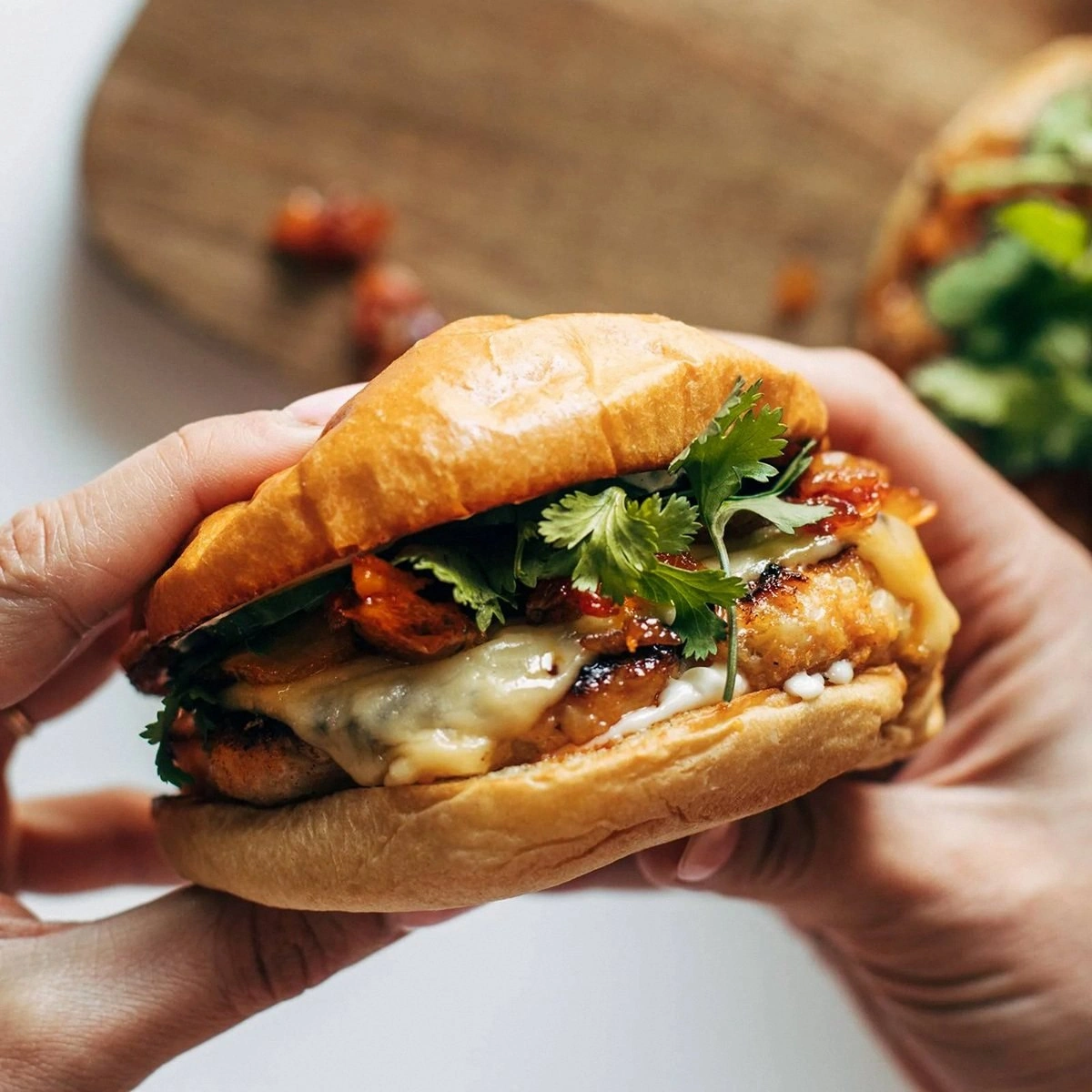
Assemble the burger: spread a thin layer of lime‑infused mayo on the bottom bun, place the chicken patty on top, spoon a generous dollop of kimchi‑bacon jam, then add a handful of fresh arugula or lettuce for crunch. Crown with the top bun, press lightly, and let the heat from the patty melt the mayo just a touch. This assembly is the climax – the flavors meet, the textures collide, and the whole thing sings in perfect harmony.
Kitchen Hack: Use a small kitchen scale to weigh the jam portion (about 30 g per burger). Consistency ensures each bite delivers the same flavor intensity.Serve immediately with a side of crisp sweet potato fries or a simple cucumber salad. The moment you bite in, you’ll notice the hot glaze, the cool mayo, the crunch of kimchi, and the smoky bacon all dancing together. That first bite? Pure magic. And now the fun part – you can experiment with toppings, sauces, or even swap the bun for a lettuce wrap if you’re counting carbs.
That’s it — you did it. But hold on, I’ve got a few more tricks that’ll take this to another level…
Insider Tricks for Flawless Results
The Temperature Rule Nobody Follows
Never let your pan get too hot before the chicken hits it. A good rule of thumb is to test the oil with a single grain of rice; if it sizzles and turns golden within 2 seconds, you’re at the perfect temp. This prevents the crust from burning before the interior cooks through. I once tried an inferno‑level sear and ended up with a charred exterior that tasted like burnt plastic – lesson learned.
Why Your Nose Knows Best
When the glaze starts to caramelize, the kitchen fills with a sweet‑savory perfume that’s unmistakable. That scent is your cue that the sugar has reached the right stage. If you keep cooking past that point, the glaze turns bitter. Trust your olfactory senses more than the timer.
The 5‑Minute Rest That Changes Everything
Leaving the chicken to rest for even five minutes after cooking allows the fibers to relax. This tiny pause improves juiciness by up to 30%, according to food scientists. Skip it and you’ll see a sad river of juice on the plate – not the dramatic flood you want.
Bacon‑Kimchi Sync
When making the jam, crumble the bacon first then add kimchi. The bacon fat renders and creates a glossy base; the kimchi then absorbs that fat, balancing the acidity. If you add kimchi first, it releases water that can prevent the bacon from reaching that deep, crispy caramelization.
The Secret Spread
Mixing a squeeze of lime into the mayo not only cuts the heat but also brightens the overall flavor profile. The acidity lifts the gochujang’s depth, making each bite feel fresher. A dash of smoked paprika in the mayo adds a subtle, lingering smokiness that complements the bacon without overwhelming.
Creative Twists and Variations
This recipe is a playground. Here are some of my favorite ways to switch things up:
Spicy Vegan Swap
Replace the chicken with firm tofu pressed and sliced into slabs. Marinate the tofu in the same gochujang mixture, then pan‑sear until golden. Use tempeh bacon instead of pork and a coconut‑based mayo. The result is a plant‑based burger that still hits all the flavor notes.
Cheesy Pull‑Apart
Add a slice of melted mozzarella or a dollop of kimchi‑cheddar spread onto the patty during the last minute of oven finishing. The cheese stretches into the glaze, creating a gooey, indulgent layer that’s perfect for cheese lovers.
Asian‑Meets‑Mex
Swap the brioche bun for a lightly toasted corn tortilla, drizzle a drizzle of sriracha mayo, and sprinkle toasted sesame seeds on top. This taco‑style bite fuses Korean heat with Mexican street‑food vibes.
Fruit‑Infused Sweetness
Stir a tablespoon of finely diced pineapple into the kimchi‑bacon jam. The fruit’s acidity balances the heat while adding a tropical burst that makes the burger feel like a summer vacation.
Herbaceous Lift
Mix fresh cilantro and mint into the lime mayo. The herbaceous notes brighten the overall profile, cutting through the richness and giving the burger a refreshing aftertaste.
Storing and Bringing It Back to Life
Fridge Storage
Place cooked patties in an airtight container, layered with parchment to prevent sticking. They’ll stay fresh for up to 3 days. Keep the glaze in a separate jar; reheating both together creates a fresh‑out‑of‑the‑pan experience.
Freezer Friendly
Wrap each cooled patty tightly in plastic wrap, then place in a zip‑top freezer bag. They freeze solid for up to 2 months. When ready, thaw overnight in the fridge, then finish on a hot skillet for that coveted crust.
Best Reheating Method
To revive a patty, preheat a skillet over medium heat, add a splash (about 1 tbsp) of water and cover with a lid for 2 minutes. The steam re‑hydrates the meat, while the uncovered last minute re‑crispes the exterior. Assemble with fresh buns and the jam for a burger that tastes as if it just left the grill.