
I remember the night I first stumbled upon the legendary Almond Kringle, and it was a disaster turned destiny. My kitchen was a battlefield of flour dust, melted butter, and an abandoned recipe that had never seen the light of day. I had been craving a sweet, nutty treat that would make my guests swoon, and I was determined to bring that craving to life. The moment the oven timer beeped, the sweet aroma of toasted almonds and buttery dough filled the air, and I realized I had just invented something that could change my baking routine forever.
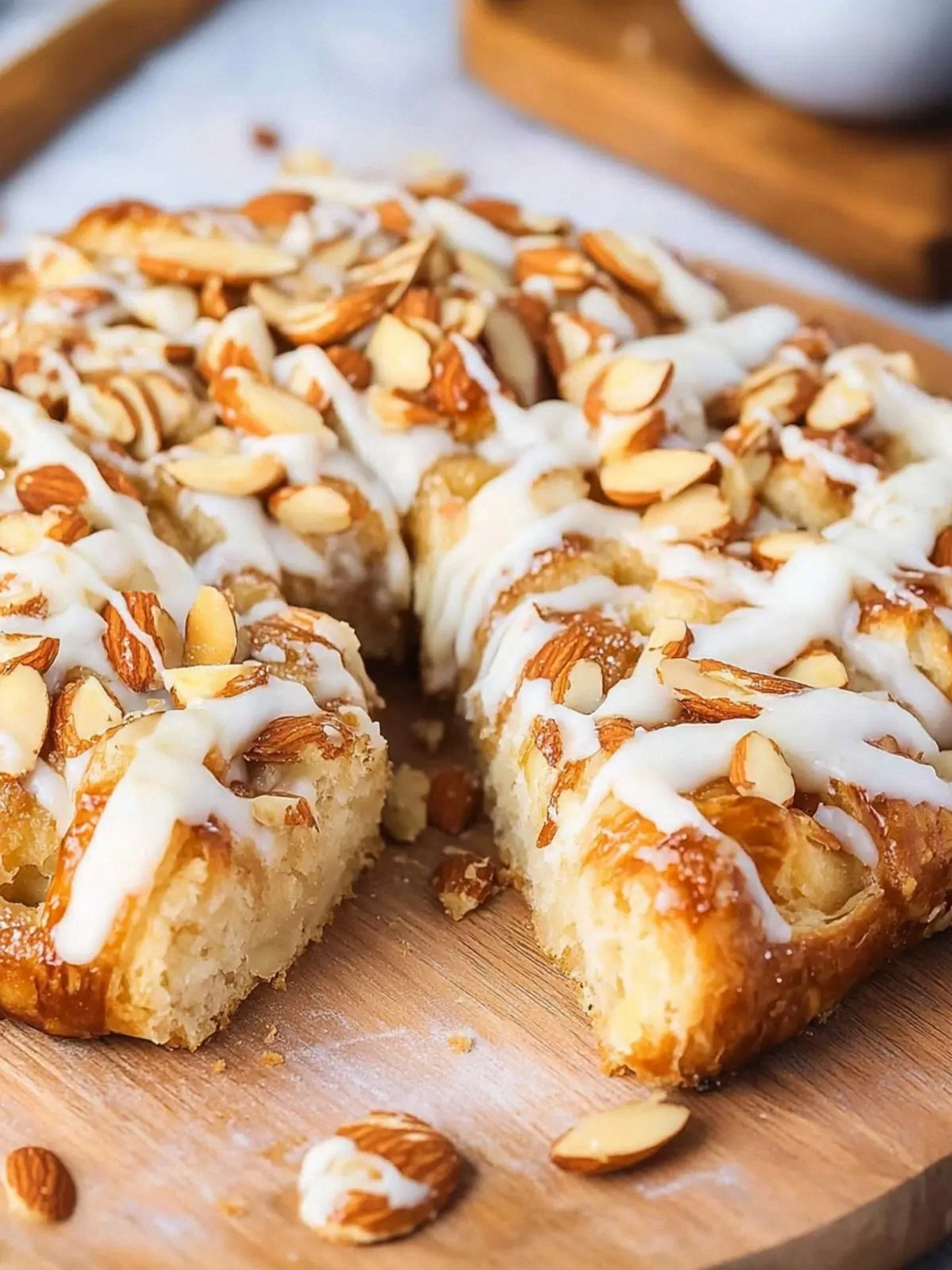
Picture yourself pulling this golden, flaky pastry from the oven, the kitchen smelling like a buttery almond dream. The crust is crisp enough to crack like thin ice, while the inside melts into a tender, custard-like center. Every bite is a dance of textures: the crunch of almonds, the softness of the dough, and the sweet glaze that coats your tongue like velvet. I dare you to taste this and not go back for seconds. It’s a flavor symphony that lingers long after the last crumb.
This version stands out because I tweaked every element: the dough, the almond infusion, the glaze, and even the way I fold the butter. I replaced the traditional butter with cold, unsalted butter to lock in moisture and create a flaky, layered structure. I added a splash of almond extract at two stages—once in the dough and once in the glaze—to amplify that nutty aroma. The result? A Kringle that is hands down the best version you'll ever make at home.
If you've ever struggled with getting a Kringle to rise, you're not alone—and I've got the fix. My secret lies in the precise temperature of the butter and the timing of the folding. The dough is a delicate balance of moisture and flour, and I’ve found that a brief chill in the fridge between folds gives it that buttery, airy texture. And the glaze—rich with powdered sugar, heavy cream, and almond extract—sets just right, giving the pastry a glossy finish that looks as good as it tastes.
Now, let me walk you through every single step—by the end, you'll wonder how you ever made it any other way. We’ll start with the dough, then the almond filling, the shaping, and finish with a glaze that’s practically a work of art. I’ll throw in some micro-challenges along the way: “I dare you to taste this and not go back for seconds.” And if you’re ready for the game-changer, stay with me. The next part? Pure magic.
What Makes This Version Stand Out
- Flavor: The almond extract is layered in both dough and glaze, creating a deep, nutty profile that outshines plain Kringles.
- Texture: Cold butter and a quick chill between folds produce a flaky, buttery crumb that melts in your mouth.
- Ease: The recipe uses only a handful of ingredients, yet the result feels gourmet.
- Versatility: It’s perfect for brunch, dessert, or a sweet snack at any time of day.
- Crowd Appeal: Guests rave about the crunch and the glossy finish, making it a conversation starter.
- Ingredient Quality: Using high‑grade almonds and fresh butter elevates the taste profile.
- Make‑Ahead Friendly: The dough can be prepared a day ahead and baked fresh when you’re ready.
- Visual Appeal: The golden crust and glossy glaze make for Instagram‑ready photos.
Alright, let's break down exactly what goes into this masterpiece…
Inside the Ingredient List
The Flavor Base
The foundation of this Kringle is a simple yet powerful combination of flour, salt, and butter. The flour provides structure, while the cold butter creates layers of flaky goodness. Salt balances the sweetness and brings out the nutty flavor of the almonds. If you skip the butter, the dough will be dense and flat, lacking that coveted buttery bite.
I recommend using all‑purpose flour with a moderate protein content (around 10–12%) to achieve that ideal crumb. If you’re a gluten‑free baker, a blend of rice flour and tapioca can mimic the texture, but the taste will differ slightly.
The Texture Crew
Ice water is the secret weapon that activates gluten without overworking the dough. It keeps the dough supple and prevents it from drying out. The heavy cream in the glaze adds richness and a silky mouthfeel that coats the pastry like velvet. A pinch of salt in the glaze prevents it from becoming cloyingly sweet.
If you forget the ice water, the dough will not rise properly and will be tough. A small substitution—cold milk—can work, but it changes the flavor profile subtly.
The Unexpected Star
Blanched slivered almonds are the star that gives the Kringle its signature crunch and nutty aroma. The blanching removes the skins, resulting in a smoother texture and brighter color. These almonds also absorb the almond extract, amplifying the nutty flavor throughout.
You can use whole almonds or chopped almonds if you prefer a more rustic bite. However, the slivered version offers a consistent crunch and a refined look.
The Final Flourish
The glaze, a blend of powdered sugar, heavy cream, almond extract, and a splash of vanilla, ties everything together. It adds a sweet, glossy finish that makes the Kringle look as good as it tastes. The glaze also seals the crust, keeping it crisp for longer.
If you skip the glaze, the Kringle will still be delicious, but it will lack the shine and the sweet counterpoint to the buttery dough. A light dusting of powdered sugar can substitute, but the depth of flavor will be diminished.
Everything's prepped? Good. Let's get into the real action…
The Method — Step by Step
- In a large bowl, whisk together 2.5 cups all‑purpose flour, 1 teaspoon salt, and 0.25 cup flour. The extra flour helps absorb moisture and gives the dough a light, airy texture. Make a well in the center and add the cold butter cut into small cubes. The butter should be cold enough to feel solid when you press it.
- Using a pastry cutter or your fingertips, cut the butter into the flour mixture until it resembles coarse crumbs. The mixture should look like sand with a few butter clumps. This process creates the flaky layers that will rise in the oven.
- Add 0.5 cup ice water slowly, one tablespoon at a time, mixing until the dough just comes together. The dough should be tacky but not sticky. If it’s too dry, add a splash more water; if too wet, add a pinch more flour.
- Shape the dough into a disk, wrap it in plastic, and chill for 30 minutes. Chilling stops the butter from melting and allows the gluten to relax. This step is crucial for achieving that buttery, flaky texture.
- In a separate bowl, combine 1 cup granulated sugar, 1 cup heavy cream, 1 teaspoon almond extract, 0.5 teaspoon vanilla extract, and 1 pinch salt. Whisk until the sugar dissolves and the mixture is smooth. This is your almond‑infused filling.
- Roll the chilled dough into a rectangle about 12x8 inches. Spoon the filling in a line across the center, leaving a 1-inch border. Fold the dough over the filling, sealing the edges with a fork or your fingertips. This creates a layered, pastry‑like structure.
- Place the Kringle on a parchment‑lined baking sheet and bake at 375°F (190°C) for 25-30 minutes, or until the crust is golden brown and the edges are pulling away. The aroma will fill your kitchen like a warm hug.
- While the Kringle cools, whisk 1 cup powdered sugar, 2.5 tablespoons milk or heavy cream, and 0.25 teaspoon almond extract until smooth. This glaze will be poured over the cooled pastry, giving it a glossy finish.
- Drizzle the glaze over the Kringle, allowing it to pool in the corners. The glaze will set into a sweet, buttery sheen. If you prefer a thicker glaze, add an extra tablespoon of cream.
- Slice and serve immediately, or let it cool completely before storing. The Kringle tastes best when the glaze is still slightly tacky. If you’re a fan of extra crunch, sprinkle a few slivered almonds on top before serving.
That's it — you did it. But hold on, I've got a few more tricks that'll take this to another level. These insider tips will help you avoid common pitfalls and elevate the flavor profile even further.
Insider Tricks for Flawless Results
The Temperature Rule Nobody Follows
Many bakers let the butter soften too early, which leads to a greasy dough. Keep the butter cold until the final fold, and the layers will stay distinct. I keep the butter in the fridge for 2 hours before starting, and I always test with a fingertip—if it’s still solid, you’re good.
Why Your Nose Knows Best
As the Kringle bakes, the almond aroma will intensify. Trust your nose—when the scent is rich and nutty, it’s a sign the crust is perfect. If the aroma is faint, give it a few more minutes; if it’s overpowering, check the oven temperature.
The 5-Minute Rest That Changes Everything
After removing the Kringle from the oven, let it rest on a wire rack for 5 minutes. This brief pause allows the steam to dissipate, keeping the crust crisp. It also lets the glaze set just right, preventing it from sliding off.
The Secret to a Glaze That Stays on Point
Add a splash of heavy cream to the glaze before drizzling. This keeps the glaze from running off the pastry. If you prefer a thicker glaze, whisk in a tablespoon of powdered sugar until the desired consistency is reached.
The Right Time to Slice
Slice the Kringle only after the glaze has set slightly. Cutting too early can cause the glaze to run, ruining the presentation. Use a sharp knife and a gentle sawing motion for clean slices.
Creative Twists and Variations
This recipe is a playground. Here are some of my favorite ways to switch things up:
Chocolate‑Covered Kringle
Dip half of the Kringle in melted dark chocolate before the glaze sets. The chocolate adds a bittersweet layer that complements the nutty flavor. Let it set on parchment before serving.
Citrus‑Infused Kringle
Add a teaspoon of orange zest to the glaze mixture for a bright, citrusy twist. The zest pairs beautifully with the almond and gives a fresh finish.
Salted Caramel Kringle
Swirl a tablespoon of salted caramel sauce into the glaze before pouring. The caramel adds a sweet, buttery depth, while the sea salt gives a delightful contrast.
Almond‑Honey Kringle
Replace half of the almond extract with honey. The honey brings a floral sweetness that balances the richness of the butter and the crunch of almonds.
Nut Mix Kringle
Swap out slivered almonds for a mix of chopped pecans and walnuts. This variation introduces different textures and nutty flavors, making each bite a new experience.
Gluten‑Free Kringle
Use a gluten‑free flour blend in place of all‑purpose flour. Keep the butter cold and follow the same folding technique. The texture will be slightly different but still delightful.
Storing and Bringing It Back to Life
Fridge Storage
Store the cooled Kringle in an airtight container at room temperature for up to 3 days. The crust will stay crisp, and the glaze will maintain its sheen. If you need to keep it longer, refrigerate.
Freezer Friendly
Wrap the Kringle tightly in plastic wrap, then place it in a freezer bag. Freeze for up to 2 months. Thaw in the refrigerator overnight before reheating.
Best Reheating Method
Reheat in a 350°F (175°C) oven for 5-7 minutes, or until the crust is crisp again. Add a tiny splash of water before reheating; it steams back to perfection, restoring the original moisture level.
Now that you have all the tools and knowledge, it’s time to bake. Let the dough rise, the almonds crunch, and the glaze shine. Trust the process, and your Kringle will become a staple in your baking repertoire.