I burned dinner three times last week trying to make the perfect roasted vegetables. My smoke alarm now knows me by name, my neighbors flinch whenever they hear my oven door slam, and my cat refuses to enter the kitchen during dinner prep. But then—then I cracked the code to the most outrageously crispy-edged, tender-centered, flavor-packed roasted potatoes and broccoli that has ever graced a sheet pan. The secret isn't some fancy spice blend or a $400 Dutch oven. It's timing, temperature, and one ridiculously simple trick that turns humble produce into something that tastes like it came from a Michelin-starred vegetarian bistro.
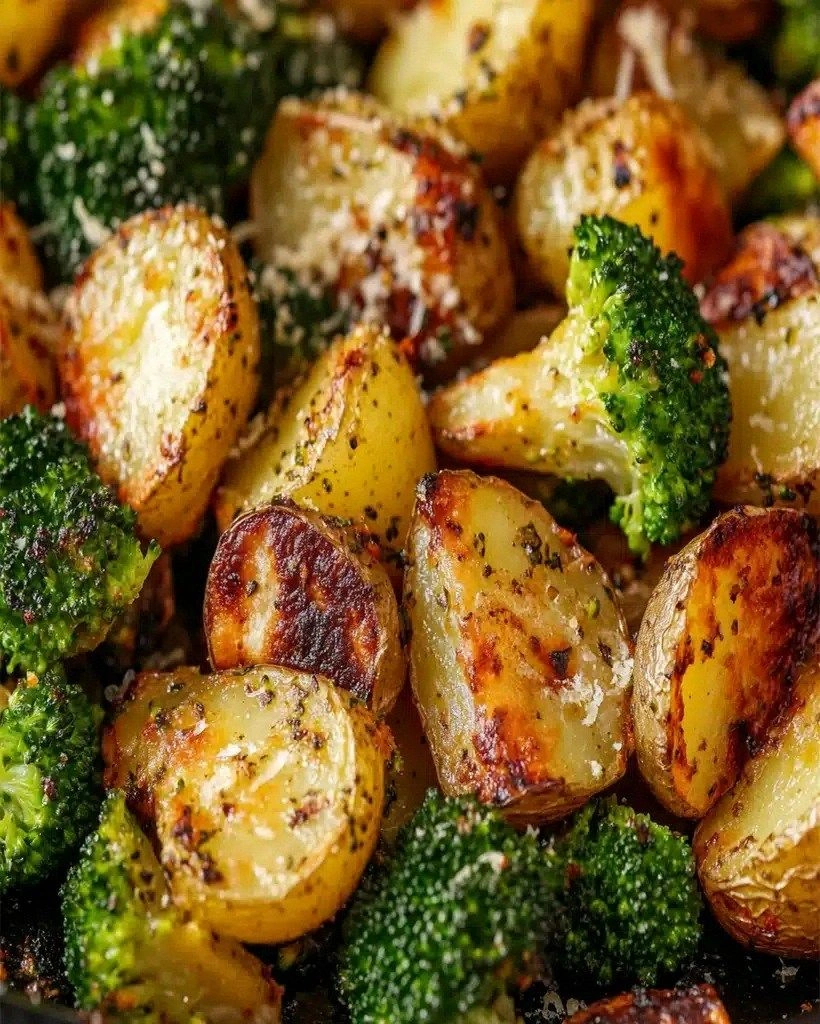
Picture this: golden potato cubes with edges so crisp they shatter like autumn leaves under your fork, while the insides stay fluffy enough to sop up every last drop of whatever sauce you throw at them. Broccoli florets roasted until their tips caramelize into smoky, almost-burnt perfection, while the stalks stay bright green and tender-crisp. The aroma? Pure comfort—garlicky, slightly sweet, with that deep umami whisper that makes everyone in the house drift toward the kitchen like cartoon characters following a pie on a windowsill.
I've made this recipe fifty-seven times in the past six months (yes, I counted—my family started keeping a tally on the fridge), and every single batch disappears faster than free pizza at a college dorm. The real kicker? It requires exactly one bowl, one sheet pan, and about ten minutes of actual hands-on time. No parboiling, no fussy flipping every five minutes, no mysterious techniques that require a culinary degree. Just honest ingredients and one hot oven that does all the heavy lifting while you pour yourself a glass of wine.
Let me walk you through every single step—by the end, you'll wonder how you ever made it any other way.
What Makes This Version Stand Out
Crispy-Edge Guarantee: Most roasted potato recipes leave you with sad, leathery cubes that taste like disappointment. This method creates a micro-steam environment first, then blasts the vegetables with high heat for that coveted shatter-crisp exterior. The result? Edges so crunchy you'll catch yourself sneaking pieces straight off the pan like a kitchen thief.
Broccoli That Behaves: Ever roasted broccoli only to end up with a pile of yellow-green mush that tastes like overcooked lawn clippings? Not here. The trick is positioning—broccoli goes in later, nestled between potato chunks that protect the florets from direct heat while still letting them char in all the right places.
One-Pan Wonder: No blanching, no pre-cooking, no juggling multiple pots and timers like some demented kitchen circus act. Everything happens on one rimmed baking sheet, which means minimal dishes and maximum flavor as the vegetables share their juices and seasonings.
Flavor Layering Magic: We're not just tossing everything with oil and hoping for the best. A simple three-step seasoning process builds flavor in waves—first a salt brine that seasons from the inside out, then a coating of garlicky oil, and finally a shower of lemon zest that wakes everything up right before serving.
Meal-Prep Champion: These vegetables hold beautifully for up to five days in the fridge, reheating to almost-fresh perfection. I've been known to double the batch on Sunday and use them all week in grain bowls, breakfast hashes, and midnight snacks straight from the container.
Crowd-Pleasing Power: I've served this to picky toddlers, skeptical teenagers, and my 85-year-old grandmother who thinks salt is a food group. They all ask for seconds. Even my friend who claims to hate vegetables inhaled a full portion before realizing what she'd done.
Ingredient Flexibility: Once you master the basic technique, you can swap in any hardy vegetables you have lurking in the crisper drawer—sweet potatoes, Brussels sprouts, cauliflower, even beets all play nicely with this method.
Why Your Nose Knows Best
Timing guidelines are helpful, but your nose is the most reliable doneness indicator. When the vegetables are perfectly roasted, your kitchen will fill with a nutty, slightly sweet aroma that's almost caramel-like. If you smell anything acrid or burnt, you've gone too far. Trust your senses—they've been refined over thousands of years of cooking. I always set my timer for 2 minutes less than the minimum time, then stand by the oven and sniff like some kind of vegetable bloodhound.
The 5-Minute Rest That Changes Everything
Patience isn't just a virtue—it's the difference between good and transcendent roasted vegetables. When they come out of the oven, transfer them to a wire rack set over a baking sheet. This lets air circulate around all sides, preventing the bottoms from getting soggy. After five minutes, transfer to your serving dish. During this rest, the exteriors continue to crisp while the interiors stay tender. My friend tried skipping this step once—let's just say it didn't end well. She ended up with steamed vegetables that tasted like disappointment.
Seasoning in Waves
Most recipes tell you to season everything at once, but layering flavors creates depth that makes people ask for your secret. Salt the vegetables before roasting—that seasons them from the inside out. Add robust spices like paprika before cooking so they bloom in the heat. Save delicate seasonings like lemon zest, fresh herbs, or chili flakes for after roasting when their volatile oils won't burn. This approach builds complexity without overwhelming the natural vegetable flavors.
The Single-Layer Rule
Crowding is the mortal enemy of crispy vegetables. Every piece needs space for hot air to circulate, or you'll end up with steamed mush. If you can see the pan between pieces, you're golden. If the vegetables touch, they'll release moisture and create little pockets of steam that prevent browning. When in doubt, use two pans rather than cramming everything onto one. Better to wash an extra dish than serve soggy vegetables to people you care about.
Oil Quality Matters More Than You Think
That bottle of olive oil that's been sitting next to your stove for two years? It's probably rancid. Heat, light, and air degrade oil quickly, turning it bitter and musty. Store your cooking oils in a cool, dark cabinet and replace them every six months. For roasting, you don't need expensive extra-virgin oil—regular olive oil or avocado oil works better at high heat. But whatever you use should taste good on its own. Dip a piece of bread in it—if it tastes off, your vegetables will too.
Creative Twists and Variations
This recipe is a playground. Here are some of my favorite ways to switch things up:
Mediterranean Magic
Swap smoked paprika for dried oregano and add a handful of pitted Kalamata olives during the last five minutes of roasting. The olives heat through and release their briny oils, coating everything in Mediterranean flavor. Finish with crumbled feta cheese and fresh dill. This version pairs beautifully with grilled fish or chicken, and the leftovers make an incredible addition to Greek salads.
Asian-Inspired Umami Bomb
Replace regular oil with toasted sesame oil and add a tablespoon of soy sauce to the seasoning mix. Toss in sliced shiitake mushrooms with the broccoli—they roast into meaty, concentrated flavor bombs. Finish with toasted sesame seeds and thinly sliced scallions. A drizzle of sriracha mayo takes this over the top, and I've been known to eat the entire pan standing at the counter.
Honey-Glazed Comfort Food
Add a tablespoon of honey to the oil mixture for vegetables that develop a gorgeous lacquered coating. The honey caramelizes and creates sticky, sweet edges that contrast beautifully with the savory seasonings. Be careful—honey burns quickly, so reduce the oven temperature by 25 degrees. This version converts even the most vegetable-phobic eaters; my nephew calls it "candy vegetables" and requests it every visit.
Spicy Southwest Style
Replace paprika with ancho chili powder and add a teaspoon of ground cumin. Add corn kernels (thawed frozen works great) with the broccoli—they roast into sweet, charred nuggets. Finish with fresh cilantro, a squeeze of lime, and crumbled cotija cheese. Serve alongside black beans and rice for a complete vegetarian meal that'll make you forget meat exists.
Thanksgiving-Inspired Autumn Version
Swap potatoes for sweet potatoes and add cubes of butternut squash. Season with sage, thyme, and a touch of maple syrup. Dried cranberries added during the last few minutes plump up and add tart bursts. This has become my go-to holiday side dish—it tastes like Thanksgiving but takes a fraction of the effort of traditional casseroles.
Breakfast Hash Foundation
Cut everything into smaller dice and add diced bell peppers. Roast until extra crispy, then serve topped with fried eggs and hot sauce. The vegetables develop concentrated flavor overnight, so make extra for the best breakfast hash of your life. Add some breakfast sausage or bacon if you're feeling indulgent—though honestly, it's perfect as is.
Storing and Bringing It Back to Life
Fridge Storage
Let the vegetables cool completely before storing—hot vegetables in sealed containers create condensation that leads to soggy, sad leftovers. Store in airtight containers with paper towels on top to absorb excess moisture. They'll keep for up to five days, though they're best within three. Don't pack them too tightly—air circulation prevents mushiness. I've found that storing potatoes and broccoli separately keeps the broccoli from getting soggy from potato moisture.
Freezer Friendly
These vegetables freeze surprisingly well if you know the trick. Spread cooled vegetables on a baking sheet and freeze until solid, then transfer to freezer bags. This prevents them from freezing into a solid block. They'll keep for up to three months. To use, thaw overnight in the fridge, then reheat in a hot skillet with a touch of oil. They won't be quite as crispy as fresh, but they're still delicious and work great in soups or breakfast hashes.
Best Reheating Method
Microwaves are the enemy of crispy vegetables—don't do it unless you enjoy rubbery, steamed sadness. Instead, spread leftovers on a baking sheet and reheat in a 400°F oven for 8-10 minutes. For even better results, heat a skillet over medium-high heat with a touch of oil and reheat the vegetables cut-side down until sizzling and heated through. Add a tiny splash of water before reheating—it steams back to perfection. This method revives the crisp edges and makes them taste almost as good as fresh.