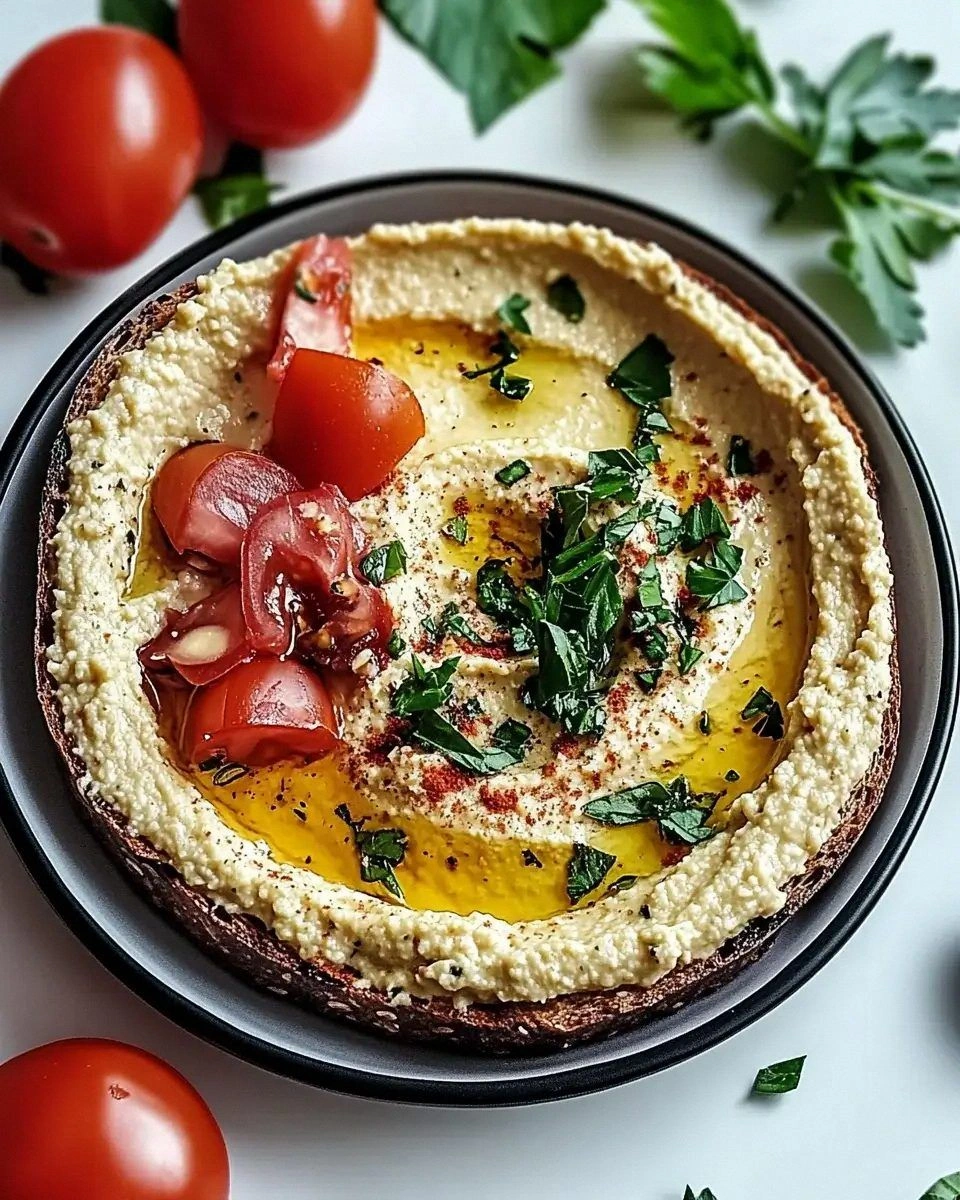
Picture this: it’s a lazy Sunday morning, the sunlight is spilling through the kitchen window, and you’ve just burned the last slice of toast in a frantic attempt to make something “quick.” I was standing there, staring at a charred slab that could double as a makeshift charcoal, when a friend dared me to reinvent the humble toast. I accepted the challenge, grabbed a tub of hummus, a sprinkle of za’atar, and set out on a culinary quest that would end with a dish so bold it could make a Mediterranean sunrise blush. That moment of disaster turned into the spark for what I now call the ultimate Mediterranean Hummus Toast with Za’atar to Ignite Flavor.
From the first bite, you’ll be hit with a symphony of textures: the crunchy, golden edges of whole grain bread, the creamy, buttery hum of hummus, and the fragrant, earthy crunch of za’atar that dances on your tongue like a desert breeze. The aroma alone—nutty toasted bread mingling with the herbal perfume of thyme, sumac, and sesame—will have your nostrils doing a little happy dance. You’ll hear the satisfying snap of the crust as you bite, feel the cool crunch of cucumber against the warm toast, and taste the bright, juicy burst of tomato that balances the salty feta. It’s a full‑sensory experience that feels like a mini‑vacation to the coast of Israel without leaving your kitchen.
What makes this version stand out from the sea of hummus‑on‑toast recipes? Most people slap a dollop of hummus on a slice of bread and call it a day, missing the magic that happens when you add a touch of heat, a drizzle of olive oil, and a sprinkle of za’atar that brings the whole thing to life. I’ve refined every element to ensure you get a perfect balance of flavor, texture, and visual appeal. The secret? A quick toast‑and‑turn technique that creates a crisp crust while keeping the interior tender, plus a finishing drizzle of olive oil that locks in moisture and adds a glossy finish. And yes, there’s a surprise ingredient that adds a subtle tang you won’t see coming.
So, are you ready to transform a simple piece of bread into a masterpiece that will have your friends begging for the recipe? I dare you to taste this and not go back for seconds. Let me walk you through every single step — by the end, you’ll wonder how you ever made it any other way.
What Makes This Version Stand Out
- Flavor Explosion: The za’atar seasoning infuses the toast with a smoky‑herbaceous punch that elevates the blandness of plain hummus into something unforgettable.
- Texture Harmony: A crisp, golden crust meets a silky hummus spread, while fresh cucumber and tomato add a juicy crunch that keeps every bite interesting.
- Simplicity Meets Sophistication: Only ten ingredients, yet each one is treated with the respect of a five‑star chef, making the dish feel upscale without the fuss.
- Ingredient Quality: Using a high‑quality, stone‑ground whole grain bread and a premium, creamy hummus ensures the base is sturdy enough to hold the toppings without sogging.
- Crowd‑Pleaser Factor: Even the pickiest eaters fall in love with the combination of salty feta, tangy veggies, and the exotic aroma of za’atar.
- Make‑Ahead Magic: Prep the hummus spread and chop the veggies the night before; the final assembly takes less than five minutes.
- Versatile Serving: Perfect for breakfast, a light lunch, or an elegant appetizer at a dinner party—its versatility is part of its charm.
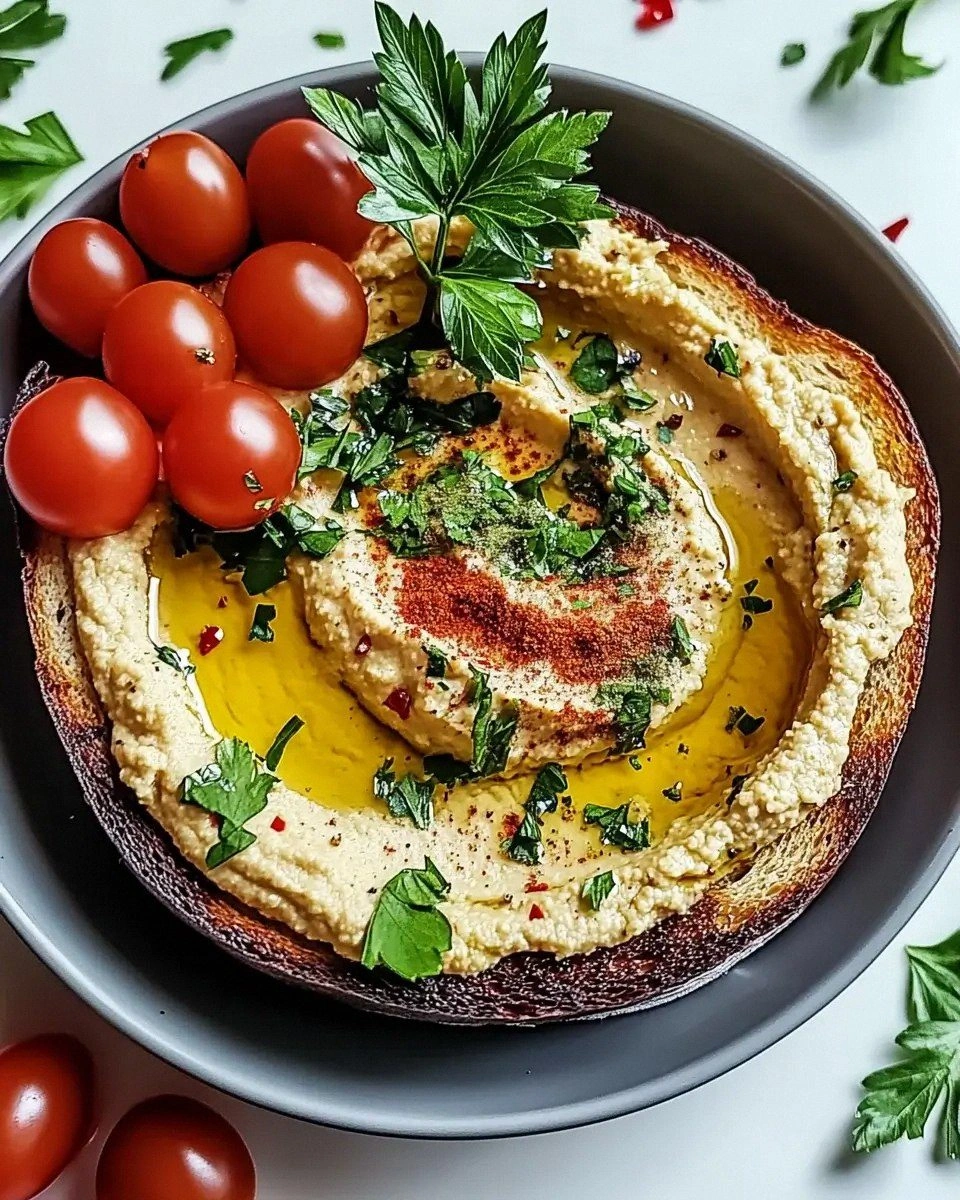
- Visual Wow‑Factor: The vibrant reds and greens against the golden toast create a picture‑perfect plate that’s Instagram‑ready.
Inside the Ingredient List
The Flavor Base
Hummus (1 cup): This is the creamy canvas that carries the za’atar’s aromatic notes. A good hummus should be silky, not grainy, and have a subtle lemon brightness. Skipping it would leave the toast dry and bland; you could substitute with a thick Greek yogurt for a tangier twist, but you’d lose the earthy chickpea depth.
Za’atar (2 teaspoons): The star of the show, za’atar blends thyme, oregano, sumac, and toasted sesame seeds. It adds a citrusy tang, a nutty crunch, and a hint of earthiness. If you can’t find authentic za’atar, blend dried thyme, sesame seeds, sumac, and a pinch of sea salt as a quick fix.
The Texture Crew
Whole Grain Bread (4 slices): The sturdy, nutty flavor of whole grain provides a hearty foundation. Look for bread with a dense crumb and a crust that can stand up to the toppings without wilting. If you use a soft white loaf, the toast will become soggy within minutes.
Olive Oil (2 tablespoons): Drizzling olive oil before the final bake adds a glossy sheen and enriches the flavor. It also helps the za’atar adhere to the surface. Opt for extra‑virgin olive oil for the best fruitiness; a lower‑grade oil will taste flat.
The Fresh Burst
Cucumber (1 medium): Thinly sliced cucumber adds a cool, crisp contrast to the warm toast. Choose a firm cucumber with firm skin—if it’s soft, it will release water and make the hummus runny. You can swap in jicama for an extra crunch.
Tomato (1 medium): A ripe tomato brings juicy acidity that cuts through the richness of hummus and feta. If you’re out of fresh tomatoes, sun‑dried tomatoes (rehydrated) can provide a concentrated flavor punch.
Red Onion (1/4): The sharp bite of red onion adds a subtle bite that balances the mellow hummus. If raw onion is too pungent for you, quick‑pickle it in lemon juice for 10 minutes to mellow the flavor.
The Final Flourish
Feta Cheese (1/4 cup crumbled): Salty, tangy feta adds a briny finish that elevates the entire dish. Crumble it just before serving for a crumbly texture that melts slightly into the warm toast. For a dairy‑free version, try a crumble of toasted almond feta.
Fresh Parsley (garnish): A handful of chopped parsley adds a bright green pop and a fresh herbaceous note that ties the flavors together. Don’t skimp—parsley’s slight peppery edge is essential.
Salt and Pepper (to taste): Simple seasoning that brings out the natural flavors of each component. Remember, feta is already salty, so season conservatively.
Everything's prepped? Good. Let’s get into the real action…
The Method — Step by Step
Preheat a heavy‑bottom skillet or cast‑iron pan over medium‑high heat. While it warms, drizzle a thin layer of olive oil on one side of each bread slice. This oil will help create that coveted golden crust. When the pan sizzles, place the oiled side down and let it toast for about 2 minutes, watching the edges turn a deep amber.
Flip the slices and immediately spread a generous ¼ cup of hummus on each toasted side. The heat from the pan will gently warm the hummus, making it spread like velvet. Power transition: this is the moment of truth—if the hummus stays cool, you’ve missed the magic.
Sprinkle ½ teaspoon of za’atar evenly over each hummus‑covered slice. The fragrant herbs will begin to release their aroma, filling the kitchen with a scent that’s both earthy and citrusy.
Kitchen Hack: Lightly toast the za’atar in a dry pan for 30 seconds before sprinkling—it intensifies the nutty flavor.Top each slice with thin cucumber rounds, tomato slices, and a few slivers of red onion. Arrange them in a single layer so each bite gets a balanced bite of veggies. If you’re feeling adventurous, add a few capers for a briny pop.
Scatter the crumbled feta over the vegetables, allowing the cheese to melt just a touch from the residual heat. The feta should remain slightly crumbly, not fully melted—this texture contrast is essential.
Drizzle the remaining tablespoon of olive oil over the assembled toasts, then season lightly with salt and freshly cracked black pepper. The oil adds a glossy finish and helps the flavors meld together.
Return the pan to the stove, lower the heat to medium, and cover the pan with a lid for 2‑3 minutes. This gentle steam helps the toppings warm through without over‑crisping the bread.
Watch Out: Don’t leave the lid on too long or the bread will become soggy; keep a close eye on the steam.Remove the lid, give each toast a final sprinkle of za’atar for an extra flavor punch, and garnish with a handful of fresh parsley. The parsley’s bright green hue adds a visual pop that makes the dish look restaurant‑quality.
Slide the toasts onto a serving platter, let them cool for a minute (the hummus will set just enough to hold the toppings), and then serve immediately. Picture yourself pulling this out of the pan, the whole kitchen smelling incredible… I’ll be honest — I ate half the batch before anyone else got to try it.
That’s it — you did it. But hold on, I’ve got a few more tricks that’ll take this to another level…
Insider Tricks for Flawless Results
The Temperature Rule Nobody Follows
Most home cooks think “high heat = crisp,” but with toast you actually want a medium‑high start followed by a lower finish. Starting too hot will scorch the bread before the hummus warms, while a gentle finish ensures the toppings stay fresh. I once tried blasting the toast on high, and the result was a burnt crust with a cold, clumpy hummus center—yikes. Keep the heat steady, and you’ll get that perfect snap without bitterness.
Why Your Nose Knows Best
Before you even look at the toast, trust your sense of smell. When the za’atar starts to release its fragrance (about 30 seconds after sprinkling), that’s your cue to flip the pan and finish the cooking. If you wait too long, the herbs will lose their punch and become dull. A quick sniff tells you the flavors are at their peak.
The 5‑Minute Rest That Changes Everything
After you pull the toast from the pan, let it rest for exactly five minutes. This short pause lets the hummus firm up just enough to hold the veggies without sliding off. It also allows the olive oil to re‑absorb into the bread, creating a buttery mouthfeel. Skipping this step results in a soggy mess—trust me, I’ve learned that the hard way.
Seasoning Layering Mastery
Season each component individually: a pinch of salt on the cucumber, a dash of pepper on the tomato, and a light sprinkle on the hummus. This layered seasoning ensures every bite is balanced. One common mistake is to only season the final dish, which leaves the vegetables tasting flat.
Toast‑And‑Turn Technique
Here’s the game‑changer: toast one side, spread hummus, then toast the other side just enough to crisp the edges. This “toast‑and‑turn” method creates a crunchy exterior while keeping the interior moist. If you try to toast both sides first, the hummus will never warm through, and the texture suffers.
Creative Twists and Variations
This recipe is a playground. Here are some of my favorite ways to switch things up:
Spicy Sriracha Swirl
Mix a teaspoon of sriracha into the hummus before spreading. The heat pairs beautifully with the earthy za’atar, creating a sweet‑heat balance that’s perfect for spice lovers.
Avocado Dream
Swap half the hummus for mashed ripe avocado, seasoned with lemon juice and a pinch of salt. The creamy avocado adds a buttery richness that makes the toast even more indulgent.
Smoked Salmon Deluxe
Top the toast with thin slices of smoked salmon, a dollop of crème fraîche, and a sprinkle of capers. This turns the dish into a sophisticated brunch option that feels luxurious.
Roasted Red Pepper & Goat Cheese
Replace the cucumber with roasted red pepper strips and swap feta for tangy goat cheese. The smoky peppers and creamy goat create a Mediterranean‑Mediterranean fusion that’s unforgettable.
Vegan Power
Use a plant‑based feta alternative and ensure the hummus is made without tahini (or use a tahini‑free version). The result is a completely vegan toast that still packs all the flavor punches.
Herb‑Infused Olive Oil Drizzle
Blend a teaspoon of fresh rosemary or thyme into the olive oil before drizzling. This adds an extra layer of herbaceous aroma that complements the za’atar perfectly.
Storing and Bringing It Back to Life
Fridge Storage
Place any leftover toasted slices in an airtight container with a paper towel to absorb excess moisture. They’ll stay crisp for up to 2 days. Keep the hummus and fresh veggies separate to prevent sogginess.
Freezer Friendly
Wrap each toasted slice tightly in foil, then place them in a zip‑top freezer bag. They’ll freeze well for up to 1 month. When you’re ready to eat, reheat directly from frozen—no need to thaw.
Best Reheating Method
Preheat a skillet over medium heat, add a splash—just a tiny drizzle—of water to the pan, and cover for 30 seconds. The steam revives the crust while keeping the hummus creamy. Alternatively, a quick 2‑minute blast in a 375°F oven works wonders.