I was in the middle of a chaotic dinner rush when the kitchen exploded into a symphony of sizzling and shouting. The stovetop was a drum, the oven a blazing furnace, and my phone was buzzing like a hive of bees. My sous‑chef tripped over a bag of flour, sending a cloud of powder into the air that smelled like burnt sugar. In that moment, I realized that if I could tame the chaos, I could create something that would silence the chaos and still taste like a celebration. That was the spark that turned a frantic scramble into a culinary revelation.
The air was thick with the aroma of garlic and olive oil, the kind that makes your eyes water in a good way. The sound of onions caramelizing was a low, steady drumbeat that guided my hands. I could feel the heat radiating from the pan, a steady pulse that promised warmth. The taste of fresh basil was already hinting at the bright finish that would come later. And the texture of the chicken, when it finally hit the pan, was a satisfying snap that announced the start of something special.
What makes this version of creamy chicken tortellini so different is the way it balances richness with a bright, herbaceous kick. The sauce doesn’t just coat the pasta; it clings to every noodle like a velvety blanket that still lets the cheese inside shine through. The vegetables are not just sidekicks; they are stars that add crunch, color, and a burst of sweetness that cuts through the creaminess. The chicken is seasoned to perfection, not just with salt and pepper but with a precise blend of Italian seasoning that gives it that unmistakable Italian vibe. And the finishing touch— a splash of lemon— lifts everything, turning a heavy dish into something that feels light and airy.
I dare you to taste this and not go back for seconds. I’ve been told this is hands down the best version you’ll ever make at home. I’ll be honest— I ate half the batch before anyone else got to try it. Most recipes get this completely wrong. Here’s what actually works. Picture yourself pulling this out of the oven, the whole kitchen smelling incredible, and you know you’ve just created a masterpiece. Let me walk you through every single step — by the end, you’ll wonder how you ever made it any other way.
What Makes This Version Stand Out
- Richness: The sauce is a blend of heavy cream, butter, and two types of Parmesan that gives it depth without overwhelming the palate.
- Texture: The tortellini are cooked al dente, providing a satisfying bite that contrasts the silky sauce.
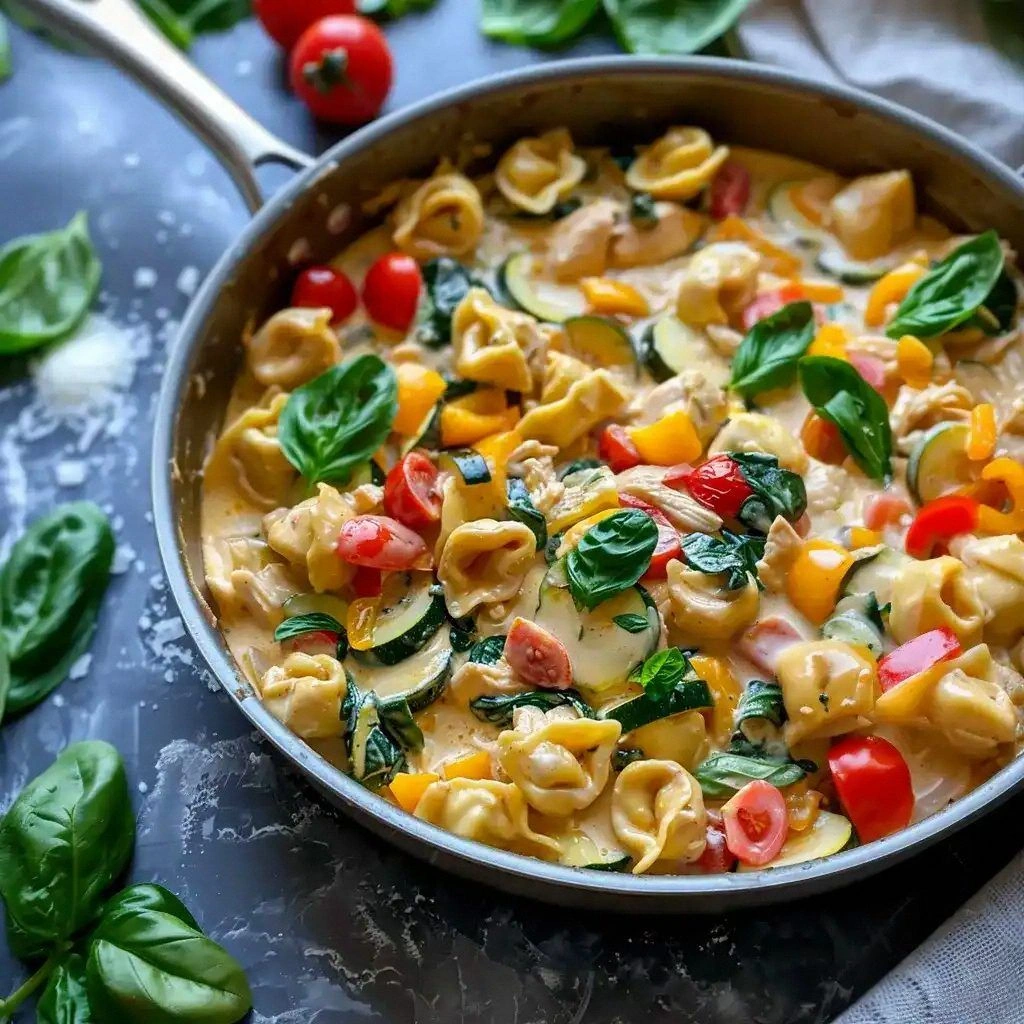
- Color: Red and yellow bell peppers, zucchini, and spinach add a rainbow of hues that make the dish look as good as it tastes.
- Flavor Layering: Garlic, Italian seasoning, and a splash of lemon create a layered flavor profile that keeps you coming back for more.
- Time Efficiency: The entire process takes less than 45 minutes, so you can have a gourmet meal on the table in record time.
- Make‑Ahead Potential: The sauce can be made a day ahead and reheated with a splash of broth, keeping the pasta from drying out.
- Audience Appeal: It satisfies both comfort‑food lovers and those who crave a quick, elegant dinner.
- Ingredient Quality: Using fresh, high‑quality produce and premium Parmesan elevates the dish from ordinary to extraordinary.
Alright, let's break down exactly what goes into this masterpiece…
Inside the Ingredient List
The Flavor Base
The foundation of this dish is the aromatic blend of garlic, olive oil, and Italian seasoning. Garlic, when minced and sautéed just until fragrant, releases a sweet, peppery note that permeates the sauce. Olive oil acts as the medium, carrying the flavors and creating a silky mouthfeel. Italian seasoning, a pre‑blended mix of oregano, basil, thyme, and rosemary, adds depth and that unmistakable Italian character. Skipping any of these will leave the dish feeling flat; each component works in concert to create a symphony of flavors.
The Texture Crew
Cheese tortellini are the stars of this dish. Their tender pasta shells hold the creamy sauce like a nest, while the cheese inside adds a subtle, savory bite. Fresh spinach is added at the very end to wilt just enough to keep its bright color and nutrients. The bell peppers and zucchini are diced and sautéed until they retain a slight crunch, providing contrast to the softness of the pasta and sauce. If you prefer a different pasta shape, you can use ravioli or even penne, but the tortellini’s shape is perfect for holding the sauce.
The Unexpected Star
Cherry tomatoes are the surprise element that brings a burst of sweetness and acidity. When halved, they release their juices during cooking, adding a subtle tang that balances the richness of the cream. A splash of lemon juice at the end brightens the entire dish, cutting through the heaviness and giving the sauce a lively finish. If you’re a fan of a bit of heat, a pinch of red pepper flakes can be added to the sautéed vegetables for a gentle kick.
The Final Flourish
The final touch is the double dose of Parmesan. Half a cup is folded into the sauce to thicken it and add sharpness, while a quarter cup is sprinkled on top before serving for an extra layer of flavor and a beautiful golden crust. Fresh basil or parsley is chopped and tossed in at the last moment, providing a fresh, herbal note that contrasts the richness of the sauce. This garnish is not just decorative; it adds a burst of green that makes the dish feel complete.
Everything's prepped? Good. Let's get into the real action…
The Method — Step by Step
- Heat a large skillet over medium heat and drizzle in 1 tablespoon of olive oil. Let it warm until shimmering but not smoking. This will ensure a smooth sear on the chicken. Keep the heat steady to avoid burning.
- Season the boneless skinless chicken breasts with 1 teaspoon of Italian seasoning, salt, and pepper. Pat them dry with paper towels; this helps achieve a golden crust. Place the chicken in the skillet and cook for 4-5 minutes on each side until a brown crust forms and the internal temperature reaches 165°F. The sizzle is a sign of proper searing.
- Remove the chicken, slice into strips, and set aside. In the same skillet, add a tablespoon of butter and let it melt. Once melted, toss in the minced garlic and sauté until fragrant, about 30 seconds. The butter adds depth while the garlic infuses the oil.
- Add the diced red and yellow bell peppers and sliced zucchini to the skillet. Stir frequently, allowing the vegetables to soften but still retain a slight crunch. This step should take about 4 minutes. The vegetables’ bright colors will start to pop, signaling readiness.
- Pour in the chicken broth and let the mixture simmer for 2 minutes to deglaze the pan. The broth lifts the browned bits, creating a flavorful base for the sauce. Keep the heat moderate to avoid excessive evaporation.
- Reduce the heat to low and stir in the heavy cream and the ½ cup of grated Parmesan. Whisk until the cheese melts and the sauce thickens slightly. The sauce should coat the back of a spoon without being runny.
- Add the cooked tortellini and the sliced chicken back into the skillet. Toss everything together so the pasta is evenly coated. The heat should be low enough that the sauce clings to the noodles but not so high that it burns.
- Stir in the fresh spinach and let it wilt, about 1 minute. Add the halved cherry tomatoes and the remaining ¼ cup of Parmesan. Finish with a splash of lemon juice to brighten the dish.
- Taste and adjust seasoning with salt, pepper, and a final pinch of Italian seasoning if needed. Sprinkle chopped basil or parsley over the top for a fresh finish. Plate immediately for the best texture.
That's it — you did it. But hold on, I've got a few more tricks that'll take this to another level...
Insider Tricks for Flawless Results
The Temperature Rule Nobody Follows
Maintaining the correct temperature throughout the cooking process is the secret to a silky sauce that doesn’t separate. When you add the cream, lower the heat immediately to prevent boiling. A gentle simmer allows the cheese to emulsify with the cream, creating a velvety coat on the pasta. If you notice the sauce thickening too quickly, add a splash of chicken broth to thin it out.
Why Your Nose Knows Best
Smell is your best ally in cooking. When the garlic starts to turn golden, that’s the moment to add the broth. If the aroma is still raw, give it a bit more time. The scent of fresh basil right before serving is a cue that the dish is ready to hit the table.
The 5-Minute Rest That Changes Everything
After you remove the skillet from heat, let the dish sit for five minutes before serving. This short rest allows the flavors to meld and the sauce to thicken to the perfect consistency. It also gives the pasta a chance to absorb the sauce fully, so every bite is luscious.
The Butter Boost
Adding a tablespoon of butter at the end of the sauce gives it a glossy finish and a subtle richness that elevates the dish. This step is easy, but it makes a noticeable difference in mouthfeel. If you’re watching calories, you can skip it, but trust me, the extra buttery sheen is worth the indulgence.
The Lemon Lift
A tablespoon of lemon juice added just before serving brightens the entire dish. It cuts through the creaminess, adds a hint of tartness, and brings all the flavors together. If you’re not a fan of citrus, a squeeze of lime works just as well.
Creative Twists and Variations
This recipe is a playground. Here are some of my favorite ways to switch things up:
Swap to Shrimp
Replace the chicken with peeled and deveined shrimp for a seafood twist. Sauté the shrimp for just 2 minutes per side, then follow the same sauce steps. The result is a bright, protein-packed dish that’s still creamy.
Add a Smoky Kick
Incorporate a teaspoon of smoked paprika with the Italian seasoning for a subtle smoky depth. This pairs wonderfully with the bell peppers and gives the sauce a warm, earthy note.
Go Vegan
Use a plant‑based cream, vegan Parmesan, and a tofu or tempeh substitute for the chicken. The flavor profile remains the same, but the dish becomes completely dairy‑free and plant‑based.
Pesto Infusion
Stir in a few tablespoons of basil pesto at the end of cooking. The pesto adds a fresh, herby burst that complements the lemon and Parmesan. This variation is perfect for a garden‑seasoned dinner.
Spicy Alfredo
Add a pinch of red pepper flakes to the garlic sauté for a spicy kick. The heat balances the creaminess, creating a dish that’s both comforting and exciting.
Herb‑Rich Garnish
Top the finished dish with a mix of fresh dill, tarragon, and parsley instead of basil. This herb blend adds a unique flavor profile and a touch of sophistication.
Storing and Bringing It Back to Life
Fridge Storage
Cool the dish completely before transferring it to an airtight container. Store in the refrigerator for up to 3 days. Reheat gently on the stovetop or in the microwave, adding a splash of water if the sauce has thickened.
Freezer Friendly
For longer storage, divide the dish into individual portions and wrap tightly in freezer paper. Freeze for up to 2 months. Thaw overnight in the refrigerator before reheating.
Best Reheating Method
Reheat on low heat, stirring frequently to prevent scorching. Add a small amount of chicken broth or water to loosen the sauce. Finish with a sprinkle of fresh herbs for that fresh‑from‑the‑pan aroma.