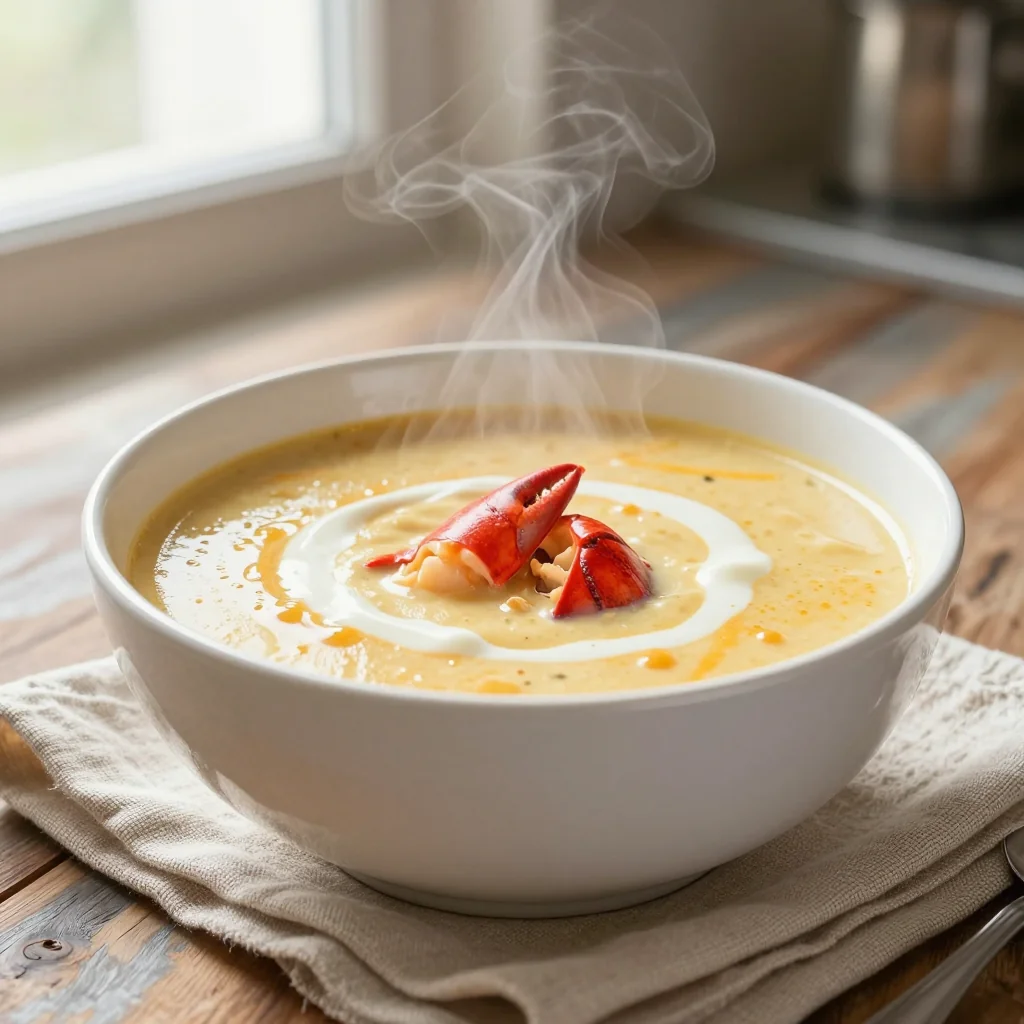
A velvety, luxurious seafood soup that brings the taste of the coast to your table.
I still remember the first time I tasted a perfect lobster bisque on a breezy summer evening in a tiny seaside bistro on the French Riviera. The broth was a deep, ruby‑red hue, its aroma mingling the sweet scent of lobster with a whisper of smoked paprika, and each spoonful felt like a warm hug from the ocean itself. That memory sparked a lifelong love affair with seafood soups, and over the years I’ve refined the technique until I could recreate that magic in my own kitchen.
Lobster bisque has its roots in classic French cuisine, where it was originally a way for chefs to honor the bounty of the sea while making the most of every part of the lobster. The dish has travelled the world, evolving into a luxurious starter in fine‑dining restaurants and a comforting home‑cooked meal for families who crave something special.
In this guide you’ll learn how to build a rich, silky bisque from scratch, why each step matters, and how to balance the flavors so that the lobster shines without being overwhelmed. I’ll share the science behind thickening a bisque, the secret to a perfectly glossy finish, and the little tricks that turn an ordinary soup into a show‑stopping centerpiece.
I’m thrilled to walk you through every detail, from selecting the freshest lobster shells to plating the final bowl with a garnish that adds a pop of color and texture. Let’s dive in and create a bowl of pure indulgence together.
🌟 Why You’ll Love This Recipe
This lobster bisque blends tradition with modern convenience, delivering a restaurant‑quality experience without the need for a professional kitchen.
- ✨ Unmatched Depth of Flavor: The homemade lobster stock extracts every nuance of the shell, creating a broth that’s richer than any store‑bought alternative.
- ✨ Silky, Velvety Texture: A careful roux and a slow simmer produce a luxurious mouthfeel that feels like pure comfort.
- ✨ Simple Yet Impressive: Even novice cooks can master the technique with clear steps, making it perfect for dinner parties.
- ✨ Flexible Base: The bisque can be adapted with shrimp, crab, or even a plant‑based broth for pescatarian or vegetarian versions.
- ✨ Nutrient‑Rich: Lobster provides high‑quality protein and essential minerals while the cream adds healthy fats for satiety.
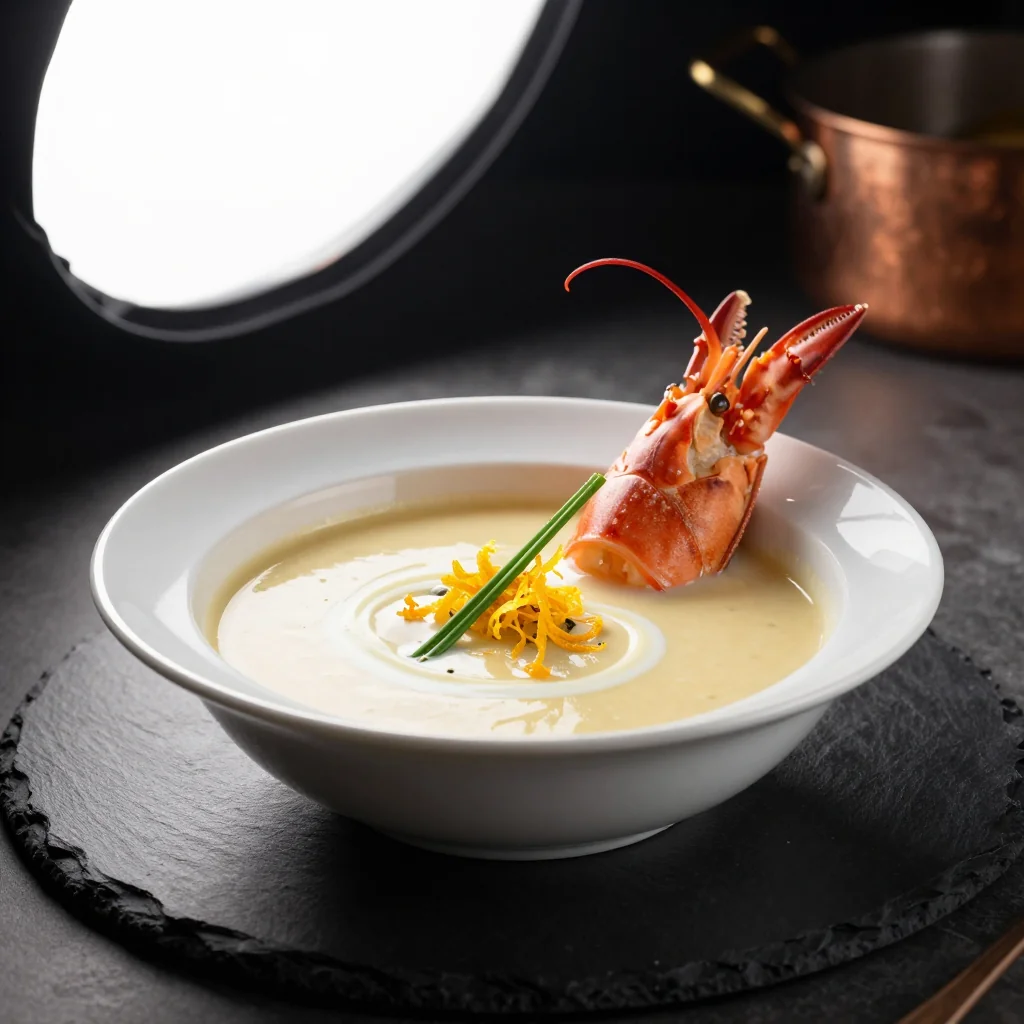
- ✨ Beautiful Presentation: A swirl of cream, a sprinkle of chives, and a dusting of smoked paprika turn each bowl into a visual masterpiece.
🥗 Ingredients
📝 Complete Ingredient List
For the Lobster Stock
For the Bisque Base
For the Garnish
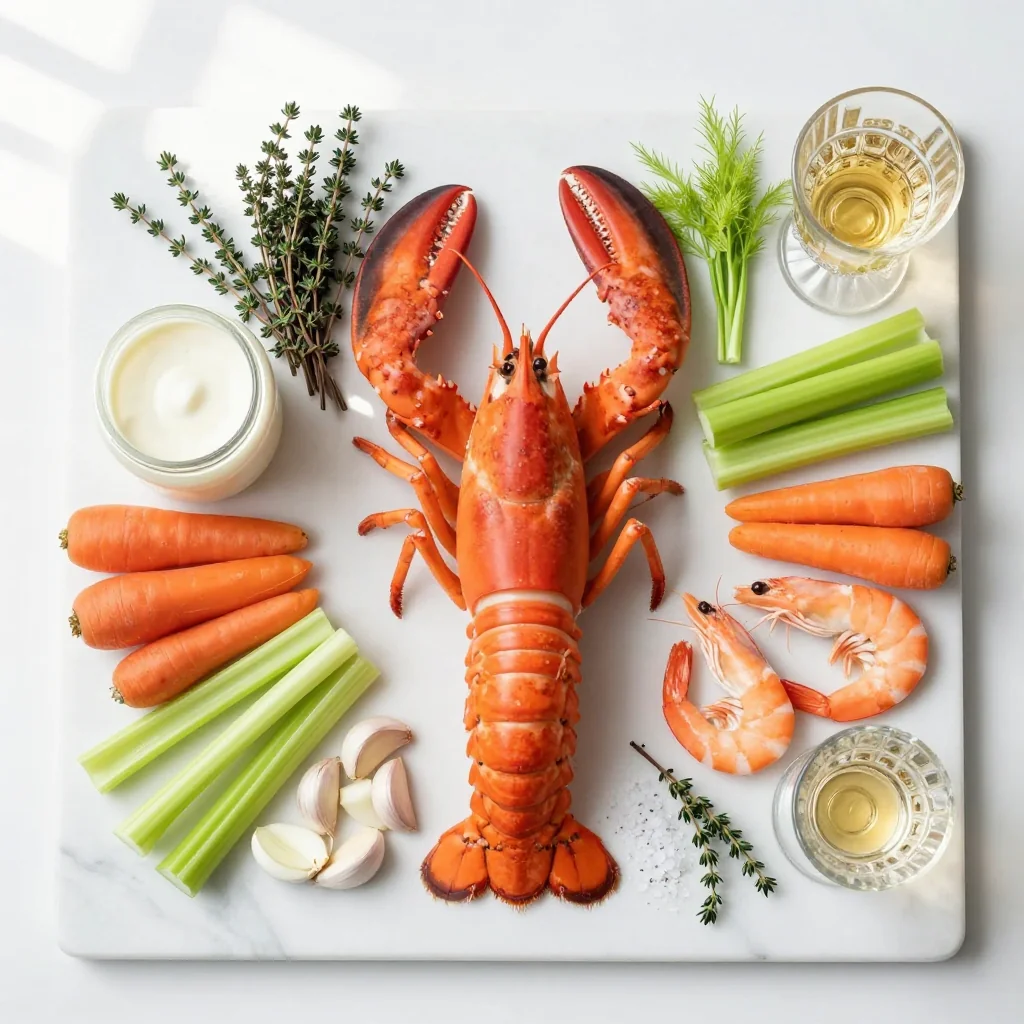
🔍 Ingredient Highlights
Lobster Shells
The shells are the heart of the stock. Their natural oils and chitin release a deep, briny flavor when simmered slowly. Choose shells from a fresh lobster; the brighter the color, the richer the broth. If you can’t find fresh shells, frozen shells work well—just thaw them completely before using.
Heavy Cream
Cream adds body and a silkiness that balances the acidity of the wine. Opt for a high‑fat cream (at least 35% milkfat) for the best mouthfeel. If you prefer a lighter version, you can substitute half‑and‑half, but the texture will be slightly less luxurious.
Paprika & Cayenne
Smoked paprika gives a subtle earthiness while cayenne adds a gentle heat that lifts the broth without overpowering the delicate lobster flavor. Adjust the cayenne to your heat tolerance; a pinch is enough for most palates.
🔄 Quick Substitutions
| Ingredient | Alternative |
|---|---|
| Lobster shells | Fish bones or shrimp shells |
| Heavy cream | Coconut cream (for dairy‑free) |
| Dry white wine | Chicken broth with a splash of lemon |
👨🍳 Step‑by‑Step Instructions
Follow these detailed steps to create a perfectly balanced lobster bisque that will impress any guest.
📋 Phase 1: Stock Preparation
Begin by extracting the deep flavors from the lobster shells.
Roast the shells
Preheat your oven to 400°F (200°C). Spread the lobster shells on a rimmed baking sheet, drizzle lightly with olive oil, and roast for 15‑20 minutes until they turn a deep caramel color. This caramelization intensifies the flavor of the stock.
Simmer the stock
Transfer the roasted shells to a large stockpot. Add the diced carrot, celery, onion, garlic, bay leaf, peppercorns, and water. Bring to a gentle boil, then reduce to a low simmer. Skim any foam that rises to the surface and let it cook uncovered for 45‑60 minutes, stirring occasionally.
Strain the stock
Once the stock is aromatic and amber, strain it through a fine‑mesh sieve into a clean container. Discard the solids. For an extra‑clear broth, press the solids gently with the back of a spoon to extract every last drop.
🔥 Phase 2: Bisque Creation
Build the creamy base that gives the bisque its signature silkiness.
Make a roux
In a heavy‑bottomed saucepan, melt the butter over medium heat. Add the flour and whisk continuously for 2‑3 minutes until it turns a light golden hue. This roux will thicken the bisque without leaving a raw flour taste.
Deglaze with wine
Slowly pour the dry white wine into the roux while whisking. The mixture will bubble; keep whisking until the wine is fully incorporated and the sauce looks smooth.
Add lobster stock and seasonings
Gradually whisk in the strained lobster stock, followed by the paprika and cayenne. Bring the mixture to a gentle simmer, allowing it to thicken for about 10 minutes. Taste and adjust salt and pepper as needed.
Finish with cream
Reduce the heat to low and stir in the heavy cream. Cook for an additional 2‑3 minutes, ensuring the bisque does not boil again, which could cause the cream to curdle.
✨ Phase 3: Garnish and Serve
Add the final touches that make this soup unforgettable.
Blend for smoothness
Using an immersion blender, puree the bisque until completely smooth. If you prefer an ultra‑silky texture, pass the soup through a fine sieve after blending.
Prepare the garnish
Toss the chopped lobster tail meat with a splash of lemon juice and a pinch of smoked paprika. This adds a fresh pop of flavor and a vibrant color contrast.
Plate and serve
Ladle the hot bisque into warmed bowls. Top each serving with a spoonful of the lobster garnish, a drizzle of cream, and a sprinkle of fresh chives. Serve immediately with crusty bread or a light salad.
💡 Expert Tips
🛒 Choosing the Best Ingredients
Freshness is paramount. When selecting lobsters, look for a firm shell and lively movement if alive, or a clear, odorless smell if pre‑cooked. For the vegetables, choose carrots and celery that are firm and free of blemishes. Opt for a dry, aromatic white wine—something like Sauvignon Blanc works beautifully. Finally, use a high‑fat cream; it creates the silkiness that defines a classic bisque.
🔪 Preparation Techniques
To maximize flavor extraction, break the lobster shells into smaller pieces before roasting. This increases surface area and allows more of the shell’s natural oils to infuse the stock. When chopping vegetables, keep them roughly uniform so they release their flavors evenly. A fine‑mesh sieve or cheesecloth helps achieve a perfectly clear broth.
🌡️ Mastering the Cooking Process
Simmering, not boiling, is key for a clear stock. A gentle bubble prevents cloudiness and keeps the flavors delicate. When making the roux, keep the heat moderate; a dark roux will give a nutty flavor but can dominate the bisque. Add the cream off the heat to avoid curdling, and always stir gently.
🍽️ Plating and Presentation
Serve the bisque in shallow, wide bowls to showcase the garnish. A drizzle of cream in a spiral pattern adds visual appeal. Sprinkle chives just before serving for a fresh pop of green. For an extra touch, rim each bowl with a thin line of smoked paprika using a fine brush.
🏆 Pro Tips
Professional chefs rely on precision and subtle adjustments to elevate a dish from good to unforgettable.
- 🎯 Perfect Roux Consistency: Cook the roux until it reaches a light blond color, then immediately whisk in the wine to stop further browning. This prevents a bitter aftertaste and ensures a smooth texture.
- 🎯 Temperature Control: Keep the stock at a low simmer (around 185°F/85°C). Higher temperatures cause the proteins to coagulate, resulting in a cloudy broth.
- 🎯 Layered Seasoning: Season at each stage—add a pinch of salt to the stock, adjust after the roux, and finish with a final taste after the cream is incorporated.
- 🎯 Use a Blender for Silkiness: An immersion blender creates a velvety texture without over‑processing the delicate lobster pieces.
- 🎯 Finish with Acid: A splash of fresh lemon juice brightens the bisque and balances the richness of the cream.
- 🎯 Serve Hot, Not Boiling: Aim for a serving temperature of about 140°F (60°C) to keep the bisque creamy without risking separation.
"A great bisque is a symphony of sea and cream, where every note sings in harmony." — Chef Thomas Keller
🔄 Variations and Adaptations
The core technique of this bisque is versatile, allowing you to tailor it to dietary preferences, flavor cravings, and seasonal twists.
🥬 Vegetarian/Vegan Version
Substitute the lobster shells with a combination of mushroom stems, carrot, and celery, simmered in vegetable broth. Use coconut cream and a splash of soy sauce for umami depth. Add smoked paprika and a dash of liquid smoke for a subtle sea‑like flavor.
- Replace lobster stock with 4 cups mushroom broth.
- Swap heavy cream for 1 cup full‑fat coconut cream.
🌶️ Flavor Variations
Experiment with global spice blends to give the bisque a new personality.
Spicy Cajun
Add 1 tsp Cajun seasoning and a pinch of smoked paprika. Finish with a drizzle of hot sauce for a gentle kick.
Mediterranean Twist
Incorporate a handful of chopped sun‑dried tomatoes and a teaspoon of oregano. Garnish with fresh basil instead of chives.
Asian Fusion
Replace white wine with sake, add a splash of soy sauce, and finish with a few drops of sesame oil. Garnish with sliced scallions and a sprinkle of toasted sesame seeds.
⚠️ Dietary Adaptations
Gluten‑Free
Use a gluten‑free flour blend for the roux, or substitute with cornstarch slurry (1 tbsp cornstarch mixed with 2 tbsp cold water) added after the stock.
Lactose‑Free
Swap heavy cream for lactose‑free cream or a blend of coconut cream and almond milk.
Low‑Calorie
Reduce the butter to 1 tbsp, replace half the cream with low‑fat milk, and use a leaner fish stock. This cuts calories while preserving flavor.
👶 Family‑Friendly Version
For kids, tone down the heat by omitting cayenne and smoked paprika. Blend the bisque until extra smooth, and serve with a side of buttery garlic toast for dipping.
📦 Storage and Reheating
🧊 Conservation
Refrigerator
- Duration: 3 days
- Recommended container: airtight glass jar
- Tip: Store the bisque without garnish to keep flavors fresh.
Freezer
- Duration: 2 months
- Method: Portion into freezer‑safe bags, leaving space for expansion.
- Defrosting: Thaw overnight in the refrigerator, then reheat gently.
💡 For best texture after freezing, reheat on the stove and add a splash of fresh cream before serving.
♨️ Reheating
Oven (Recommended)
- Preheat to 180°C (350°F).
- Cover the dish with foil.
- Heat for 15‑20 minutes, stirring halfway.
- Remove foil, continue heating 5‑7 minutes until hot.
Microwave (Quick)
- Place bisque in a microwave‑safe bowl.
- Heat on medium power for 2‑3 minutes, stirring halfway.
- Continue in 30‑second bursts until desired temperature.
Stovetop
Reheat gently over low heat, stirring constantly to prevent scorching. Add a splash of cream or stock if the bisque thickens too much.
🍷 Perfect Pairings
🥗 Side Dishes
- Arugula Salad with Lemon Vinaigrette: The peppery arugula balances the richness of the bisque.
- Garlic‑Roasted Croutons: Adds a satisfying crunch and absorbs the flavorful broth.
- Grilled Asparagus with Olive Oil: Provides a fresh, bright contrast.
🍷 Wine & Drink Pairings
- Chardonnay (oaked): Its buttery notes echo the cream in the bisque.
- Sauvignon Blanc: Its acidity cuts through the richness.
- Non‑alcoholic: Sparkling water with a slice of lemon adds brightness without alcohol.
🍰 Dessert Suggestions
Finish the meal with a light citrus sorbet or a classic crème brûlée. The dessert’s sweetness provides a pleasant contrast to the savory bisque.
❓ Frequently Asked Questions
Q: Can I use frozen lobster shells instead of fresh?
Yes. Frozen shells work well if you thaw them completely first. They retain most of their flavor, though you may want to increase the simmering time by 5‑10 minutes to extract maximum flavor.
Q: Can I substitute the white wine with something non‑alcoholic?
Absolutely. Use an equal amount of low‑sodium chicken broth mixed with a teaspoon of lemon juice. The acidity of the lemon mimics the acidity of the wine, while the soy sauce adds depth.
Q: How can I make the bisque thicker without adding more flour?
A classic technique is to finish the soup with a beurre manié (soft butter mixed with flour) added at the end. Alternatively, a small amount of cornstarch slurry (1 tsp cornstarch dissolved in 2 tsp water) can be whisked in at the end of cooking.
Q: Can I freeze the bisque without losing its creamy texture?
Yes, but avoid adding the cream until just before serving after freezing. Reheat gently, then stir in the cream at the end. This prevents the cream from separating during freezing.
Q: How do I adjust the recipe for a larger crowd?
Multiply all ingredients by the desired factor (e.g., double for 8 servings). Use the portion‑adjuster at the bottom of the recipe card to automatically update quantities. The script will automatically recalculate the quantities for you.
Q: Can I use a pressure cooker for the stock?
Yes. Place the shells and aromatics in a pressure cooker with 8 cups of water, bring to high pressure for 30 minutes, then strain. This speeds up the process while still delivering a deep flavor.
🎉 Let’s Get Cooking!
This Lobster Bisque Creamy Seafood Soup is a celebration of the sea, delivering a depth of flavor and a silkiness that will make any dinner feel like a special occasion. By following the detailed steps and using the freshest ingredients, you’ll create a soup that feels both comforting and elegant. The balance of aromatics, wine, and cream creates a harmonious flavor profile that is both comforting and sophisticated.
I encourage you to try the recipe, experiment with the suggested variations, and make it your own. Share your results, ask questions in the comments, and let the community know how it turned out. Bon appétit!
Have you tried this recipe?
Leave a comment and rating below! Share your photos on Instagram with #LobsterBisqueDelight to be featured.
Lobster Bisque Creamy Seafood Soup
A luxurious, velvety lobster bisque perfect for special occasions.
📝 Ingredients
Lobster Stock
Bisque Base
Garnish
👨🍳 Instructions
- 1 Roast lobster shells, carrots, celery, and onion for 15‑20 minutes at 400°F.
- 2 Simmer the shells with garlic, bay leaf, peppercorns, and water for 45‑60 minutes, skimming foam.
- 3 Strain the stock, discarding solids, and set aside.
- 4 In a saucepan, melt butter and whisk in flour to create a light roux; cook 2‑3 minutes.
- 5 Deglaze with white wine, whisk until smooth.
- 6 Add lobster stock, paprika, cayenne, and simmer 10 minutes.
- 7 Stir in heavy cream, heat gently for 2‑3 minutes.
- 8 Blend until silky, then strain if desired.
- 9 Garnish with lobster meat, chives, lemon juice, and smoked paprika.
- 10 Serve hot with crusty bread or a light salad.
🥗 Nutrition Facts (per serving)
*Nutritional values are estimates and may vary.