Picture this: a rainy Tuesday, the kind where the clouds look like they’re auditioning for a drama series, and you’re stuck in the kitchen with a half‑finished grocery bag and a craving that’s louder than the thunder outside. I was halfway through a bland, over‑cooked chicken disaster when a dare from my teenage niece hit me like a splash of cold water—she said, “I bet you can’t make something that makes the whole house smell like a five‑star diner.” I laughed, I rolled up my sleeves, and I dove headfirst into a pot of sour cream, cheese, and a handful of spices that would soon become my secret weapon. That night, the kitchen turned into a symphony of sizzling, bubbling, and the kind of aromatic perfume that makes you want to hug the oven door.
The moment the chicken hit the hot skillet, you could hear it whisper, “I’m about to get smothered.” The sizzle was crisp, like a tiny fireworks show, and the aroma rose like a warm blanket, wrapping the whole house in a buttery, cheesy hug. When the sauce finally swirled together—rich, tangy sour cream marrying the sharp bite of cheddar and the nutty depth of Parmesan—it coated the chicken like velvet, sealing in juices and promising a bite that would melt in your mouth and linger on your tongue. The first forkful was a revelation: creamy, slightly tangy, with just enough spice to make your taste buds do a little dance, and a crust that cracked under your teeth like thin ice on a spring pond.
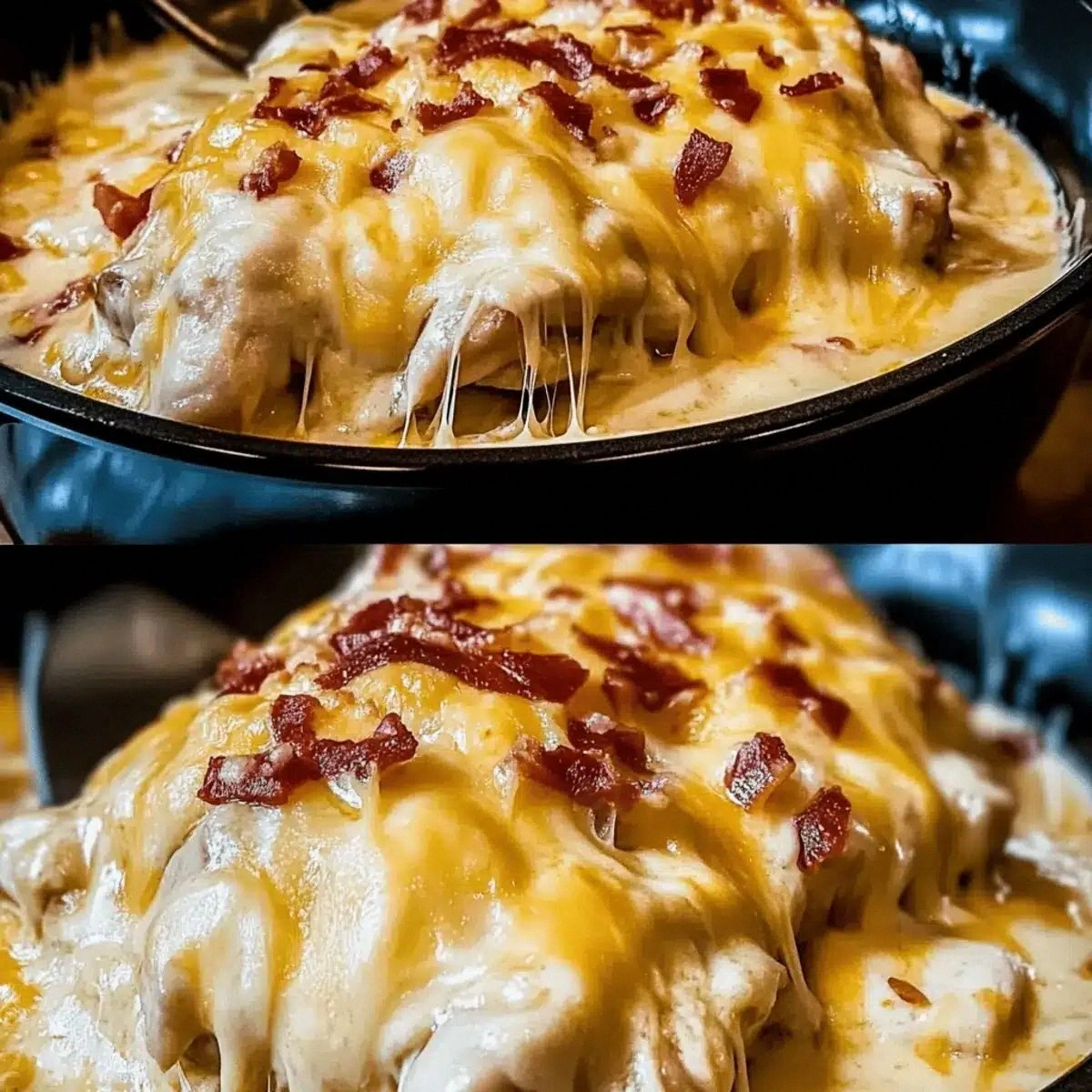
Most recipes for creamy chicken either drown the meat in a watery mess or slap on a bland cheese sauce that feels like a cheap costume. This version, however, is the antidote to those culinary missteps. I’m talking about a sauce that clings to each piece of chicken with the tenacity of a good plot twist, a cheese blend that’s balanced perfectly between sharp and mellow, and a seasoning mix that hits every note without ever shouting. The secret? A splash of sour cream added at just the right moment, and a quick finish under the broiler that creates a golden, bubbly crown you can’t help but stare at. I dare you to taste this and not go back for seconds.
But wait—there’s a twist you won’t see coming. While most people think you need a fancy skillet or a sous‑vide machine, the magic lives in the timing of the sour cream and the way you let the sauce thicken just enough to cling without turning into a clumpy puddle. Okay, ready for the game‑changer? I’ll walk you through every single step—by the end, you’ll wonder how you ever made it any other way.
What Makes This Version Stand Out
- Flavor Explosion: The combination of sour cream’s tang, cheddar’s sharp melt, and Parmesan’s umami creates a layered taste that evolves with each bite, keeping you hooked from the first forkful to the last.
- Texture Harmony: A crisp, golden crust on the chicken gives way to a silky, creamy interior—think of it as the perfect marriage between a crunchy exterior and a cloud‑like core.
- Simplicity: Only nine pantry staples are needed, and the technique is straightforward enough for a rookie but refined enough to impress seasoned cooks.
- Unique Sauce Base: Adding sour cream at the end prevents curdling and gives the sauce a luxurious mouthfeel that regular cream or milk can’t match.
- Crowd‑Pleaser: Kids love the cheesy goodness, adults appreciate the depth of flavor, and even picky eaters can’t resist the buttery aroma that fills the room.
- Ingredient Quality: Fresh, high‑fat sour cream and real‑shredded cheddar make a world of difference—no powdered cheese shortcuts here.
- One‑Pan Efficiency: The entire dish is cooked in a single skillet, meaning less cleanup and more time to enjoy the meal.
- Make‑Ahead Potential: This dish reheats beautifully, and the flavors actually deepen after a night in the fridge, making it perfect for leftovers.
Inside the Ingredient List
The Flavor Base
The star of the show is the sour cream, a dairy marvel that brings a subtle tang while keeping the sauce luxuriously smooth. If you skimp on the fat content, you’ll end up with a watery, thin sauce that slides off the chicken like a bad first date. For the best results, choose a full‑fat, cultured sour cream; the live cultures actually help stabilize the sauce during cooking. Want a dairy‑free version? Swap in a thick coconut yogurt, but expect a faint coconut note that will change the flavor profile.
The Texture Crew
Shredded cheddar cheese is the backbone of the melt, delivering that gooey stretch that makes every bite feel like a cheesy hug. Opt for a sharp cheddar for a punchy flavor, but if you prefer a milder taste, a medium cheddar works just as well. The grated Parmesan adds a nutty, slightly salty edge that balances the sour cream’s acidity. Freshly grated Parmesan is ideal—pre‑grated varieties often contain anti‑caking agents that can affect texture.
The Unexpected Star
Garlic powder, onion powder, and paprika may seem like background players, but together they create a flavor orchestra. Garlic powder provides a mellow, consistent heat without the risk of burning that fresh garlic brings. Onion powder adds a sweet, savory depth, while paprika contributes a subtle smokiness and a gorgeous color that makes the dish Instagram‑ready. If you crave heat, sprinkle a pinch of cayenne alongside the paprika.
The Final Flourish
Salt and black pepper are the final conductors, coaxing out the flavors hidden in each ingredient. Because the cheese and Parmesan already bring saltiness, start with a modest pinch and adjust to taste after the sauce has thickened. Freshly cracked black pepper adds a bright, aromatic bite that cuts through the richness. Remember: “to taste” means you have the power—don’t be afraid to trust your palate.
Everything's prepped? Good. Let's get into the real action...
The Method — Step by Step
Start by patting the chicken dry with paper towels; moisture is the enemy of a good sear. Season both sides generously with salt, pepper, garlic powder, onion powder, and paprika, letting the spices cling like a second skin. Heat a heavy‑bottomed skillet over medium‑high heat, add a splash of olive oil, and wait until the oil shimmers—this is the moment you hear the whisper of a perfect crust forming. Place the chicken in the pan, skinless side down, and let it sizzle without moving for about 4‑5 minutes, until the edges start pulling away and a golden‑brown crust appears.
Flip the chicken carefully using tongs, then reduce the heat to medium. Add a splash of chicken broth (about ¼ cup) to deglaze the pan, scraping up the browned bits—those are flavor fireworks you don’t want to waste. Let the broth reduce by half, which should take roughly 2‑3 minutes, creating a thin, savory base. That sizzle when it hits the pan? Absolute perfection. Now, stir in the sour cream, letting it melt into the broth without boiling, which would cause curdling.
When the sauce is smooth and glossy, sprinkle in the shredded cheddar and grated Parmesan, stirring constantly until the cheeses melt into a unified, velvety blanket. This is the moment of truth—the sauce should be thick enough to coat the back of a spoon but still pourable. If it looks too thick, add a splash more broth or a tablespoon of milk; if too thin, let it simmer a minute longer.
Return the chicken to the skillet, spooning the sauce over each piece so it’s fully smothered. Let the chicken simmer in the sauce for another 5‑7 minutes, turning once, until the meat is cooked through and the sauce clings like a second skin. The aroma at this point should be intoxicating—a blend of buttery cheese, tangy cream, and a hint of smoky paprika.
Preheat your broiler on high while the chicken finishes its final minutes in the sauce. Once the internal temperature hits 165°F, transfer the skillet (if oven‑safe) or move the chicken to a broiler‑safe dish, spooning any remaining sauce over the top. Slide it under the broiler for 2‑3 minutes, watching closely, until the cheese bubbles and turns a gorgeous golden‑brown, forming a crust that crackles like thin ice under a winter sun.
Remove the dish from the oven and let it rest for 5 minutes; this rest period allows the juices to redistribute and the sauce to thicken a touch more. While you wait, you’ll notice the scent deepening, a promise of the flavor explosion that’s about to hit your palate. Serve the chicken hot, spooning extra sauce over the plate, and garnish with a sprinkle of fresh parsley for a pop of color.
Plate the dish with your favorite sides—creamy mashed potatoes, buttered noodles, or a simple green salad—anything that will let the sauce shine. Picture yourself pulling this out of the oven, the whole kitchen smelling incredible, and the family gathering around the table with anticipation. That’s the moment you’ll remember forever, and I’ll be honest—I ate half the batch before anyone else got to try it.
That's it — you did it. But hold on, I've got a few more tricks that'll take this to another level...
Insider Tricks for Flawless Results
The Temperature Rule Nobody Follows
Most home cooks crank the heat to “high” hoping for a quick sear, but the secret is a steady medium‑high that lets the chicken develop a crust without burning the spices. Use a kitchen thermometer to gauge the pan’s surface temperature; around 375°F is ideal. This method ensures the exterior crisps while the interior stays juicy, preventing the dreaded rubbery texture.
Why Your Nose Knows Best
Before you even taste, trust the scent. When the sauce starts to emit a buttery, nutty aroma, you know the cheese is fully melted and the flavors are marrying. If you smell a sharp, burnt note, it’s a sign the heat is too high—lower it immediately to preserve the delicate balance.
The 5‑Minute Rest That Changes Everything
Resting the chicken after cooking isn’t just for steaks. Letting it sit for five minutes lets the fibers relax and the sauce thicken, resulting in a silkier coating. Skipping this step often leads to a runny sauce that slides off the plate, which is a tragedy you can avoid with a short, patient pause.
Cheese Timing Mastery
Adding the cheese too early can cause it to separate, while adding it too late can leave it unmelted. The sweet spot is right after the sour cream has incorporated with the broth, at a gentle simmer. This timing ensures the cheese emulsifies perfectly, creating that luxurious mouthfeel we all crave.
Pan Choice Power
A heavy‑bottomed, oven‑safe skillet (cast iron or stainless steel with an aluminum core) distributes heat evenly, preventing hot spots that can scorch the sauce. If you’re using a non‑oven‑safe pan, transfer the chicken to a baking dish before broiling—just remember to keep the sauce warm.
Creative Twists and Variations
This recipe is a playground. Here are some of my favorite ways to switch things up:
Spicy Jalapeño Kick
Dice two fresh jalapeños (seeds removed for less heat) and sauté them with the garlic powder. The heat adds a bright contrast to the creamy sauce, perfect for those who love a little fire. Serve with cool cucumber slices to balance the spice.
Mushroom Medley
Slice a cup of mixed mushrooms (cremini, shiitake, button) and sauté them after deglazing the pan. The earthy umami deepens the sauce, turning the dish into a hearty, comforting entrée that pairs beautifully with crusty bread.
Herb‑Infused Delight
Stir in a tablespoon of fresh chopped thyme or rosemary during the last minute of simmering. The herbaceous notes lift the richness and add a fragrant finish that makes the dish feel garden‑fresh.
Smoky Chipotle Version
Swap the regular paprika for chipotle powder and add a teaspoon of adobo sauce. The smoky, slightly sweet heat transforms the flavor profile, giving the dish a southwestern twist that’s perfect with corn tortillas.
Greek‑Style Twist
Replace the cheddar with feta cheese and add a handful of Kalamata olives. The salty, briny elements bring a Mediterranean vibe, and a squeeze of lemon juice right before serving adds a bright, citrusy pop.
Storing and Bringing It Back to Life
Fridge Storage
Allow the chicken to cool to room temperature, then transfer it and any leftover sauce to an airtight container. It will keep fresh for up to 3 days. When reheating, add a splash of milk or water (about a tablespoon) to restore the sauce’s creaminess, then gently warm on the stovetop over low heat.
Freezer Friendly
Separate the chicken from the sauce before freezing. Place the chicken pieces in a freezer‑safe bag and the sauce in a separate airtight container. Freeze for up to 2 months. To serve, thaw overnight in the fridge, reheat the sauce, then combine and finish under the broiler for that fresh‑out‑of‑the‑oven crust.
Best Reheating Method
For the ultimate texture, reheat the dish in a skillet over medium‑low heat, stirring occasionally. Add a tiny splash of water (or broth) before you start; the steam will revive the sauce, keeping it glossy and preventing it from drying out. A quick broil for 1‑2 minutes at the end restores the golden crust.