I was in the middle of a frantic Sunday dinner prep when I realized my pantry was about to run out of that one ingredient that makes every fish dish feel like a five‑star restaurant experience: fresh herbs. I had a stack of cod fillets, a jar of pistachios, and a bag of panko breadcrumbs that had been waiting patiently for their moment. The kitchen smelled of garlic and citrus as I chopped, and the sound of the blender humming was the soundtrack to my culinary rebellion. I stared at the fillets, then at the pistachios, and thought, “What if I could combine the nutty crunch of pistachios with the bright zing of lemon and orange, and then finish it with a drizzle of honey?” The idea was simple yet bold, and I was ready to turn a routine dinner into a headline moment.
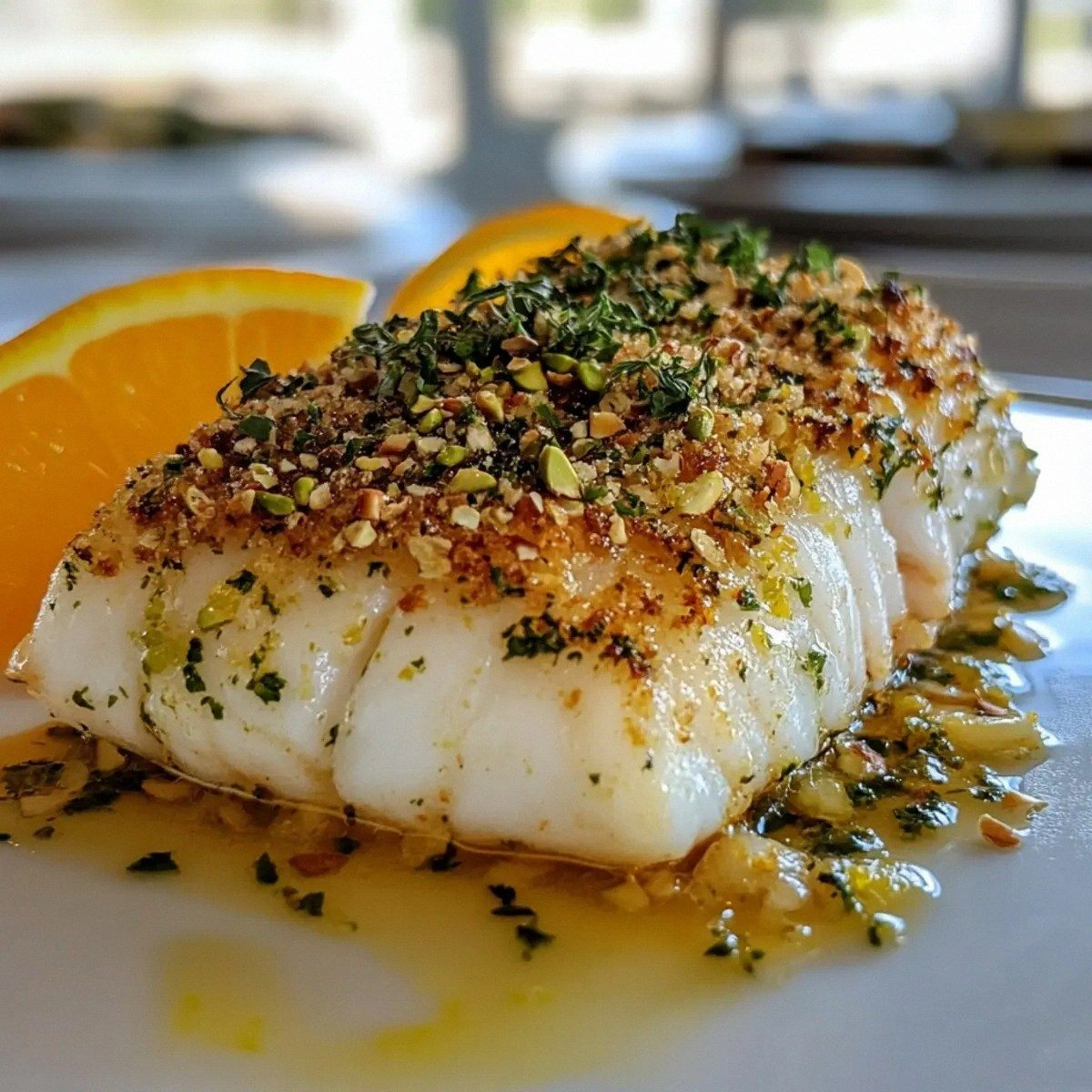
Picture this: the cod fillets searing in a hot skillet, their edges turning a golden brown that crackles like a crisp autumn leaf. The pistachios, finely ground, form a crust that shatters with a satisfying crunch when you bite into it. The citrus juices mingle with honey, creating a glaze that coats the fish like a glossy, caramelized glaze, while the herbs provide a fresh, aromatic backdrop. I dare you to taste this and not go back for seconds, because the flavors leap off the plate and dance on your palate. The moment the cod is plated, the kitchen fills with a savory aroma that makes you feel like you’re standing in a seaside market, but with the comfort of home cooking.
What makes this version stand out is not just the combination of ingredients, but the way they work together to create a dish that is simultaneously elegant and approachable. The pistachio crust gives the fish a nutty, buttery flavor that balances the bright citrus notes, while the honey adds a subtle sweetness that tames the acidity. The fresh herbs—mint or basil—inject a burst of green freshness that lifts the entire dish. The result is a plate that feels both sophisticated and comforting, a culinary bridge between a fancy dinner party and a quick weekday meal. Most cod recipes rely on simple seasoning or a plain breadcrumb coating; here, every component is chosen for its ability to elevate the fish’s delicate flavor profile.
I’ve spent countless hours experimenting with different crusts and sauces, and this is hands down the best version you’ll ever make at home. The technique is simple, the ingredients are pantry staples, and the outcome is a dish that looks as impressive as it tastes. Picture yourself pulling this out of the oven, the whole kitchen smelling incredible, and your guests asking for the recipe. Let me walk you through every single step—by the end, you’ll wonder how you ever made it any other way.
What Makes This Version Stand Out
- Taste: The pistachio crust delivers a nutty, slightly sweet flavor that complements the mild cod, while the citrus glaze adds a bright, refreshing kick.
- Texture: The crust shatters into a crisp, buttery bite, contrasting beautifully with the tender, flaky fish underneath.
- Simplicity: Every ingredient is a common pantry item; no exotic spices or hard‑to‑find components are required.
- Uniqueness: The combination of pistachios, citrus, and honey is rarely seen in cod recipes, giving this dish a signature twist.
- Crowd Reaction: Guests are often surprised by the nutty crunch and the sweet‑tart finish, making it a conversation starter.
- Ingredient Quality: Using fresh herbs and whole pistachios ensures a vibrant flavor profile that canned or frozen ingredients cannot match.
- Cooking Method: Searing the fish in a hot skillet gives a perfect sear, while finishing it with the glaze locks in moisture.
- Make‑Ahead Potential: The crust can be prepared in advance and stored in the fridge, allowing for a quick assembly on busy nights.
Alright, let's break down exactly what goes into this masterpiece...
Inside the Ingredient List
The Flavor Base
The citrus juices—fresh lemon and orange—form the backbone of the glaze. They provide acidity that brightens the fish and balances the richness of the pistachio crust. If you skip the citrus, the dish becomes flat and heavy; the acidity is essential for cutting through the buttery crust.
The honey or maple syrup adds a subtle sweetness that caramelizes when heated. It creates a glossy coating that traps moisture and adds a velvety finish. Swapping honey for maple syrup is fine, but the flavor will be slightly earthier.
The Texture Crew
Pistachios are the star of the crust, offering a nutty flavor and a crunchy texture that contrasts with the flaky fish. Using shelled pistachios ensures a smooth, even coating; whole pistachios can be uneven and may leave large chunks.
Panko breadcrumbs add volume and crunch, absorbing the citrus glaze and forming a golden crust. If you prefer a gluten‑free version, use almond flour or crushed gluten‑free crackers instead of panko.
The Unexpected Star
Fresh herbs—mint or basil—infuse the dish with a bright, aromatic note that lifts the entire flavor profile. The herbs also provide a subtle peppery undertone that complements the citrus.
Garlic, minced finely, adds depth and a savory punch that balances the sweetness of the honey. If you’re sensitive to garlic, reduce to one clove or use garlic powder sparingly.
The Final Flourish
Salt and pepper are the unsung heroes that bring all the flavors together. They enhance the natural taste of the fish and balance the sweet‑tart glaze. Remember, a pinch of salt is enough; you can always add more after plating.
Everything's prepped? Good. Let's get into the real action...
The Method — Step by Step
- Begin by patting the cod fillets dry with paper towels; this step is critical to getting a good sear. The drier the surface, the less steam will form, allowing the crust to brown evenly. Season both sides with salt and pepper, then set aside.
- In a shallow bowl, combine the pistachios, panko breadcrumbs, and finely minced garlic. Use a fork or your hands to mix until the mixture is evenly moist. This blend forms the foundation of the crunchy coating.
- Coat each fillet in the pistachio‑panko mixture, pressing gently to ensure the crust adheres. Shake off any excess; you want a thick, even layer that will crisp up beautifully.
- Heat a large skillet over medium‑high heat and add the olive oil. Once the oil shimmers, place the fillets in the pan. The sizzle you hear is the sound of flavor locking in.
- Cook the fillets for 3-4 minutes on the first side until the crust turns golden brown and releases easily from the pan. Flip carefully and cook the second side for another 3 minutes, or until the fish flakes easily with a fork.
- While the fish finishes, whisk together the lemon zest, lemon juice, orange juice, honey, and chopped herbs in a small bowl. This glaze will be brushed over the fillets during the last minute of cooking.
- When the fish is almost done, brush the glaze generously over the fillets. The glaze should start to caramelize, forming a glossy sheen that clings to the crust. This is the moment of truth; the fish should smell toasty and the glaze should bubble slightly.
- Transfer the fillets to a plate and let them rest for a minute. This short rest allows the juices to redistribute, keeping the fish moist and tender.
- Serve immediately, garnishing with a sprinkle of fresh mint or basil leaves for an extra pop of color and aroma. Pair with a light salad or steamed vegetables to complete the meal.
That's it— you did it. But hold on, I've got a few more tricks that'll take this to another level...
Insider Tricks for Flawless Results
The Temperature Rule Nobody Follows
Many cooks start cooking at a high heat and then reduce it, which can cause the crust to burn before the fish is cooked through. I recommend heating the skillet to medium‑high first, then lowering to medium once the fillets are in. This ensures a consistent sear without burning the pistachios.
Why Your Nose Knows Best
When the crust begins to brown, your nose will tell you it’s ready. A sharp, nutty aroma indicates the pistachios are caramelizing, while a sweet scent means the glaze is forming. Trust your senses; cooking is as much about feeling as it is about timing.
The 5‑Minute Rest That Changes Everything
Letting the fillets rest for 5 minutes after cooking allows the juices to redistribute and the crust to firm up slightly, giving that satisfying bite. I’ve seen people skip this step, and the result is a soggy crust that feels undercooked.
The Secret to a Crispy Crust
Press the pistachio mixture onto the fillets firmly but gently. Too light, and the crust will crumble; too heavy, and it will be hard to get a crisp finish. A firm press ensures the coating sticks and crisps evenly.
The Final Glaze Touch
Brush the glaze in a circular motion, covering the fillet in a thin, even layer. This technique creates a uniform coating that caramelizes beautifully and prevents the glaze from pooling on the bottom of the pan.
Creative Twists and Variations
Mediterranean Spin
Swap the pistachios for toasted pine nuts and add a splash of white wine to the glaze. The result is a dish with a deeper, more savory profile that pairs wonderfully with a Greek salad.
Spicy Kick
Add a pinch of crushed red pepper flakes to the pistachio mixture and replace half the honey with a drizzle of sriracha. This variation brings heat that balances the citrus, making it ideal for spice lovers.
Herb‑Infused Variation
Replace the fresh mint with a handful of chopped dill and add a splash of dill vinegar to the glaze. The dill’s bright flavor complements the fish and adds a subtle tang.
Gluten‑Free Adaptation
Use almond flour or crushed gluten‑free crackers instead of panko. This keeps the dish gluten‑free while preserving the crunchy texture and nutty flavor.
Sweet‑Savory Glaze Swap
Swap honey for maple syrup and add a dash of soy sauce to the glaze. The umami from the soy sauce deepens the flavor, while the maple adds a caramelized sweetness.
Citrus Trio
Incorporate grapefruit juice into the glaze for a bittersweet twist. The grapefruit’s bitterness cuts through the richness, creating a balanced, refreshing finish.
Storing and Bringing It Back to Life
Fridge Storage
Store any leftover fillets in an airtight container in the refrigerator for up to 2 days. The crust may soften slightly, but a quick re‑sear in a hot skillet will restore its crunch.
Freezer Friendly
Wrap the cooked fillets tightly in plastic wrap, then place them in a freezer bag. They’ll keep for up to 2 weeks. When ready, thaw in the refrigerator overnight and reheat in a skillet or oven at 350°F until warmed through.
Best Reheating Method
Reheat by placing the fillet on a pre‑heated skillet over medium heat, turning once. Add a splash of water or broth to the pan, cover for 1–2 minutes, then uncover to allow the crust to crisp again. The tiny splash of liquid steams the fish back to moist perfection without drying it out.