Love this? Pin it for later! 📌
Why This Recipe Works
- Cold sweet-potato purée: Chilling the mash before folding it in keeps the butter from melting, guaranteeing sky-high layers.
- Butter shards, not pea-size: Visible streaks of butter steam in the oven, creating feather-light pockets.
- Triple-fold technique: A simple letter-fold multiplies flaky layers without a pastry degree.
- Honey-kissed buttermilk: Balances earthy sweet potato with gentle acidity for a tender crumb.
- Hot cast-iron oven: Pre-heating the skillet blasts the bottoms, giving diner-style crusty edges.
- MLK-Day symbolism: The amber hue mirrors candlelight vigils, turning comfort food into edible activism.
Ingredients You'll Need
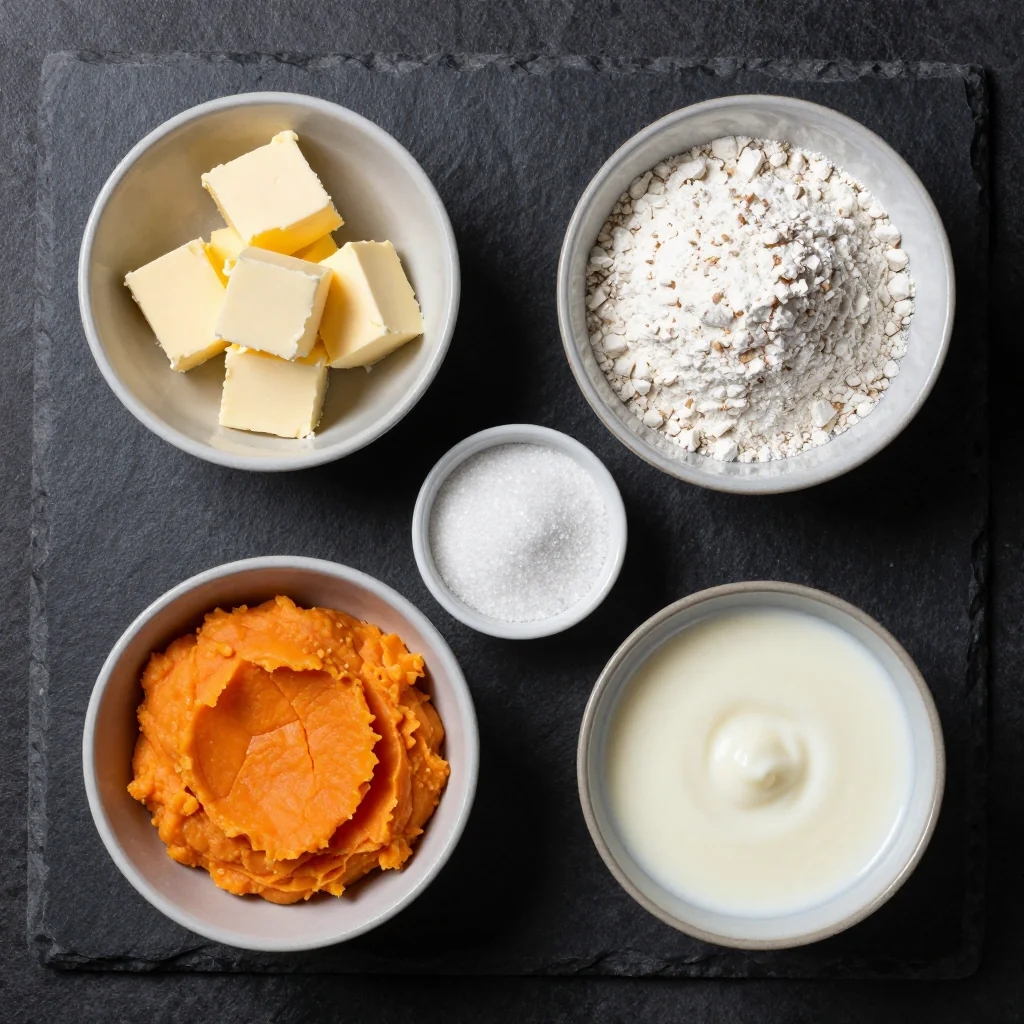
Flour choice is the first domino. I reach for a soft, low-protein Southern flour (think White Lily) because its starch content is lower, yielding biscuits so tender they practically sigh when you split them. If you live north of the Mason-Dixon, half all-purpose plus half cake flour mimics that silkiness. For the sweet potato, jewel or garnet varieties roast to a deeper orange and higher sugar content than pale Hannah yams—look for skin that’s tight and unwrinkled; any give means the tuber has lost moisture and will bake up gummy instead of plush. Roast whole on a foil-lined tray at 400 °F until syrupy sugars drip and scorch; steaming or boiling adds water that later dilutes the dough.
Butter deserves a paragraph of reverence. Use a high-fat European-style (82–84 %) like Plugra or Kerrygold. The extra butterfat means less water, so layers stay crisp and the flavor blooms into hazelnut notes. Cube it, then freeze fifteen minutes—cold enough to shave on a box grater, creating shreds that distribute evenly. If dairy isn’t in your diet, refined coconut oil chilled to the same firmness works, though the aroma will whisper tropical. shortening will indeed give you flakiness, but you’ll sacrifice the buttery perfume that drifts through the house like Sunday morning church bells.
Buttermilk is traditional, yet I blend it with two tablespoons heavy cream for extra richness and a touch of honey to echo Dr. King’s beloved Georgia sweetness. No buttermilk on hand? Stir one tablespoon lemon juice or white vinegar into a scant cup of whole milk and let stand ten minutes; the acid tenderizes gluten just as authentically. A pinch of baking soda amplifies browning, turning the bottoms golden as a sunset over the Ebenezer Baptist Church steeple.
Finally, salt. Please don’t skip or scale back. Fine sea salt brightens sweet potato’s earthiness and heightens butter’s cultured tang. Without it, biscuits taste beige even though they glow amber.
How to Make Martin Luther King Jr. Day Sweet Potato Biscuits That Are Flaky And Buttery
Roast & Chill the Sweet Potato
Heat oven to 400 °F. Scrub one large (12 oz) sweet potato, prick once with a fork, and roast directly on the center rack 55–65 min until caramelized sugars blister the skin. Cool completely, then slip off jackets and mash until silky. Measure 1 cup (240 g) purée, spread it in a shallow dish, and refrigerate 30 min. Cold purée prevents butter from melting when mixed, safeguarding those coveted layers.
Freeze & Grate the Butter
While the purée chills, cube 12 Tbsp (170 g) frozen butter. Toss cubes into a metal bowl and freeze 15 min. Using the large holes of a box grater, quickly grate butter directly into the flour, tossing every few tablespoons so shreds stay separate and re-chill. The grated technique distributes fat faster, minimizing hand warmth that softens it.
Whisk Dry & Add-Ins
In a wide bowl, whisk 2 ½ cups (315 g) soft-wheat flour, 1 Tbsp baking powder, ¾ tsp fine sea salt, ¼ tsp baking soda, and 2 Tbsp light brown sugar. Toss in grated butter, coating shreds with flour so they stay discrete. This flour blanket prevents clumping and ensures every pocket of steam will create a flake.
Make the Honey-Buttermilk Mix
In a 2-cup measure, whisk ¾ cup cold buttermilk, 2 Tbsp heavy cream, 2 tsp honey, and ½ tsp apple-cider vinegar. The honey’s sugars accelerate browning; the vinegar’s acid reacts with soda for an extra lift, giving biscuits that proud dome reminiscent of Ebenezer’s arches.
Combine Just Until Shaggy
Pour wet into dry; scatter the chilled sweet-potato mash over top. With a silicone spatula, fold 8–10 times. The dough will look rough, streaky, and dry in spots—perfect. Over-mixing develops gluten, turning tender layers into chewiness reminiscent of breadsticks.
Pat, Fold, & Rotate
Turn dough onto a floured counter; pat into a ¾-inch rectangle. Letter-fold: bottom third up, top third down, like folding a business letter. Give a quarter turn, dusting flour sparingly. Repeat twice more. This simple triple-fold multiplies flaky strata without a laminating block, creating over 80 micro-layers.
Stamp, Don’t Twist
Pat final rectangle 1-inch thick. Dip a 2 ½-inch round cutter into flour; press straight down—never twist, which seals edges and prevents rise. Gather scraps, stack, pat, and cut once more. Second-round biscuits are slightly less lofty but still delicious; serve them to the cook as a reward.
Preheat Cast-Iron & Bake Hot
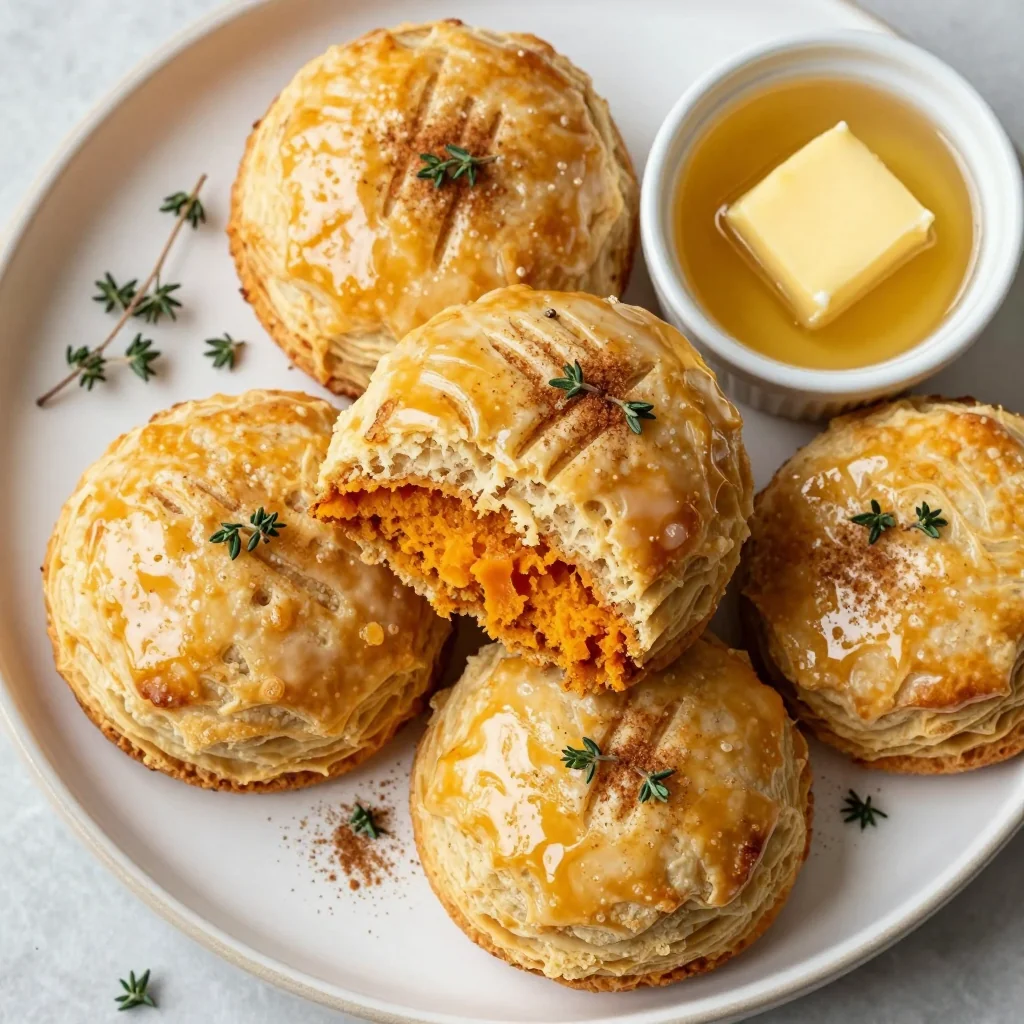
Place a 10-inch cast-iron skillet in the 425 °F oven for 8 min. Carefully remove, dot with 1 Tbsp butter, and arrange biscuits shoulder-to-shoulder. Snug sides force upward rise. Bake 16–18 min until tops are amber and bottoms chestnut. The screaming-hot iron sears a crusty edge reminiscent of skillet cornbread.
Brush & Rest
Melt 1 Tbsp butter with 1 tsp honey; brush crowns the moment they emerge. Tent loosely with foil 5 min to finish steaming interiors. Resist breaking one open immediately; resting sets the crumb so your first bite is fluffy, not gummy.
Expert Tips
Keep It Cold
If your kitchen is warmer than 72 °F, chill the flour bowl 20 min before mixing. Cold ingredients are non-negotiable for maximum lift.
Don’t Over-Reroll
Each reroll develops gluten. After the second cut, simply pat scraps into rustic hand-formed biscuits—charmingly imperfect and still flaky.
Freeze & Bake Later
Arrange unbaked biscuits on a tray, freeze solid, then bag. Bake from frozen at 400 °F for 22 min—perfect for impromptu brunch activism.
Brush with Buttermilk
For a matte, farmhouse top, substitute buttermilk for the honey-butter wash; it creates a soft, chewy crust rather than shiny crunch.
Weigh, Don’t Measure
Ten grams too much flour can mean the difference between feather and brick. A $15 scale is the cheapest insurance for consistent biscuits.
Cast-Iron Substitute
No skillet? Pre-heat a rimmed sheet pan upside-down; slide biscuits onto the scorching surface. The retained heat mimics the skillet effect.
Variations to Try
- Savory Herb: Fold 1 Tbsp minced fresh thyme and ½ cup grated sharp white cheddar into the dry mix. Serve alongside collard greens and black-eyed pea soup for a complete MLK-Day plate.
- Spiced Orange: Add ¼ tsp ground cardamom and the zest of half an orange to evoke the warmth of Southern hospitality. Glaze tops with a thin orange-juice icing for a brunch twist.
- Gluten-Free: Replace flour with 2 cups (280 g) finely milled rice flour plus ½ cup oat flour and 1 tsp xanthan gum. Texture will be more tender-crumb than layered, but flavor remains stellar.
- Vegan: Swap butter for chilled refined coconut oil, buttermilk for almond milk curdled with vinegar, and brush tops with maple syrup instead of honey.
- Mini Tea Biscuits: Use a 1 ½-inch cutter; bake 10–12 min. These bite-size gems are perfect for children’s story-time events about Dr. King’s life.
- Stuffed Breakfast Sandwich: Split cooled biscuits, fill with crispy turkey bacon, baby spinach, and a slice of ripe tomato—a portable breakfast for march day.
Storage Tips
Room Temperature: Cool completely, then store in a cotton tea towel–lined tin for up to 24 h. The towel prevents condensation that softens crusts.
Refrigerator: Biscuits stale faster in the fridge due to retrogradation; skip this method unless filled with perishable toppings.
Freezer Baked: Wrap individually in foil, bag, and freeze up to 2 months. Reheat in a 350 °F oven 10 min, spritzing lightly with water to revive crust.
Freezer Unbaked: Flash-freeze on a tray, transfer to an airtight bag, and bake from frozen as directed in Expert Tips.
Revive Stale Biscuits: Split, brush with milk, and toast cut-side down in a hot skillet with a dab of butter. They emerge almost as good as fresh, ready for a smear of apple butter.
Frequently Asked Questions
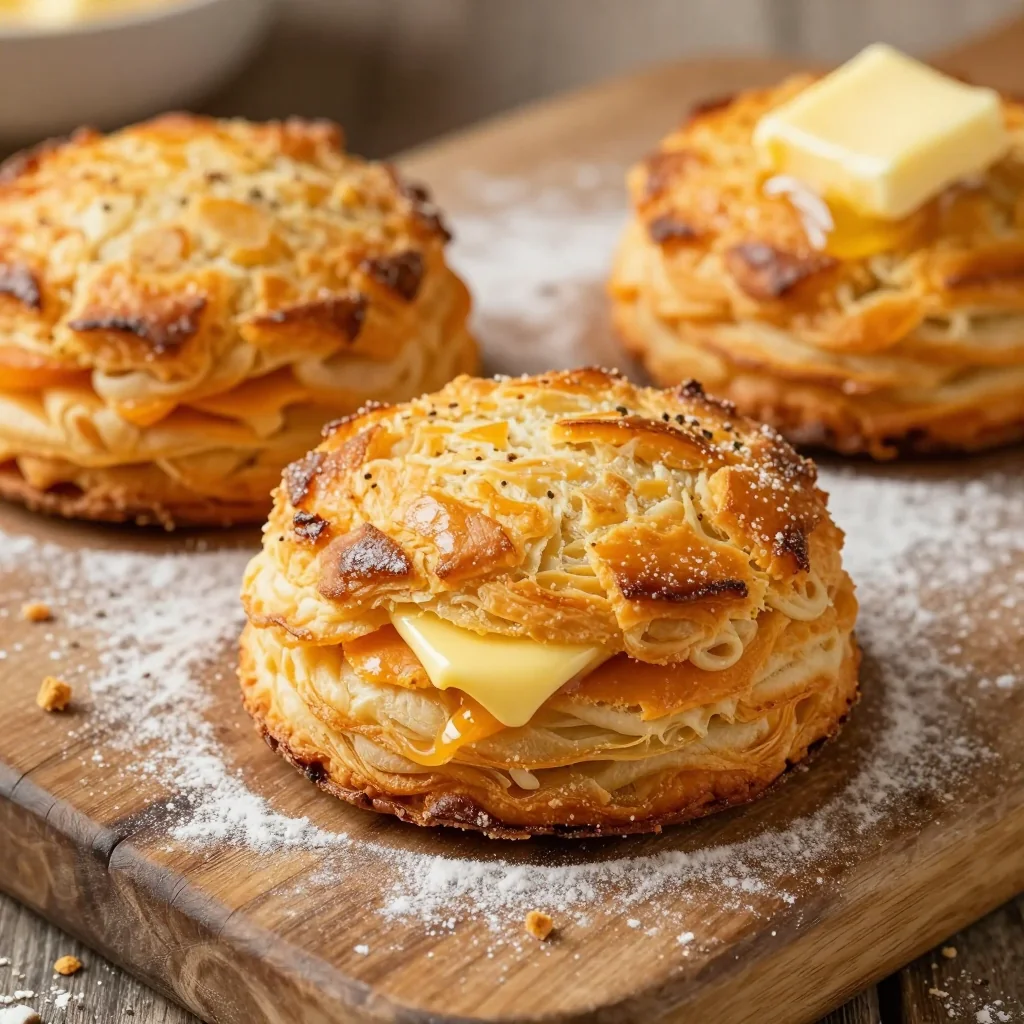
Martin Luther King Jr. Day Sweet Potato Biscuits That Are Flaky And Buttery
Ingredients
Instructions
- Roast & Chill: Roast whole sweet potato at 400 °F 55–65 min; cool, peel, mash, chill 1 cup purée.
- Combine Dry: Whisk flour, baking powder, salt, soda, sugar. Toss grated butter to coat.
- Mix Wet: Whisk buttermilk, cream, honey, vinegar.
- Bring Together: Fold wet into dry; scatter cold sweet potato, fold 8–10 strokes.
- Fold & Cut: Pat dough, letter-fold 3×, cut with 2 ½-inch cutter.
- Bake: Pre-heat cast-iron 8 min at 425 °F. Bake biscuits 16–18 min until amber.
- Brush & Serve: Melt 1 Tbsp butter with 1 tsp honey; brush tops, rest 5 min, enjoy.
Recipe Notes
Biscuits are best day-of, but frozen unbaked biscuits can be baked straight from freezer at 400 °F for 22 min—perfect for spontaneous gatherings honoring Dr. King’s message of unity.