Love this? Pin it for later! 📌
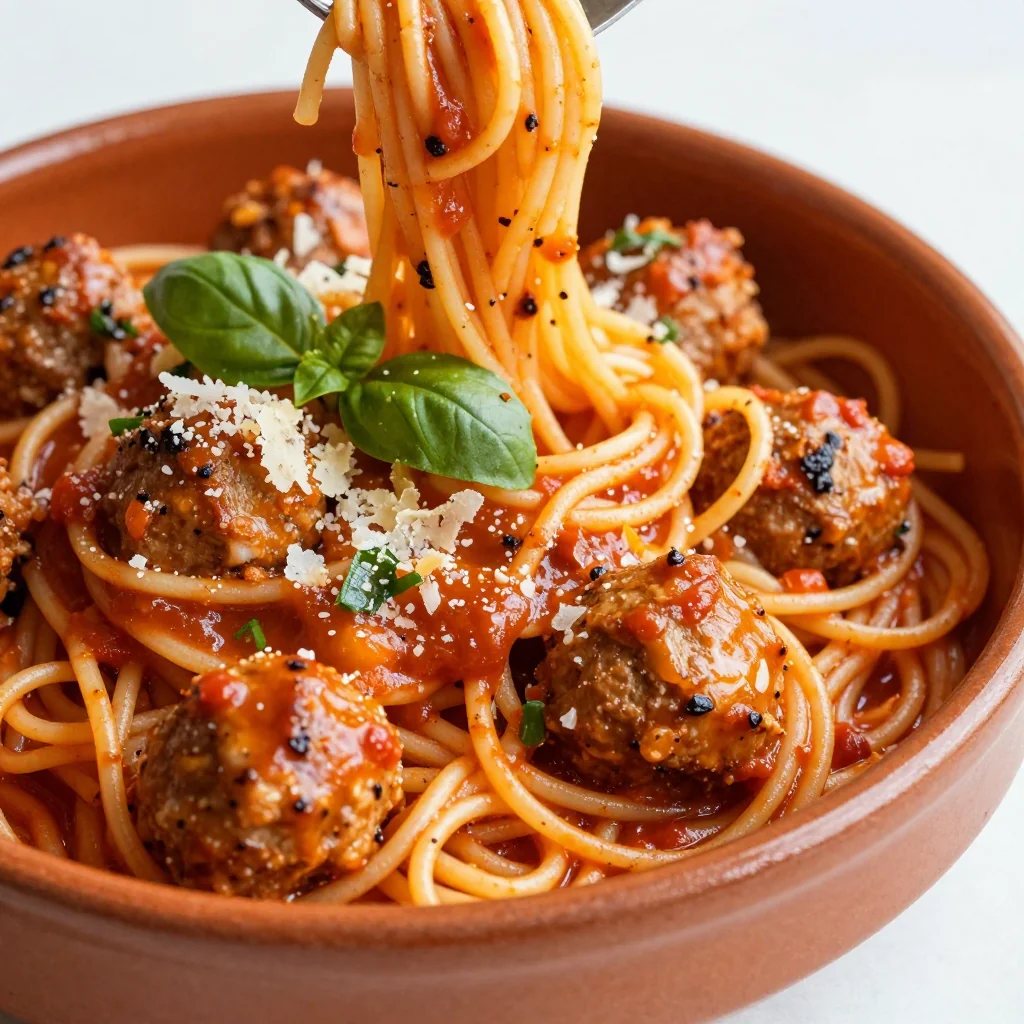
After years of tweaking my grandmother's traditional recipe, I've created what my kids call "the best dinner ever" – and trust me, that's high praise coming from children who would happily survive on chicken nuggets and macaroni if given the choice. The beauty of this recipe lies in its simplicity: tender, bite-sized meatballs that cook right in the sauce, infusing every spoonful with incredible flavor, while the marinara develops a richness that tastes like it's been simmering all day (even when it hasn't).
What makes this recipe truly special is how it brings everyone together. My youngest loves helping roll the meatballs between her tiny palms, covering them in flour like she's dusting them with fairy powder. My teenager, who typically grumbles about family dinner, actually sets the table when he hears we're having spaghetti and meatballs. Even my husband, who claims he "doesn't have a sweet tooth," can't resist sneaking a meatball straight from the pot when he thinks no one's looking.
Why This Recipe Works
- One-Pot Wonder: Everything cooks together in a single pot, meaning fewer dishes and more flavor as the meatballs infuse the sauce
- Hidden Veggies: Finely grated carrots and zucchini disappear into the sauce, adding nutrition without complaints
- Make-Ahead Magic: The sauce tastes even better the next day, and meatballs freeze beautifully for quick weeknight meals
- Kid-Approved Size: Mini meatballs are perfectly portioned for little hands and mouths
- Customizable: Easy to adapt for dietary needs – use ground turkey, make it gluten-free, or add extra veggies
- Restaurant Quality at Home: Simple techniques create a sauce that tastes like it came from your favorite Italian restaurant
Ingredients You'll Need
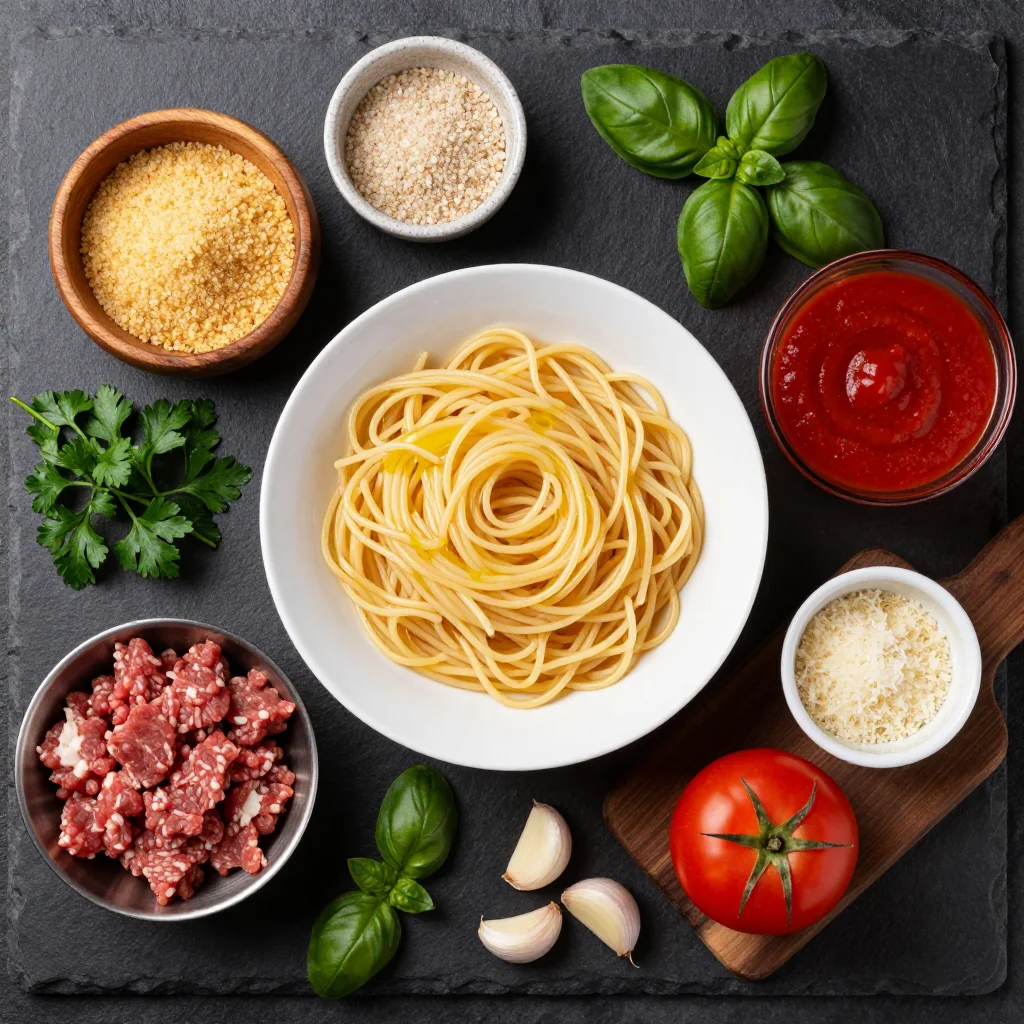
Great cooking starts with quality ingredients, and this recipe is no exception. While it might be tempting to grab whatever's on sale, taking a moment to select the right components will elevate your spaghetti and meatballs from good to unforgettable. I learned this lesson the hard way after years of wondering why my sauce tasted flat compared to my Italian neighbor's – turns out, the quality of your canned tomatoes matters more than you might think.
For the meatballs, I use a combination of ground beef and pork. The beef provides that familiar, hearty flavor kids love, while the pork adds richness and keeps the meatballs tender. Look for ground beef that's 80/20 – lean enough to stay together but with enough fat to stay juicy. The pork should be ground shoulder or a mix specifically labeled for meatballs. If you can't find ground pork, Italian sausage removed from its casing works beautifully and adds extra seasoning.
The breadcrumbs are crucial for texture. I prefer panko for their light, airy quality, but regular dry breadcrumbs work too. Just avoid the flavored varieties – you want to control the seasoning yourself. For a gluten-free version, I've had great success with almond flour or crushed rice crackers. The key is using something that will absorb moisture without making the meatballs dense.
Fresh herbs make a world of difference here. While dried herbs work in a pinch, fresh parsley and basil add a brightness that can't be replicated. I grow parsley in a small pot on my windowsill – it's nearly impossible to kill and saves so many last-minute grocery runs. For the basil, if fresh isn't available, frozen basil cubes from the freezer section are a lifesaver and far superior to dried.
The tomatoes are where you shouldn't compromise. San Marzano tomatoes are worth every extra penny. They're naturally sweeter and less acidic than regular canned tomatoes, creating a sauce that needs less sugar and cooking time. If you can't find them, look for canned tomatoes labeled "DOP" – this certification ensures they're the real deal from the San Marzano region of Italy.
How to Make Kid-Friendly Spaghetti and Meatballs in Marinara Sauce
Prepare the Meatball Mixture
In a large bowl, combine 1 lb ground beef, ½ lb ground pork, 1 cup panko breadcrumbs, ½ cup grated Parmesan cheese, 2 large eggs, ¼ cup finely minced onion, 2 minced garlic cloves, ¼ cup chopped fresh parsley, 1 teaspoon salt, ½ teaspoon black pepper, and ½ teaspoon dried oregano. Mix gently with your hands until just combined – overmixing makes tough meatballs. The mixture should feel cohesive but not dense. If it seems too wet, add a tablespoon or two more breadcrumbs; if too dry, a splash of milk works wonders.
Shape and Chill the Meatballs
Using a small cookie scoop or a tablespoon, portion the meat mixture and roll between your palms to form 1-inch meatballs. This size is perfect for kids – big enough to be satisfying but small enough to fit on a fork with pasta. Place them on a parchment-lined baking sheet and refrigerate for 20 minutes. This crucial step helps them hold their shape during cooking. While they chill, clean up your workspace and prep the sauce ingredients.
Build the Marinara Base
Heat 3 tablespoons olive oil in a large, heavy-bottomed pot or Dutch oven over medium heat. Add ½ cup finely grated carrot and ½ cup finely grated zucchini – these disappear into the sauce while adding natural sweetness and nutrition that kids won't detect. Sauté for 3-4 minutes until softened. Add 3 minced garlic cloves and cook for 30 seconds until fragrant. Pour in two 28-ounce cans of San Marzano tomatoes, crushing them with your hands as you add them to the pot. Stir in 2 tablespoons tomato paste, 1 teaspoon salt, ½ teaspoon black pepper, and a pinch of sugar to balance the acidity.
Simmer and Infuse
Bring the sauce to a gentle simmer, then reduce heat to low. Add a Parmesan rind if you have one saved in your freezer – this is the secret weapon for restaurant-quality depth. Toss in 3 fresh basil leaves and let the sauce bubble gently for 15 minutes, stirring occasionally. The flavors will meld together beautifully. If the sauce seems too thick, add a splash of the pasta cooking water later; if too thin, let it reduce a bit more.
Brown the Meatballs
Heat 2 tablespoons olive oil in a large skillet over medium-high heat. Working in batches to avoid crowding, brown the chilled meatballs on all sides, about 2 minutes per side. They don't need to be cooked through – just nicely browned. Transfer the browned meatballs to a plate. This step might seem unnecessary since they'll finish cooking in the sauce, but it creates a delicious crust and prevents them from falling apart.
Combine and Simmer
Gently nestle the browned meatballs into the simmering sauce. They should be mostly submerged with a little sauce covering them. Cover the pot with a lid slightly ajar and simmer gently for 25-30 minutes. Resist the urge to stir frequently – just give the pot a gentle swirl occasionally. The meatballs will finish cooking while infusing the sauce with their savory flavor, and the sauce will thicken to the perfect consistency.
Cook the Pasta
While the meatballs simmer, bring a large pot of salted water to a boil. Add 1 pound of spaghetti and cook according to package directions for al dente. Before draining, reserve ½ cup of the starchy pasta water – this liquid gold helps marry the sauce and pasta together. Drain the pasta but don't rinse it; the starch helps the sauce cling to each strand. Return the pasta to the pot and toss with a ladle of sauce to prevent sticking.
Finish and Serve
Taste the sauce and adjust seasoning with salt and pepper as needed. If it's too thick, stir in a bit of reserved pasta water; too thin, let it bubble uncovered for a few minutes. Add the cooked spaghetti to the pot with the meatballs and sauce, tossing gently to coat everything evenly. Let it all heat together for 2 minutes so the pasta can absorb some of the sauce. Serve in warm bowls with extra Parmesan cheese and fresh basil. Watch as even the pickiest eaters clean their plates and ask for seconds.
Expert Tips
Temperature Matters
Keep the sauce at a gentle simmer, not a vigorous boil. Boiling will break up the meatballs and make them tough. The ideal temperature is around 205°F – you should see small bubbles breaking the surface occasionally.
Make-Ahead Magic
The sauce improves dramatically overnight. Make it on Sunday for a quick Monday dinner, or freeze portions for busy weeknights. The flavors deepen and meld together beautifully with time.
Egg Test
To test if your meatball mixture has the right consistency, form one meatball and place it in a bowl of water. If it floats, it's perfect. If it sinks, add a bit more breadcrumbs. If it falls apart, add an extra egg.
Freeze with Ease
Flash-freeze uncooked meatballs on a baking sheet, then transfer to freezer bags. They cook directly from frozen – just add 10 extra minutes to the simmering time. Perfect for those "what's for dinner?" emergencies.
Oil Temperature
When browning meatballs, the oil should shimmer but not smoke. Test by dropping a tiny piece of meat in – it should sizzle gently. Too hot and the outside burns before the inside cooks.
Pasta Water Power
Never underestimate pasta water! The starch helps thicken the sauce and helps it cling to the pasta. Save more than you think you'll need – you can always use it for thinning leftovers.
Variations to Try
Vegetarian Version
Replace meatballs with ricotta dumplings. Mix 2 cups ricotta, 1 cup grated Parmesan, 2 eggs, and ½ cup flour. Form into golf-ball sized dumplings and poach in the simmering sauce for 15 minutes until they float.
Spicy Adult Version
Add ½ teaspoon red pepper flakes to the sauce and use spicy Italian sausage in place of ground pork. Serve with extra chili oil on the side for those who like it hot.
Heart-Healthy Option
Use ground turkey breast and add finely chopped mushrooms to keep them moist. Replace half the pasta with spiralized zucchini for extra vegetables without losing the comfort factor.
Creamy Tuscan Style
Stir in ½ cup heavy cream and a handful of spinach during the last 5 minutes of cooking. The cream transforms the marinara into a luxurious pink sauce that feels special enough for company.
Storage Tips
Leftovers are a beautiful thing with this recipe. Store the sauce and meatballs separately from the pasta if possible – the pasta will continue to absorb liquid and can become mushy. In the refrigerator, the sauce keeps for up to 4 days in an airtight container, while cooked pasta is best within 2 days. For longer storage, freeze the sauce and meatballs together in portion-sized containers for up to 3 months.
When reheating, add a splash of water or broth to loosen the sauce. Microwave works fine for single portions, but for the best texture, reheat gently on the stovetop. If you've frozen the meatballs in sauce, let them thaw overnight in the refrigerator before reheating. Cook fresh pasta to serve with the reheated sauce – it makes the whole meal taste freshly made.
A word about food safety: never leave the cooked meatballs and sauce at room temperature for more than 2 hours. If you're serving this at a party or potluck, keep it warm in a slow cooker set to low. The meatballs should reach 165°F when reheated, so use a food thermometer if you're unsure.
Frequently Asked Questions
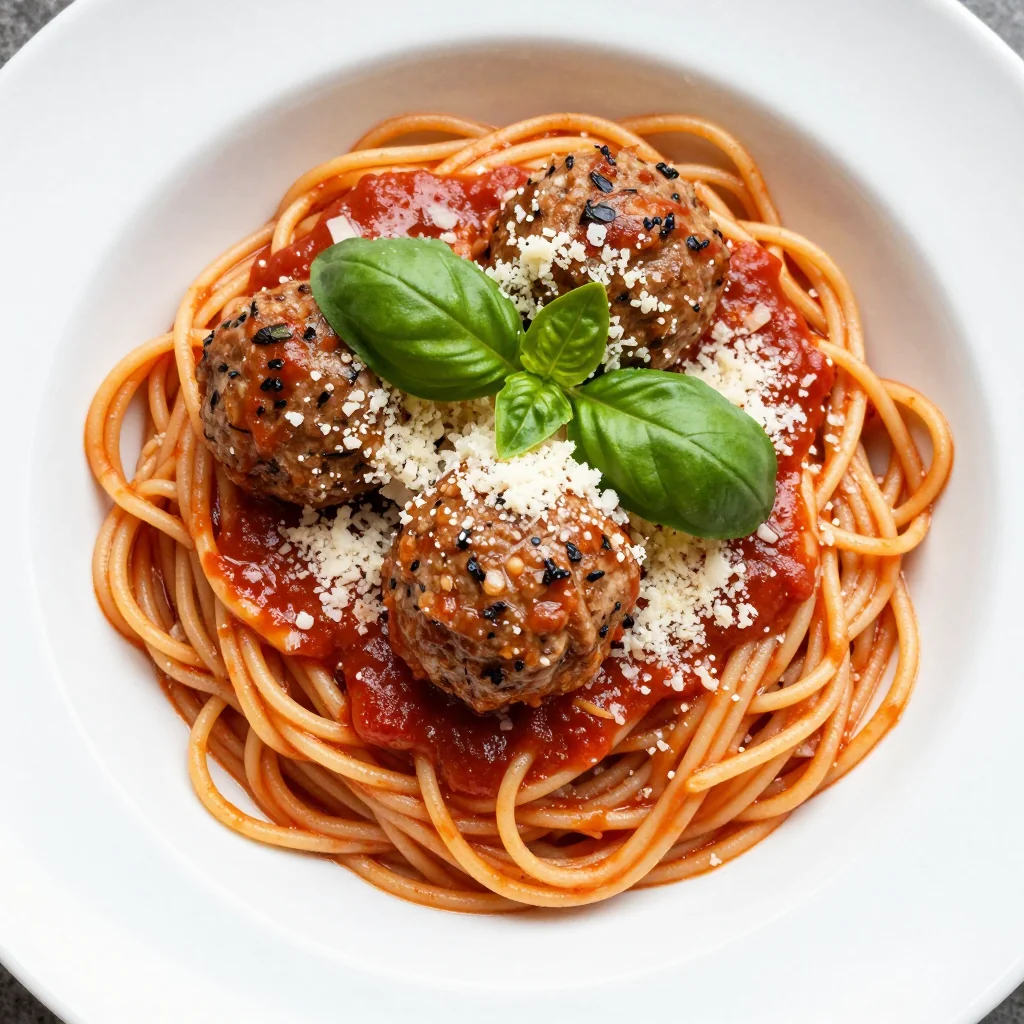
Kid-Friendly Spaghetti and Meatballs in Marinara Sauce
Ingredients
Instructions
- Mix meatballs: Combine all meatball ingredients gently with hands. Refrigerate 20 minutes.
- Shape: Roll into 1-inch meatballs and refrigerate while making sauce.
- Start sauce: Sauté grated vegetables in oil, add garlic, then tomatoes and seasonings. Simmer 15 minutes.
- Brown meatballs: Brown meatballs in batches in a skillet, about 2 minutes per side.
- Combine: Add meatballs to sauce, cover, and simmer 25-30 minutes.
- Cook pasta: While sauce simmers, cook spaghetti in salted water. Reserve ½ cup pasta water.
- Finish: Toss pasta with sauce and meatballs, adding pasta water if needed.
- Serve: Garnish with fresh basil and Parmesan cheese.
Recipe Notes
The sauce tastes even better the next day! Make a double batch and freeze half for a quick weeknight dinner. For picky eaters, blend the sauce smooth before adding meatballs.