I was staring at a burnt batch of tofu last night, the pan still humming with the remnants of a failed attempt. The kitchen smelled of charred plastic and disappointment, a scent that lingered like a bad memory. My friends had teased me for years about my tofu disasters, and I was tired of the same bland, rubbery results. That night, I decided to rewrite the entire narrative and turn that failure into a triumph. I was determined to create a dish that would make even the most skeptical taste buds sing.
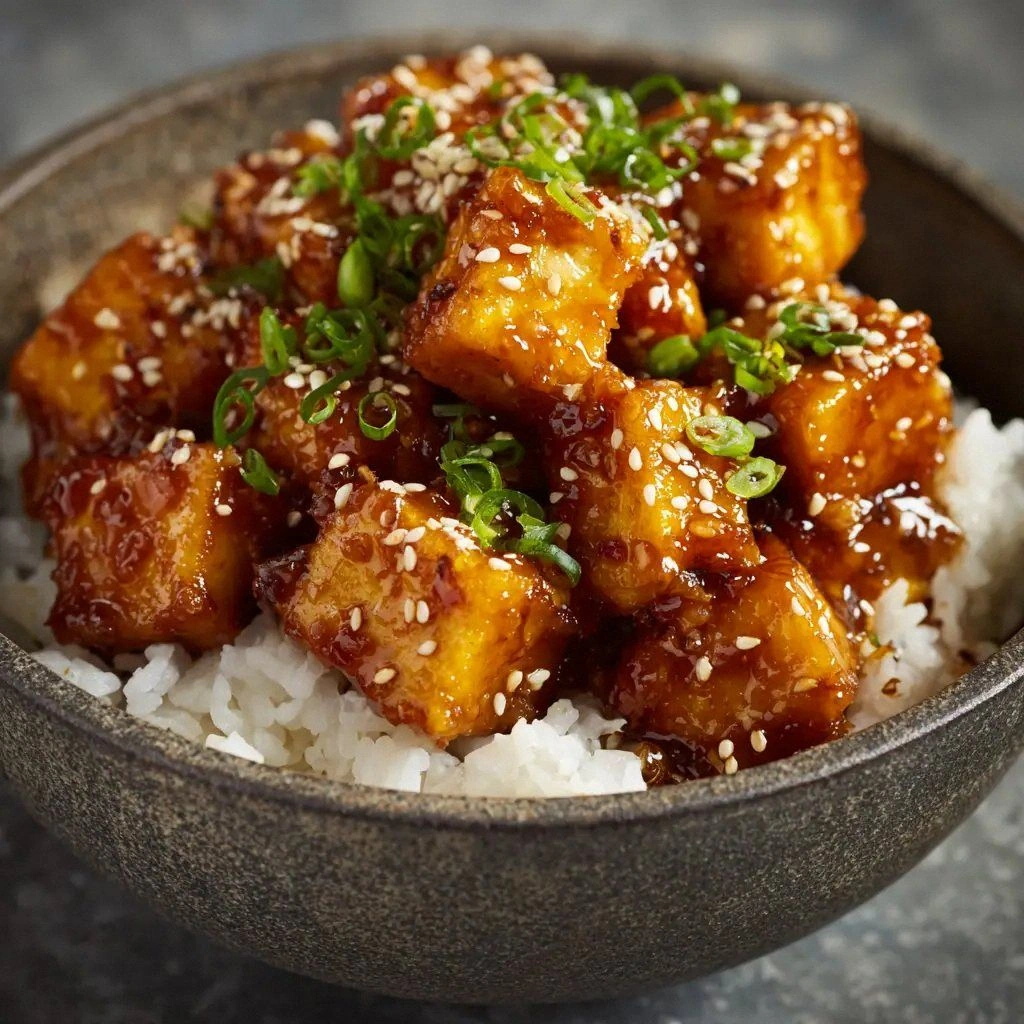
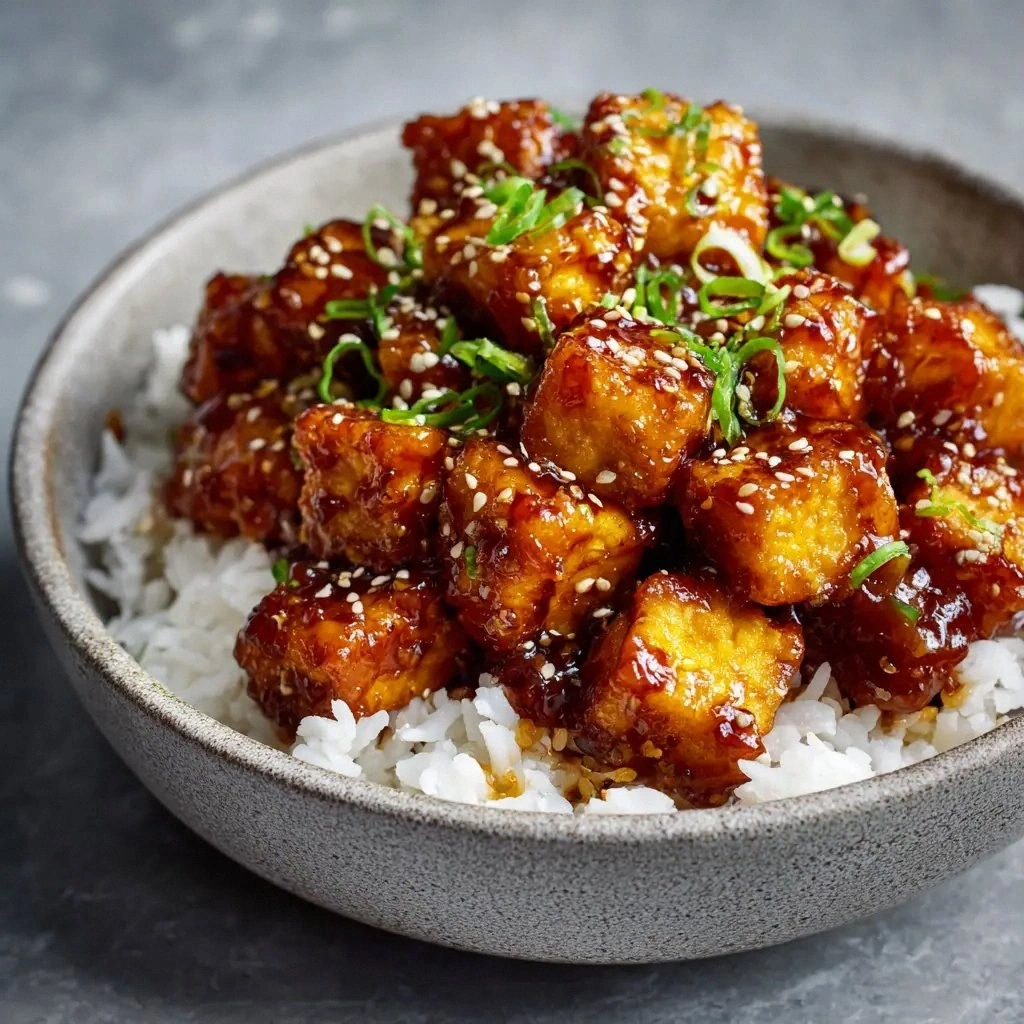
I remember the moment the honey‑garlic sauce first kissed the tofu, the caramelized glaze forming a glossy sheen that looked like liquid gold. The aroma that filled the room was a sweet, savory perfume that made my mouth water before the first bite. The sound of the tofu sizzling was a satisfying crackle, a promise of crisp edges that would shatter like thin ice. I could almost taste the buttery crunch, followed by a burst of umami from the soy, all balanced by the gentle heat of ginger. It was a moment that felt like a culinary revelation.
I realized that the secret wasn't just the ingredients, but how they interacted. The cornstarch coating had to be light and airy, the honey had to caramelize without burning, and the garlic had to stay bright and aromatic. Every element had to play its part in a symphony of flavors, textures, and colors. I spent hours experimenting with ratios, timing, and temperatures until I found the perfect harmony. The result was a dish that was crispy on the outside and tender on the inside, with a glaze that clung to the tofu like velvet. This version is the kind of recipe that turns a simple meal into a memorable experience.
Most tofu recipes get this completely wrong, either over‑cooking the protein or under‑seasoning the sauce. I dare you to taste this and not go back for seconds. I’ll be honest— I ate half the batch before anyone else got to try it. The texture is a delightful contrast: the edges are crisp enough to crackle, while the interior stays moist and pillowy. Picture yourself pulling this out of the pan, the whole kitchen smelling incredible, and the plate gleaming with a sticky, caramelized glaze. If you've ever struggled with tofu, you're not alone—and I've got the fix.
And now the fun part. The next step? Pure magic. Stay with me here— this is worth it. The moment I discovered the trick of using a cornstarch slurry to finish the sauce, the entire dish transformed. It was like adding a secret ingredient that elevated every bite. By the end of this post, you'll wonder how you ever made tofu any other way. Let me walk you through every single step — by the end, you'll wonder how you ever made it any other way.
What Makes This Version Stand Out
- Crispness: The tofu edges crackle with a satisfying snap, a texture that feels like a crunchy cookie. The cornstarch coating locks in moisture while creating a golden crust. This crispness is achieved by a precise oil temperature and a quick pan‑sear.
- Glaze: The honey‑garlic sauce coats each piece like velvet, with a sweet‑savory balance that lingers on the palate. The glaze’s viscosity is controlled by the cornstarch slurry, preventing it from becoming syrupy. The result is a glossy finish that attracts the eye.
- Flavor Depth: Low‑sodium soy and rice vinegar cut through the sweetness, while fresh ginger adds a subtle heat. Each ingredient is carefully measured to create layers of taste. The sauce’s complexity turns a simple protein into a gourmet dish.
- Time Efficiency: From prep to plate, the dish takes less than an hour. The tofu is ready in minutes, and the sauce simmers quickly. This makes it ideal for weeknight dinners or last‑minute gatherings.
- Make‑ahead Friendly: The tofu can be pre‑cooked and stored in the fridge for up to 48 hours. The glaze can be made ahead and reheated without losing flavor. This flexibility is a game‑changer for busy cooks.
- Versatility: Serve it over rice, noodles, or a fresh salad. The sauce adapts to any base, making it a universal crowd‑pleaser. It’s a dish that can transition from lunch to dinner with ease.
- Ingredient Quality: Using extra‑firm tofu, pure honey, and fresh ginger ensures the best flavor. Avoiding artificial additives keeps the dish clean and wholesome. Quality ingredients elevate the entire experience.
- Visual Appeal: The golden crust and shiny glaze create a dish that looks as good as it tastes. The contrast of colors makes it Instagram‑ready. Presentation is a key element that turns a meal into a feast.
Alright, let's break down exactly what goes into this masterpiece...
Inside the Ingredient List
The Flavor Base
The honey is the sweet backbone of the glaze, providing natural sugars that caramelize when heated. Honey’s unique floral notes add depth, turning a simple sauce into a complex flavor profile. If you’re looking for a different twist, try using maple syrup for a richer, earthy sweetness.
Low‑sodium soy sauce brings umami and saltiness without overpowering the dish. It balances the sweetness of honey, creating a harmonious contrast. A splash of tamari can give a slightly different flavor, but keep the salt level in check to avoid bitterness.
Rice vinegar adds acidity that brightens the sauce, preventing it from feeling too heavy. Its mild tang cuts through the richness of honey and oil, providing a clean finish. If you can’t find rice vinegar, a touch of white wine vinegar works well, but use less to avoid sharpness.
Sesame oil adds a nutty aroma that lingers on the palate. Just a teaspoon is enough to elevate the dish without dominating the other flavors. If you prefer a lighter version, replace sesame oil with a neutral oil and add a dash of toasted sesame seeds for texture.
The cornstarch slurry is the secret to achieving that silky glaze. It thickens the sauce just enough to cling to the tofu while keeping it glossy. The slurry also helps the sauce set slightly as it cools, giving the dish a satisfying texture.
The Texture Crew
Extra‑firm tofu is the star of the show. Its dense structure holds up to frying and absorbs the glaze beautifully. When selecting tofu, look for a firm block that’s free of excess water for best results.
Cornstarch coating is the first line of defense against sogginess. The fine powder creates a barrier that traps heat and forms a crisp shell. If you want a crunchier bite, double‑coat the tofu and let it rest for a few minutes before frying.
Neutral oil is chosen for its high smoke point and mild flavor. It allows the tofu to fry without imparting an additional taste. A light olive oil or avocado oil can substitute, but ensure they can withstand high heat.
Garlic and ginger add aromatic layers that enhance the overall profile. Freshly minced garlic releases its essential oils, while grated ginger brings a subtle heat. If you’re allergic to garlic, try garlic powder or a garlic‑infused oil.
The final cornstarch slurry not only thickens the sauce but also gives the tofu a slightly tacky, clingy coating. This ensures every bite is coated with the rich glaze, preventing dry spots. Mixing the slurry just before adding it to the sauce keeps the consistency perfect.
The Unexpected Star
The honey’s floral undertones can vary depending on the source. A darker honey adds a robust, molasses‑like flavor, while a lighter honey offers a delicate sweetness. Experimenting with different honeys can personalize the dish to your taste.
Fresh ginger’s peppery bite can be intensified by grating it finely. The smaller the ginger pieces, the more surface area for flavor release. If you’re short on time, a few slices of fresh ginger will still impart a noticeable zing.
Rice vinegar’s mild acidity is gentle, making it a good match for honey’s sweetness. If you prefer a sharper tang, a splash of lemon juice can replace a portion of the vinegar. The key is to maintain balance so the sauce doesn’t become overly acidic.
Sesame oil’s nutty aroma is subtle but impactful. A small amount is enough to give the dish an authentic Asian feel. Toasted sesame seeds can be sprinkled on top for added crunch and flavor.
The cornstarch slurry’s role is both functional and flavorful. It thickens the sauce while adding a slight starch taste that is almost invisible. This subtle addition keeps the glaze from separating or becoming too runny.
The Final Flourish
The combination of honey, soy, and vinegar creates a glaze that caramelizes beautifully. The glaze’s viscosity is critical; if it’s too thin, it won’t stick, and if it’s too thick, it will be gummy. Adjusting the ratio of cornstarch in the slurry can fine‑tune this consistency.
The garlic’s sweetness is balanced by the acidity of the vinegar, preventing it from becoming overpowering. The ginger’s heat cuts through the richness, providing a refreshing counterpoint. Together, they create a sauce that is complex yet approachable.
The sesame oil adds a final layer of aroma that lingers after each bite. Its nutty undertones complement the honey’s floral notes, creating a cohesive flavor profile. A light drizzle of sesame oil before serving can enhance the overall experience.
The tofu’s texture is a key element that ties all the flavors together. The crisp exterior delivers a satisfying bite, while the tender interior ensures each morsel is juicy. This contrast is what makes the dish unforgettable.
Finally, the cornstarch slurry’s role as a binder ensures the glaze stays in place. It creates a glossy finish that is both visually appealing and delicious. The result is a dish that looks as good as it tastes.
Everything's prepped? Good. Let's get into the real action...
The Method — Step by Step
- Prepare the tofu: Drain the tofu block and press it between paper towels for at least 15 minutes to remove excess moisture. Cut the tofu into bite‑size cubes, ensuring each piece is uniform for even cooking. This step is crucial for achieving crispness; any water left will steam the tofu. While the tofu rests, you can start prepping the sauce. This step sets the foundation for the rest of the dish.
- Make the cornstarch coating: In a shallow dish, combine 3 tablespoons of cornstarch, 1/2 teaspoon of salt, and 1/4 teaspoon of black pepper. Toss the tofu cubes in the mixture until each piece is evenly coated. Shake off any excess to prevent clumping. This coating will form the crunchy shell when fried. The seasoning here adds a subtle depth that complements the glaze.
- Heat the oil: Pour 3 tablespoons of neutral oil into a large skillet and heat over medium‑high until shimmering but not smoking. The oil temperature should be around 350°F (175°C). If you don’t have a thermometer, test the oil with a small piece of tofu; it should sizzle immediately. The right temperature ensures a golden crust without burning. This step is where the magic begins.
- Fry the tofu: Add the coated tofu cubes in a single layer, making sure not to overcrowd the pan. Cook for 3–4 minutes on each side until the coating is golden brown and crisp. Flip the cubes carefully with tongs to avoid breaking them. The aroma at this point should be inviting and savory. This is the moment of truth— the texture will be the star.
- Prepare the glaze: While the tofu is frying, combine 1/3 cup honey, 1/4 cup low‑sodium soy sauce, 1 tablespoon rice vinegar, 1 teaspoon sesame oil, 4 cloves garlic (minced), and 1 tablespoon fresh ginger (grated) in a small saucepan. Bring to a gentle simmer over medium heat, stirring until the garlic turns translucent. The mixture should thicken slightly but still be pourable. This glaze will coat the tofu and create a sweet‑savory finish. The aroma will intensify as it simmers.
- Thicken the sauce: In a separate bowl, whisk together 1 tablespoon cornstarch with 2 tablespoons water to create a slurry. Gradually stir this slurry into the simmering glaze, whisking constantly to prevent lumps. The sauce will thicken into a glossy consistency within 1–2 minutes. This thickening step ensures the glaze clings to the tofu. The sauce should be sticky but not overly thick.
- Combine tofu and glaze: Once the tofu is golden, transfer it to a large bowl. Pour the thickened glaze over the tofu, tossing gently to coat each piece evenly. Let the tofu sit for 2 minutes so the glaze can set slightly. The tofu should look glossy and the glaze should cling to the surface. This step melds the flavors together.
- Serve immediately: Plate the tofu on a bed of steamed rice, sautéed greens, or a crisp salad. Drizzle any remaining glaze over the top for extra flavor. Garnish with sliced green onions or toasted sesame seeds if desired. The dish is best enjoyed hot and fresh. The aroma will be irresistible.
- Optional sauce adjustment: If the glaze feels too thick, whisk in a splash of water or more soy sauce to reach your desired consistency. If it’s too thin, let it simmer longer for a thicker glaze. Adjusting the thickness allows you to customize the dish to your taste. This step gives you control over the final texture.
- Enjoy: Take a bite and feel the contrast of crisp exterior and juicy interior, followed by the sweet‑savory glaze. The tofu should melt in your mouth while the glaze coats each piece. This dish is a celebration of flavor and texture. I dare you to taste this and not go back for seconds.
- Clean up: While the tofu is cooling, wipe down the skillet to keep it in good condition for future cooking. A clean pan ensures even heat distribution. The dish is simple enough that cleanup is a breeze.
That's it — you did it. But hold on, I've got a few more tricks that'll take this to another level...
Insider Tricks for Flawless Results
The Temperature Rule Nobody Follows
Many cooks assume any oil will do, but the correct temperature is vital for crispness. Use a thermometer to keep the oil between 350°F and 375°F. If the oil is too cool, the tofu will absorb oil and become soggy; too hot, and it will burn before crisping. A simple test is to drop a tiny cornstarch grain; it should sizzle immediately. This trick guarantees a golden, crisp coating every time.
Why Your Nose Knows Best
Your sense of smell is a reliable guide when cooking sauces. As the honey caramelizes, the aroma will change from sweet to nutty. When the scent becomes slightly toasty, it indicates the glaze is ready. Trust your nose; it will alert you before the sauce burns. This instinctive approach helps avoid common mishaps.
The 5‑Minute Rest That Changes Everything
After frying, let the tofu rest on a wire rack for 5 minutes before coating it with glaze. This step allows excess oil to drip away, preventing the tofu from becoming greasy. The rest also lets the coating set, ensuring a crisp texture. A quick rest can make the difference between soggy and sensational. I’ve seen this trick turn a mediocre batch into a masterpiece.
Don’t Skip the Slurry
Skipping the cornstarch slurry results in a watery glaze that won’t cling to the tofu. The slurry thickens the sauce, creating a glossy coating that sticks. If you’re watching calories, use a light hand; one tablespoon is enough. The thickened glaze is what makes this dish stand out from the rest. This step is essential for texture and flavor.
Use Fresh Ginger for a Punch
Fresh ginger adds a bright, peppery kick that balances the honey’s sweetness. Grated ginger releases more essential oils than minced or dried, giving a more pronounced flavor. If you’re in a hurry, a few slices of ginger can substitute, but the flavor will be milder. Fresh ginger also adds a subtle aroma that enhances the overall dish. This trick elevates the glaze to gourmet level.
Keep the Sauce Warm
A warm glaze coats the tofu better than a cold one. Keep the saucepan on low heat after adding the tofu, so the sauce remains at a gentle simmer. This prevents the glaze from setting too quickly and ensures it coats every piece evenly. A warm sauce also enhances the aroma and flavor. This final touch makes the dish irresistible.
Serve With a Fresh Twist
Pair the tofu with a fresh cucumber salad or sautéed bok choy for a balanced meal. The crisp vegetables contrast the tofu’s crunch and add a refreshing element. Drizzle a light vinaigrette to tie the flavors together. This pairing elevates the dish into a complete, satisfying plate. It’s a simple way to add nutrition and color.
Creative Twists and Variations
This recipe is a playground. Here are some of my favorite ways to switch things up:
Spicy Sriracha Kick
Add a tablespoon of sriracha to the glaze for a spicy, smoky flavor. The heat pairs well with the honey, creating a balanced sweet‑heat profile. Serve over rice for a comforting meal. This variation is perfect for those who love a little bite. It’s a crowd‑pleaser at parties.
Thai Coconut Twist
Replace the neutral oil with coconut milk for a tropical flavor. Add a splash of lime juice and fresh cilantro for authenticity. The coconut adds creaminess, while the lime brightens the glaze. This version turns the dish into a Thai-inspired delight. It’s a refreshing change of pace.
Maple‑Mustard Fusion
Swap honey for pure maple syrup and add a teaspoon of Dijon mustard to the glaze. The mustard brings depth and a subtle tang that complements the maple sweetness. This combination offers a unique flavor profile that’s both sweet and savory. It’s a great way to experiment with different sweeteners.
Smoky Chipotle Variation
Add a teaspoon of chipotle powder to the sauce for a smoky, earthy flavor. The chipotle balances the sweetness and adds a subtle heat. Pair with roasted sweet potatoes for a hearty meal. This version is perfect for cooler evenings. It brings a new dimension to the dish.
Herb‑Infused Delight
Stir in a tablespoon of chopped fresh basil or mint before serving. The herbs add a fresh, aromatic layer that brightens the glaze. This variation is ideal for spring or summer meals. It adds a burst of color and flavor. The dish feels lighter and more vibrant.
Roasted Vegetable Side
Serve the tofu with a side of roasted root vegetables for a comforting meal. The caramelized veggies complement the sweet glaze. Toss the vegetables in olive oil, salt, and pepper before roasting. This side adds texture and depth to the plate. It’s a wholesome, balanced option.
Asian Noodle Bowl
Combine the tofu with udon or rice noodles, fresh vegetables, and a drizzle of sesame oil. The noodles soak up the glaze, creating a flavorful bowl. Add sliced scallions and toasted sesame seeds for crunch. This variation turns the dish into a complete meal. It’s perfect for a quick dinner.
Storing and Bringing It Back to Life
Fridge Storage
Store the cooked tofu in an airtight container in the refrigerator for up to 48 hours. The glaze helps preserve the tofu, keeping it moist and flavorful. When reheating, add a splash of water or soy sauce to prevent dryness. This method ensures the tofu remains tender and tasty. The dish can be enjoyed later with minimal effort.
Freezer Friendly
Freeze the tofu in a single layer on a parchment‑lined tray before transferring to a freezer bag. This prevents clumping and makes portion control easier. Freeze for up to 2 months for best quality. When ready to use, thaw in the refrigerator overnight. This technique preserves the texture and flavor.
Best Reheating Method
Reheat the tofu in a skillet over medium heat, adding a splash of water or sauce to create steam. This keeps the tofu moist and the glaze glossy. Stir frequently to coat evenly. Avoid microwaving, as it can make the tofu rubbery. Reheat until hot, and serve immediately for the best experience.
Quick Reheat Hack
If you’re short on time, use a steamer basket over boiling water for 3–4 minutes. The steam gently heats the tofu without drying it out. This method is ideal for a quick lunch or dinner. The tofu will retain its crispness and flavor. It’s a simple, efficient solution.