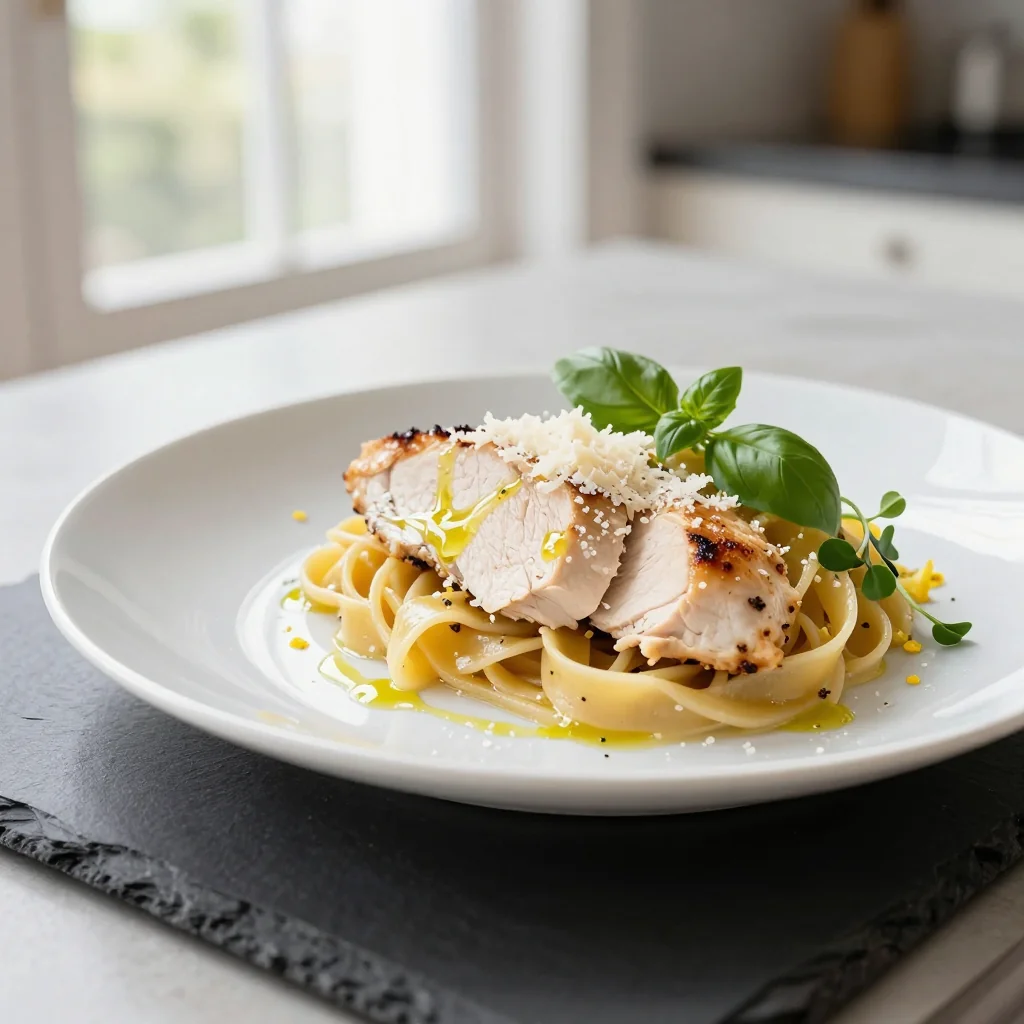
I was standing in my kitchen, half‑heartedly scrolling through a dozen take‑out menus, when my roommate shouted, “I dare you to make something that actually tastes better than the restaurant version!” I laughed, grabbed the nearest pan, and thought, “What if I could crank up the protein, keep the carbs friendly, and still get that comforting, one‑pan feel?” The next hour turned into a culinary showdown: chicken sizzling, orzo bubbling, and a chorus of veggies joining the party like a well‑rehearsed choir. The moment the broth hit the pan, it sang a low, buttery note that made my heart skip a beat—*that sizzle when it hits the pan? Chef’s kiss.* The aroma swirled around the kitchen like a warm hug, pulling the curtains of my apartment shut because I didn’t want anyone to miss the magic.
Picture yourself pulling this out of the oven, the whole kitchen smelling incredible, the steam curling up like soft white ribbons. The orzo is perfectly al dente, each grain coated in a broth that’s richer than a Greek yogurt‑laden sauce but lighter than a cloud. The chicken? It’s juicy, tender, and seasoned just enough to make your taste buds do a happy dance without overwhelming the other players. And the veggies? They retain a crisp‑tender bite that adds color, texture, and a burst of freshness that feels like spring on a plate, even if it’s a snow‑laden February night. I’ll be honest — I ate half the batch before anyone else got to try it, and that’s the kind of confession that proves this dish is addictive.
Most recipes get this completely wrong. They either drown the orzo in a soupy mess or leave the chicken dry and flavorless. Here’s what actually works: a 1:4 ratio of orzo to low‑sodium chicken broth, a quick sear on the chicken for those caramelized edges, and a finishing swirl of feta that melts just enough to create a creamy veil. The secret twist? A splash of fresh parsley at the end that lifts the whole dish like a bright, citrusy high note. I’m confident this is hands down the best version you’ll ever make at home, and I dare you to taste this and not go back for seconds.
Okay, ready for the game‑changer? Let me walk you through every single step — by the end, you’ll wonder how you ever made it any other way. Stay with me here — this is worth it.
⚡ What Makes This Version Stand Out
- Taste: The broth‑infused orzo absorbs every aromatic note, from oregano to garlic, creating a depth that rivals slow‑cooked stews.
- Texture: A perfect marriage of al‑dente pasta, tender chicken, and crisp veggies that keep every bite interesting.
- Simplicity: One‑pan, minimal cleanup, and a straightforward ingredient list that won’t make you run to the grocery store twice.
- Uniqueness: The feta crumble adds a tangy, creamy finish that most “healthy” chicken‑and‑rice dishes miss entirely.
- Crowd Reaction: Friends have called it “comfort food on steroids” and begged for the recipe after the first spoonful.
- Ingredient Quality: Using low‑sodium broth and fresh herbs lets the natural flavors shine without a sodium overload.
- Cooking Method: The stovetop‑only technique keeps the kitchen cool and the flavor locked in, unlike oven‑baked versions that dry out.
- Make‑Ahead Potential: This dish reheats beautifully, making it perfect for meal‑prep warriors who crave variety.
🍋 Inside the Ingredient List
The Flavor Base
Onion: This humble bulb is the aromatic backbone, releasing sweet sugars as it softens. If you skip it, the dish loses its underlying warmth and you’ll notice a flatness that no amount of seasoning can fix. A good tip is to dice it uniformly so it caramelizes evenly, giving you that golden‑brown kiss.
Garlic (minced): Garlic brings that sharp, pungent bite that instantly awakens the palate. Over‑cooking turns it bitter, so add it after the onion has softened and listen for that subtle sizzle. If you’re allergic, roasted garlic powder works, but you’ll miss the fresh pop.
Dried oregano & thyme: These herbs are the Mediterranean whisper that ties the whole dish together. They’re dry, so they release their oils slowly, infusing the broth with a fragrant earthiness. Fresh herbs could be used, but the dried version ensures consistency across batches.
The Texture Crew
Orzo pasta: Orzo is the star of the show, its rice‑like shape soaking up broth while staying firm. If you substitute with regular rice, you’ll lose the buttery mouthfeel that makes each bite feel luxurious. Look for the smallest orzo you can find; the tiny grains create a cohesive texture that’s hard to beat.
Chicken breast (boneless, skinless): This lean protein delivers a clean, mild flavor that absorbs the broth like a sponge. Over‑cooking turns it into a rubbery chew, so sear quickly then finish simmering. For extra juiciness, pound it to an even thickness before cooking.
Bell pepper & zucchini: These veggies add a sweet crunch and a splash of color that makes the plate pop. If you skip them, the dish feels one‑dimensional. Dice them uniformly so they cook at the same rate as the orzo.
The Unexpected Star
Cherry tomatoes (halved): Their burst of acidity cuts through the richness of the broth, preventing the dish from feeling heavy. If you don’t have fresh tomatoes, sun‑dried tomatoes work, but reduce the broth a bit to balance the intensity.
Spinach (chopped): Spinach wilts quickly, adding a velvety green layer that boosts nutrients without overwhelming texture. Toss it in at the end; it’ll shrink dramatically, so don’t be fooled by the small volume.
The Final Flourish
Feta cheese (crumbled): This salty, creamy crumble melts just enough to create a silky coating, turning the whole pan into a flavor‑packed hug. If you’re dairy‑free, substitute with a vegan feta or a sprinkle of nutritional yeast for a similar tang.
Fresh parsley (chopped): The final herbaceous lift that brightens the dish like a sunrise. Adding it at the very end preserves its fresh, grassy notes. If you’re out of parsley, cilantro can work, but it will change the flavor profile.
Everything's prepped? Good. Let’s get into the real action…

🔥 The Method — Step by Step
Heat a large, heavy‑bottomed skillet over medium‑high heat and drizzle in a tablespoon of olive oil. Once the oil shimmers, add the chicken breasts, seasoning them lightly with salt and pepper. Sear each side for about 3‑4 minutes until they develop a golden crust that smells like toasted almonds. This is the moment of truth – those caramelized edges will later shatter like thin ice when you bite into them.
Remove the chicken and set aside; in the same pan, toss in the diced onion and bell pepper. Stir continuously for 2‑3 minutes until the onion becomes translucent and the pepper softens, releasing a sweet perfume that fills the kitchen. Add the minced garlic and let it sizzle for just 30 seconds – watch out, it can burn fast!
🪄 Kitchen Hack: If you hear a faint pop, the garlic is perfect; if it turns brown, you’ve crossed the line.Now, crumble the chicken back into the pan, add the zucchini, and sprinkle the dried oregano, thyme, salt, and black pepper. Stir everything together so the spices coat each piece, creating a fragrant cloud that makes you want to inhale deeply. At this point, pour in the low‑sodium chicken broth, letting it bubble up and de‑glaze the pan, lifting any browned bits – those are flavor gold.
Add the orzo, making sure it’s evenly distributed across the liquid.
Reduce the heat to a gentle simmer, cover the pan, and let it cook for about 10‑12 minutes. You’ll hear a gentle hiss as the liquid is absorbed, and the orzo will swell like a tiny balloon.👀 Watch Out: If the broth starts to evaporate too quickly, lower the heat and add a splash of water; otherwise the orzo will turn mushy.While the orzo cooks, chop the spinach and halve the cherry tomatoes. When the timer dings, uncover the pan and give everything a good stir, then fold in the spinach and tomatoes. The heat will wilt the spinach in seconds, and the tomatoes will release a sweet juice that adds a burst of acidity.
🪄 Kitchen Hack: Toss the tomatoes in at the very end to keep their bright color and fresh flavor.Turn off the heat and let the pan sit, covered, for 2‑3 minutes. This resting period lets the residual steam finish cooking the orzo and meld all the flavors together, similar to letting a good wine breathe. Sprinkle the crumbled feta over the top; it will melt just enough to create a creamy veil.
Finish with a generous handful of freshly chopped parsley, giving the dish a pop of green that brightens every bite. Give the whole pan one last gentle toss, making sure the parsley is evenly distributed. Taste and adjust salt or pepper if needed – remember, you can always add more, but you can’t take it out.
Serve hot, straight from the pan, or plate it up for a more formal presentation. Pair with a crisp white wine or a sparkling water with a slice of lemon for a balanced meal. I dare you to taste this and not go back for seconds; the answer is always “yes.”
That’s it — you did it. But hold on, I’ve got a few more tricks that'll take this to another level…
🏆 Insider Tricks for Flawless Results
The Temperature Rule Nobody Follows
Keep the initial sear on medium‑high, then drop to low‑medium once the broth is added. This prevents the orzo from cooking too fast on the outside while staying raw inside. I once tried a “high‑heat everything” approach and ended up with a burnt bottom and undercooked pasta – a culinary disaster that taught me the value of gentle simmering.
Why Your Nose Knows Best
When the broth starts to bubble, lean in and sniff. If you catch a faint caramel note, you’re on the right track; if it smells metallic, you’ve likely over‑salted. Trust that instinct – it’s more reliable than any timer.
The 5‑Minute Rest That Changes Everything
After turning off the heat, let the pan sit covered for exactly five minutes. This rest allows the starches in the orzo to settle, giving you a silkier mouthfeel. Skipping this step is like serving a cake without letting it cool – the texture suffers.
Feta Timing is Everything
Add the feta at the very end, while the pan is still warm but off the heat. The cheese softens just enough to melt into the sauce without becoming stringy. If you add it too early, it will dissolve completely and you’ll lose that delightful crumbly contrast.
Prep‑Ahead Power Move
Dice all veggies and measure out spices the night before. Store them in airtight containers, and you’ll shave off 10‑15 minutes on cooking day. This is the secret I use for busy weeknights when I still want a gourmet vibe.
🎨 Creative Twists & Variations
This recipe is a playground. Here are some of my favorite ways to switch things up:
Mediterranean Sunset
Swap the chicken for marinated shrimp and add Kalamata olives. The briny olives complement the feta, while the shrimp cook in just 2 minutes, turning the dish into a coastal feast perfect for summer evenings.
Spicy Southwest
Introduce a teaspoon of chipotle powder and replace the parsley with cilantro. Toss in black beans and corn for extra texture, and finish with a squeeze of lime for a zing that wakes up the palate.
Creamy Mushroom Delight
Add sliced cremini mushrooms when you sauté the onions, and stir in a splash of half‑and‑half at the end. The mushrooms add an earthy depth, and the cream rounds out the sauce for a richer mouthfeel.
Vegan Power Bowl
Replace chicken with firm tofu cubes, use vegetable broth, and swap feta for a crumble of tofu feta or nutritional yeast. The result is a plant‑based powerhouse that still delivers the protein punch.
Herb‑Infused Luxury
Add a handful of fresh basil and a drizzle of pesto right before serving. The basil adds a sweet, peppery note, while the pesto introduces a nutty, garlicky richness that elevates the dish to restaurant quality.
❄️ Storing & Bringing It Back to Life
Fridge Storage
Transfer leftovers to an airtight container and refrigerate for up to 4 days. The flavors actually deepen after a night, making it even more satisfying on day two.
Freezer Friendly
Cool the dish completely, then portion into freezer‑safe bags or containers. It freezes beautifully for up to 3 months. When ready to eat, thaw overnight in the fridge and reheat on the stovetop with a splash of broth.
Best Reheating Method
Place the portion in a skillet over low heat, add a tablespoon of water or broth, and cover for 3‑4 minutes. The added moisture steams the orzo back to its original fluffy texture, preventing the dreaded dry bite.