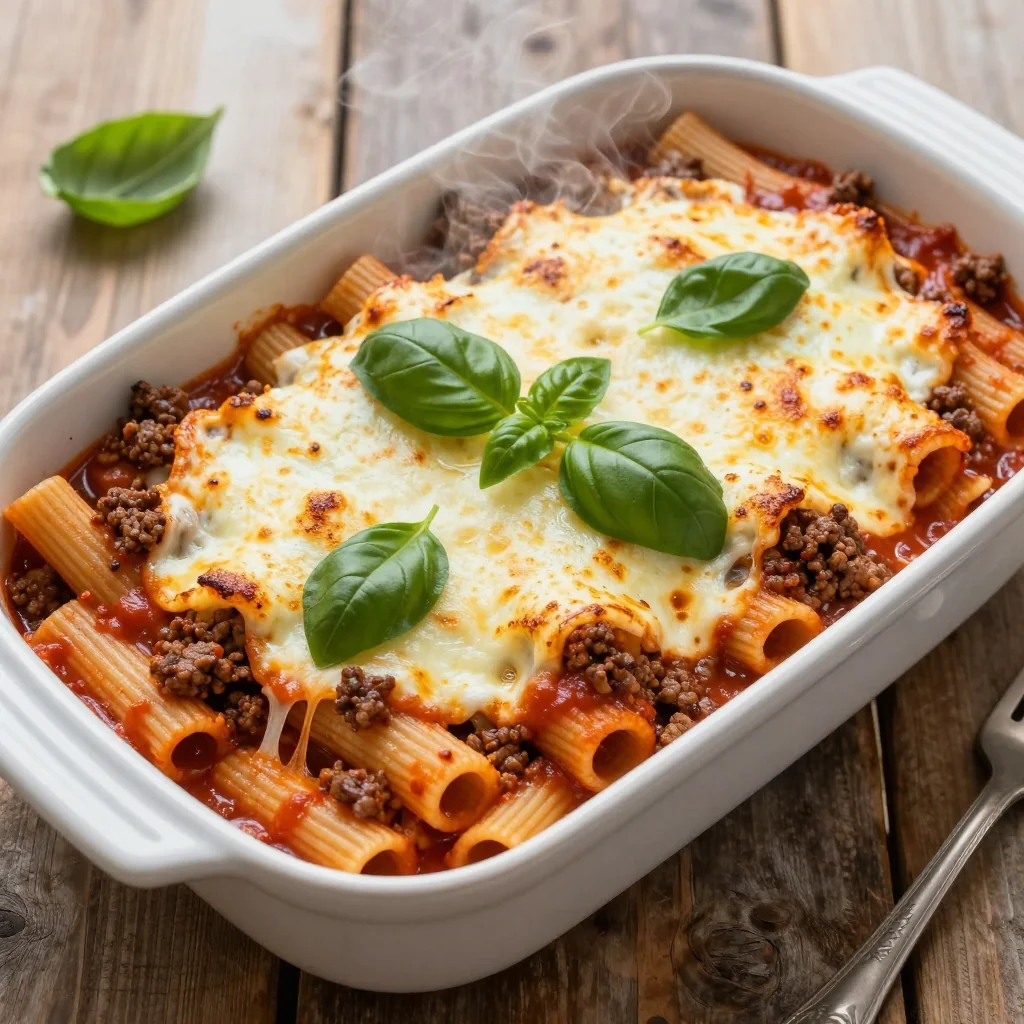
It started on a rainy Tuesday when I was scrolling through Pinterest, searching for a dish that could turn a dreary evening into a culinary celebration. The picture that caught my eye was a golden, steaming skillet of lasagna, but instead of the usual tomato base, it swirled with velvety pumpkin puree and a whisper of sage. I laughed because I was convinced that pumpkin lasagna would be a winter thing, but the aroma that hit my kitchen when I opened the pantry was unmistakably fall—spiced, comforting, and utterly irresistible. I was already half convinced that this was the missing piece to my recipe repertoire.
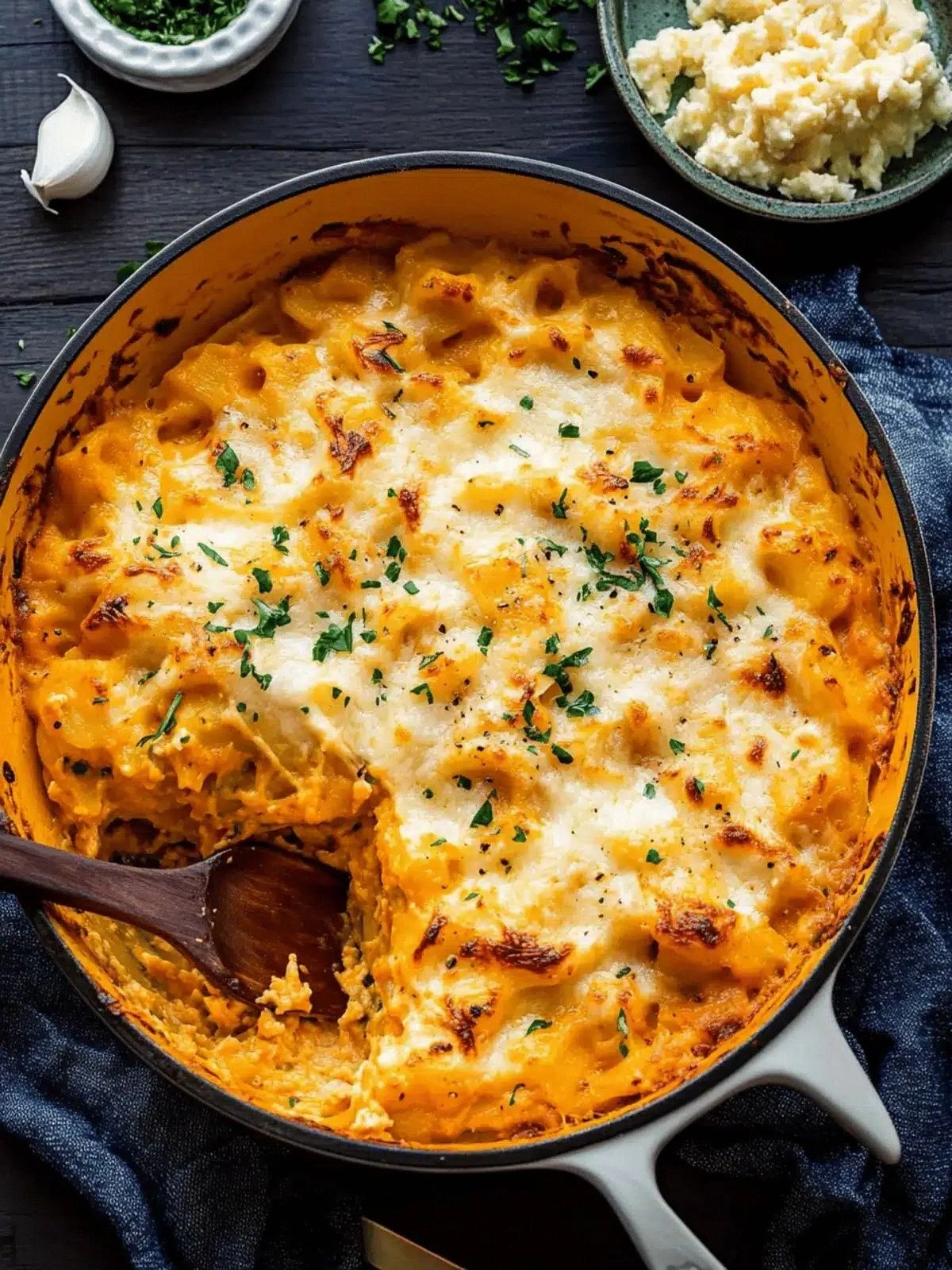
Picture the scene: the skillet glistens under the kitchen light, the sauce bubbling like a slow‑moving sunrise. The scent of sautéed onions and garlic mingles with the earthy perfume of fresh sage, and a faint hint of red pepper flakes promises a gentle heat. Every spoonful feels like a hug—rich pumpkin, tender turkey, and a creamy blend of ricotta and mozzarella that melt into a silky sauce. The texture is a delightful contrast: the noodles are al dente, the cheese forms a golden crust that cracks like thin ice when you lift the spoon.
What makes this version stand out is not just the combination of flavors but the meticulous layering of ingredients that creates a symphony of taste and texture. I dare you to taste this and not go back for seconds because the moment the sauce coats the pasta, you’ll know you’ve found a new comfort food. I’ll be honest—after the first bite, I ate half the batch before anyone else even got a taste. Most recipes get this completely wrong by overcooking the noodles or using too much cheese, but here everything balances like a perfectly tuned orchestra.
This isn’t a recipe you’ll find in a textbook; it’s a kitchen experiment that turned into a family favorite. The secret is a single technique that I discovered when I was trying to keep the pumpkin from turning the sauce too thick. I added a splash of chicken broth early on, and the result was a silky, glossy sauce that clings to the noodles like velvet. Picture yourself pulling this out of the oven, the whole kitchen smelling incredible, and knowing you’ve made the best lasagna skillet at home. Let me walk you through every single step—by the end, you’ll wonder how you ever made it any other way.
What Makes This Version Stand Out
- Flavor Depth: The blend of ground turkey, pumpkin puree, and fresh herbs creates a savory-sweet profile that’s both comforting and sophisticated.
- Texture Contrast: The noodles stay firm, the cheese melts into a silky blanket, and the edges develop a crisp golden crust.
- Ingredient Quality: Using 93% lean turkey and part‑skim cheeses keeps the dish light without sacrificing richness.
- Time Efficiency: All the work is done in a single skillet, so cleanup is minimal and the dish is ready in under 45 minutes.
- Make‑Ahead Friendly: Assemble in advance, cover, and bake later; the flavors only deepen.
- Crowd Appeal: It’s a safe bet for picky eaters—sweet pumpkin, mild turkey, and melty cheese are universally loved.
- Versatility: Swap turkey for ground beef or plant‑based mince, and you still get the same comforting experience.
- Seasonal Touch: Pumpkin is the star of fall, but the dish works year‑round if you replace it with butternut squash or a simple béchamel.
Alright, let's break down exactly what goes into this masterpiece. And now the fun part: you’re about to discover a kitchen hack that will make your next skillet lasagna even smoother.
Inside the Ingredient List
The Flavor Base
Extra virgin olive oil is the first layer of flavor; it’s not just a cooking medium but a subtle, fruity undertone that complements the turkey. Ground turkey at 93% lean gives the dish a robust protein presence without the heaviness of beef. The medium yellow onion, finely diced, releases a sweet aroma as it caramelizes, forming the aromatic foundation of the sauce. Two cloves of garlic add depth and a slight bite; sautéing them until fragrant but not browned preserves their bright flavor.
The Texture Crew
Lasagna noodles in this recipe are cut into smaller rectangles to fit the skillet perfectly. They absorb the sauce without becoming mushy when cooked at a moderate temperature. Part‑skim ricotta, with its creamy consistency, adds body to the sauce and balances the pumpkin’s sweetness. Parmesan cheese provides a nutty, umami punch that also contributes to the golden crust. Mozzarella’s meltability creates a gooey, irresistible surface that pulls at the edges like a warm blanket.
If you skip the ricotta, the sauce will be thinner and less cohesive. Skipping the mozzarella will result in a less satisfying melt, while omitting the Parmesan will reduce the depth of flavor. For those who prefer a dairy‑free version, coconut cream can replace ricotta and a dairy‑free cheese blend can replace the others.
The Unexpected Star
Pumpkin puree isn’t just a flavor enhancer—it also thickens the sauce naturally. The 15‑ounce jar is packed with vitamins, antioxidants, and a subtle sweetness that pairs beautifully with savory turkey. The 3.25 cups of chicken broth adjust the sauce’s consistency; a little less broth will give a thicker, richer sauce, while more will keep it silky. The red pepper flakes add a whisper of heat that balances the sweetness without overpowering the dish.
A tip for sourcing pumpkin puree: look for varieties that are pure pumpkin with no added sugars or thickeners. If you’re using canned, choose one labeled “pumpkin” rather than “pumpkin pie filling.” This ensures a clean flavor profile and avoids unwanted sweetness.
The Final Flourish
Fresh sage and thyme are the aromatics that tie everything together. Sage’s earthy, peppery notes contrast the pumpkin’s sweetness, while thyme offers a subtle, slightly floral undertone. Chopped parsley provides a bright, herbal finish that lifts the dish’s overall flavor. The combination of fresh herbs versus dried ones is crucial; fresh herbs release their oils when heated, giving the dish a vibrant aroma.
Everything's prepped? Good. Let's get into the real action. But first, remember the kitchen hack: lightly oil the skillet to keep the noodles from sticking.
The Method — Step by Step
- Heat a large, heavy‑bottom skillet over medium heat. Add the two tablespoons of extra virgin olive oil and let it shimmer. This initial step ensures the skillet is hot enough to sear the turkey without burning. I’ve found that a hot skillet gives the turkey a beautiful golden crust that locks in juices.
- Add the ground turkey to the skillet, breaking it up with a spatula. Cook until it’s browned and no longer pink, about 5–7 minutes. Stir occasionally to keep the pieces moist. The key is to let the turkey develop a slight char; it adds depth to the sauce.
- Introduce the diced onion and minced garlic. Sauté until the onion turns translucent and starts to caramelize, about 3–4 minutes. The aroma that rises will make your kitchen feel like a cozy cabin. Don’t rush this step; the onion’s sweetness is essential.
- Stir in the 1 teaspoon of kosher salt and the fresh sage and thyme. The herbs wilt almost immediately, releasing their oils. This is the moment of truth—the sauce should smell toasty and herbaceous. If you’re feeling adventurous, add a pinch of black pepper for a subtle kick.
- Pour in the pumpkin puree and pour the chicken broth slowly, stirring constantly. The mixture should begin to thicken and coat the turkey. Allow it to simmer for 5 minutes; the sauce will develop a silky texture that coats the noodles. If the sauce is too thick, add a splash more broth.
- Add the lasagna noodles, breaking them into smaller pieces if necessary. Fold them into the sauce until they’re evenly coated. The noodles should be slightly undercooked at this stage; they will finish cooking in the oven. This step is where the skillet’s magic happens—everything layers together.
- Spread half of the ricotta over the noodles, then sprinkle half of the mozzarella and a third of the Parmesan. The cheeses melt into the sauce, creating a creamy, golden crust. This is pure bliss; the cheese will bubble and form a crust that cracks like thin ice when you lift the spoon.
- Top the layers with the remaining ricotta, mozzarella, and Parmesan. Drizzle a little olive oil over the top and place the skillet in a preheated 375°F oven. Bake for 20–25 minutes until the cheese is bubbly and the edges are golden brown. The smell that fills the kitchen will make you forget you’re even cooking.
- Remove the skillet from the oven and let it rest for 5 minutes. This allows the sauce to set and the flavors to meld. Sprinkle chopped parsley over the top for a fresh, herbal finish. Slice and serve hot, and watch the steam rise like a comforting cloud.
That's it—you did it. But hold on, I've got a few more tricks that'll take this to another level. Keep reading to discover how to elevate your skillet lasagna from good to unforgettable.
Insider Tricks for Flawless Results
The Temperature Rule Nobody Follows
Many people think that a high heat is the secret to a golden crust, but it’s actually the opposite. Baking at 375°F ensures the cheese melts evenly without burning the bottom. If you’re using a cast‑iron skillet, preheat it for a few minutes before adding the oil; this helps maintain a steady temperature throughout the cooking process.
Why Your Nose Knows Best
Trust your nose when the sauce starts to thicken. A slightly glossy, caramelized aroma signals that the sugars in the pumpkin and onions are developing. If the scent is sharp or burnt, lower the heat and give it a minute to settle. Your nose is the best judge of doneness.
The 5‑Minute Rest That Changes Everything
Letting the skillet rest after baking is critical. During this period, the sauce continues to thicken and the flavors deepen. It also allows the cheese to set, making the dish easier to slice. Skipping this step can result in a runny, messy lasagna that’s hard to serve.
Cheese Layering Technique
Layering cheeses in alternating thin strips rather than a single block creates a more uniform melt. The mozzarella’s gooeyness spreads through the ricotta, while the Parmesan adds a nutty crunch. This method ensures every bite has a balanced cheese profile.
Stirring the Sauce Early
Stir the sauce every two minutes during the first 10 minutes of simmering. This prevents the pumpkin puree from sticking to the bottom and developing uneven texture. A quick stir keeps the sauce silky and prevents any burnt pockets.
Using Fresh Herbs Over Dried
Fresh herbs release their flavors when heated, whereas dried herbs can be harsh if not used sparingly. Adding fresh sage and thyme at the beginning of the sauté ensures their oils are fully incorporated. If you only have dried herbs, use half the quantity and add a pinch of fresh parsley at the end for brightness.
Creative Twists and Variations
This recipe is a playground. Here are some of my favorite ways to switch things up:
Smoky Chipotle Twist
Swap the red pepper flakes for a tablespoon of chipotle in adobo. The smoky heat adds a new dimension, making the dish feel like a campfire dinner. It pairs wonderfully with the sweet pumpkin and fresh herbs.
Vegan Version
Use plant‑based ground turkey or lentils, and replace the cheeses with vegan mozzarella and parmesan. The sauce stays creamy thanks to a splash of cashew cream. The result is a hearty, dairy‑free dish that still feels indulgent.
Cheesy Broccoli Boost
Add a cup of steamed broccoli florets after the noodles are folded into the sauce. The green vegetable adds color, crunch, and a nutritional punch. The broccoli’s mild flavor complements the pumpkin without competing.
Italian Herb Infusion
Replace the sage and thyme with a blend of rosemary, oregano, and basil. The Italian herbs give the dish a Mediterranean twist while still maintaining the comforting base. This variation is perfect for a dinner party with an Italian theme.
Spicy Sausage Variation
Swap the ground turkey for ground pork sausage. The pork’s richer fat content makes the sauce luxuriously silky. Add a dash of cayenne pepper for an extra kick that balances the sweetness.
Butternut Squash Swap
Use butternut squash puree instead of pumpkin for a slightly sweeter, nuttier flavor. The squash’s natural sugars caramelize beautifully, giving the sauce a deeper amber hue. It’s a great fall alternative that still feels cozy.
Storing and Bringing It Back to Life
Fridge Storage
Cool the skillet completely, then cover tightly with foil or a lid. Store in the refrigerator for up to 3 days. When reheating, add a splash of water or broth to keep the sauce from drying out. The dish remains flavorful and the cheese stays melty.
Freezer Friendly
Wrap the skillet in foil and place it in a freezer bag. Freeze for up to 2 months. To reheat, thaw overnight in the refrigerator, then bake at 375°F for 25 minutes or until heated through. The texture will be slightly different but still delicious.
Best Reheating Method
Reheat in the oven at 350°F, covered with foil, for 15–20 minutes. The foil traps steam, keeping the sauce moist. Add a tablespoon of olive oil before covering to prevent the top from drying out. Serve immediately for the best experience.