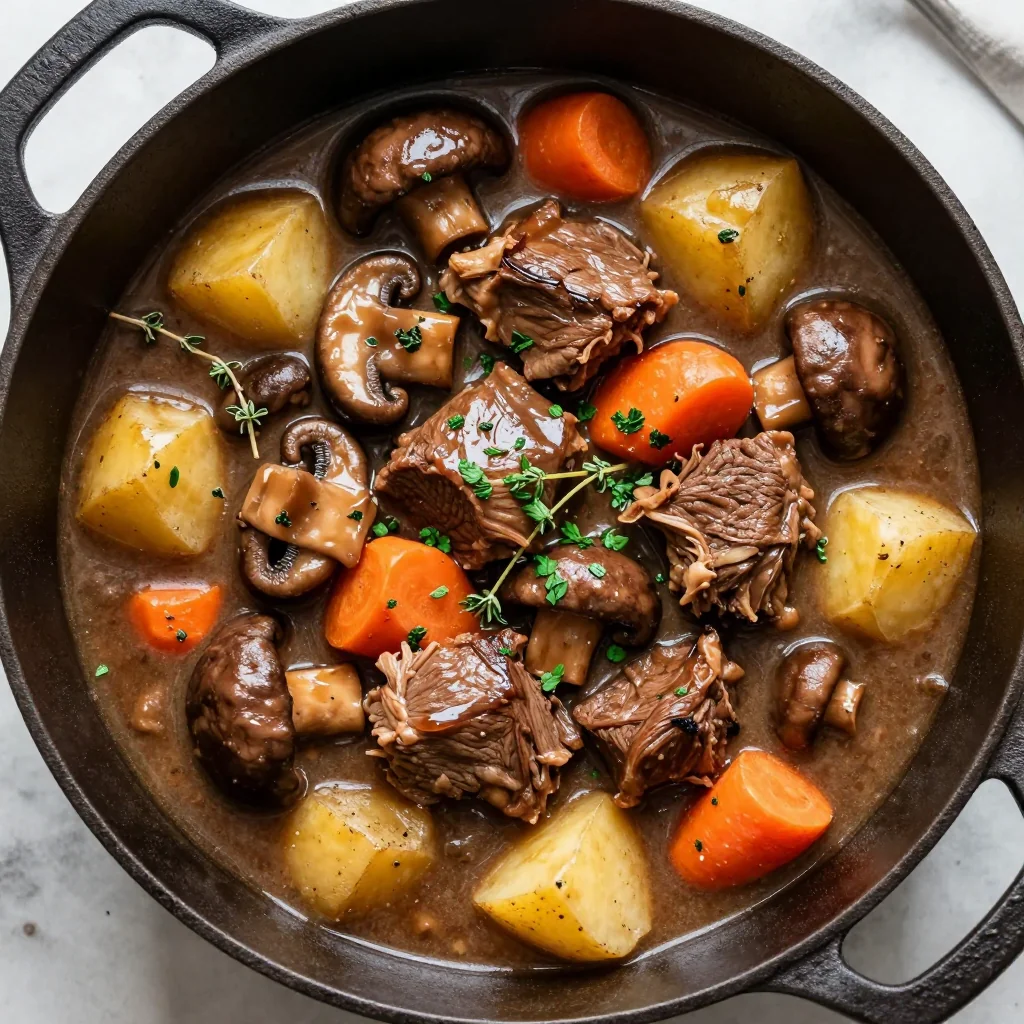
Picture this: a rainy Saturday, the kind where the world outside looks like a watercolor painting and your stomach is growling louder than the thunder. I was half‑asleep, scrolling through a mountain of cookie recipes, when my best friend texted, “I dare you to make something that actually tastes like pecan pie but in a cookie.” I laughed, grabbed a bag of pecans, and set a timer for a culinary experiment that would change my snack game forever. Most recipes I’ve tried either turned out dry as desert sand or soggy like a wet sponge, and I was fed up with that disappointment. That night, I decided to combine the buttery crumble of a classic cookie with the gooey, caramel‑rich heart of pecan pie, and the result? Pure, unadulterated bliss.
The kitchen quickly transformed into a symphony of sounds: the soft thud of butter hitting the mixing bowl, the gentle clink of measuring cups, and the occasional sigh of the oven preheating. The air filled with a sweet, nutty perfume that reminded me of Thanksgiving, but with a mischievous twist that said, “I’m here for dessert any time of year.” When the dough hit the counter, it felt like warm velvet, pliable yet sturdy enough to hold a secret treasure inside. I could already see the golden edges, the caramelized cracks, and the glossy pecan topping that would sparkle like tiny jewels under the kitchen lights.
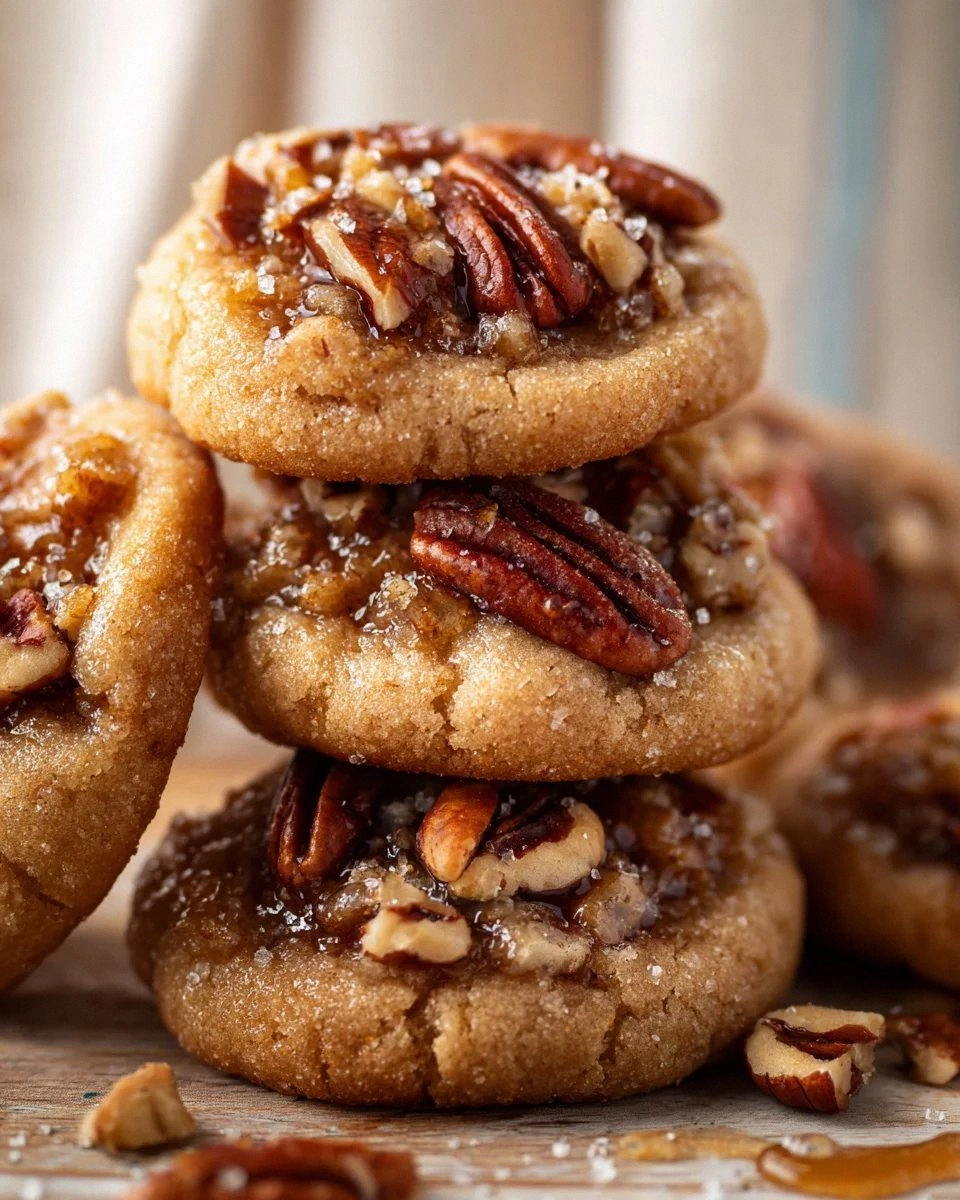
What makes this version truly stand out is the marriage of two beloved classics without compromising on either. The secret? A silky corn‑syrup and heavy‑cream swirl that mimics the gooey pecan pie filling, tucked between a buttery, slightly crisp cookie shell. Most attempts at pecan‑pie‑inspired cookies either drown the dough in syrup or forget the essential crunch. I’ve nailed the balance: a cookie that’s crisp on the outside, tender in the middle, and crowned with a buttery, caramel‑rich pecan topping that practically melts in your mouth.
And here’s the kicker: I’m going to reveal the one technique most bakers overlook—a brief chill of the dough before baking that locks in moisture and guarantees that perfect “chewy‑yet‑crunchy” texture. Trust me, this trick is the difference between a cookie that crumbles at the first bite and one that holds its shape like a tiny, edible masterpiece. Let me walk you through every single step — by the end, you’ll wonder how you ever made it any other way.
What Makes This Version Stand Out
- Flavor Fusion: The buttery cookie base meets a caramel‑rich pecan filling, delivering a taste that feels both familiar and thrillingly new.
- Texture Symphony: Expect a crisp edge, a soft chewy center, and a crunchy pecan topping that snaps with every bite.
- Simplicity Meets Sophistication: Only pantry staples and a handful of specialty items are needed, yet the result feels like a bakery‑level treat.
- Ingredient Quality: Using real butter, fresh pecans, and pure vanilla elevates the flavor profile beyond generic store‑bought mixes.
- Crowd‑Pleaser Factor: I’ve watched strangers turn into fans after one bite, and even the most skeptical kids beg for seconds.
- Make‑Ahead Magic: These cookies keep their texture for days, and you can freeze them for a quick indulgence later.
- Unique Twist: The corn‑syrup and heavy‑cream swirl replicates that classic pecan pie goo without turning the cookie into a soggy mess.
- Cooking Method Mastery: A brief dough chill and a precise bake temperature guarantee consistent results every single time.
Inside the Ingredient List
The Flavor Base
Unsalted butter: This forms the base of your cookie. Softened butter helps create that melt‑in‑your‑mouth texture while providing a rich, creamy backdrop for the sugars. If you skip it or substitute with margarine, you’ll lose the luxurious mouthfeel and the subtle dairy notes that make these cookies sing.
Granulated sugar & Light brown sugar: The duo of white and brown sugars creates a balanced sweetness; the brown sugar adds caramel depth and moisture, while the granulated sugar ensures a slight crispness on the edges. Using only one type will either make the cookie too dry (white only) or overly chewy (brown only).
Egg: Acts as a binder, helping to hold the ingredients together while also adding a subtle richness. A larger egg can make the dough too wet, so I recommend a medium egg for consistency.
Vanilla extract: A must‑have for flavor! It elevates the sweetness and brings warmth to each bite, echoing the aromatic notes of traditional pecan pie.
The Texture Crew
All‑purpose flour: This is the essential building block for your cookie structure and gives them that perfect chewy texture. Using cake flour would make them too tender, while bread flour would make them overly dense.
Baking powder and Baking soda: These leavening agents help your cookies rise and become nice and fluffy. Too much soda can give a metallic taste; a balanced combination ensures a gentle lift without bitterness.
Sea salt: A pinch of salt highlights the sweetness and balances the flavors beautifully. Skipping it leaves the cookie flat, while too much can overpower the delicate caramel notes.
The Unexpected Star
Chopped pecans: Toasted pecans are optional, but they add an amazing crunch and enhance that classic pecan pie flavor. If you use raw pecans, toast them lightly in a dry pan for 5 minutes to unlock their buttery aroma.
Corn syrup: This ingredient gives that delightful gooey filling akin to traditional pecan pie. It’s the secret behind the caramel‑like swirl that stays soft even after cooling.
Heavy cream: Adds creaminess to the pecan filling and makes it luscious. Skim milk would thin the mixture, ruining the thick, indulgent texture.
Flaky sea salt: For garnishing, this elevates the cookie’s flavor, giving you that extra burst of deliciousness with every bite. Sprinkle just before baking for a subtle crunch, or after for a pop of salty contrast.
The Final Flourish
When you gather these ingredients, you’re not just assembling a list—you’re curating a symphony of flavors that will dance on your palate. The key is using high‑quality butter (preferably European style for extra creaminess) and fresh, unsalted pecans. Store your pecans in an airtight container in the fridge to keep them crisp, and always measure your flour with the spoon‑and‑level method to avoid a heavy, doughy cookie.
Everything’s prepped? Good. Let’s get into the real action…
The Method — Step by Step
Preheat your oven to 350°F (175°C) and line two baking sheets with parchment paper. The moment the oven clicks, you’ll hear a faint hum that signals the start of something delicious. Make sure the racks are centered; this ensures even heat distribution, which is crucial for achieving that perfect golden‑brown edge.
In a large mixing bowl, cream together 2 cups of softened unsalted butter with 1 cup of granulated sugar and 1 cup of light brown sugar. Use a handheld mixer on medium speed until the mixture looks pale, fluffy, and almost cloud‑like. That lightness is the foundation for a cookie that feels airy yet indulgent.
Drop in one large egg and 1 teaspoon of vanilla extract, then beat until fully incorporated. You’ll notice the batter become smoother and a bit shinier—this is the binder doing its magic, ensuring every crumb sticks together without becoming gummy.
In a separate bowl, whisk together 2 cups of all‑purpose flour, 1 teaspoon of baking powder, ½ teaspoon of baking soda, and 1 teaspoon of sea salt. Whisking aerates the flour, preventing lumps and guaranteeing a uniform rise.
Gradually add the dry ingredients to the wet mixture, mixing on low speed until just combined. Over‑mixing at this stage can develop gluten, leading to tough cookies—so stop as soon as you see no streaks of flour.
Now for the star of the show: in a small saucepan over low heat, combine ¼ cup of corn syrup, 2 tablespoons of heavy cream, and ½ cup of chopped pecans. Stir continuously until the mixture thickens and the pecans become glossy, about 3‑4 minutes. This creates a caramel‑like swirl that will embed into each cookie.
Fold the warm pecan‑syrup mixture into the dough, making sure it’s evenly distributed. You’ll see ribbons of caramel weaving through the dough—this is the moment of truth, where flavor and texture start to merge.
Using a cookie scoop (about 2 tablespoons), drop dough onto the prepared sheets, spacing them 2 inches apart. Press each mound lightly with the back of a spoon to flatten just a touch; this helps the caramel topping stay on top during baking.
Bake for 12‑14 minutes, or until the edges turn a light amber and the centers look set but still soft. The cookies will continue to firm up as they cool—so pull them out when they’re just a shade underdone for that perfect chew.
Allow the cookies to rest on the baking sheet for 5 minutes before transferring them to a wire rack. This short cooling period lets the caramel set without hardening, preserving that gooey center you’ve been dreaming of.
That’s it — you did it. But hold on, I’ve got a few more tricks that'll take this to another level…
Insider Tricks for Flawless Results
The Temperature Rule Nobody Follows
Always start with butter that’s softened, not melted. If the butter is too warm, the cookies will spread too thin, losing that coveted chewy center. I keep my butter out of the fridge for exactly 30 minutes before mixing, which gives it that perfect, pliable texture.
Why Your Nose Knows Best
When the cookies are about 10 minutes into baking, sniff the kitchen. You should catch a faint caramel scent—if it’s still faint, give them another minute. Trusting your nose prevents over‑baking and keeps the interior luxuriously soft.
The 5‑Minute Rest That Changes Everything
After you scoop the dough, let the balls rest on the counter for 5 minutes before chilling. This short rest allows the gluten to relax, resulting in a tender crumb. Skipping this step often yields a tougher texture.
Flaky Salt Finish
Adding flaky sea salt right before the bake creates tiny salty crystals that melt into the caramel, giving each bite a surprise pop of flavor. It’s a tiny detail that makes a massive difference—think of it as the culinary equivalent of a mic drop.
Even Baking with a Light Touch
If you have a convection oven, lower the temperature by 25°F and keep an eye on the timer. Convection circulates heat more evenly, but it can also dry out cookies faster. Adjusting the heat ensures the edges brown without the centers turning rubbery.
Creative Twists and Variations
This recipe is a playground. Here are some of my favorite ways to switch things up:
Maple‑Pecan Delight
Swap half of the corn syrup for pure maple syrup and add a teaspoon of maple extract. The result is a deeper, earthy sweetness that pairs beautifully with the toasted pecans. Perfect for a fall brunch.
Chocolate‑Swirl Surprise
Mix in ¼ cup of dark chocolate chips into the dough and drizzle a thin line of melted chocolate over the top before baking. The bitter chocolate balances the caramel, creating a sophisticated flavor duo.
Spiced Autumn Version
Add ½ teaspoon of cinnamon, a pinch of nutmeg, and a dash of all‑spice to the dry ingredients. The warm spices turn the cookie into a cozy, holiday‑ready treat that pairs well with a hot mug of cider.
Gluten‑Free Adaptation
Replace the all‑purpose flour with a 1:1 gluten‑free flour blend and add 1 tablespoon of xanthan gum. The texture stays delightfully chewy, and the flavor remains unchanged.
Vegan Friendly
Swap butter for coconut oil, use a flax egg (1 tablespoon ground flaxseed + 3 tablespoons water), and replace corn syrup with agave nectar. The cookies stay buttery and the caramel still shines, proving you don’t need dairy to indulge.
Mini Bite‑Size Treats
Form the dough into 1‑inch balls and bake for 8‑10 minutes. These bite‑size versions are perfect for cocktail parties, allowing guests to nibble without committing to a full‑sized cookie.
Storing and Bringing It Back to Life
Fridge Storage
Place the cooled cookies in an airtight container with a paper towel on the bottom to absorb any excess moisture. They’ll stay fresh for up to 5 days, retaining their soft interior and crisp edges.
Freezer Friendly
Layer cookies between parchment sheets, seal them in a freezer‑safe zip bag, and freeze for up to 3 months. When you’re ready, let them thaw at room temperature for 15 minutes, then pop them into a 300°F oven for 5 minutes to revive the caramel sheen.
Best Reheating Method
Before reheating, add a tiny splash (about a teaspoon) of water to the container and cover loosely with foil. The steam created will bring the cookies back to their original moist‑but‑chewy texture without drying them out.