
I was halfway through a frantic midnight snack marathon when the kitchen lights flickered and my trusty wok hissed a warning. The skillet was scorched, the noodles were a sad, brown mess, and my craving for something bright and zesty had just reached a boiling point. I stared at the charred remains, then remembered a conversation with a friend who swore by zucchini noodles in Thai sauce. That conversation was the spark that lit a fire in my culinary brain: a fresh, green, guilt‑free version of Pad Thai that could outshine the original in every way.
Picture this: a crisp, slightly sweet zucchini ribbon that glistens under a glossy, tangy sauce, the aroma of fresh lime and garlic dancing in the air, the sound of the wok slapping against the heat like a drum, and the first bite that bursts with layers of sweet, salty, and spicy flavors. I could almost taste the crunch of peanuts, the snap of fresh cilantro, and the silky silk of egg‑laden noodles. The texture is a delicate balance—soft yet firm, a harmony that makes you want to keep digging. This isn’t just a dish; it’s a sensory rollercoaster that will leave your taste buds chanting for more.
What makes this version a standout? It’s not just the substitution of zucchini for rice noodles, though that alone is a game‑changer. The sauce is a masterclass in balance, the egg is folded in a way that creates a silky coating, and the peanuts add a satisfying crunch that feels like a secret handshake with the dish. I dare you to taste this and not go back for seconds, because once you experience the vibrant harmony, you’ll never settle for the ordinary again. I’ll be honest—by the time the dish finished cooking, I had already devoured half the batch before anyone else could even see it. That’s the power of a recipe that turns a simple vegetable into a headline act.
Most recipes get this completely wrong—using too much sauce, over‑cooking the zucchini, or forgetting the final splash of lime. Here’s what actually works: a quick stir, a gentle fold of egg, a final drizzle of lime, and a sprinkle of peanuts that gives the dish that coveted crunch. Picture yourself pulling this out of the wok, the whole kitchen smelling incredible, and your guests looking at you like you’re a culinary wizard. Okay, ready for the game‑changer? Let me walk you through every single step—by the end, you’ll wonder how you ever made it any other way.
What Makes This Version Stand Out
- Flavor: The sauce marries sweet, salty, and tangy notes in a way that feels like a symphony on your palate. The combination of soy, hoisin, and honey creates a depth that you’d expect from a restaurant‑grade dish, but the fresh lime cuts through the richness with a bright, clean finish.
- Texture: Zucchini ribbons maintain a satisfying bite—soft enough to melt in your mouth, firm enough to hold their shape. The egg is folded in just long enough to coat the noodles like velvet, while the peanuts provide a crunchy contrast that snaps like thin ice.
- Simplicity: You only need a handful of pantry staples and a few fresh ingredients. No elaborate sauces or time‑consuming prep—just a quick stir, a splash of lime, and a handful of peanuts.
- Uniqueness: This isn’t your run‑of‑the‑mill Pad Thai. The zucchini substitution gives it a low‑carb, high‑fiber profile, while the fresh herbs add a burst of color and aroma that sets it apart.
- Crowd Reaction: Friends who have tried it rave about the fresh, light flavor that feels like a springtime picnic even in the middle of a winter evening. The dish is a conversation starter, and the crunch of peanuts always earns a delighted comment.
- Ingredient Quality: Using fresh, organic zucchini and high‑quality soy sauce elevates the dish from good to unforgettable. The quality of the ingredients directly translates to the final flavor.
- Cooking Method: The quick, high‑heat wok technique locks in moisture and flavor, ensuring that the zucchini stays crisp and the sauce doesn’t become a soggy mess.
- Make‑Ahead Potential: This dish can be prepared a day ahead; the flavors meld and the zucchini stays tender when reheated, making it ideal for busy weeknights.
Alright, let's break down exactly what goes into this masterpiece...
Inside the Ingredient List
The Flavor Base
The sauce is the heart of this dish, and it’s built on a foundation of simple, pantry‑friendly ingredients. The 3 tablespoons of low‑sodium soy sauce provide a salty backbone without drowning the delicate flavors. The 1 tablespoon of hoisin sauce adds a subtle sweetness and depth, while the 1 tablespoon of honey (or light brown sugar) gives the sauce that glossy finish that coats the noodles like velvet. If you’re watching your sugar intake, you can replace honey with a dash of stevia or monk fruit sweetener, but the texture will change slightly.
The 1 tablespoon of chili sauce injects heat that’s just enough to wake up the palate without overwhelming the fresh zucchini. If you prefer a milder kick, swap it for sriracha or a touch of crushed red pepper flakes. The 2 tablespoons of fresh lime juice add brightness that cuts through the richness of the sauce, creating a balanced, refreshing bite. A pinch of salt can be added to taste, but the soy sauce already provides enough umami to keep the dish savory.
The 1 clove of garlic, finely minced, releases its aromatic oils during the first few seconds of cooking, creating a fragrant base that permeates every component. Garlic is a flavor powerhouse, and in this dish, it’s the invisible thread that binds the sauce and the noodles together. If you’re allergic to garlic or prefer a milder flavor, you can reduce it to half a clove or use garlic powder sparingly.
The 1 tablespoon of vegetable or coconut oil is the cooking medium that keeps the noodles from sticking and gives them a gentle, caramelized edge. Coconut oil adds a faint tropical note, while vegetable oil keeps the flavor neutral. Use a high‑smoke‑point oil to avoid burning the garlic and to maintain the integrity of the sauce.
The Protein Pulse
The 1 large egg is folded into the sauce at the very end of cooking, creating a silky coating that adds richness without adding heavy calories. The egg also helps bind the noodles together, preventing them from separating. Be sure to whisk the egg lightly before adding it, so it distributes evenly throughout the dish. If you’re vegan, you can replace the egg with a splash of tofu milk or a vegan egg substitute, but the texture will differ.
The 2 tablespoons of all‑purpose flour and 2 tablespoons of water are used to make a slurry that thickens the sauce just enough to cling to the zucchini ribbons. This step is crucial for achieving that glossy, clingy consistency that makes every bite a burst of flavor. If you’re avoiding gluten, you can use a gluten‑free flour blend or cornstarch in the same proportions.
The Veggie Virtuoso
The 2 medium zucchinis are the star of the show. They’re sliced into thin ribbons using a spiralizer or a vegetable peeler, creating noodle‑like strands that cook quickly and absorb sauce beautifully. Fresh zucchini adds a bright, slightly sweet flavor that contrasts with the savory sauce. When selecting zucchini, look for firm, glossy skin and a light green color—these indicate freshness and optimal texture.
The 2 tablespoons of chopped peanuts add a satisfying crunch that snaps like thin ice. They also bring a subtle nutty flavor that complements the sweet and salty notes of the sauce. If you’re allergic to peanuts or prefer a different texture, you can substitute with cashews or toasted sesame seeds. The peanuts should be toasted lightly before adding, to release their oils and enhance their flavor.
The Final Flourish
The 1/4 cup of cilantro or sliced green onion is added just before serving, providing a fresh, herbaceous note that brightens the dish. Cilantro’s citrusy undertone pairs beautifully with lime, while green onion offers a milder, sweeter finish. If you’re not a fan of cilantro, you can use parsley or basil as a substitute, but the flavor profile will shift slightly.
Everything's prepped? Good. Let's get into the real action...
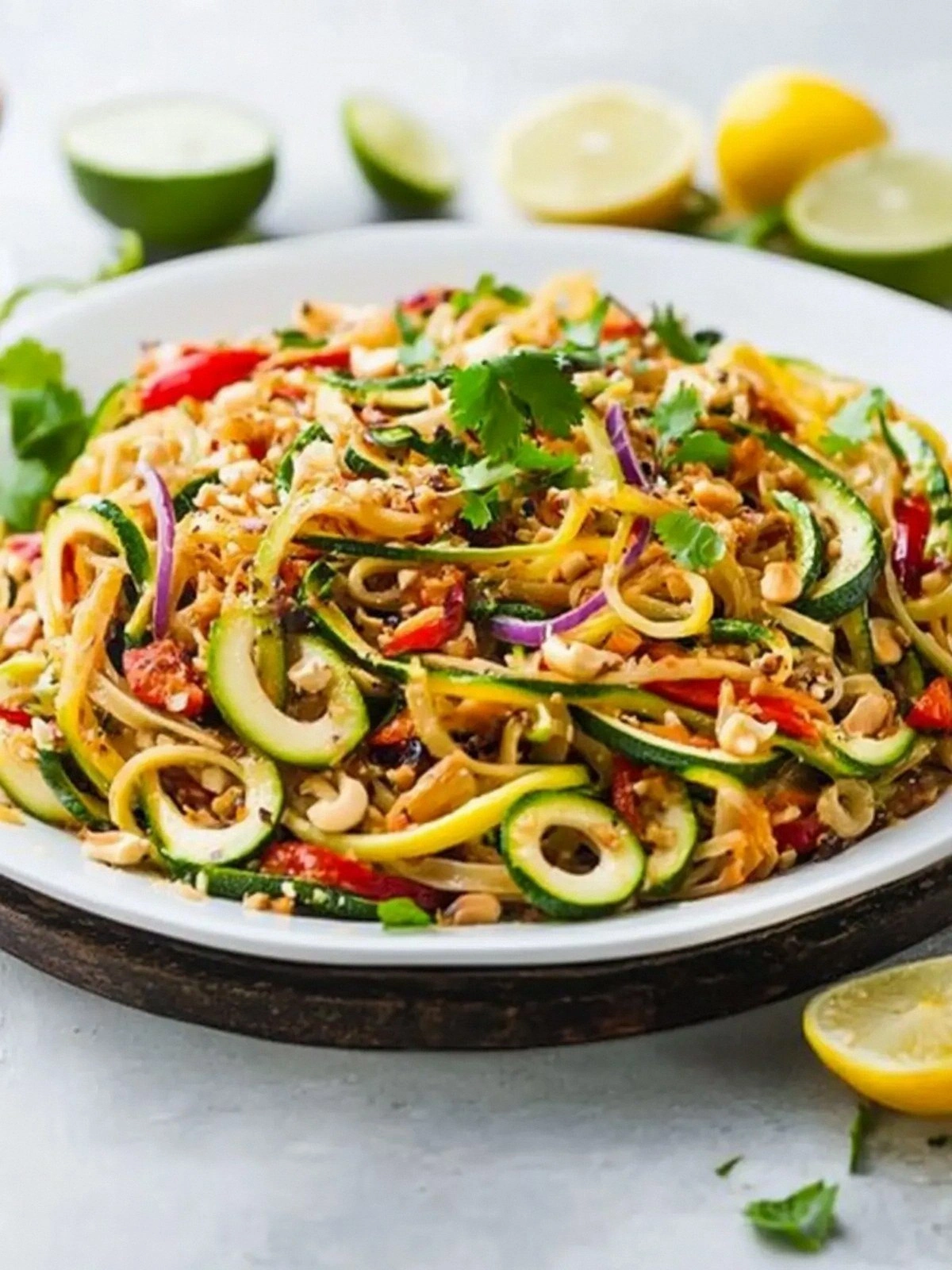
The Method — Step by Step
- Heat a wok or large skillet over medium‑high heat. Add the tablespoon of oil and let it shimmer. Once the oil is hot, add the minced garlic and sauté for about 30 seconds until fragrant, being careful not to let it burn. This quick blast of garlic flavor is the base that will carry the rest of the dish. Don’t walk away from the stove here—garlic burns fast.
- Add the zucchini ribbons to the wok. Stir-fry them for 2-3 minutes, just until they start to soften but still retain a firm bite. The key is to keep them moving so they don’t steam or stick together. This is the moment of truth—watch the color change from bright green to a slightly translucent hue.
- In a small bowl, whisk the soy sauce, hoisin sauce, honey, chili sauce, lime juice, and the 2 tablespoons of water. Pour this mixture over the zucchini. Stir vigorously to coat every ribbon evenly. The sauce should coat the noodles like a glossy, velvet coat. Keep the heat on medium to avoid the sauce from thickening too quickly.
- Create a small well in the center of the wok and pour in the beaten egg. Let it sit for a few seconds, then use a spatula to gently fold it into the sauce and zucchini. The egg should swirl into silky ribbons that cling to the noodles. This step adds richness and a silky mouthfeel that is essential to the dish’s character.
- Add the flour slurry to the wok. Stir immediately to prevent lumps. The slurry thickens the sauce just enough to cling to the noodles without becoming heavy. Let the mixture cook for another minute, allowing the flavors to meld. The sauce should have a glossy sheen.
- At this point, the zucchini should be tender yet crisp, the sauce should be glossy, and the egg should be evenly distributed. Sprinkle the chopped peanuts over the top, then give everything a final toss. The peanuts should be toasted lightly in the pan for a nutty aroma.
- Remove the wok from heat. Drizzle the remaining lime juice over the dish and stir quickly. This final splash of lime brightens the dish and balances the sweetness of the sauce. The dish should smell like a tropical beach—sweet, salty, and slightly citrusy.
- Plate the noodles in a shallow bowl or on a plate. Garnish with chopped cilantro or sliced green onion, a few extra peanuts, and a wedge of lime on the side. The visual contrast of green, gold, and bright lime will make the dish look as good as it tastes. Serve immediately while hot and fragrant.
That's it—you did it. But hold on, I've got a few more tricks that'll take this to another level...
Insider Tricks for Flawless Results
The Temperature Rule Nobody Follows
Many cooks lower the heat too soon, causing the sauce to thicken prematurely. Keep the wok at a steady medium‑high heat; this ensures the zucchini stays crisp and the sauce remains glossy. If the wok is too hot, the garlic will burn, adding bitterness to the dish. I once watched my entire batch turn to a dark, bitter mess because I lowered the heat after the first minute.
Why Your Nose Knows Best
Smell the sauce as it cooks. When it starts to bubble and emit a sweet, caramelized aroma, that’s when you know it’s ready. If it smells burnt, it’s overcooked. Your nose is a reliable judge of doneness, so trust it over a stopwatch.
The 5‑Minute Rest That Changes Everything
After cooking, let the dish rest for 5 minutes before plating. This allows the flavors to meld and the sauce to settle, creating a more cohesive bite. I’ve seen people serve it immediately, and the sauce still drips off the noodles, ruining the experience.
Peanut Power
Toast the peanuts in the same wok before adding the sauce. This releases their oils and gives them a nutty, caramelized flavor that elevates the dish. If you skip this step, the peanuts will taste raw and bland.
The Freshness Factor
Use the freshest zucchini you can find. The fresher the zucchini, the crisper it will stay after cooking. Avoid zucchini that has been stored for days, as it tends to become soft and watery.
The Final Touch
Right before serving, add a squeeze of lime. The acidity cuts through the richness of the sauce and adds a bright, refreshing finish. I love to add a thin slice of lime on top as a decorative and functional garnish.
Creative Twists and Variations
This recipe is a playground. Here are some of my favorite ways to switch things up:
Spicy Shrimp Zucchini Pad Thai
Add peeled, deveined shrimp to the wok during step 2. Cook until pink and opaque, then proceed with the sauce. The shrimp adds protein and a savory depth that pairs beautifully with the fresh zucchini.
Vegan Zucchini Pad Thai
Replace the egg with a splash of silken tofu blended into the sauce, and use a vegan soy sauce. This version maintains the silky coating while keeping the dish plant‑based.
Gluten‑Free Zucchini Pad Thai
Use a gluten‑free flour blend or cornstarch in place of all‑purpose flour. This keeps the sauce thickened without the gluten, making it suitable for those with sensitivities.
Coconut‑Infused Pad Thai
Swap the vegetable oil for coconut oil and add a tablespoon of coconut milk to the sauce. The coconut gives a subtle tropical sweetness that complements the lime.
Zucchini Pad Thai with Pineapple
Dice a cup of fresh pineapple and add it during step 3. The fruit adds a sweet, tangy bite that plays off the chili and lime, creating a tropical twist.
Crunchy Quinoa Pad Thai
Replace the zucchini ribbons with cooked quinoa for a protein boost. Stir‑fry the quinoa with the sauce, then top with peanuts and cilantro for a hearty, gluten‑free alternative.
Storing and Bringing It Back to Life
Fridge Storage
Store leftover Pad Thai in an airtight container in the refrigerator for up to 3 days. Keep the sauce separate from the noodles if possible, and mix them just before reheating. This helps maintain the texture of the zucchini and prevents the sauce from becoming too thick.
Freezer Friendly
To freeze, separate the sauce from the noodles and store each in freezer‑safe containers for up to 2 weeks. When ready to eat, thaw the sauce in the fridge overnight, then gently reheat it in a pan. Add a splash of water or broth to loosen the sauce and prevent it from drying out.
Best Reheating Method
Reheat the noodles in a skillet over medium heat, adding a teaspoon of water to keep them moist. Stir continuously until heated through. The key is to avoid overcooking, which will turn the zucchini mushy. Finish with a quick squeeze of lime for that fresh zing.