Love this? Pin it for later! 📌
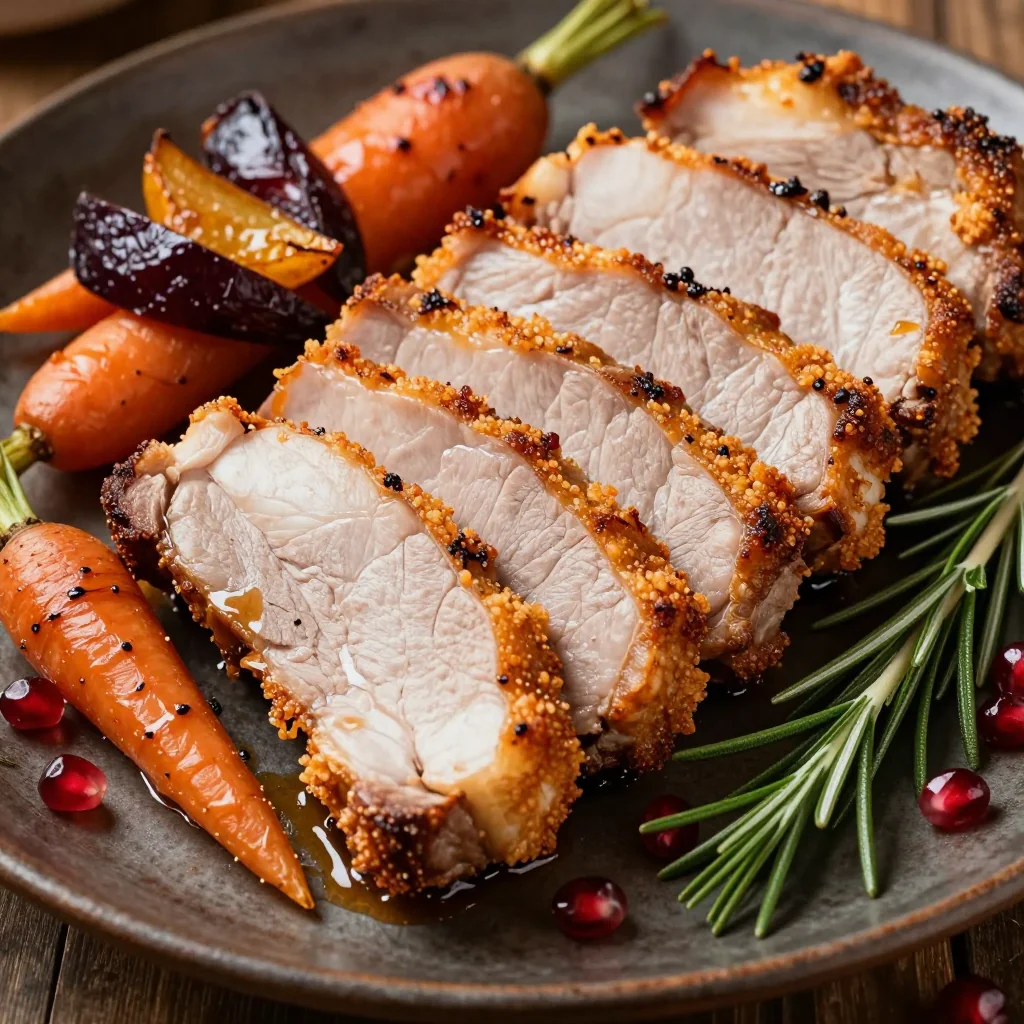
What makes this recipe truly special is its forgiving nature. Unlike the high-stress timing required for beef tenderloin or the constant basting demanded by turkey, this pork loin practically cooks itself. The gentle heat renders the pork incredibly tender while creating a mahogany crust that's nothing short of spectacular. Meanwhile, the vegetables roast alongside, absorbing the savory juices and caramelizing into sweet, golden perfection. It's the kind of meal that tastes like you've spent all day tending to it, when in reality, you've been free to wrap those last-minute gifts or simply curl up with loved ones by the fire.
Why This Recipe Works
- Hands-off cooking: Once seasoned and in the oven, this roast needs minimal attention—perfect for busy holiday evenings
- Incredibly tender: The low temperature and slow cooking breaks down connective tissues, resulting in fork-tender pork
- One pan wonder: Everything cooks together on a single sheet pan, making cleanup a breeze
- Flavor layering: Fresh herbs, garlic, and citrus create complex flavors without overwhelming the natural pork taste
- Perfect for entertaining: The roast stays juicy and warm if guests are running late
- Holiday presentation: The golden crust and colorful vegetables create an impressive centerpiece
- Make-ahead friendly: Prep everything the night before for stress-free Christmas Eve cooking
Ingredients You'll Need
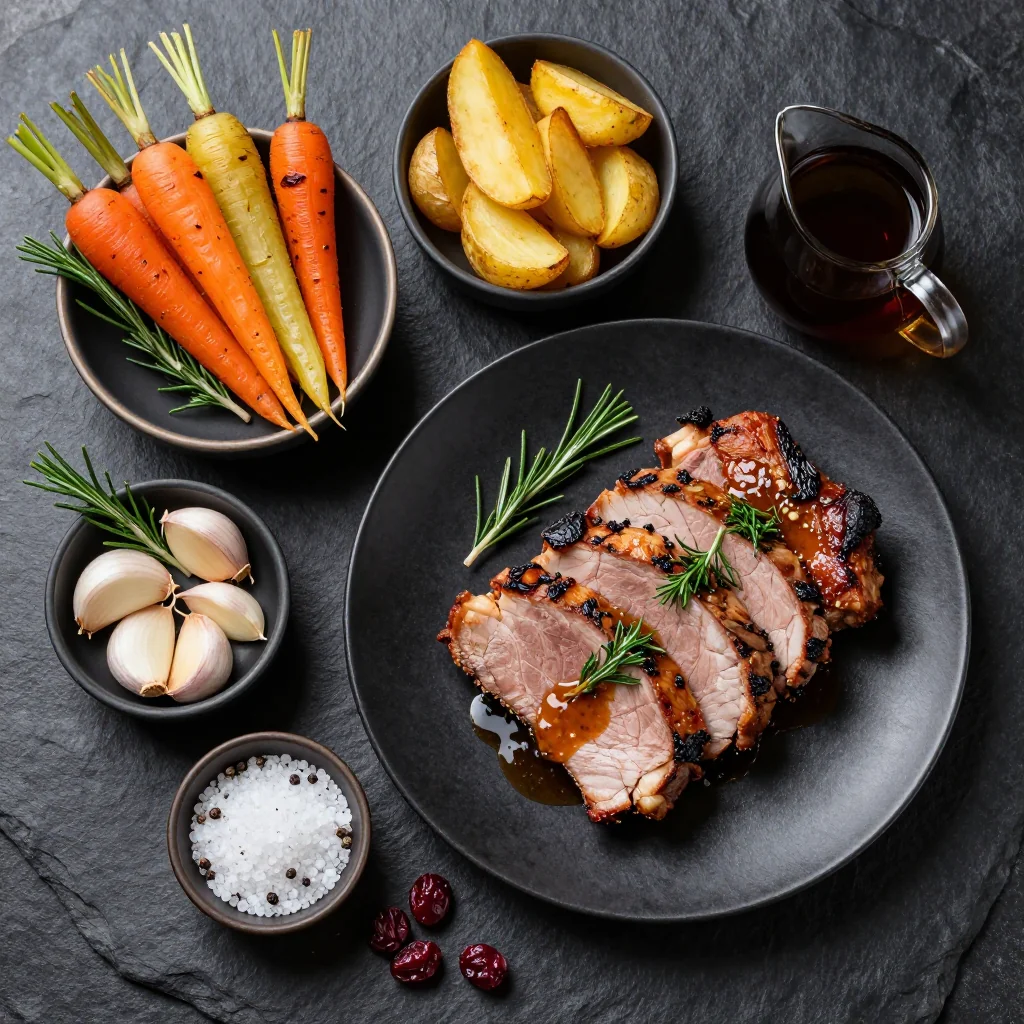
The beauty of this recipe lies in its simplicity—just a handful of quality ingredients, thoughtfully combined. Let's explore each component and why it matters for your Christmas Eve feast.
For the Pork Loin
Pork Loin (4-5 pounds): Look for a boneless center-cut pork loin roast with a thin layer of fat on top. This fat cap is crucial—it bastes the meat as it renders, keeping everything moist. Avoid pork tenderloin for this recipe; while delicious, it's too lean for the long cooking time. If your roast comes in netting, leave it on during cooking to help maintain its shape.
Fresh Rosemary & Thyme: Fresh herbs are non-negotiable here. Their essential oils create an aromatic crust that's impossible to achieve with dried herbs. The woody stems of rosemary and thyme also infuse the roasting vegetables with incredible flavor. If you must substitute, use 1/3 the amount of dried herbs, but do try to find fresh for this special occasion.
Garlic: Ten cloves might seem excessive, but trust me here. We're using a combination of minced garlic in the rub and whole smashed cloves tucked around the vegetables. As they roast, the whole cloves become sweet and mellow, perfect for spreading on crusty bread alongside your meal.
For the Root Vegetables
Rainbow Carrots: Beyond their stunning presentation, different colored carrots offer subtle flavor variations. Purple carrots are earthier, yellow ones sweeter, and orange the most familiar. If you can only find regular orange carrots, they'll work beautifully—just look for ones with tops still attached, indicating freshness.
Parsnips: These cream-colored roots become candy-sweet when roasted, providing a lovely counterpoint to the savory pork. Choose smaller parsnips (no larger than 1-inch diameter) as larger ones can be woody. If parsnips aren't available, substitute with additional carrots or try celery root for a different flavor profile.
Golden Beets: I prefer golden beets over red for this dish—they don't stain everything purple and have a milder, slightly honeyed flavor. Roasting transforms their texture from firm to velvety, and they absorb the pork juices beautifully. Look for beets that feel heavy for their size with smooth, unblemished skin.
Baby Potatoes: Their thin skins mean no peeling required, and their small size ensures even cooking. I like using a mix of red, yellow, and purple potatoes for visual appeal. If using larger potatoes, simply cut them into 1-inch pieces so they cook at the same rate as the other vegetables.
How to Make Slow Roasted Pork Loin with Root Vegetables for Christmas Eve
Prepare the Herb Rub
In a small bowl, combine 3 tablespoons olive oil, 2 tablespoons chopped fresh rosemary, 1 tablespoon chopped fresh thyme, 6 minced garlic cloves, 2 teaspoons kosher salt, 1 teaspoon black pepper, and the zest of one orange. Mix into a paste—the orange zest adds a subtle brightness that complements the pork beautifully. Let this mixture sit for 10 minutes while you prepare the pork, allowing the herbs to bloom and flavors to meld.
Season the Pork
Pat the pork loin completely dry with paper towels—this is crucial for achieving that gorgeous crust. Score the fat cap in a crosshatch pattern, cutting just through the fat layer without reaching the meat. This allows the fat to render and the herb mixture to penetrate. Rub the herb paste all over the pork, massaging it into every nook and cranny. Don't forget the ends! If time allows, let the seasoned pork rest at room temperature for 45 minutes before roasting.
Prepare the Vegetables
While the pork comes to room temperature, prepare your vegetable medley. Peel and cut the carrots and parsnips into 2-inch pieces, cutting thicker ends in half lengthwise. Scrub the beets and cut into wedges (wear gloves to avoid staining). Halve the baby potatoes, or quarter if large. Toss all vegetables with 3 tablespoons olive oil, 4 smashed garlic cloves, salt, pepper, and a few sprigs of fresh thyme. The key is cutting everything to similar sizes so they roast evenly.
Arrange for Roasting
Preheat your oven to 275°F. On a large rimmed baking sheet (or better yet, a roasting pan), create a bed with about two-thirds of the prepared vegetables. Nestle the pork loin, fat side up, among the vegetables. Scatter the remaining vegetables around the pork, tucking them close. Add 1 cup of chicken broth to the pan—this creates steam that keeps everything moist while the pork slowly roasts. The vegetables will absorb these juices, becoming incredibly flavorful.
The Slow Roast
Slide the pan into your preheated oven and roast for approximately 3 to 3.5 hours. The low temperature is key—it allows the pork's connective tissues to break down gradually, resulting in incredibly tender meat. Resist the urge to open the oven door frequently; every peek drops the temperature and extends cooking time. Instead, trust the process and let the magic happen. After 2.5 hours, quickly check the internal temperature.
Check for Doneness
The pork is ready when it reaches 145°F in the thickest part. This temperature ensures food safety while keeping the meat juicy and slightly pink in the center. If you prefer your pork more well-done, you can take it to 150°F, but avoid going higher as it will dry out. Remember, the temperature will rise 5-10 degrees as it rests. The vegetables should be tender and caramelized, with some crispy edges. If they're browning too quickly, tent them with foil.
The Final Sear
Here's the secret to that restaurant-quality crust: once the pork reaches temperature, remove it from the oven and increase the heat to 450°F. Return the pork to the oven for 8-10 minutes. This final blast of heat creates an incredible mahogany crust on the outside while keeping the inside perfectly tender. Watch it carefully during this stage—the high heat can go from perfect to burned quickly. The vegetables will get extra caramelized too.
Rest and Serve
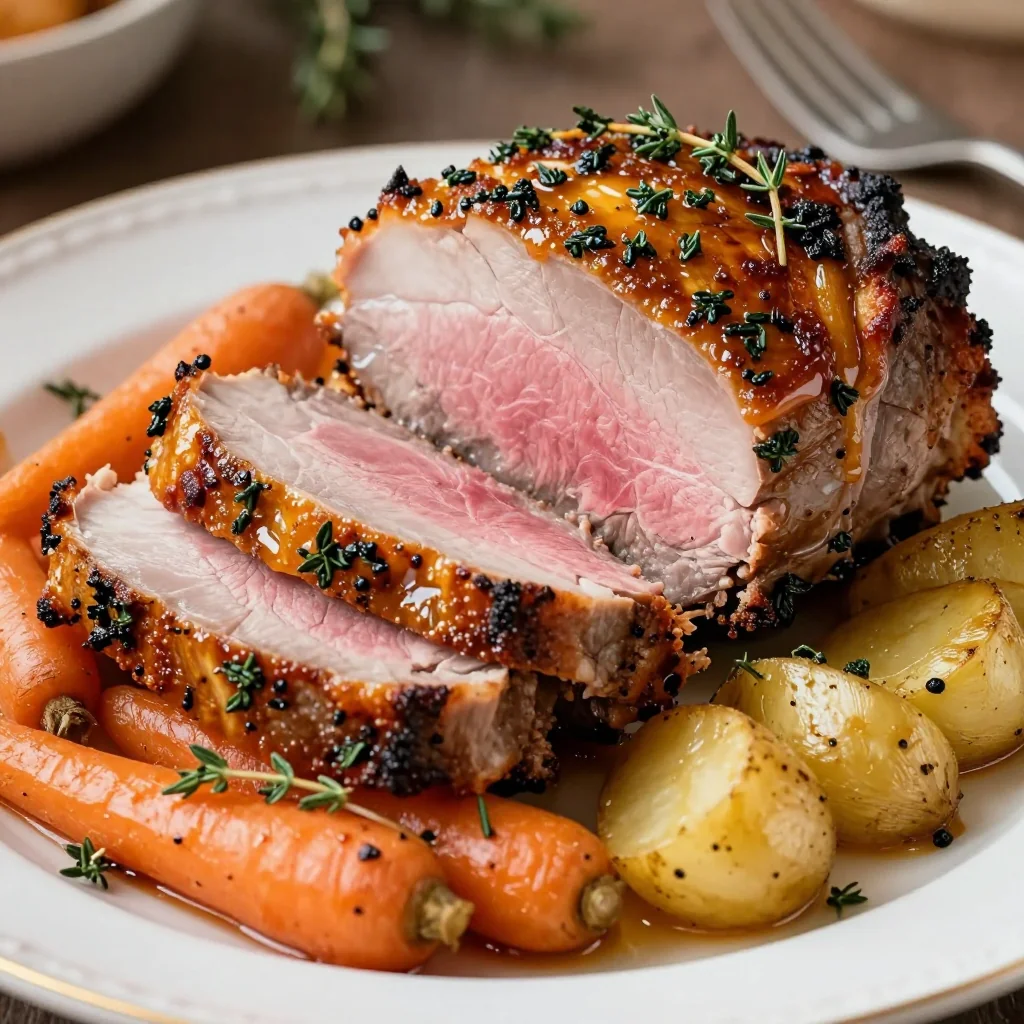
Transfer the pork to a cutting board and tent loosely with foil. Let it rest for 15-20 minutes—this is non-negotiable! Resting allows the juices to redistribute throughout the meat. If you slice immediately, all those precious juices will run out onto the board. Meanwhile, keep the vegetables warm in the turned-off oven. Just before serving, slice the pork into 1/2-inch thick slices. The contrast between the rosy interior and the herb-crusted exterior is absolutely stunning.
Make the Pan Sauce (Optional but Recommended)
While the pork rests, place the roasting pan on the stovetop over medium heat. Add 1/2 cup white wine and scrape up all those beautiful browned bits. Whisk in 2 tablespoons of butter for richness and a splash of cream if you're feeling indulgent. Strain the sauce and serve alongside the pork. This simple pan sauce elevates the entire dish, bringing all the flavors together in a silky, herb-infused drizzle.
Expert Tips
Temperature is Everything
Invest in a good instant-read thermometer. The difference between 145°F and 155°F is the difference between juicy and dry pork. I love the Thermapen for its speed and accuracy.
Timing Flexibility
This recipe is wonderfully forgiving. If your pork is done early, wrap it tightly in foil and towels, and it'll stay hot for 45 minutes. Perfect for unpredictable holiday schedules!
Basting Benefits
While not necessary, basting the pork every hour with the pan juices adds incredible flavor. Use a turkey baster or large spoon to drizzle the juices over the top.
Vegetable Variations
Don't love beets? Try butternut squash or sweet potatoes. The key is choosing vegetables with similar cooking times so everything finishes together.
Make-Ahead Magic
Prep everything the night before. Season the pork, cut the vegetables, and store separately. On Christmas Eve, just arrange and roast. Stress-free entertaining!
Size Matters
If your pork loin is larger or smaller than 4-5 pounds, adjust cooking time by about 20 minutes per pound. Always use a thermometer for accuracy rather than time alone.
Variations to Try
Apple & Sage Version
Replace the orange zest with apple cider in the herb rub. Add chunks of tart apples and fresh sage leaves to the vegetables. The apples become almost jam-like and pair beautifully with pork.
HolidayMediterranean Style
Use lemon zest instead of orange, add oregano and fennel seeds to the rub. Include fennel bulbs and cherry tomatoes with the vegetables. Finish with a drizzle of good olive oil.
BrightAsian-Inspired
Replace herbs with ginger, five-spice powder, and soy sauce. Add daikon radish and bok choy to the vegetables. Serve with a side of steamed rice and a ginger-scallion sauce.
UniqueStorage Tips
This slow roasted pork loin keeps beautifully, making it perfect for Christmas leftovers or meal prep for the week ahead.
Refrigerating Leftovers
Store leftover pork and vegetables in separate airtight containers in the refrigerator. The pork will keep for up to 4 days, while the vegetables are best consumed within 3 days. When storing pork, slice only what you'll use immediately—whole pieces stay moister than sliced portions. Wrap the pork tightly in foil or plastic wrap, then place in a container to prevent it from drying out.
Freezing Instructions
Both the pork and roasted vegetables freeze well. Slice the pork and wrap individual portions in plastic wrap, then foil. Place in freezer bags, removing as much air as possible. Freeze for up to 3 months. The vegetables can be frozen in similar portions. Thaw overnight in the refrigerator for best results. Note that the texture of the vegetables may change slightly upon thawing, becoming softer but still delicious.
Reheating Without Drying
The key to reheating pork without drying it out is gentle heat and added moisture. Place slices in a baking dish with a splash of chicken broth or apple cider. Cover tightly with foil and warm in a 275°F oven for 15-20 minutes. Alternatively, reheat in a covered skillet with a bit of broth over low heat. The vegetables can be reheated on a sheet pan at 350°F for 10-12 minutes, or until warmed through.
Leftover Magic
Transform leftovers into entirely new meals. Shred the pork for tacos or sandwiches, dice it for fried rice, or slice it thin for salads. The roasted vegetables make excellent additions to frittatas, grain bowls, or pureed into soups. Even the pork bones can be saved for making rich, flavorful stock.
Frequently Asked Questions
I don't recommend substituting pork tenderloin in this recipe. While both cuts come from the same area, they're quite different. Pork tenderloin is much leaner and smaller, typically weighing 1-1.5 pounds. It would overcook and dry out during the long roasting time this recipe requires. If you only have tenderloin, reduce the cooking temperature to 400°F and roast for just 20-25 minutes, or until it reaches 145°F internally. The vegetables can still be roasted alongside at this higher temperature, but check them after 30 minutes.
Yes, absolutely! The old recommendation of cooking pork to 160°F has been updated by the USDA. Modern pork is safe to eat when it reaches 145°F, followed by a 3-minute rest. At this temperature, the pork may have a slight pink hue, especially near the center. This is perfectly normal and actually desirable—it means your pork will be juicy and tender rather than dry and tough. The pink color doesn't indicate undercooking; it's a result of the myoglobin in the meat, similar to how beef can be pink when cooked to medium.
While you can adapt this recipe for a slow cooker, you won't achieve the same caramelized crust that makes this dish special. If you must use a slow cooker, brown the pork first in a hot skillet, then cook on low for 6-7 hours. Add the vegetables during the last 2 hours so they don't become mushy. For the best results, I recommend transferring everything to a sheet pan and broiling for 5-7 minutes at the end to create some caramelization. The oven method really is worth it for the texture and flavor development you get from the dry heat.
This can happen, especially if your vegetables are cut smaller or your oven runs hot. Simply remove the vegetables when they're done (they should be tender and caramelized) and keep them warm in a covered dish. You can add them back to the pan for the final high-heat sear to rewarm them. Alternatively, you can tent just the vegetables with foil to slow their cooking while the pork finishes. Cut larger vegetables next time if this happens consistently—the size really does affect cooking time.
A good rule of thumb is 1/2 pound of boneless pork loin per person, which accounts for some shrinkage during cooking and provides modest leftovers. For 6-8 people, a 4-5 pound roast is perfect. If you're feeding a larger crowd or want plenty of leftovers for sandwiches and salads, go bigger. The cooking time formula (20 minutes per pound at 275°F) scales well, so don't worry about adjusting the recipe significantly for different sizes. Just make sure your roasting pan can accommodate the larger roast and vegetables.
Absolutely! A stuffed pork loin makes an impressive centerpiece. To stuff, butterfly the pork by cutting horizontally through the middle, leaving one edge attached. Open it like a book, then pound to an even thickness. Spread your stuffing (try apple-sage, cranberry-walnut, or spinach-feta), roll tightly, and tie with kitchen twine. Note that stuffed roasts take longer to cook—add about 30-45 minutes to the cooking time and ensure the center reaches 145°F. Let it rest longer too, about 25-30 minutes, to allow the stuffing to set.
Slow Roasted Pork Loin with Root Vegetables for Christmas Eve
Ingredients
Instructions
- Make herb rub: Combine 3 tablespoons olive oil, rosemary, thyme, 6 minced garlic cloves, orange zest, salt, and pepper in a small bowl. Let rest 10 minutes.
- Prepare pork: Score fat cap of pork in crosshatch pattern. Rub herb mixture all over pork. Let stand 45 minutes at room temperature.
- Prepare vegetables: Toss carrots, parsnips, beets, potatoes with remaining 3 tablespoons olive oil, 4 smashed garlic cloves, salt, pepper, and thyme sprigs.
- Arrange in pan: Create bed with 2/3 of vegetables in large roasting pan. Place pork on top, fat side up. Scatter remaining vegetables around pork.
- Slow roast: Pour chicken broth into pan. Roast at 275°F for 3 to 3.5 hours, until pork reaches 145°F internally.
- Final sear: Increase oven to 450°F. Return pork to oven for 8-10 minutes to create crust. Rest 15-20 minutes before slicing.
- Make pan sauce: While pork rests, place roasting pan on stovetop over medium heat. Add wine, scrape up browned bits. Whisk in butter. Strain and serve.
Recipe Notes
The pork may have a slight pink hue at 145°F—this is perfectly safe and ensures juicy meat. Cooking time is approximately 20 minutes per pound at 275°F. Vegetables can be kept warm in turned-off oven while pork rests.