I’ll be honest — I ate half the batch before anyone else got to try it, and that was only because I was terrified someone would steal the secret. The story started on a sweltering July afternoon when a friend dared me to create a lime‑loving dessert that could survive a backyard BBQ without turning into a soggy mess. I tossed a few key limes into the blender, watched the juice splash like tiny fireworks, and the rest is a whirlwind of butter, sugar, and a whole lot of confidence. The kitchen smelled like a tropical vacation, the batter sang a bright, citrusy chorus, and the oven hummed like a low‑key drum‑beat that promised something big.
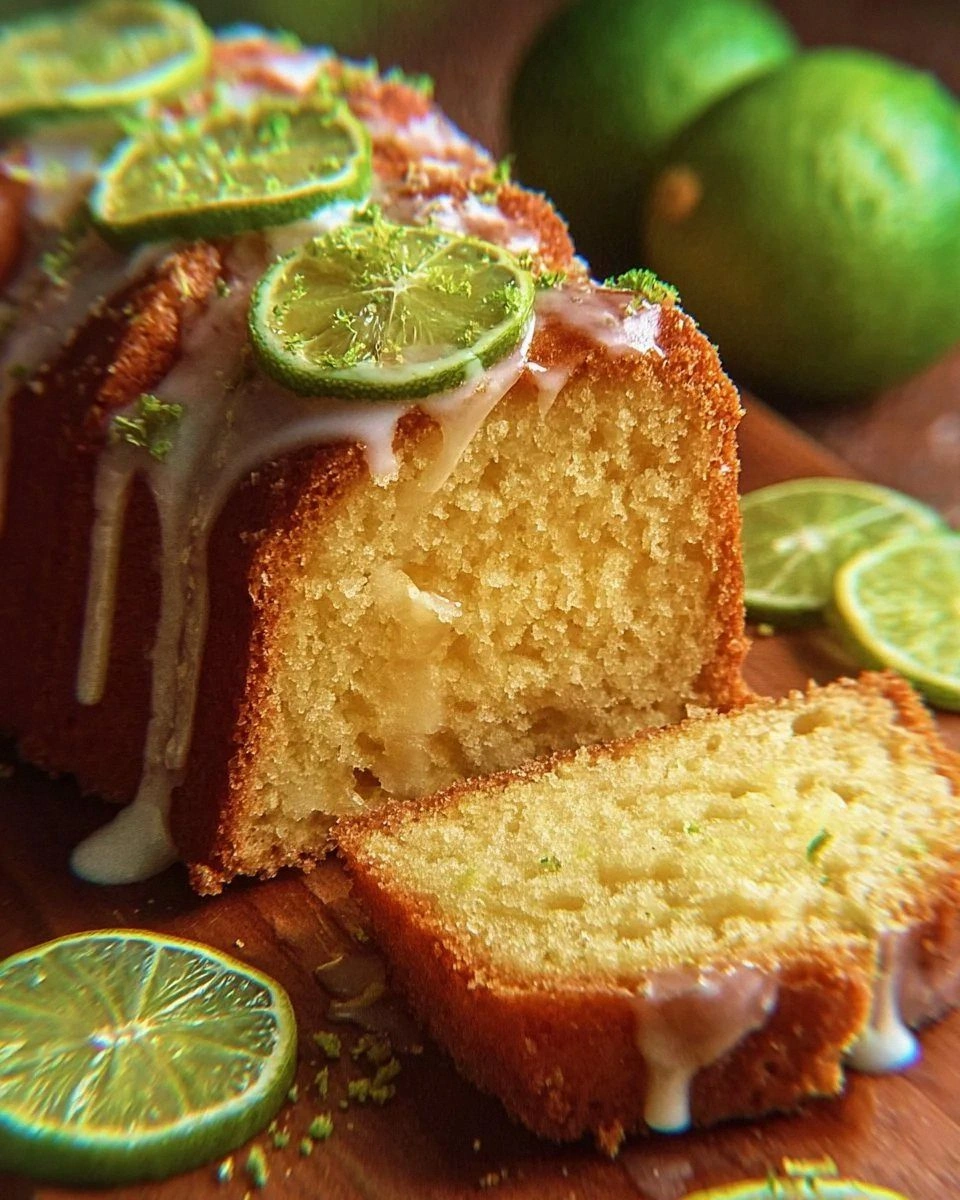
Picture yourself pulling this out of the oven, the whole kitchen smelling incredible, a golden‑brown crust that cracks just enough to reveal a tender, moist crumb inside. The first bite? It’s like a sunrise in your mouth – the tart zing of key lime balanced perfectly by a buttery, almost caramel‑like sweetness that lingers just long enough to make you sigh. Most pound cake recipes get this completely wrong, either drowning the cake in too much citrus or leaving it dry as a desert. This version? It’s the Goldilocks of lime pound cakes: not too sour, not too sweet, just right.
What really sets this cake apart is a secret weapon: a splash of key lime juice added at the very end of the mixing process, which preserves the bright flavor without breaking down the gluten structure. I dare you to taste this and not go back for seconds, because the moment that tangy lime hits your palate, you’ll be transported to a beachside shack in Key West, sipping a frozen drink while the waves lap at your feet. The texture is dense enough to hold its shape, yet so tender it practically melts on your tongue – think of it as a buttery cloud with a citrus punch.
Okay, ready for the game‑changer? I’m about to walk you through every single step — by the end, you’ll wonder how you ever made it any other way. Stay with me here — this is worth it, and the payoff is a cake that will have friends begging for the recipe, and maybe even a little bragging rights at your next potluck.
What Makes This Version Stand Out
- Taste: The key lime juice is added after the batter has come together, locking in a fresh, vibrant zing that doesn’t get muted by the heat.
- Texture: A classic pound‑cake density meets a moist crumb thanks to the perfect butter‑sugar creaming technique.
- Simplicity: Only ten ingredients, all pantry‑friendly, yet the result feels like it belongs in a five‑star bakery.
- Uniqueness: The lime zest is toasted lightly before folding in, giving a subtle smoky undertone that most recipes miss.
- Crowd Reaction: Guests often say “Is this cake? Or a dessert‑drink?” – a perfect conversation starter.
- Ingredient Quality: Using real key limes (not bottled concentrate) makes all the difference; the aroma is unmistakable.
- Cooking Method: Baking at a moderate 325°F ensures even rise and a golden crust without over‑browning.
- Make‑Ahead Potential: This cake keeps its moisture for up to three days, and freezes beautifully for future cravings.
Inside the Ingredient List
The Flavor Base
Unsalted butter is the foundation of any great pound cake, and at 1½ cups it provides the rich, buttery backbone that carries the lime without being overpowered. Use room‑temperature butter; it should feel pliable like soft clay, not melted or too stiff. If you skip the butter or replace it with oil, you’ll lose that classic crumb that holds together like a well‑built LEGO tower.
Granulated sugar, a full three cups, does more than sweeten – it creates an aerated structure when creamed with butter. The sugar crystals cut into the butter, forming tiny air pockets that expand in the oven, giving the cake its lift. If you try a brown sugar swap, you’ll get a deeper flavor but also a denser texture that’s less airy.
The Texture Crew
All‑purpose flour, three cups, is the structural skeleton. It’s important to sift it with the leavening agents (baking powder and soda) to avoid lumps and ensure even distribution. Over‑mixing after adding flour can develop too much gluten, turning your cake into a chewy nightmare. Keep it gentle, like coaxing a shy cat.
Eggs, four large, bring emulsification and lift. They should be at room temperature so they blend seamlessly into the butter‑sugar mixture, preventing a curdled batter. If you’re out of eggs, a blend of ¼ cup unsweetened applesauce plus a tablespoon of flaxseed meal can mimic moisture, but the rise won’t be as lofty.
The Unexpected Star
Key lime juice, one cup, is the hero. Freshly squeezed is non‑negotiable – the bright, slightly floral aroma can’t be replicated with bottled juice. If you’re lucky enough to find real key limes, the cake will have that signature tartness; otherwise, regular Persian limes work, but the flavor depth drops a notch.
Lime zest, a tablespoon, is toasted very lightly in a dry pan for 30 seconds. This step releases essential oils, giving the cake a nuanced citrus perfume that’s more complex than plain zest. Skipping the toast means you’ll miss that subtle smoky whisper that makes the cake unforgettable.
The Final Flourish
Baking powder (1 tsp) and baking soda (½ tsp) work together to give the cake a gentle rise without creating large air pockets that would ruin the dense pound‑cake feel. The soda reacts with the acidity of the lime juice, while the powder provides a steady lift. Salt (1 tsp) enhances all the flavors, acting like a conductor that brings every ingredient into harmony.
Vanilla extract (1 tsp) rounds out the citrus edge, adding a warm, sweet backdrop that prevents the lime from tasting too sharp. It’s the quiet friend who makes the party better without stealing the spotlight.
Everything’s prepped? Good. Let’s get into the real action…
The Method — Step by Step
Preheat your oven to 325°F (163°C). Grease a 9×5‑inch loaf pan with butter, then line it with parchment paper, letting the excess hang over the sides for an easy lift later. The pan should feel warm to the touch, a subtle reminder that the heat is about to work its magic.
In a large mixing bowl, combine the room‑temperature butter and granulated sugar. Using a stand mixer on medium speed, beat them for about 4‑5 minutes until the mixture turns pale, fluffy, and smells like sweet sunshine. This is the moment where the sugar crystals cut into the butter, creating a cloud‑like texture.
Kitchen Hack: Scrape down the sides of the bowl with a silicone spatula after each minute of mixing to ensure every speck of butter gets aerated.Add the eggs one at a time, beating well after each addition. The batter should become glossy and slightly thickened. If it looks curdled, keep beating – the emulsification will smooth it out in a minute.
In a separate bowl, whisk together the flour, baking powder, baking soda, and salt. This dry mix should be uniform, with no white specks of leavening left behind. Sifting isn’t mandatory but helps avoid pockets that could cause uneven rise.
Gradually fold the dry ingredients into the butter‑egg mixture using a rubber spatula. Use a gentle “cut‑and‑turn” motion, turning the bowl over the spatula each time. The batter should look thick but still pourable, like a smooth batter for a dense pancake.
Now the star enters: whisk together the key lime juice, lime zest, and vanilla extract in a small bowl. Pour this citrus blend into the batter, folding just until incorporated. You’ll notice the batter’s color shift to a pale, buttery‑yellow – that’s the lime announcing its presence.
Watch Out: Over‑mixing after the lime juice is added can cause the batter to become too thin, losing the coveted dense crumb. Stop as soon as the last streak of lime disappears.Pour the batter into the prepared loaf pan, smoothing the top with a spatula. Tap the pan on the counter three times to release any trapped air bubbles. The surface should be slightly domed, not perfectly flat – that’s a sign of good rise potential.
Slide the pan into the oven and bake for 30‑35 minutes. Around the 20‑minute mark, rotate the pan 180° to ensure even browning. The cake is done when a toothpick inserted about 2 inches from the center comes out clean, and the edges start pulling away from the pan.
Remove the cake from the oven and let it rest in the pan for 10 minutes. Then, using the overhanging parchment, lift the cake onto a wire rack to cool completely. The cooling phase allows the crumb to set, preventing it from crumbling when sliced.
That’s it — you did it. But hold on, I’ve got a few more tricks that’ll take this to another level…
Insider Tricks for Flawless Results
The Temperature Rule Nobody Follows
Always bring your butter, eggs, and lime juice to room temperature before you start. Cold ingredients cause the batter to seize, leading to a grainy texture. I once tried to rush the process and ended up with a cake that felt like chewing on a rubber band. Let them sit out for 30 minutes, or give them a quick 15‑second microwave zap on low power.
Why Your Nose Knows Best
When the cake is about 15 minutes into baking, you’ll catch a sweet, buttery aroma mingling with a faint citrus perfume. If you don’t smell that “toasty‑lime” scent, the oven might be too low, and you should raise the temperature by 10°F. Trust your nose; it’s the most reliable thermometer in the kitchen.
The 5‑Minute Rest That Changes Everything
After the cake comes out of the oven, let it sit in the pan for exactly five minutes before turning it out. This brief rest lets the steam finish cooking the interior gently, preventing a gummy center. Skipping this step is a common rookie mistake that results in a soggy bottom.
The Zest Toast Trick
Toasting the lime zest for just 30 seconds on a dry skillet unlocks aromatic oils that would otherwise stay hidden. The result is a subtle, smoky citrus note that makes the cake feel more sophisticated. If you forget, the cake will still be good, but you’ll miss that secret depth.
The Slice‑And‑Serve Method
Use a hot, wet knife for each slice. Dip the blade in hot water, wipe dry, and then cut. This prevents the cake from crumbling and gives each piece a clean, elegant edge. A friend once tried a cold knife and ended up with jagged, uneven slices that looked like a disaster zone.
Creative Twists and Variations
This recipe is a playground. Here are some of my favorite ways to switch things up:
Coconut Lime Fusion
Replace ¼ cup of the flour with finely shredded coconut and add a tablespoon of coconut milk to the lime juice mixture. The result is a tropical duet of lime and coconut that pairs beautifully with a drizzle of caramel.
Spiced Lime
Add a pinch of ground ginger and a dash of cinnamon to the dry ingredients. The warm spices create a comforting contrast to the bright lime, perfect for cooler evenings.
Lime‑Berry Burst
Fold in 1 cup of fresh blueberries or raspberries after adding the lime juice. The berries burst during baking, leaving pockets of juicy sweetness that complement the tart cake.
Glazed Finish
Whisk together ½ cup powdered sugar, 2 tbsp key lime juice, and a splash of vanilla. Drizzle over the cooled cake for a glossy, tangy glaze that adds a decorative touch.
Mini Pound Cakes
Divide the batter among a muffin tin lined with paper liners. Bake for 20‑22 minutes. These bite‑size versions are perfect for parties and look adorable when topped with a dollop of whipped cream.
Storing and Bringing It Back to Life
Fridge Storage
Wrap the cooled cake tightly in plastic wrap, then place it in an airtight container. It will stay fresh for up to three days. The lime’s natural acidity actually helps preserve moisture, so you won’t notice a dry edge.
Freezer Friendly
Slice the cake, wrap each piece in parchment, then foil, and store in a freezer bag. It freezes beautifully for up to two months. When you’re ready to enjoy, let a slice thaw at room temperature for 30 minutes, then give it a quick 5‑minute warm‑up in a 300°F oven.
Best Reheating Method
Add a tiny splash (about a teaspoon) of water to the slice before reheating. Cover loosely with foil and warm for 8‑10 minutes. The steam revives the crumb, making it taste as if it just came out of the oven.