Picture this: I’m standing in my kitchen at midnight, the clock ticking louder than my stomach, and the only thing that could possibly silence that growl is a bowl of kale that’s been kissed by toasted bread and a shower of Parmesan. I’d just tried to salvage a wilted bunch of kale from the fridge, and after a disastrous attempt at a bland sauté, I swore I’d never touch it again. Then, a dare from my roommate—“Make something that actually makes kale taste like a party”—sent me spiraling into a culinary experiment that turned my kitchen into a laboratory of crunchy, cheesy goodness.
The moment the bread cubes hit the hot pan, a sizzle erupted that sounded like applause. The air filled with a buttery, nutty perfume that made my nose do a little happy dance. As the kale hit the pan, it wilted like a shy dancer, only to be lifted back up by a glossy coat of olive oil, lemon, and garlic that clung to each leaf like a silk scarf. The Parmesan, freshly grated, melted into the warm leaves, creating a velvety backdrop that was both salty and umami-rich, while the pine nuts added a buttery crunch that sang in perfect harmony with the toasted bread’s caramelized edges.
What makes this version a cut above the rest? Most recipes either overcook the kale into a mushy mess or under‑season it, leaving you with a leaf that tastes like nothing more than a wilted green. I’ve cracked the code by balancing high heat with quick, precise timing, and by layering flavors in a way that each bite delivers a burst of texture and taste. The secret weapon? A splash of lemon juice right at the end, which brightens the dish like a spotlight on a stage, and a generous shower of Parmesan that creates a luxurious coating without turning the salad into a cheesy clump.
And there’s a twist you won’t see coming: I toss in a pinch of smoked paprika that adds a subtle, smoky depth, turning this simple side into a star‑making side dish that could hold its own on a dinner party table. I dare you to taste this and not go back for seconds—because once you’ve experienced the contrast of crunchy bread, tender kale, and that cheesy, citrusy kiss, you’ll never settle for a boring salad again. Let me walk you through every single step — by the end, you’ll wonder how you ever made it any other way.
What Makes This Version Stand Out
- Flavor Explosion: The combination of lemon, garlic, and Parmesan creates a symphony of bright, salty, and umami notes that dance across your palate.
- Texture Contrast: Crispy, golden‑brown bread cubes sit beside tender kale leaves and buttery pine nuts, delivering a crunch that shatters like thin ice.
- Simplicity: Fewer than ten ingredients, all pantry staples, mean you can throw this together on a weeknight without a grocery run.
- Unique Twist: A whisper of smoked paprika adds a smoky depth that most kale salads completely miss.
- Crowd Reaction: Even the most skeptical kale haters admit they’re hooked after the first forkful—trust me, I’ve seen the transformation.
- Ingredient Quality: Using fresh, curly kale and high‑quality Parmesan makes a world of difference; the flavors shine without any artificial boosters.
- Cooking Method: A quick sear‑then‑toss technique locks in flavor while keeping the kale bright‑green and vibrant.
- Make‑Ahead Potential: Prep the toasted bread and pine nuts ahead of time; the salad stays fresh for up to two days, making it perfect for meal prep.
Inside the Ingredient List
The Flavor Base
Kale (4 cups, stems removed, torn): Kale is the backbone of this dish, offering a sturdy, slightly bitter canvas that absorbs every flavor you throw at it. If you skip it, you lose the hearty green that balances the richness of the cheese and the crunch of the bread. For the best texture, choose curly kale; its ruffled leaves hold dressing better than flat varieties.
Olive Oil (2 tbsp): This is the medium that carries the garlic and lemon into every crevice of the kale. A good extra‑virgin olive oil adds fruitiness; cheap oil can make the dish taste flat. If you run out, a neutral oil like grapeseed works, but you’ll miss that subtle peppery finish.
Garlic (1 clove, minced): Garlic provides the aromatic punch that makes the dish instantly recognizable as a savory masterpiece. Too much can overwhelm the delicate kale, while too little leaves the flavor hollow. If you’re sensitive, try roasting the garlic first for a sweeter, mellow note.
Lemon Juice (1 tbsp): The acid cuts through the richness of the Parmesan and lifts the kale’s natural bitterness. Without it, the dish feels heavy and one‑dimensional. Always use fresh lemon juice; bottled juice brings a metallic aftertaste that ruins the balance.
The Texture Crew
Rustic Bread (2 slices, cubed): The bread cubes become the crunchy anchors that contrast the soft kale. Stale bread works best because it absorbs just enough oil without turning mushy. If you don’t have rustic bread, sourdough or a hearty whole‑grain loaf are perfect substitutes.
Olive Oil for Toasting (additional 1 tbsp): Adding a touch more oil to the pan ensures the bread cubes achieve that golden‑brown sheen without sticking. Skipping this step results in soggy crumbs that ruin the texture.
Pine Nuts (2 tbsp, toasted): These little gems add a buttery crunch that echoes the toasted bread while introducing a subtle nutty aroma. If you’re allergic, swap them for slivered almonds or toasted pumpkin seeds.
Parmesan Cheese (¼ cup, freshly grated): Parmesan is the umami powerhouse that coats each leaf in a silky, salty veil. Using pre‑grated cheese can introduce anti‑caking agents that affect texture; always grate it yourself for the best melt.
The Unexpected Star
Smoked Paprika (½ tsp): This spice brings a whisper of smoky depth that elevates the dish from ordinary to extraordinary. It’s the secret that most recipes miss, and it pairs beautifully with the lemon’s brightness. If you can’t find smoked paprika, a dash of chipotle powder works, but use less—it’s hotter.
Salt (1 tsp) & Black Pepper (½ tsp): Simple seasonings that amplify every other flavor. Salt draws out the kale’s natural sweetness, while pepper adds a gentle heat. Adjust to taste, but remember that Parmesan already contributes saltiness.
Everything's prepped? Good. Let's get into the real action...
The Method — Step by Step
- Heat a large skillet over medium‑high heat and add 1 tablespoon of olive oil. When the oil shimmers, toss in the cubed bread, spreading them in a single layer. Let them sizzle for about 2‑3 minutes, turning occasionally, until each side is a deep golden brown. That sizzle when it hits the pan? Absolute perfection. Kitchen Hack: Sprinkle a pinch of sea salt on the bread while it toasts; it enhances the crunch and adds a subtle flavor boost.
- While the bread is toasting, whisk together the olive oil, minced garlic, lemon juice, smoked paprika, salt, and pepper in a small bowl. This mixture should look glossy and fragrant—if you can smell the garlic, you’re on the right track. Set it aside; it’s the dressing that will turn plain kale into a masterpiece.
- Remove the toasted bread cubes with a slotted spoon and set them on a paper towel to drain any excess oil. This step prevents sogginess later. Keep the pan hot; you’ll need it for the kale. Kitchen Hack: Save the leftover oil in a small jar; it’s infused with garlic and paprika and can be used to flavor future dishes.
- Add the torn kale leaves to the hot skillet, tossing quickly to coat them in the residual oil. The leaves should start to wilt within 30 seconds, releasing a faint, earthy aroma. If the pan looks dry, drizzle a splash more olive oil. Keep the kale moving—this prevents burning and ensures even cooking.
- Once the kale is glossy and just wilted, pour the prepared dressing over it. Stir vigorously; the dressing should cling to each leaf like a silk scarf, turning the kale a vibrant green with flecks of gold from the oil. Watch Out: Do not over‑cook the kale; if it turns mushy, the texture will be lost forever.
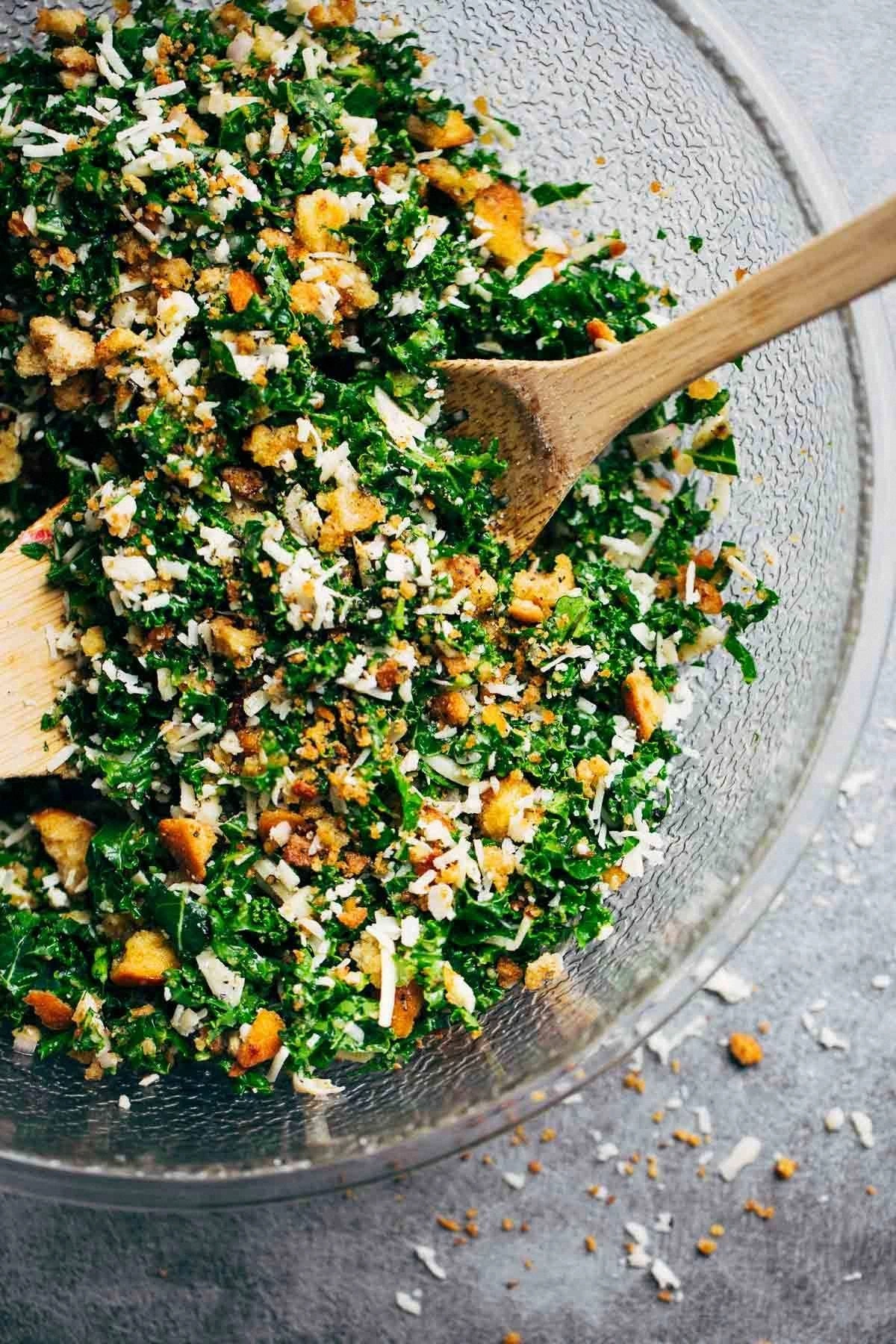
- Turn off the heat and immediately fold in the toasted bread cubes, toasted pine nuts, and freshly grated Parmesan. The residual heat will melt the cheese just enough to create a glossy coating without turning it into a clump. This is the moment of truth—watch the cheese melt and the aromas meld.
- Give the salad a final toss, ensuring every bite contains a bite‑sized piece of bread, a crunchy pine nut, and a shiver of Parmesan. Taste and adjust salt or lemon if needed; a final squeeze of lemon brightens the dish like a spotlight. Kitchen Hack: If you’re serving this warm, cover the skillet with a lid for 30 seconds after adding the cheese; the trapped steam helps the cheese melt evenly.
- Plate the salad immediately, letting the steam rise and the aroma fill the room. Picture yourself pulling this out of the pan, the whole kitchen smelling incredible, and the first bite delivering a cascade of textures. Serve it as a side or a light main, and watch your guests’ faces light up.
That's it — you did it. But hold on, I've got a few more tricks that'll take this to another level...
Insider Tricks for Flawless Results
The Temperature Rule Nobody Follows
Never let the skillet sit idle for more than 30 seconds between steps. A hot pan ensures the kale wilts instantly without releasing too much water, preserving that bright‑green color. I once let the pan cool and ended up with soggy leaves—lesson learned. Keep the heat steady, and you’ll lock in that crisp‑tender bite.
Why Your Nose Knows Best
The moment the garlic hits the oil, you’ll smell a sweet, nutty aroma. If you don’t detect it within 10 seconds, the garlic is either too old or the heat isn’t hot enough. Trust your nose; it’s a reliable indicator that the flavor base is forming correctly.
The 5‑Minute Rest That Changes Everything
After mixing all components, let the salad rest for five minutes off the heat. This brief pause lets the flavors marry, and the Parmesan continues to melt into a silky coating. I’ve seen people rush to serve and miss out on that depth—don’t be that person.
Toast the Pine Nuts Separately
Pine nuts burn quickly, so toast them in a dry skillet over medium heat for just 2 minutes, shaking the pan constantly. The moment they turn golden and emit a buttery scent, pull them off the heat. Over‑toasting makes them bitter, which can ruin the balance.
Use a Microplane for the Parmesan
A microplane produces fine, fluffy shreds that melt instantly, creating a glossy finish. Coarse grating leaves clumps that don’t integrate as smoothly. If you don’t have a microplane, a fine grater works, but be sure to grate the cheese right before adding it.
Creative Twists and Variations
This recipe is a playground. Here are some of my favorite ways to switch things up:
Spicy Sriracha Kick
Swap the lemon juice for a tablespoon of sriracha mixed with a dash of honey. The heat and sweetness create a bold contrast that pairs surprisingly well with the Parmesan. Perfect for those who love a little fire.
Apple & Walnut Autumn
Fold in thinly sliced crisp apples and toasted walnuts instead of pine nuts. The sweet‑tart apple balances the salty cheese, while walnuts add an earthy crunch—ideal for a cozy fall dinner.
Mediterranean Mediterranean
Replace the smoked paprika with a teaspoon of za’atar and sprinkle crumbled feta on top. The herbaceous, tangy notes give the dish a Mediterranean flair, and feta adds a creamy punch.
Vegan Version
Swap Parmesan for a vegan nutritional yeast blend and use olive oil‑based “cheese” shreds. Toasted almond slices replace pine nuts, keeping the crunch while staying fully plant‑based.
Hearty Protein Boost
Add grilled chicken breast strips or crispy chickpeas for a protein‑packed main. The added protein turns the salad into a satisfying lunch that can stand on its own.
Storing and Bringing It Back to Life
Fridge Storage
Transfer the salad to an airtight container and store in the refrigerator for up to two days. Keep the toasted bread and pine nuts in a separate small jar to maintain crunch. When ready to serve, give it a quick toss and a fresh squeeze of lemon.
Freezer Friendly
If you need to prep far ahead, you can freeze the toasted bread cubes and the kale separately. Store them in zip‑lock bags for up to three months. Thaw the kale in the fridge overnight, re‑toast the bread, then assemble using fresh dressing.
Best Reheating Method
To revive the salad, place it in a skillet over low heat, add a tiny splash of water (just a teaspoon), and cover for 2‑3 minutes. The steam will re‑hydrate the kale and melt the cheese back to its silky glory without turning everything soggy.