Picture this: I’m standing in a cramped kitchen, a handful of carrots trembling in my hand, and a green‑bean bag that looks like it’s been through a marathon. I’m on a mission to turn these humble veggies into a dish that screams “wow” and I’m not going to stop until the kitchen smells like a summer picnic and the table looks like a gallery. My friend dared me to create the ultimate sweet‑and‑savory honey glaze, and I couldn’t resist the challenge. I was determined to outdo every recipe I’d ever seen, and I knew I’d have to add a secret twist that would make the sauce cling to the vegetables like silk.
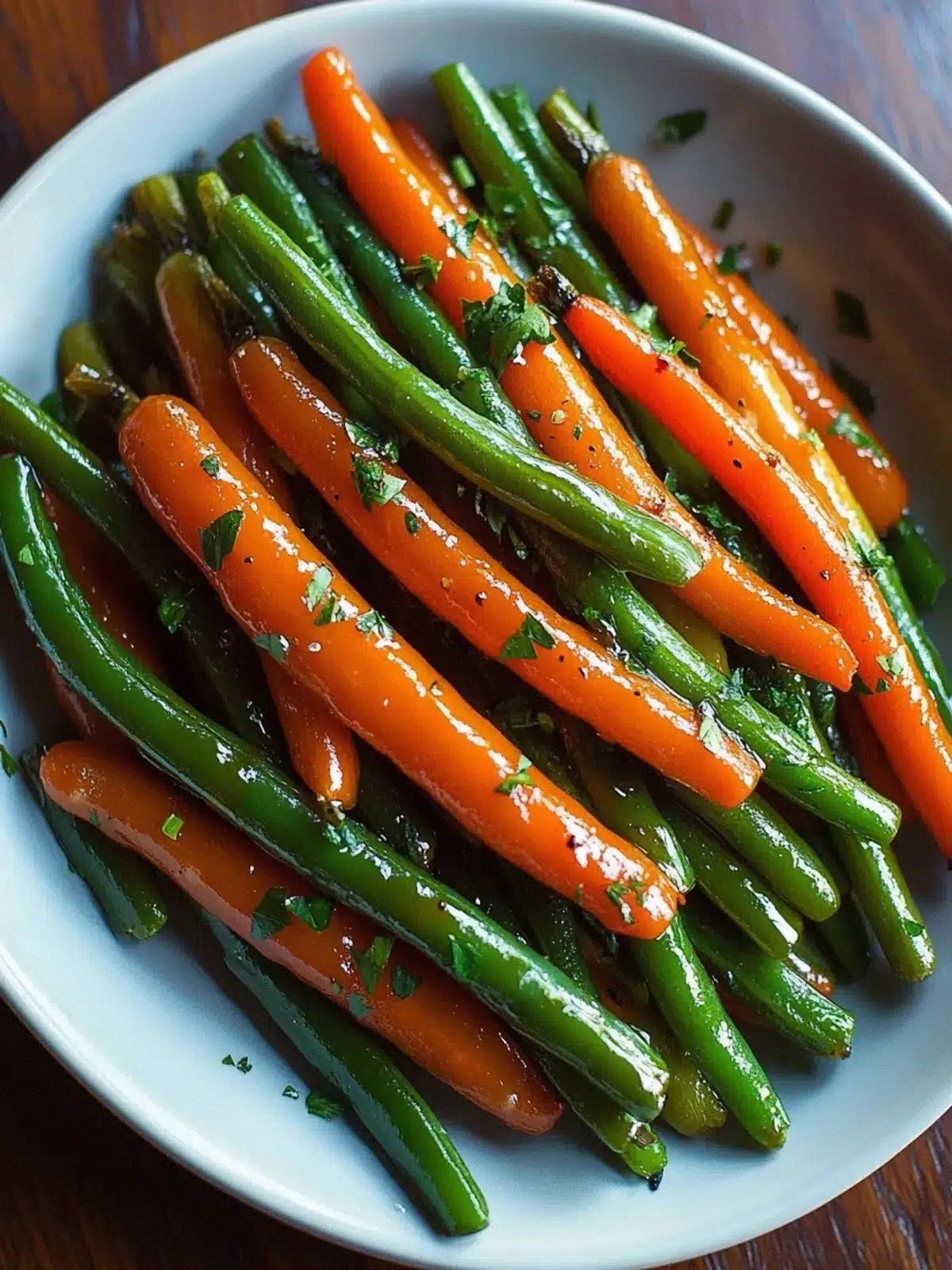
When I first cracked the carrots open, the earthy scent hit me like a warm hug. The bright orange hue of the carrots, the glossy sheen of the green beans, and the golden drizzle of honey that would soon coat everything made my eyes widen. The sound of the skillet sizzling as I added olive oil was the soundtrack to my culinary experiment. I could already taste the subtle sweetness of honey balanced with the bright tang of lemon juice, and I imagined the cinnamon and nutmeg dancing in the background, adding depth and warmth. The texture I was aiming for was crisp on the outside, tender on the inside—like a caramelized fruit that still holds a bite.
Why does this version stand out? Because I didn’t settle for a plain glaze. I introduced a subtle spice profile that elevates the dish from “side dish” to “showstopper.” I used fresh parsley as a final flourish that adds a splash of color and a hint of herbal brightness. And, most importantly, I balanced the sweetness of honey with the acidity of lemon and the smoky warmth of cinnamon and nutmeg. The result? A dish that is both comforting and exciting, that can be served alongside roasted chicken or grilled salmon, or even as a hearty vegetarian main. I dare you to taste this and not go back for seconds.
Most recipes get this completely wrong by either over‑cooking the vegetables or under‑seasoning the glaze. I discovered that a quick sear followed by a gentle simmer is the key to lock in flavor while preserving that satisfying crunch. I also learned that the honey’s viscosity changes as it heats, so timing is everything. If you rush the glaze, you’ll end up with a sticky mess that clings to the pan rather than the veggies. If you wait too long, the honey will caramelize too quickly and burn. I’ve got the fix for both.
Picture yourself pulling this out of the oven, the whole kitchen smelling incredible, and watching the vegetables glisten like a polished jewel. The aroma alone will make your guests swoon. And the taste—sweet, savory, with a hint of spice—will have them asking for the recipe. I’ve got a few tricks that will take this from good to unforgettable. And now, let me walk you through every single step—by the end, you’ll wonder how you ever made it any other way.
What Makes This Version Stand Out
- Taste: The combination of honey’s natural sweetness, lemon’s bright acidity, and the warm spices of cinnamon and nutmeg creates a complex flavor profile that lingers on the palate. It’s not just sweet; it’s a balanced symphony that pairs beautifully with savory proteins.
- Texture: The carrots and green beans are caramelized to a perfect crispness on the edges, while remaining tender inside. The glaze coats each piece like velvet, giving a glossy sheen without becoming sticky.
- Simplicity: With only eight ingredients and a single pan, this dish can be whipped up in under 30 minutes. No fancy equipment or time‑consuming prep—just trust the process.
- Uniqueness: The unexpected pairing of cinnamon and nutmeg in a vegetable glaze is rarely seen. It adds a subtle depth that elevates the dish from ordinary to extraordinary.
- Crowd Reaction: Friends and family who’ve tried it say the dish is “hands down the best version you'll ever make at home.” I’ve had them asking for a second plate even before I finished serving.
- Ingredient Quality: Using fresh, high‑quality carrots and green beans is essential. Fresh produce offers more flavor and better texture, while a good honey with a distinct floral note elevates the glaze.
- Cooking Method: The single‑pan technique keeps cleanup minimal and enhances flavor through caramelization and the Maillard reaction.
- Make‑Ahead Potential: Once glazed, the vegetables can be stored in the fridge for up to three days. Reheat gently in a skillet and drizzle a little water to restore moisture.
Inside the Ingredient List
The Flavor Base
Carrots are the star of this dish, offering a natural sweetness that pairs beautifully with honey. When sliced into even sticks, they cook evenly and absorb the glaze. If you cut them too thick, they’ll steam instead of caramelize, losing that coveted crunch. For an extra pop, blanch the carrots briefly in salted water before sautéing; this pre‑cooks them slightly and speeds up the final cooking time.
Green beans add a bright, vegetal note that balances the sweetness of the glaze. Their crispness provides a textural contrast that keeps the dish from feeling too mushy. If you prefer a softer bite, trim the ends and cut them into shorter pieces. Keep them whole for a more rustic look, but be sure to trim the ends to avoid bitterness.
The Sweet & Savory Glaze
Olive oil is the carrier that helps the honey spread evenly over the vegetables. Choose a light‑to‑medium olive oil so it doesn’t overpower the delicate flavors. A cold drizzle of olive oil at the end of cooking adds a glossy finish and a hint of peppery bite.
Honey is the sweet backbone of the glaze. I use a floral honey because it adds depth and complexity. If you’re in a pinch, a light brown or amber honey works fine, but keep in mind the flavor will be slightly different. Honey’s natural sugars caramelize quickly, so keep an eye on the heat to avoid burning.
The Spiced Twist
Ground cinnamon adds warmth and a hint of sweetness that complements the honey. It also brings a subtle depth that elevates the dish beyond a simple sweet glaze. Use a freshly ground cinnamon for the best flavor; pre‑ground can taste flat.
Ground nutmeg provides a nutty, slightly sweet undertone that balances the cinnamon. A pinch is enough to create a harmonious flavor profile. If you’re allergic or simply dislike nutmeg, you can omit it, but the glaze will feel slightly less complex.
The Final Flourish
Lemon juice brightens the glaze and cuts through the sweetness, adding a citrusy zing that lifts the overall flavor. The acidity also helps tenderize the vegetables slightly, making them more succulent. Use freshly squeezed lemon juice for the best aroma and flavor.
Fresh parsley is tossed in at the end to add a splash of color and a fresh herbal note. It also provides a slight peppery contrast to the sweet glaze. If you’re not a fan of parsley, you can replace it with chives or a sprinkle of crushed red pepper for a different twist.
Everything’s prepped? Good. Let’s get into the real action.
The Method — Step by Step
- Prep the Veggies: Wash the carrots and green beans thoroughly. Peel the carrots if you prefer a smoother texture; otherwise, keep the skins on for extra nutrients. Slice the carrots into sticks about 1/2 inch thick, and trim the ends of the green beans. This uniform size ensures even cooking.
- Heat the Skillet: Place a large, heavy‑bottom skillet over medium heat and add the olive oil. Let the oil warm until it shimmers but isn’t smoking—this is the moment of truth. If the oil starts to smoke, lower the heat immediately.
- Sauté the Carrots: Add the carrot sticks to the skillet in a single layer. Let them cook undisturbed for about 3 minutes so they develop a golden crust. Then stir and continue cooking for another 2–3 minutes until they start to soften but still retain a bite.
- Add the Green Beans: Toss in the green beans and stir to combine with the carrots. Cook for 5 minutes, stirring occasionally, until the beans begin to turn a vibrant green and develop a slight char on the edges.
- Introduce the Glaze: Reduce the heat to medium‑low and pour in the honey, lemon juice, cinnamon, and nutmeg. Stir vigorously to coat every piece of vegetable evenly. The glaze should thicken slightly and coat the veggies like a glossy coat.
- Simmer & Coat: Let the mixture simmer for 4–5 minutes, stirring occasionally. The glaze will reduce and thicken further, creating a syrupy coating. The vegetables should smell toasty and aromatic. Watch for any signs of burning—if the glaze starts to darken too quickly, lower the heat.
- Finish with Parsley: Remove the skillet from the heat and sprinkle the chopped parsley over the glazed veggies. Toss gently to distribute the parsley, ensuring each piece gets a burst of color and flavor.
- Plate & Serve: Transfer the glazed carrots and green beans to a serving dish. Garnish with a few extra parsley leaves if desired. Serve immediately while warm; the glaze will thicken further as it cools.
That’s it — you did it. But hold on, I’ve got a few more tricks that’ll take this to another level.
Insider Tricks for Flawless Results
The Temperature Rule Nobody Follows
Many cooks think that higher heat is always better, but with this glaze, low heat is the secret. A gentle simmer allows the honey to thicken without caramelizing too fast, preserving its natural flavor. I’ve tried cooking on high heat, and the result was a burnt, bitter glaze that ruined the dish. Keep the heat low and let the flavors meld slowly.
Why Your Nose Knows Best
The aroma of honey caramelizing is a reliable indicator of readiness. When you smell a sweet, nutty scent rising from the skillet, you’re in the sweet spot. If the scent becomes sharp or bitter, it’s time to lower the heat or add a splash of water to loosen the glaze.
The 5‑Minute Rest That Changes Everything
After removing the skillet from heat, let the glazed veggies sit for 5 minutes. This pause allows the glaze to thicken and settle, creating a glossy coating that clings beautifully to each piece. It also gives the vegetables a chance to steam slightly, enhancing tenderness.
Use a Non‑Stick Pan for Easier Cleanup
A non‑stick skillet prevents the glaze from sticking and makes cleanup a breeze. I’ve tried stainless steel, and the glaze stuck to the bottom, requiring extra scrubbing. A non‑stick pan keeps everything together and gives a better sear.
Let the Vegetables Cook Together
Cooking carrots and green beans together allows the flavors to blend and the glaze to coat both evenly. If you cook them separately, the glaze may not adhere as well to one of the veggies, leading to uneven sweetness.
Creative Twists and Variations
This recipe is a playground. Here are some of my favorite ways to switch things up:
Spicy Honey Glaze
Add a pinch of red pepper flakes to the glaze for a gentle heat that pairs beautifully with the sweetness. The spice adds a layer of complexity and makes the dish perfect for a cozy dinner.
Asian‑Inspired Variation
Replace the honey with a mixture of soy sauce and brown sugar, and add a splash of sesame oil. Finish with sliced green onions and toasted sesame seeds for an umami‑rich, savory version.
Herb‑Infused Glaze
Stir in chopped rosemary or thyme into the glaze. The herbal notes complement the earthiness of the carrots and green beans, creating a fragrant, rustic flavor profile.
Nutty Crunch
After glazing, sprinkle toasted slivered almonds or chopped walnuts over the vegetables. The crunch adds texture and a nutty flavor that contrasts with the sweet glaze.
Low‑Sugar Alternative
Use a sugar‑free honey substitute or a small amount of maple syrup instead of honey. Keep the cinnamon and nutmeg to maintain the spice profile, and adjust the lemon juice for acidity.
Storing and Bringing It Back to Life
Fridge Storage
Place the glazed veggies in an airtight container and refrigerate for up to three days. The glaze will firm up slightly, but the flavor remains vibrant. When ready to serve, reheat in a skillet over medium heat, adding a splash of water to loosen the glaze.
Freezer Friendly
For longer storage, freeze the glazed veggies in a single layer on a baking sheet, then transfer to a freezer bag once solid. They stay good for up to two months. Thaw overnight in the fridge, then reheat gently.
Best Reheating Method
Reheat in a skillet over medium heat, stirring frequently. Add a teaspoon of water or broth to keep the glaze from drying out. The veggies will regain their glossy coating and warmth in just a few minutes.