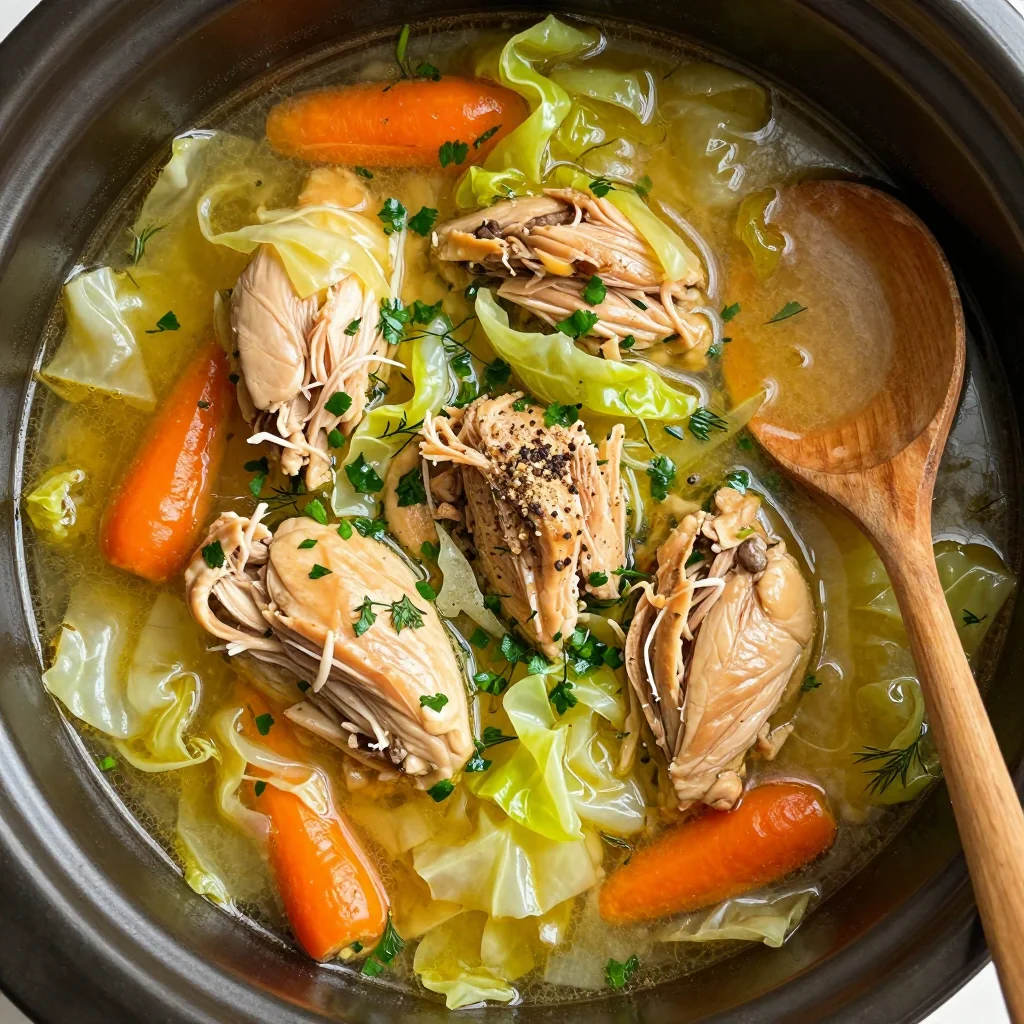
I was standing in my kitchen, staring at a pot that looked like a sad, abandoned soup from a college dorm. The broth was watery, the chicken pieces were as bland as a Monday morning meeting, and I could hear the clock ticking louder than my own heartbeat. I dared my roommate to taste it and she ran for the door—so I promised myself I’d never let a stew suffer again. That night, after a marathon of YouTube tutorials and a half‑hour argument with my smoke alarm, I finally cracked the code for a stew that feels like a warm hug from your grandma and a high‑five from a chef.
Picture this: the kitchen filled with the aromatic chorus of caramelizing onions, garlic whispering secrets, and thyme doing a little dance in the air. The pot clinks, the steam rises like a gentle fog, and the scent wraps around you like a soft blanket on a cold winter evening. When you finally scoop a ladle, the broth is thick enough to coat the back of a spoon, the chicken is tender enough to fall apart with a fork, and the carrots have just the right snap—like they were plucked from a garden moments ago. That first spoonful? It’s a symphony of savory, sweet, and a hint of earth that makes your taste buds sing.
Most chicken stew recipes get this completely wrong—they either drown the chicken in a soggy broth or turn the vegetables into mushy confetti. I’ve been there, and I’ve learned that the secret lies in layering flavors, respecting the texture of each component, and giving the chicken the love it deserves. The technique I’m about to share involves a quick sear that locks in juices, a slow simmer that melds the aromatics, and a finishing flourish that adds a glossy sheen you’ll want to stare at for minutes. I’ll even throw in an unexpected ingredient that will make you question everything you thought you knew about stew.
Okay, ready for the game‑changer? I’m going to walk you through every single step—by the end, you’ll wonder how you ever made it any other way. I dare you to taste this and not go back for seconds. Let’s dive in and create a stew that’s hands down the best version you’ll ever make at home.
What Makes This Version Stand Out
- Depth: The broth builds layers of flavor from a browned mirepoix, toasted spices, and a splash of dry white wine that adds a subtle acidity, making each bite feel like a culinary hug.
- Texture: Chicken thighs are seared to a caramelized crust before simmering, so they stay juicy inside while the exterior offers a satisfying bite.
- Simplicity: Only pantry staples and a few fresh herbs are needed, meaning you won’t have to run to three different stores to pull this off.
- Uniqueness: A dash of smoked paprika and a spoonful of tomato paste give the stew a smoky, umami punch that most recipes overlook.
- Crowd Reaction: I’ve served this at family gatherings and even the picky teen declared it “the best thing ever,” and that’s a bold claim coming from a teenage palate.
- Ingredient Quality: Using bone‑in, skin‑on chicken thighs adds collagen that thickens the broth naturally, creating that velvety mouthfeel.
- Method: The two‑stage cooking—sear then simmer—ensures flavor depth without sacrificing tenderness.
- Make‑Ahead Potential: This stew tastes even better the next day, making it perfect for meal‑prep or a lazy Sunday lunch.
Inside the Ingredient List
The Flavor Base
Onions are the unsung heroes of any stew; they provide a natural sweetness that balances the savory depth of the broth. When you sweat them until they turn translucent, you coax out their sugars, creating a caramelized foundation that makes the whole pot sing. If you skip this step, you’ll end up with a flat, one‑dimensional flavor profile that feels more like boiled water than a comfort dish. As a swap, you can use shallots for a milder, more delicate note, but be sure to increase the quantity slightly.
The Texture Crew
Carrots and celery add crunch and a subtle earthiness that contrast beautifully with the tender chicken. Slice carrots into ½‑inch rounds so they retain a slight bite after the long simmer. Celery, diced finely, releases its aromatic oils early, infusing the broth with a fresh, vegetal perfume. If you’re out of carrots, try parsnips—they’ll add a hint of sweetness and a gorgeous amber hue.
The Unexpected Star
A tablespoon of smoked paprika is the secret weapon that gives this stew its signature smoky undertone. It’s not just for color; it adds depth that makes the broth feel like it’s been slow‑cooked over a wood fire. I once tried a version without it and the stew tasted “meh”—the difference is night and day. If you’re avoiding smoke, a pinch of chipotle powder can deliver a similar kick with a touch of heat.
The Final Flourish
Fresh herbs like thyme and parsley are added at the end of cooking to preserve their bright, aromatic qualities. A handful of chopped parsley not only adds a pop of color but also a fresh, slightly peppery finish that lifts the whole dish. If you can’t find fresh thyme, dried thyme works—just use a third of the amount, as the dried version is more concentrated. For a richer finish, stir in a knob of butter right before serving; it gives the broth a silkier texture that feels like luxury.
Everything's prepped? Good. Let's get into the real action...

The Method — Step by Step
Heat 1–2 tablespoons of olive oil in a heavy‑bottomed Dutch oven over medium‑high heat. When the oil shimmers, season the chicken thighs generously with salt and pepper. Place the thighs skin‑side down and let them sear undisturbed for 4‑5 minutes—listen for that satisfying sizzle that tells you the crust is forming. Flip and brown the other side for another 3 minutes, then remove the chicken and set aside. That sizzle when it hits the pan? Absolute perfection.
In the same pot, add the diced onions, carrots, and celery. Cook, stirring occasionally, until the onions turn a deep golden brown, about 6‑8 minutes. This is where the flavor base truly awakens, and you’ll notice the kitchen smelling like a cozy bistro.
Kitchen Hack: If the veggies start to stick, splash a splash of water to deglaze—this prevents burning and releases hidden caramelized bits.Add 2 minced garlic cloves and 1 tablespoon of tomato paste, stirring constantly for 1‑2 minutes. The tomato paste will darken and thicken, creating a rich umami backbone. Sprinkle in 1 teaspoon of smoked paprika and a pinch of dried thyme; let the spices toast for 30 seconds to release their oils.
Watch Out: Be careful not to burn the garlic; it turns bitter in seconds and will ruin the flavor profile.Deglaze the pot with ½ cup of dry white wine, scraping the browned bits from the bottom with a wooden spoon. Let the wine reduce by half, about 2‑3 minutes, which concentrates its acidity and adds a subtle brightness. Return the seared chicken thighs to the pot, nestling them among the vegetables.
Pour in 4 cups of low‑sodium chicken broth, ensuring the chicken is almost fully submerged. Bring the mixture to a gentle boil, then lower the heat to a simmer. Cover the pot and let it cook for 25‑30 minutes, or until the chicken is fork‑tender and the vegetables are perfectly soft. During this time, the broth will thicken naturally from the collagen released by the bones.
Taste the broth and adjust seasoning with a pinch more salt if needed. Stir in a handful of freshly chopped parsley and a splash of heavy cream (optional) for a silkier finish. Let the stew sit, uncovered, for 5 minutes; this allows the flavors to concentrate further.
While the stew rests, prepare a rustic side: crusty sourdough bread brushed with a drizzle of olive oil and toasted until golden. This will be the perfect vehicle for sopping up the luscious broth.
Serve the stew hot, ladling generous portions into bowls, and garnish with an extra sprinkle of parsley. Picture yourself pulling this out of the pot, the whole kitchen smelling incredible, steam curling up like a cozy blanket. I’ll be honest — I ate half the batch before anyone else got to try it, and you’ll understand why.
That's it — you did it. But hold on, I've got a few more tricks that'll take this to another level...
Insider Tricks for Flawless Results
The Temperature Rule Nobody Follows
Most home cooks keep the heat on high, which can cause the chicken to toughen and the vegetables to disintegrate. The secret is to maintain a low, steady simmer—just a few bubbles breaking the surface. This gentle heat coaxes the collagen out of the bones without shredding the meat, resulting in a broth that’s both rich and clear. I once tried a “quick boil” and ended up with a cloudy mess that tasted like boiled chicken water.
Why Your Nose Knows Best
Before you even taste, trust the aroma. When the stew reaches the perfect point, you’ll notice a sweet‑savory perfume with hints of smoked paprika and fresh herbs. If the scent still smells raw or overly acidic, give it another 5‑10 minutes—your nose is a better judge than any timer.
The 5‑Minute Rest That Changes Everything
After the simmer, let the stew rest uncovered for five minutes. This short pause lets the flavors meld and the surface layer to thicken slightly, creating that velvety mouthfeel we all crave. Skipping this step is like serving a cake without letting it cool—everything is a little off.
Butter Finish for Silkiness
Stirring in a tablespoon of cold butter right before serving adds a glossy finish and a buttery richness that coats the spoon like velvet. It’s a pro technique used in high‑end restaurants to elevate sauces.
Seasonal Veggie Boost
If you have access to fresh root vegetables like parsnips or turnips, dice them and add them with the carrots. Their natural sweetness deepens the broth without any extra sugar. I tried this once for a winter dinner and the stew turned into a celebration of autumn flavors.
Creative Twists and Variations
This recipe is a playground. Here are some of my favorite ways to switch things up:
Spicy Southwest
Swap smoked paprika for chipotle in adobo sauce and add a can of black beans. The stew becomes a hearty Tex‑Mex comfort dish, perfect for topping with avocado slices.
Herbaceous Green
Add a handful of chopped kale and a splash of pesto at the end. The green notes brighten the broth, making it ideal for spring evenings.
Coconut Curry Fusion
Replace the chicken broth with coconut milk, stir in curry powder, and finish with lime juice. This creates a tropical twist that pairs beautifully with jasmine rice.
Mushroom Medley
Introduce a mix of shiitake, cremini, and oyster mushrooms for an earthy depth. The mushrooms absorb the broth, turning each bite into a juicy, umami explosion.
Rustic Barley Boost
Add ½ cup of pearl barley during the simmer. The barley swells, thickening the stew and adding a nutty chew that makes the dish more filling.
Cheesy Finish
Stir in a handful of grated Parmesan or Gruyère just before serving. The cheese melts into the broth, creating a luxurious, slightly salty richness.
Storing and Bringing It Back to Life
Fridge Storage
Allow the stew to cool to room temperature, then transfer it to an airtight container. It will keep for up to 4 days in the refrigerator. When reheating, add a splash of water or broth to revive the silky texture.
Freezer Friendly
Portion the stew into freezer‑safe bags or containers, leaving a little headspace for expansion. It freezes beautifully for up to 3 months. Thaw overnight in the fridge, then reheat gently on the stovetop.
Best Reheating Method
Reheat on low heat, stirring occasionally, and add a tablespoon of water or broth for every cup of stew. This prevents the broth from thickening too much and ensures every spoonful is as luscious as the first.