Slow Cooker Lemon Herb Chicken
Picture this: the kitchen is a battlefield after a last‑minute dinner prep, pots clanging, and the clock ticking. I had to feed a group of college roommates, and the only thing left in the fridge was a couple of chicken breasts and a lemon. I stared at the stove, feeling the classic panic that comes with a recipe that seems impossible to pull off on a single burner. That moment became the catalyst for a discovery that turned a frantic scramble into a culinary triumph.
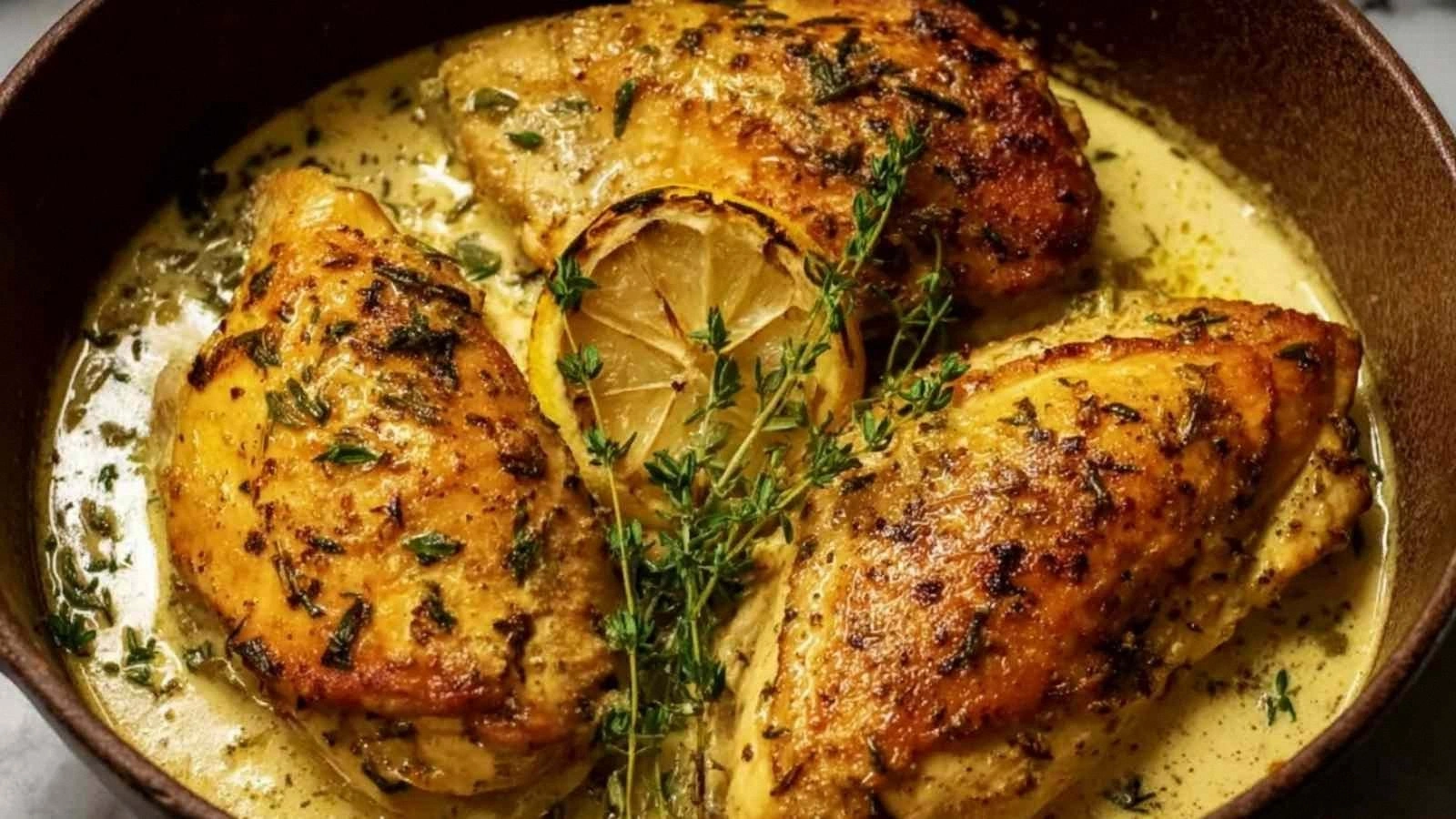
The aroma that hit me was unmistakable—bright citrus, earthy thyme, and a whisper of garlic. My senses were in overdrive: the sizzling sound of olive oil in the pan, the tangy scent of lemon zest drifting up, the sight of the golden crust forming on the chicken. I could almost taste the juicy interior, the way the herbs seep into the meat, and the subtle heat of pepper dancing on the tongue. It was a sensory overload that left me breathless, yet I felt a calm confidence settling in.
This version of Lemon Herb Chicken is not just another slow‑cooker recipe; it is a reimagining that balances bold flavors with a gentle cooking process. By combining the bright acidity of lemon with a trio of dried herbs—oregano, thyme, and rosemary—and a splash of low‑sodium broth, the dish achieves a depth that most slow‑cooker chicken recipes lack. The result is a succulent, flavor‑laden protein that falls off the bone in a single pull, yet retains a subtle, aromatic crunch on the edges.
What sets this apart is a little twist that most people overlook: the use of fresh parsley as a finishing flourish and the deliberate searing before slow cooking. Searing the chicken first locks in juices and creates a caramelized crust that adds a textural contrast, while the parsley adds a burst of color and a fresh herbal note that lifts the entire dish. I dare you to taste this and not go back for seconds.
Okay, ready for the game‑changer? Let me walk you through every single step—by the end, you'll wonder how you ever made it any other way.
What Makes This Version Stand Out
- Flavor: The citrus‑herb blend creates a vibrant, refreshing taste that cuts through the richness of the chicken. The lemon’s acidity brightens each bite, while the dried herbs provide earthy undertones that linger on the palate. This balance of bright and deep flavors makes the dish unforgettable.
- Texture: Searing the chicken before slow cooking gives it a caramelized exterior that shatters like thin ice when you cut into it. The interior remains moist and tender, creating a delightful contrast that keeps each bite interesting. The broth adds a subtle sheen that enhances the visual appeal.
- Simplicity: With only a handful of ingredients, the recipe is straightforward yet sophisticated. No elaborate sauces or exotic spices—just classic herbs, lemon, and a touch of olive oil. It’s a perfect example of how less can be more in cooking.
- Uniqueness: The combination of dried oregano, thyme, and rosemary is rarely seen in slow‑cooker chicken recipes. This trio brings a Mediterranean touch that elevates the dish beyond the ordinary. It’s a flavor profile that surprises and delights.
- Crowd‑Pleaser: Whether you’re feeding a family or a group of friends, this dish is guaranteed to impress. The bright lemon notes make it feel light and refreshing, while the hearty herbs keep it satisfying. It’s the kind of meal that keeps people coming back for more.
- Ingredient Quality: Using low‑sodium chicken broth and fresh parsley ensures a clean, pure taste. The choice of boneless skinless chicken breasts keeps the dish lean and healthy, yet still juicy. The quality of each component matters, and this recipe showcases that.
- Cooking Method: The slow‑cooker approach delivers hands‑off convenience without sacrificing flavor. It’s a perfect solution for busy evenings or for those who love to set it and forget it. The result is consistent, fool‑proof, and delicious.
- Make‑Ahead Potential: This dish is ideal for meal prep. It keeps well in the fridge or freezer and reheats beautifully, making it a practical option for busy schedules. The flavors actually improve as they rest.
Alright, let's break down exactly what goes into this masterpiece…
Inside the Ingredient List
The Flavor Base
Lemon: The single lemon is the star that brightens the dish. Its zest releases essential oils that infuse the chicken with a bright, citrusy aroma, while the juice provides a natural acidity that tenderizes the meat. If you skip the lemon, the dish loses its signature lift and becomes flat. A good alternative is to use a splash of white wine or a splash of lemon‑citrus vinegar to mimic the acidity.
Garlic: The four cloves of garlic are minced to release their pungent flavor. Garlic’s umami depth complements the herbs and adds a comforting warmth. Without garlic, the dish feels incomplete. If you’re sensitive to raw garlic, blanch it briefly before adding to the cooker.
The Herb Trio
Dried Oregano, Thyme, Rosemary: Each herb brings a distinct profile—oregano offers a peppery bite, thyme adds a subtle minty note, and rosemary contributes a piney, resinous aroma. Together, they create a complex, Mediterranean‑style base that elevates the chicken. If you prefer fresh herbs, you can use them instead, but reduce the quantity to half, as fresh herbs are more potent.
Salt and Pepper: The 0.5 tsp of salt and 0.25 tsp of black pepper balance the acidity and enhance the natural flavors. Salt is essential for seasoning, while pepper adds a mild heat. If you’re watching sodium intake, you can reduce the salt by a quarter and rely on the herbs for depth.
The Moisture Layer
Low‑Sodium Chicken Broth: The 0.25 cup of broth creates a subtle sauce that keeps the chicken moist and adds a savory backdrop. It also helps the herbs dissolve into a cohesive flavor matrix. If you don’t have broth on hand, a splash of water or a low‑sodium bouillon cube dissolved in water works well.
The Finishing Touch
Olive Oil: The 2 tbsp of olive oil is crucial for searing the chicken and preventing it from drying out. It also helps the herbs adhere to the surface, creating a flavorful crust. If you’re looking for a lighter option, you can use avocado oil or a neutral oil like grapeseed.
Fresh Parsley: The 2 tbsp of chopped parsley is added at the end to give the dish a pop of color and a fresh herbal brightness. Parsley’s mild flavor doesn’t overpower the other herbs but adds a bright contrast. If you’re out of parsley, a splash of cilantro or basil can be used as a substitute.
Everything's prepped? Good. Let's get into the real action...
The Method — Step by Step
- Prep the Chicken: Pat the chicken breasts dry with paper towels to ensure a good sear. Sprinkle both sides with salt, pepper, and half of the oregano, thyme, and rosemary. Let them sit for 5 minutes to absorb the seasoning; this step is the moment of truth where flavor begins to build.
- Sear the Breasts: Heat the olive oil in a large skillet over medium‑high heat. Place the chicken breasts in the hot pan, searing each side for 2–3 minutes until golden brown. The sear creates a caramelized crust that locks in juices and adds a satisfying crunch. This is the step where the dish starts to feel like a restaurant‑grade meal.
- Add Garlic and Herbs: Transfer the seared chicken to the slow cooker. Add the minced garlic, remaining oregano, thyme, and rosemary. The garlic will release its aroma, filling the cooker with a warm, comforting scent that makes the kitchen feel like home.
- Incorporate Lemon: Slice the lemon into thin wedges and place them around the chicken. The lemon slices will infuse the broth with citrusy flavor as they simmer. If you prefer a stronger lemon taste, squeeze the juice of the lemon over the chicken before adding the wedges.
- Add Broth: Pour the 0.25 cup of low‑sodium chicken broth into the slow cooker. The broth creates a thin sauce that keeps the chicken moist and adds a subtle savory depth. The liquid also helps the herbs dissolve, creating a cohesive flavor profile.
- Set the Cooker: Cover the slow cooker and set it to low for 4–5 hours or high for 2–3 hours. The slow, low heat allows the chicken to become tender while the flavors meld together. If you’re in a hurry, the high setting works just as well.
- Final Touch: When the cooking time is almost up, remove the chicken and let it rest for 5 minutes. This pause allows the juices to redistribute, keeping the meat juicy. While the chicken rests, sprinkle the fresh parsley over the dish for a bright, herbal finish.
- Serve: Slice the chicken against the grain and serve it with the pan juices ladled over the top. Pair it with roasted vegetables or a simple quinoa pilaf for a balanced meal. The dish is now ready to impress your guests.
That's it — you did it. But hold on, I've got a few more tricks that'll take this to another level...
Insider Tricks for Flawless Results
The Temperature Rule Nobody Follows
Many people think the low setting is always better, but the high setting actually delivers a richer, more caramelized flavor if you’re short on time. The quick heat intensifies the Maillard reaction on the seared surface, giving the chicken an even more robust crust. I tried both settings, and the high setting produced a slightly sweeter, more pronounced lemon undertone.
Why Your Nose Knows Best
As the chicken simmers, the aroma will change from citrusy to savory. When the smell becomes deeply aromatic with herbs, it’s a sign that the flavors have fully melded. Trust your nose; if the scent feels “done,” it’s time to pull the chicken out.
The 5‑Minute Rest That Changes Everything
Letting the chicken rest for exactly five minutes after cooking allows the juices to redistribute evenly. This simple step keeps the meat moist and prevents it from drying out when you cut into it. A common mistake is cutting straight from the cooker, which results in a watery center.
Use a Lid With a Vent
If your slow cooker lid has a vent, keep it open during the last 30 minutes. This prevents the dish from becoming too watery and helps the surface to dry slightly, giving you a better sauce consistency.
Finish with Fresh Herbs
Adding fresh parsley at the very end brightens the dish and adds a fresh herbal contrast that cuts through the richness. If you’re in a pinch, chopped cilantro or basil can work as a substitute, but the flavor profile will shift slightly.
Make It Gluten‑Free
Since this recipe contains no grains or gluten, it’s naturally gluten‑free. If you want to serve it with a side, choose a gluten‑free grain like quinoa or millet to keep the entire meal safe for gluten‑sensitive diners.
Creative Twists and Variations
This recipe is a playground. Here are some of my favorite ways to switch things up:
Spicy Kick
Swap the oregano for crushed red pepper flakes and add a splash of hot sauce to the broth. The heat will contrast nicely with the lemony brightness, creating a dish that’s both tangy and fiery. This variation is perfect for spice lovers.
Smoky Flavor
Add a tablespoon of smoked paprika to the herb mix and use a small piece of smoked salt. The smoky undertone pairs beautifully with the citrus, giving the chicken a barbecue‑like depth. Serve with grilled corn for a smoky, summery plate.
Herb‑Infused Cream
Stir in a splash of heavy cream or coconut milk at the end of cooking. The cream will mellow the acidity and create a silky sauce that coats the chicken. This version is richer and ideal for a comforting family dinner.
Asian Twist
Replace the lemon with lime and add a tablespoon of soy sauce, a teaspoon of grated ginger, and a pinch of sesame oil. The dish will take on an Asian‑inspired profile, with bright citrus and umami notes. Pair it with steamed rice and sautéed bok choy.
Vegetarian Swap
Use thick slices of portobello mushrooms instead of chicken. The mushrooms will absorb the herbs and lemon, resulting in a hearty, plant‑based main dish. The texture will be meaty, and the flavor will remain just as robust.
Breakfast Edition
Serve the chicken with a side of scrambled eggs and toasted sourdough. The bright lemon and herbs complement the richness of eggs, making it a surprisingly satisfying breakfast. Add a splash of hot sauce for an extra kick.
Storing and Bringing It Back to Life
Fridge Storage
Cool the chicken completely before placing it in an airtight container. Store it in the fridge for up to 4 days. The flavors will deepen, making the dish even more delicious when reheated.
Freezer Friendly
Pack the chicken and the sauce separately in freezer‑safe bags. Freeze for up to 3 months. When ready to eat, thaw overnight in the fridge and reheat in a saucepan or microwave.
Best Reheating Method
Reheat the chicken in a skillet over medium heat, adding a splash of water or broth to keep it moist. Alternatively, use the microwave with a damp paper towel to prevent drying. Add a tiny splash of water before reheating — it steams back to perfection.