There I was, standing in a cramped kitchen that smelled like burnt toast and ambition, when a friend dared me to turn a last‑minute dinner into a masterpiece. I had a bag of frozen shrimp, a jar of garlic, and an empty pot that seemed to whisper, “You’re about to get creative.” The moment the shrimp hit the pan, the sizzle was a drumroll that set the stage for a dish that would become my new secret weapon. I was determined to make something that would make people say, “I dare you to taste this and not go back for seconds.”
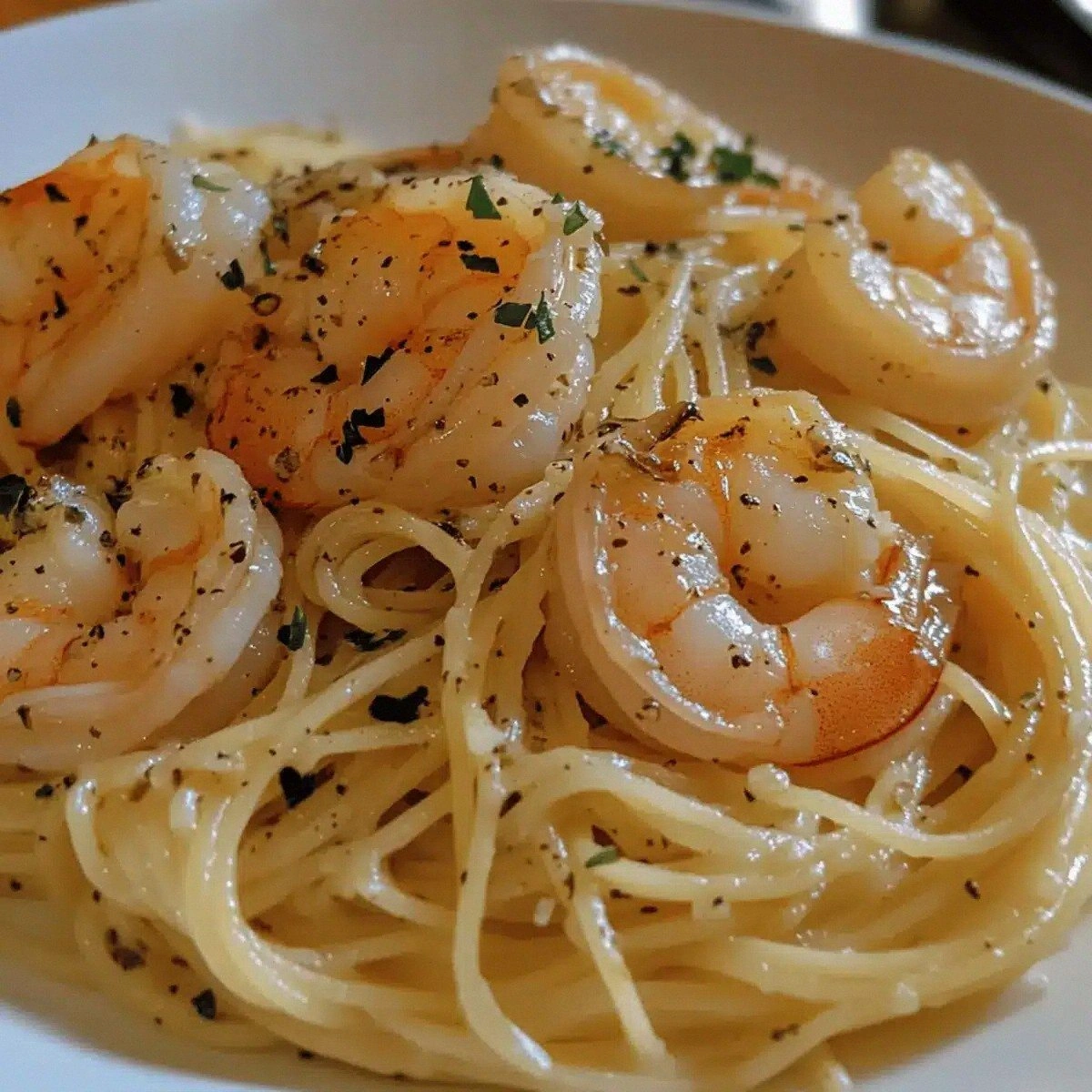
Picture the scene: a bright, buttery aroma filling the air, the sound of garlic caramelizing like a slow‑motion fireworks display, and the sight of shrimp turning a deep pink that could only be described as “eye‑catching.” The texture of the pasta, al dente, clinging to the velvety garlic butter sauce, creates a mouthfeel that’s both comforting and exhilarating. Every bite is a burst of citrus, heat, and umami that dances across your palate, leaving a trail of buttery bliss. The combination of fresh parsley and grated Parmesan gives a final flourish that feels like a confetti shower at a celebration. The dish is so simple, yet it feels like a gourmet experience that would make any food critic swoon.
What makes this version stand out is not just the flavors, but the sheer confidence it exudes. The recipe is a masterclass in balancing boldness with subtlety—think of it as a bold headline that still respects the background story. It’s the kind of dish that turns a regular night into a memorable event, making you the host who knows exactly how to wow. The sauce coats the pasta like velvet, and the shrimp edges crisp like thin ice, creating a contrast that is both textural and visual. This is hands down the best version you'll ever make at home because it delivers on every front—taste, texture, and sheer wow factor.
Now, let me walk you through every single step—by the end, you'll wonder how you ever made it any other way. I’ll share the exact techniques that keep the shrimp tender, the sauce silky, and the pasta perfectly al dente. From the moment you start chopping garlic to the final sprinkle of parsley, every action is designed to elevate the dish. Keep reading, and you’ll discover why this recipe is not just a meal, but an experience.
What Makes This Version Stand Out
- Flavor: The combination of garlic, lemon, and red pepper flakes creates a dynamic flavor profile that’s both bright and fiery, yet balanced by the richness of butter and Parmesan.
- Texture: The shrimp’s exterior crisps to a golden perfection while remaining juicy inside, and the pasta offers a satisfying bite that holds the sauce like a loyal companion.
- Simplicity: With fewer than ten ingredients, the recipe feels approachable, yet it delivers a complex taste that’s usually reserved for high‑end restaurants.
- Time Efficiency: The entire process takes less than 45 minutes, making it a perfect solution for busy weeknights without sacrificing flavor.
- Visual Appeal: The bright green parsley and golden butter sauce create a vibrant plate that’s Instagram‑ready and kitchen‑worthy.
- Versatility: The core recipe can be tweaked with different proteins, pasta shapes, or spice levels, making it a playground for culinary experimentation.
- Make‑Ahead Potential: While best served fresh, the dish can be prepared ahead and reheated with a splash of water to restore its silky texture.
- Audience Reaction: Friends and family consistently comment on the “wow” factor, saying it feels like a restaurant dish served in their own home.
Alright, let's break down exactly what goes into this masterpiece…
Inside the Ingredient List
The Flavor Base
Garlic is the backbone of this dish. Its sharp, aromatic profile cuts through the richness of butter, providing a punch that lingers on the tongue. When minced finely, it releases essential oils that create a fragrant cloud in the pan. Skipping garlic would leave the sauce flat and lack the depth that makes each bite memorable. If you’re sensitive to raw garlic, blanch it briefly before adding it to the sauce to mellow its bite.
Red pepper flakes add a subtle heat that elevates the entire dish. They mingle with the garlic to create a complex, layered flavor that feels both comforting and adventurous. A pinch of flakes can be a game‑changer, turning a simple pasta into a bold statement. If you prefer a milder version, reduce the flakes to a quarter teaspoon or omit them entirely; the sauce will still shine.
The Texture Crew
Butter is the secret to silky smoothness. It coats the pasta and shrimp, preventing sticking and adding a buttery richness that feels luxurious. Using unsalted butter gives you full control over the salt level, ensuring the dish isn’t over‑seasoned. If you’re aiming for a richer sauce, replace half the butter with olive oil for a slightly fruity undertone.
Parmesan cheese is the finishing touch that adds depth and a nutty flavor. Grated fresh Parmesan melts into the sauce, creating a creamy consistency that clings to the pasta. The cheese also brings a subtle umami punch that balances the citrusy brightness of the lemon. For a sharper finish, sprinkle a small amount of aged Parmesan on top before serving.
The Unexpected Star
Lemon juice is the unsung hero that brightens the entire dish. Its acidity cuts through the richness of butter and shrimp, providing a fresh, zesty counterpoint that keeps the flavors from becoming cloying. Freshly squeezed lemon juice is preferable to bottled, as it offers a cleaner, more vibrant flavor. If you’re out of lemons, a splash of white wine or a squeeze of lime can work as a suitable substitute.
Fresh parsley adds a bright, herbaceous note that lifts the sauce. Its mild bitterness balances the sweetness of the butter and the heat of the pepper flakes. Parsley also adds a pop of color, making the dish more visually appealing. If parsley isn’t available, a small amount of basil or cilantro can be used, though the flavor profile will shift slightly.
The Final Flourish
Salt and black pepper are the final seasoning checks. Salt enhances all the other flavors, while pepper adds a subtle, aromatic heat that rounds out the dish. It’s essential to season gradually, tasting as you go, to avoid over‑salting. A pinch of sea salt at the end of cooking can bring a pleasant crunch to the surface.
Spaghetti or linguine is the canvas that carries the sauce. The long, flat strands absorb the butter‑garlic mixture, creating a cohesive bite. The pasta’s firmness, or al dente texture, provides a pleasant contrast to the tender shrimp. If you’re feeling adventurous, try using a whole‑wheat or gluten‑free alternative for a healthier twist.
Everything's prepped? Good. Let's get into the real action…
The Method — Step by Step
- Bring a large pot of salted water to a rolling boil. Add the spaghetti and cook according to package instructions until al dente, usually about 9–10 minutes. Reserve one cup of the pasta water before draining; this starchy liquid will help the sauce cling to the noodles. While the pasta cooks, heat a large skillet over medium heat and melt the butter, letting it foam until it turns a light golden brown. The butter’s color indicates it’s ready for the next step.
- Add the minced garlic to the skillet, stirring constantly to prevent burning. The garlic should sizzle and release a fragrant aroma within 30 seconds; if it starts to brown too quickly, lower the heat. This is the moment of truth where the base of the sauce is formed. Keep an eye on the garlic, as it can go from golden to burnt in a matter of seconds. Once the garlic turns translucent, add the red pepper flakes and stir for a few seconds to bloom the spices.
- Introduce the shrimp to the pan, ensuring they’re spread out in a single layer. Sear the shrimp for about 2 minutes on each side until they develop a pink blush and the edges turn opaque. Flip them gently with a spatula to avoid breaking the delicate flesh. The shrimp should cook quickly, so watch them closely—overcooked shrimp become rubbery. As they finish, squeeze the lemon juice over the shrimp, letting the citrus brightness cut through the richness.
- Pour the reserved pasta water into the skillet, allowing it to mingle with the butter, garlic, and lemon. Stir vigorously to create a silky sauce that coats the shrimp and pasta. The water’s starch helps bind the sauce to the noodles, giving each strand a glossy sheen. Adjust the heat to low to keep the sauce from separating. Let the mixture simmer for a minute, allowing the flavors to meld together.
- Add the drained spaghetti directly to the skillet, tossing to coat every strand with the sauce. Sprinkle the grated Parmesan over the pasta, stirring until it melts into a cohesive mixture. The cheese will thicken the sauce slightly, adding a nutty depth that complements the lemon. Taste and season with salt and black pepper, adjusting to your preference. The dish should feel balanced, with a bright citrus kick and a buttery finish.
- Reduce the heat to the lowest setting and let the pasta sit for a minute, allowing the residual heat to finish cooking the shrimp. This step ensures the shrimp remains tender and juicy. While the pasta rests, sprinkle a generous amount of fresh parsley over the top, adding a fresh, herbaceous aroma. The parsley also provides a pop of color that makes the dish visually stunning.
- Serve immediately, spooning the sauce over the pasta to keep every bite coated. Garnish with an extra sprinkle of Parmesan if desired, and a wedge of lemon on the side for those who like an extra citrus burst. The dish should look glossy, with shrimp glistening in the buttery sauce. Each bite should feel like a harmonious blend of textures and flavors.
- Clean up quickly, as the buttery sauce can leave a sticky residue if left to sit. Rinse the skillet with warm water and a drop of dish soap, scrubbing gently to remove any butter remnants. The cleanup is quick, ensuring you can enjoy the meal without the hassle of a long dishwash. The overall experience is satisfying, from the cooking process to the final taste.
That's it — you did it. But hold on, I've got a few more tricks that'll take this to another level…
Insider Tricks for Flawless Results
The Temperature Rule Nobody Follows
Many cooks keep the skillet on high heat, which can cause the butter to brown too quickly and the shrimp to burn. The secret is to maintain a medium‑low heat once the butter is foaming. This allows the garlic to release its oils slowly, preventing bitterness. Keep the heat steady, and you’ll achieve a buttery, glossy sauce that clings perfectly to the pasta. A quick test is to drop a small piece of garlic into the pan; if it sizzles gently, the temperature is just right.
Why Your Nose Knows Best
When the garlic starts to turn golden, your nose will tell you it’s time to add the shrimp. The aroma will shift from raw to toasted, signaling the perfect moment for protein. Trusting your senses ensures you never overcook the shrimp or under‑season the sauce. The smell is a reliable cue that the dish is progressing as intended, and it’s a skill that improves with practice.
The 5‑Minute Rest That Changes Everything
After adding the pasta, let the dish rest on low heat for 5 minutes before serving. This brief pause allows the flavors to marry fully, and the sauce to thicken slightly. The shrimp will finish cooking gently, remaining juicy. The rest also gives the pasta time to absorb the sauce, creating a cohesive bite. Skipping this step can leave the dish feeling watery and under‑seasoned.
Quick Water Trick for Reheating
If you have leftovers, add a splash of water to the pan before reheating. The water creates steam, preventing the sauce from drying out. Stir frequently, and the sauce will regain its silky texture. This trick also helps the pasta rehydrate, giving it an al dente feel even after refrigeration.
Mindful Salt Adding
Adding salt at the end of cooking allows you to control the final flavor profile. Salt is a flavor enhancer, not a seasoning; too much can mask the subtle citrus and garlic notes. Taste as you go, and finish with a light sprinkle. This ensures a balanced dish that doesn’t feel heavy or bland.
Cheese Variations
If you’re looking for a richer sauce, try mixing in a tablespoon of cream cheese or a splash of heavy cream. This will create a luxurious, velvety texture that coats the pasta beautifully. Keep in mind that the extra dairy will increase the fat content, so adjust the portion size accordingly. The result is a decadent twist on the classic recipe.
Creative Twists and Variations
Smoky Chipotle Version
Swap the red pepper flakes for a teaspoon of chipotle in adobo sauce for a smoky, earthy heat. The chipotle adds a depth that pairs well with the shrimp’s natural sweetness. Use a small amount of adobo sauce for extra flavor, but keep the heat level in check. This variation is perfect for those who love a bit of heat with a smoky undertone.
Seafood Medley Mix
Add a handful of mussels or clams to the pan during the shrimp sear. The seafood will release its own briny juices, enriching the sauce. Cook until the shells open, then finish with the same lemon and garlic blend. The result is a hearty, oceanic dish that still feels light and bright.
Vegetarian Twist
Replace the shrimp with sliced zucchini or mushrooms, sautéing until they’re golden. The vegetables will absorb the butter‑garlic sauce, creating a comforting, plant‑based option. Add a splash of white wine for extra depth, and finish with fresh thyme for an aromatic finish.
Gluten‑Free Upgrade
Swap the spaghetti for a gluten‑free pasta like rice or corn-based noodles. Ensure the pasta is cooked al dente, as gluten‑free varieties tend to become mushy quickly. The sauce will cling beautifully, giving a gluten‑free version that tastes just as indulgent.
Herb Garden Finale
Use a mix of basil, oregano, and thyme instead of parsley for a Mediterranean flair. The herbs will bring a fragrant, earthy quality that complements the lemon. Add a pinch of dried oregano for an extra layer of flavor.
Spicy Cajun Kick
Introduce a tablespoon of Cajun seasoning to the pan with the garlic. The blend of paprika, cayenne, and thyme will give the dish a bold, southern twist. Keep the heat moderate, and the shrimp will absorb the spices beautifully.
Storing and Bringing It Back to Life
Fridge Storage
Store leftovers in an airtight container for up to 2 days. Keep the sauce separate from the pasta to prevent the noodles from becoming soggy. When ready to eat, reheat on the stove, adding a splash of water to revive the sauce.
Freezer Friendly
Freezing is possible, but it’s best to keep the sauce and pasta separate. Freeze the sauce in a freezer‑safe container and the pasta in a separate bag. When reheating, combine them and warm gently, adding a bit of water or broth to maintain moisture.
Best Reheating Method
Reheat the dish on low heat, stirring frequently, and add a small amount of water or broth. The sauce should become silky again, and the pasta will regain its al dente texture. Avoid microwaving, as it can make the sauce uneven and the pasta overcooked.