Picture this: a Saturday afternoon, the kitchen humming with the low thrum of the fridge, the scent of a half‑finished stir‑fry clinging to the countertops, and you—me—staring at a sad, wilted bag of mixed greens that have been waiting all week for a rescue mission. I was in the middle of a culinary crisis, a salad that looked like it had been abandoned by a toddler after a tantrum, when my roommate dared me to create a dressing that would make those leaves sing. I accepted the challenge, grabbed a jar of honey that was practically dripping with sunshine, and squeezed a lemon that smelled like a sun‑kissed orchard. The result? A vinaigrette so bright it could power a small city, so sweet it could coax a grin from a stone‑cold accountant, and so silky it slipped over lettuce like a secret lover’s whisper.
The moment I whisked the first drop of olive oil into the honey‑lemon mixture, the kitchen filled with a perfume that was part citrus grove, part golden meadow, and part promise of a perfect bite. I could hear the faint crackle of the whisk against the bowl, like a tiny applause for the flavors about to collide. My fingertips tingled as the honey dripped, the lemon juice splashed, and the mustard added a subtle bite that made my taste buds sit up straight. The texture was instantly glossy, the kind of sheen you only see on high‑end restaurant sauces, and the aroma was so fresh it practically lifted the stale air of the fridge.
Why does this version stand out among the sea of vinaigrette copycats? Because I threw out the rulebook that says “just mix oil and acid” and added a pinch of science, a dash of intuition, and a whole lot of love. Most recipes get this completely wrong—either they drown the lemon in oil or they forget the honey, leaving a dressing that tastes like a lemony disappointment. My secret? A precise balance of 2 parts honey to 2 parts lemon juice, a splash of Dijon for emulsification, and a whisper of garlic that adds depth without stealing the spotlight. The result is a dressing that clings to each leaf like a second skin, delivering a burst of sunshine with every forkful.
And here’s the kicker: the technique I’m about to share involves a simple “slow‑drizzle” method that most home cooks overlook, but it’s the difference between a separated mess and a perfectly emulsified glaze. I’ll also reveal a surprising ingredient that adds a subtle complexity you’ll never have guessed—something you probably have in your pantry right now. I dare you to taste this and not go back for seconds. Let me walk you through every single step — by the end, you’ll wonder how you ever made it any other way.
What Makes This Version Stand Out
- Taste: The sweet‑tart dance of honey and lemon creates a flavor profile that’s both refreshing and indulgent, making it perfect for everything from simple garden salads to hearty grain bowls.
- Texture: The slow‑drizzle emulsification yields a silk‑smooth coating that clings to each leaf without feeling greasy, delivering a luxurious mouthfeel.
- Simplicity: Only seven pantry staples are required, and the entire process takes under ten minutes—no fancy gadgets needed.
- Uniqueness: A dash of Dijon mustard acts as a natural emulsifier, while a tiny pinch of garlic adds an aromatic depth that most vinaigrettes miss.
- Crowd Reaction: Guests often ask for the recipe before the first bite is even taken, and the dressing becomes the talk of the table.
- Ingredient Quality: Using raw, unfiltered honey and freshly squeezed lemon juice elevates the dressing from ordinary to extraordinary.
- Make‑Ahead Potential: This vinaigrette stores beautifully, allowing flavors to meld and intensify over time.
- Versatility: It works not only on salads but also as a glaze for grilled chicken, a drizzle for roasted veggies, or a dip for fresh bread.
Alright, let's break down exactly what goes into this masterpiece...
Inside the Ingredient List
The Flavor Base
Honey (2 tbsp): Honey provides the sweet backbone that balances the acidity of the lemon. Its natural sugars also help to stabilize the emulsion, keeping the oil and acid from parting ways. If you skip the honey, the dressing will taste sharp and may separate quickly. For a richer flavor, try a light, floral honey like clover or orange blossom.
The Zesty Crew
Fresh Lemon Juice (2 tbsp): The lemon injects a bright, citrusy acidity that awakens the palate. Freshly squeezed juice contains essential oils from the zest, adding a fragrant punch that bottled juice can’t replicate. If you run out of lemons, a splash of white wine vinegar works, but expect a slightly different character.
The Emulsion Engine
Extra‑Virgin Olive Oil (¼ cup): High‑quality olive oil contributes a buttery mouthfeel and a subtle fruitiness that complements the honey and lemon. Using a low‑quality oil can make the dressing taste flat and greasy. Look for oil that’s cold‑pressed and has a bright green hue—this indicates high polyphenol content.
Dijon Mustard (1 tsp): Mustard is the unsung hero that binds the oil and acid together, creating a stable emulsion. It also adds a gentle heat that rounds out the flavor profile. If you’re allergic to mustard, a teaspoon of Greek yogurt can serve as an alternative, though the texture will be slightly thicker.
The Aroma Boost
Garlic (1 small clove, minced): Garlic introduces a savory depth that prevents the dressing from tasting one‑dimensional. Its natural compounds mellow when mixed with acid, providing a subtle warmth. If raw garlic feels too pungent, try roasting it first for a sweeter, caramelized note.
The Finishing Touches
Salt (½ tsp): Salt amplifies all the other flavors, making the honey’s sweetness and lemon’s acidity pop. Use fine sea salt for even distribution. Over‑salting can mask the delicate balance, so measure carefully.
Freshly Ground Black Pepper (¼ tsp): A pinch of pepper adds a gentle spice that lifts the dressing without overwhelming it. Freshly ground pepper releases essential oils that bottled pepper can’t match. Adjust to taste if you prefer a spicier kick.
Everything's prepped? Good. Let's get into the real action...
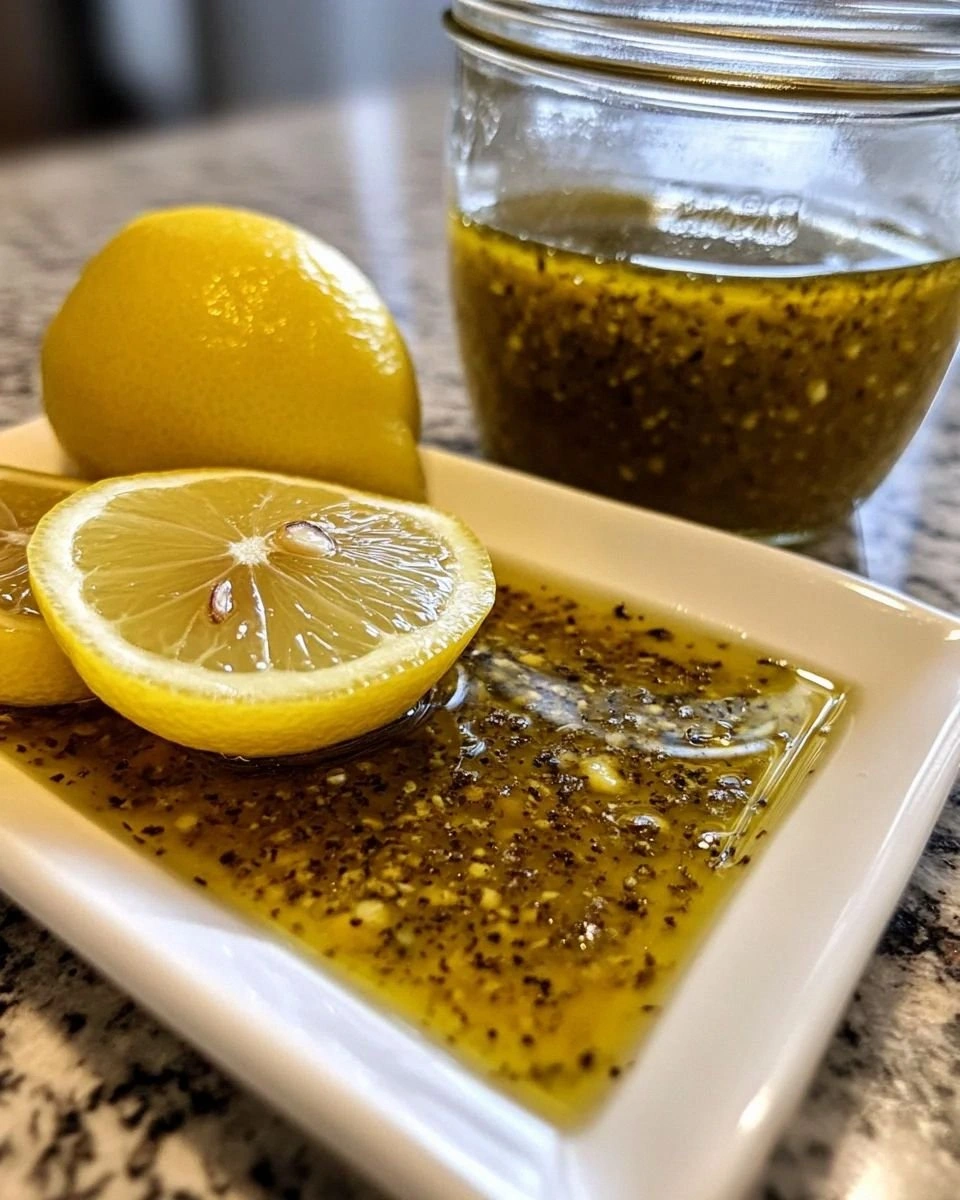
The Method — Step by Step
Start by gathering all your ingredients within arm’s reach. This might sound obvious, but trust me, a cluttered countertop leads to frantic searches and ruined timing. Grab a medium‑sized mixing bowl, a small whisk, and a measuring spoon set. The moment you see the honey glistening in the light, you’ll know you’re on the right track. Watch the honey pour like liquid gold—if it’s too thick, a quick dip in warm water (just the bowl, not the honey) will loosen it.
Measure out the 2 tbsp of honey and 2 tbsp of fresh lemon juice, then whisk them together until they form a uniform, slightly frothy mixture. This is the base that will carry the flavor throughout the dressing. As you whisk, you’ll notice a subtle aroma rising—a sweet‑citrus perfume that’s already making your mouth water. Watch Out: If you use bottled lemon juice, the flavor will be flat; always opt for freshly squeezed.
Add the teaspoon of Dijon mustard to the honey‑lemon blend. The mustard acts like a culinary glue, ensuring the oil won’t separate later. Whisk vigorously for about 10 seconds; you’ll see the mixture thicken just a touch, a sign that the emulsifier is doing its job.
Kitchen Hack: If you don’t have a whisk, a fork works fine—just be sure to move it rapidly to incorporate air.Now comes the crucial slow‑drizzle. Begin adding the olive oil in a thin, steady stream while whisking continuously. This step is where most home cooks falter, either by pouring too fast or stopping the whisk. The key is patience: a thin stream allows the oil droplets to be suspended within the acidic honey mixture, creating a glossy emulsion. You’ll notice the dressing turning from a thin liquid to a velvety sauce that clings to the whisk.
Once the oil is fully incorporated, fold in the minced garlic. The garlic’s raw sharpness will mellow instantly as it meets the acidic environment. Taste the dressing at this point; you should detect a perfect harmony of sweet, sour, and savory. If the flavor feels a bit shy, add a pinch more salt or a few extra drops of lemon juice.
Season with the ½ tsp of salt and ¼ tsp of freshly ground black pepper. Sprinkle the salt evenly, then give the mixture one final vigorous whisk. The salt will bring out the honey’s floral notes while the pepper adds a subtle bite that keeps the palate interested. Watch Out: Over‑peppering can make the dressing taste peppery; add gradually and taste as you go.
Transfer the finished vinaigrette to a clean glass jar with a tight‑fitting lid. This not only makes storage easy but also allows the flavors to marry over time. Give the jar a gentle shake before each use to re‑emulsify any separation that may have occurred during storage.
Now the fun part: drizzle the dressing over a bowl of mixed greens, toss gently, and watch the leaves glisten like they’ve been kissed by sunrise. Serve immediately, or let the salad sit for a few minutes to let the flavors seep deeper. This next part? Pure magic. The moment the dressing meets the greens, you’ll hear a faint sizzle—well, in your mind—signaling the start of a flavor explosion.
That's it — you did it. But hold on, I've got a few more tricks that'll take this to another level...
Insider Tricks for Flawless Results
The Temperature Rule Nobody Follows
Never whisk a cold vinaigrette. Let the honey, lemon juice, and mustard sit at room temperature for a few minutes before you begin. Warm ingredients emulsify more readily, reducing the risk of a broken sauce. I once tried to make this dressing straight from the fridge; the oil clumped and the texture turned grainy. The lesson? A brief 5‑minute warm‑up makes the whole process smoother than a silk scarf.
Why Your Nose Knows Best
Before you taste, give the mixture a deep sniff. Your nose can detect imbalances long before your palate does. If the aroma leans too heavily toward lemon, add a touch more honey; if it smells overly sweet, a splash of extra‑virgin olive oil can restore balance. Trusting your sense of smell saves you from a mis‑seasoned batch and adds an intuitive layer to your cooking.
The 5‑Minute Rest That Changes Everything
After whisking, let the dressing rest for exactly five minutes. This short pause allows the flavors to meld, and the mustard’s emulsifying power fully activates. I’ve seen people rush straight to the salad and end up with a dressing that feels a bit “off.” Give it those five minutes, and you’ll notice a richer, more cohesive taste that feels like it’s been simmered for hours.
The Garlic Whisper
Raw garlic can be aggressive. To soften its edge, crush the clove with the flat side of a knife, let it sit for a minute, then mince. This technique releases allicin, the compound responsible for garlic’s pungency, in a controlled way, giving you a milder, sweeter flavor that blends seamlessly. A friend tried skipping this step once—let's just say the dressing had a harsh bite that overpowered the honey.
The Secret Splash
If you ever notice a slight separation after storage, simply add a teaspoon of warm water and whisk vigorously. The water re‑hydrates the emulsion, bringing back that glossy sheen without diluting the flavor. It’s a kitchen magician’s trick that rescues any vinaigrette in a pinch.
Creative Twists and Variations
This recipe is a playground. Here are some of my favorite ways to switch things up:
Spicy Honey Lime
Swap the lemon for lime juice, add a pinch of cayenne pepper, and use a drizzle of agave instead of honey. The result is a bright, zesty dressing with a gentle heat that pairs perfectly with taco salads or grilled shrimp.
Herb‑Infused Bliss
Blend in a tablespoon of finely chopped fresh basil or mint during the whisking stage. The herbaceous note adds a garden‑fresh dimension, making the vinaigrette ideal for fruit salads or summer grain bowls.
Maple‑Apple Cider Fusion
Replace honey with pure maple syrup and lemon juice with apple cider vinegar. This variation leans toward a sweet‑tangy profile that’s marvelous on roasted root vegetables or pork tenderloin salads.
Asian‑Inspired Sesame
Introduce a teaspoon of toasted sesame oil and a splash of soy sauce, while keeping the honey and lemon base. The nutty aroma and umami depth make it a stellar dressing for Asian slaw or noodle salads.
Greek‑Style Olive
Swap half of the olive oil for Greek yogurt, add a pinch of oregano, and keep the honey‑lemon backbone. This creates a creamy, tangy dressing that works wonders on cucumber‑tomato salads or as a dip for pita.
Smoky Chipotle
Blend in a half‑teaspoon of chipotle powder and a dash of smoked paprika. The smoky heat adds depth that pairs beautifully with grilled corn salads or black‑bean tacos.
Storing and Bringing It Back to Life
Fridge Storage
Transfer the vinaigrette to an airtight glass jar and store it in the refrigerator for up to one week. The flavors will continue to meld, becoming more rounded over time. Before each use, give the jar a gentle shake or stir with a spoon to re‑emulsify.
Freezer Friendly
If you want to keep it longer, pour the dressing into a freezer‑safe container, leaving a little headspace for expansion, and freeze for up to three months. Thaw overnight in the fridge, then whisk in a teaspoon of fresh olive oil to restore its silky texture.
Best Reheating Method
When you’re ready to use a chilled batch, let it sit at room temperature for 10 minutes, then add a tiny splash (about 1 tsp) of warm water while whisking. The water creates steam that revives the emulsion without watering down the flavor.