The moment the salmon hit the hot pan, a sizzling chorus erupted, the aroma of garlic roasting in olive oil mingled with bright citrus, and the kitchen filled with a scent so inviting it could stop a traffic light. My senses were on full alert: the crisp snap of asparagus, the soft, buttery melt of salmon flakes, the sweet pop of cherry tomatoes, and the fresh, peppery bite of parsley. The sound of the pan was like a jazz solo—unexpected, yet perfectly in sync with the sizzling rhythm. I could almost hear the music of the night, the clink of a glass, and the laughter of friends as they watched the dish come together.
Why does this version stand out? Because it’s not just a recipe; it’s a confidence booster, a culinary statement, and a kitchen hack all rolled into one pan. Every bite delivers a burst of citrus that cuts through the richness of salmon, while the garlic adds depth without overpowering. The asparagus stays crisp, offering a satisfying bite that balances the tender fish, and the cherry tomatoes bring a sweet, juicy counterpoint. And the best part? The entire dish cooks in a single pan, saving you from a mountain of dishes and letting you enjoy more time with friends or family.
Now, let’s dive into the details. I’ll walk you through every single step, from the first chop to the final garnish. By the end, you’ll wonder how you ever made it any other way. Let’s get started.
What Makes This Version Stand Out
- Taste: The bright lemon juice lifts the natural flavor of salmon, while the garlic creates a savory depth that feels like a hug in every bite.
- Texture: The salmon stays moist and flaky, the asparagus stays crisp, and the cherry tomatoes burst with juice—an orchestra of textures that never feels cloying.
- Simplicity: One pan, minimal prep, no fuss—just a few ingredients that work together in perfect harmony.
- Uniqueness: The combination of lemon, garlic, and fresh parsley creates a flavor profile that feels both classic and adventurous.
- Crowd Reaction: Most people will ask for seconds, and I dare you to taste this and not go back for more.
- Ingredient Quality: Fresh salmon, crisp asparagus, ripe cherry tomatoes, and aromatic parsley are the backbone of this dish.
- Cooking Method: One-pan roasting locks in moisture and flavor, while the high heat caramelizes the edges of the salmon.
- Make‑Ahead Potential: The dish can be prepped the night before, then roasted in the morning for a quick, no‑stress dinner.
Alright, let's break down exactly what goes into this masterpiece...
Inside the Ingredient List
The Flavor Base
Fresh lemon juice is the star that brightens every bite. Its acidity cuts through the richness of salmon, creating a balance that feels light and refreshing. If you skip the lemon, the dish will still be tasty, but it will lose that bright, zesty kick that keeps the flavors from becoming heavy. For a twist, try adding a splash of white wine to the lemon juice for a subtle depth.
Olive oil is more than a cooking medium; it’s a flavor enhancer that carries the garlic and lemon throughout the dish. A high‑quality extra‑virgin olive oil adds a peppery nuance that complements the salmon’s buttery texture. If you’re on a budget, a lighter olive oil works fine, but the flavor profile will shift slightly.
The Texture Crew
Asparagus spears bring a satisfying crunch that contrasts with the tender fish. Their natural sweetness is amplified when roasted, creating a subtle caramelization on the edges. If you prefer a softer texture, trim the woody ends and roast at a slightly lower temperature for a few minutes longer.
Cherry tomatoes add a burst of juicy sweetness that balances the savory elements. Their skins blister slightly, releasing a sweet syrup that coats the salmon. If you’re out of cherry tomatoes, halved regular tomatoes work, but the bite will be less sweet.
The Unexpected Star
Fresh parsley is the finishing touch that adds a bright, herbaceous note. Its mild peppery flavor lifts the dish and provides a pop of color that makes the plate look as good as it tastes. If parsley isn’t available, a handful of fresh dill or basil can substitute, but the flavor will shift.
The Final Flourish
Garlic cloves are the backbone of the dish’s savory profile. Minced or sliced, they release a warm, aromatic essence that permeates the salmon and veggies. If you’re a garlic lover, double the cloves; if you’re sensitive, reduce to two. The balance is key—too much garlic can overwhelm the delicate fish.
Everything’s prepped? Good. Let’s get into the real action.
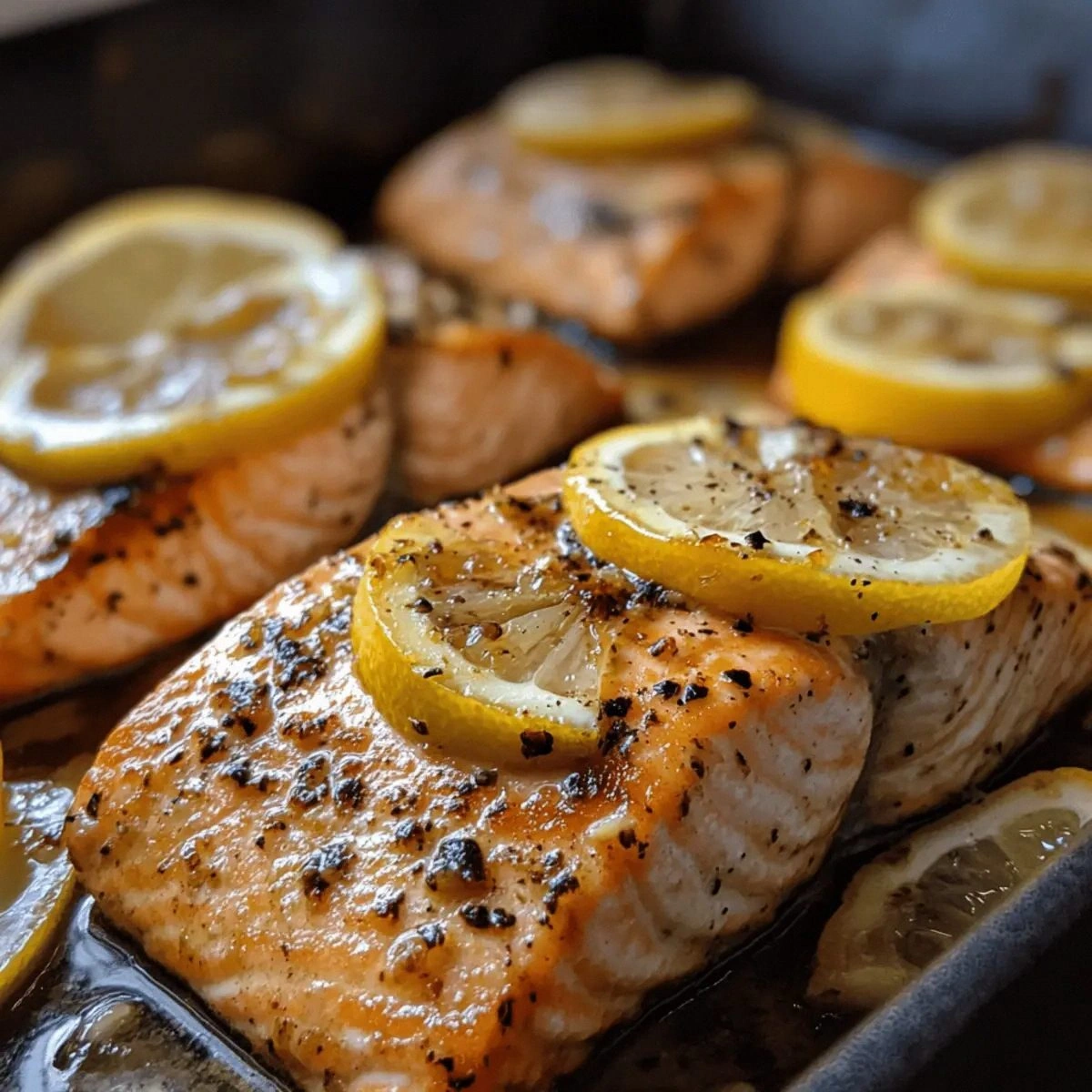
The Method — Step by Step
- Preheat your oven to 425°F (220°C). Line a rimmed baking sheet with parchment paper or a silicone mat to prevent sticking and simplify cleanup. This high heat will create a caramelized crust on the salmon while keeping the inside moist.
- Pat the salmon fillets dry with paper towels—dry skin helps it brown beautifully. Season both sides with salt and black pepper, then drizzle with olive oil, ensuring the oil coats the surface evenly. The oil not only prevents sticking but also carries the lemon and garlic flavors into the fish.
- In a small bowl, combine the minced garlic, fresh lemon juice, and a pinch of salt. Whisk until the garlic is evenly distributed, then spoon the mixture over the salmon fillets, letting it seep into the crevices. This step infuses the fish with a bright, garlicky citrus aroma that will linger until the very last bite.
- Arrange the asparagus spears around the salmon on the baking sheet, spacing them evenly to ensure even roasting. Scatter the halved cherry tomatoes around the asparagus, allowing their juices to mingle with the salmon’s juices, creating a natural, flavorful glaze.
- Place the sheet in the preheated oven and roast for 12–15 minutes, or until the salmon flakes easily with a fork and the asparagus is tender yet still crisp. The cherry tomatoes should blister slightly, releasing a sweet, caramelized flavor. Keep an eye on the edges of the salmon; when they start pulling away from the pan, it’s a sign of doneness.
- Remove the sheet from the oven and let the salmon rest for about five minutes. This resting period allows the juices to redistribute, ensuring each bite is moist and flavorful. While it rests, sprinkle the fresh parsley over the top for a burst of green color and fresh aroma.
- Serve the salmon fillets with the roasted asparagus and cherry tomatoes on the side. Drizzle any remaining pan juices over the top for added depth. Pair with a light salad or a side of quinoa for a complete meal.
- Plate immediately and enjoy the symphony of flavors. The lemon’s brightness, the garlic’s depth, and the fresh parsley’s aroma combine to create a dish that feels both sophisticated and comforting. The best part? The entire meal is ready in under 45 minutes, making it perfect for busy evenings.
That's it—you did it. But hold on, I've got a few more tricks that'll take this to another level.
Insider Tricks for Flawless Results
The Temperature Rule Nobody Follows
Many cooks bake salmon at a lower temperature to avoid drying out the fish. While this is true, roasting at a higher heat (425°F) caramelizes the edges, creating a delightful crust that locks in moisture. The trick is to monitor the salmon closely—once it reaches an internal temperature of 125°F, it’s perfectly cooked.
Why Your Nose Knows Best
The aroma of garlic roasting in olive oil is a powerful indicator that the pan is hot enough and the flavors are developing. If the scent is flat or underwhelming, give the pan a few more minutes to heat up. Your nose is the most reliable tool for assessing readiness.
The 5-Minute Rest That Changes Everything
Resting the salmon after cooking allows the juices to redistribute, preventing them from escaping when you cut into the fish. This simple step results in a moist, flavorful fillet that feels indulgent. I’ve seen people skip this step and end up with a dry, disappointing meal.
The Secret Ingredient: Fresh Parsley
Fresh parsley adds a bright, herbal note that lifts the dish. If you’re in a pinch, a splash of chopped cilantro or a sprinkle of microgreens can substitute, but the flavor profile will shift slightly. The key is freshness—stale herbs can taste bitter.
The One-Pan Wonder
Using a single pan eliminates the need for multiple pots and pans, saving time and reducing cleanup. It also allows the flavors to mingle, creating a cohesive taste that’s hard to replicate with separate cooking methods.
Creative Twists and Variations
This recipe is a playground. Here are some of my favorite ways to switch things up:
Smoky Chipotle Twist
Add a teaspoon of chipotle powder to the garlic-lemon mixture for a smoky, spicy kick that pairs wonderfully with the salmon’s natural sweetness.
Mediterranean Medley
Swap the asparagus for sliced zucchini and add a handful of kalamata olives for a Mediterranean flair. The olives’ briny flavor complements the lemon and garlic beautifully.
Herb‑Infused Explosion
Replace parsley with a mix of fresh thyme and oregano. The herbs bring an earthy depth that elevates the dish to new heights.
Citrus Duo
Combine fresh lemon juice with a splash of orange juice in the sauce for a sweet, tangy twist that balances the garlic’s bite.
Pineapple Pop
Add diced pineapple to the pan for a tropical sweetness that caramelizes during roasting, creating a delightful contrast to the savory salmon.
Storing and Bringing It Back to Life
Fridge Storage
Store leftovers in an airtight container in the refrigerator for up to 3 days. The flavors intensify over time, making the dish even more delicious the next day.
Freezer Friendly
Pack the cooked salmon and vegetables separately in freezer-safe bags. Freeze for up to 2 months. When reheating, thaw overnight in the fridge.
Best Reheating Method
Reheat in a preheated oven at 350°F for 10 minutes. Add a splash of water or broth before covering with foil to keep the salmon moist. This gentle method preserves the texture and flavor.