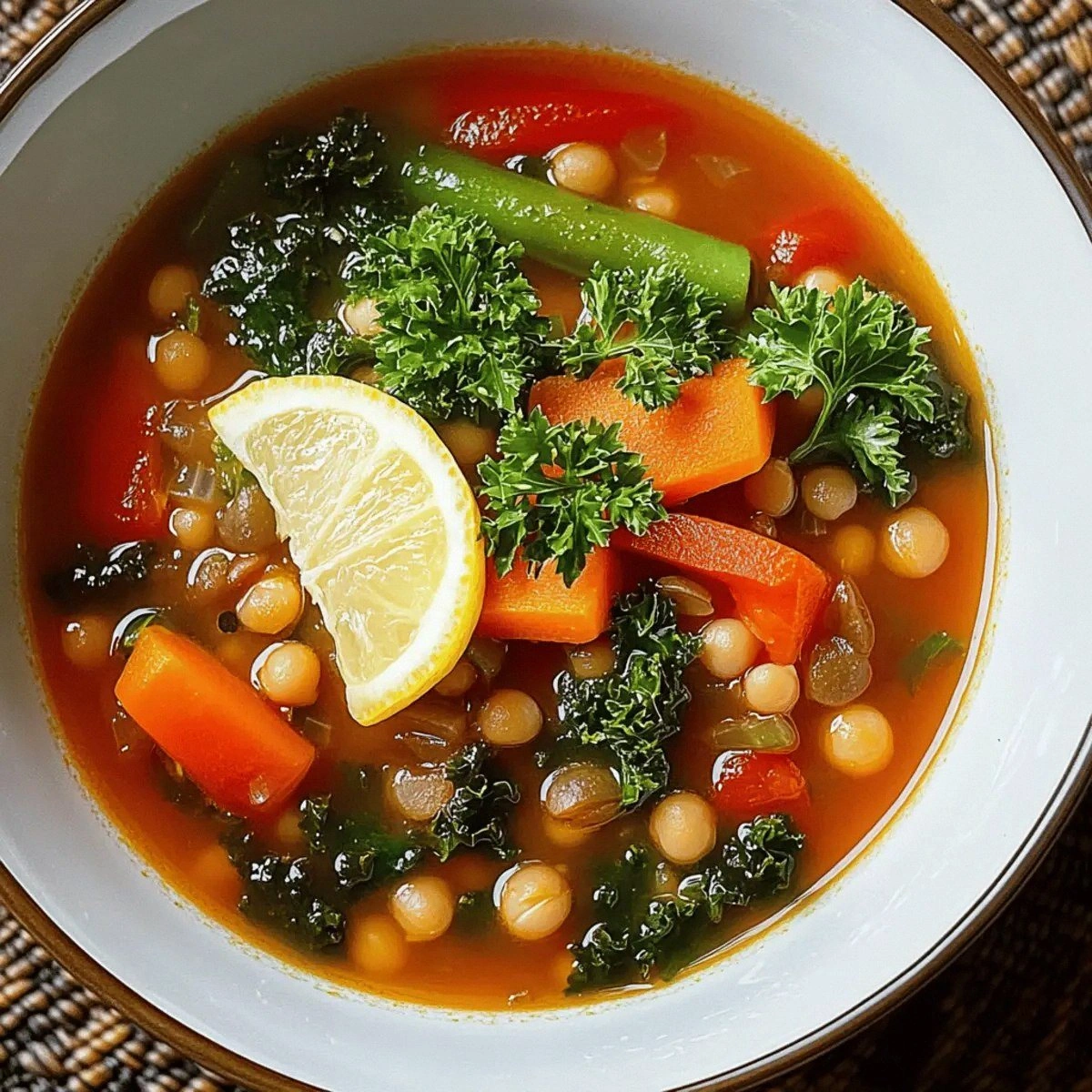
Picture this: it's 8:47 p.m., the wind is howling like a banshee auditioning for American Idol, and your stomach is staging a full-scale revolt against the sad desk lunch you half-forgot to eat. You could order takeout, but that means putting on real pants and pretending you're okay with paying $18 for a bowl of lukewarm minestrone that tastes like dishwater with delusions of grandeur. Or — hear me out — you could stay wrapped in your fuzzy socks, raid the pantry like a culinary archaeologist, and in forty-five minutes be cradling a steaming cauldron of what might be the most outrageously satisfying vegetable soup of your life. I'm talking about the kind of soup that makes you close your eyes after the first spoonful, the kind that turns a random Tuesday into a cozy celebration, the kind that has more protein per serving than a chicken breast yet tastes like garden angels did a flavor flash-mob in your mouth.
I stumbled onto this exact scenario last February when a bomb cyclone trapped me indoors with nothing but canned beans, some sad kale, and a stubborn refusal to brave the grocery store. What started as culinary desperation became an obsession — I tested this recipe seventeen times over the next month, tweaking, tasting, and terrorizing my neighbors with endless "sample bowls." The breakthrough came when I stopped treating protein like an afterthought and started building layers of it the same way a jazz trio builds rhythm: each ingredient doing its own thing while somehow locking into a groove that makes the whole room nod along. Lentils for earthiness, chickpeas for buttery richness, black beans for deep cocoa notes, and a surprise hit of lemon that makes the whole bowl sing like a headlight on high beam.
Most "healthy" soups taste like penance. They whisper promises of virtue while you chew resentfully, counting down the minutes until you can justify eating something that actually tastes good. This one flips the script entirely — it's so lusciously thick you could practically stand a spoon in it, so aromatic that your neighbor will wander over asking if you've secretly hired a private chef, so packed with texture that every bite feels like a treasure hunt. And here's the kicker: it's accidentally vegan, gluten-free, freezer-friendly, and costs about three bucks a serving. If that doesn't make you feel like you've hacked the matrix, I don't know what will.
But the real magic isn't just in the nutrition stats or the budget wins — it's in the alchemy that happens when humble ingredients transform into something greater than their sum. The way the onions go from sharp to sweet, the moment garlic hits that perfect golden edge, the slow bloom of thyme and basil weaving through your kitchen like a promise kept. By the time you ladle this into your favorite bowl (you know, the one that fits perfectly in your palms), you've created more than dinner — you've crafted a moment of pure, unapologetic comfort. Let me walk you through every single step — by the end, you'll wonder how you ever made it any other way.
What Makes This Version Stand Out
Protein Powerhouse: While most vegetable soups leave you raiding the fridge an hour later, this one packs a legit 25 grams of protein per serving thanks to the triple-bean combo and lentil backbone. We're not playing around with wimpy broth here — this is stick-to-your-ribs satisfaction that fuels late-night study sessions or powers you through back-to-back meetings without that 3 p.m. crash.
Texture Paradise: Forget the sad, mushy vegetables floating in brown water experience. We build texture like a symphony: creamy chickpeas, pop-in-your-mouth peas, tender-crisp green beans, and lentils that still have some bite. Every spoonful delivers a contrast that keeps your palate interested from first bite to last slurp.
Layered Flavor Magic: The secret isn't just dumping everything in a pot and hoping for the best. We start with a proper sofrito, bloom the spices until your kitchen smells like an Italian grandmother's hug, and finish with bright lemon and fresh parsley that makes the whole bowl taste like sunshine. Most recipes skip these steps and wonder why their soup tastes flat.
One-Pot Wonder: Despite tasting like you've been slaving away for hours, this entire masterpiece happens in a single Dutch oven. Less dishes, more Netflix time. Plus, the fond (those gorgeous browned bits on the bottom) becomes built-in flavor concentrate that you can't buy in any store.
Meal Prep Gold: This soup actually improves after a day in the fridge as the flavors meld and deepen. Make a double batch on Sunday, portion into containers, and you've got grab-and-go lunches that'll make your coworkers jealous. It freezes beautifully for up to three months, meaning future you is already thanking present you.
Budget Hero: The whole pot costs less than a single fancy salad, uses pantry staples you probably already own, and stretches to feed a crowd. During my broke grad school days, this recipe kept me fed, nourished, and weirdly popular among my fellow students who always seemed to stop by right around dinner time.
Inside the Ingredient List
The Flavor Base
That olive oil isn't just for show — it's your flavor foundation, carrying the aromatic molecules from onion and garlic throughout the entire soup. Use the good stuff here, not the ancient bottle that's been lurking in your pantry since 2019. When it shimmers but doesn't smoke, you know you've hit the sweet spot. The onion needs to go past translucent into golden territory, where its natural sugars develop and create the sweet backbone that balances the beans' earthiness. Rush this step and your soup will taste like cafeteria sadness; nail it and you've built flavor that whispers rather than shouts.
Garlic is a diva — too raw and it bites, too brown and it turns bitter faster than a rejected reality TV contestant. We're looking for that perfect pale gold moment when it's fragrant but still friendly, about thirty seconds after it hits the pan. The carrots aren't just for color; their natural sweetness rounds out the acidity from tomatoes (if you add them) and provides the subtle sugar that makes herbs taste brighter. Dice them small enough to cook through but large enough to maintain their identity in the final bowl.
The Texture Crew
Red bell pepper brings more than just pretty flecks — its fruity notes and slight crunch survive the simmer, giving you something to actually chew rather than just sip. Remove the white ribs unless you enjoy bitter surprises lurking like unwanted plot twists. Celery often gets dissed as filler, but its herbal, slightly saline quality is what makes soup taste like soup instead of vegetable tea. Keep the leaves if your stalk has them — they're concentrated celery flavor bombs that chefs hoard like secret treasure.
The dried lentils are your protein MVP, but here's what most recipes botch: they need a 10-minute head start before the canned beans join the party. This timing ensures the lentils cook through without turning the chickpeas and black beans into mush. Brown or green lentils work best — red ones dissolve into dal territory, which is delicious but not what we're after here. Rinse them well and pick out any tiny rocks unless you enjoy dental adventures.
The Unexpected Star
That single tablespoon of lemon juice at the end? It's not optional, it's transformational. Acid brightens all the earthy flavors, makes the herbs taste fresher, and cuts through the beans' richness like a squeeze of sunshine. Add it off-heat — cooking lemon juice turns it bitter and flat, like a joke explained too thoroughly. The kale isn't just for nutrition cred; when sliced into ribbons and added in the final five minutes, it wilts into silky ribbons that add body and a subtle mineral note that makes the whole soup taste more complex.
Frozen peas are my favorite kitchen cheat — they add pop and sweetness without any prep, and their fresh green color makes the whole bowl look vibrant rather than murky. Add them in the final two minutes or they'll turn army green and sad. Green beans provide that crucial snap — look for haricots verts if you can find them; their slender elegance cooks quickly while maintaining bite.
The Final Flourish
Fresh parsley at the end isn't just garnish — its bright, almost lemony notes wake up the entire bowl and add a layer of freshness that dried herbs can't touch. Chop it roughly so you get actual bites of green rather than confetti that sinks to the bottom. If you're feeling fancy, parsley stems are packed with flavor too — just make sure to mince them finely so no one gets a fibrous surprise. The combination of dried thyme and dried basil might seem odd, but they work like a time machine: thyme brings woodsy depth while basil adds that unmistakable Italian grandmother vibe that makes kitchens feel like home.
Salt and pepper aren't afterthoughts here — they need to be added in layers. Season the vegetables as they sauté, then again after adding broth, and finally adjust before serving. Taste as you go; beans can be sodium sponges, and under-seasoned soup is sadder than a rain-soaked kitten. Freshly ground black pepper adds floral notes that pre-ground stuff lost months ago sitting on a shelf. Everything's prepped? Good. Let's get into the real action...
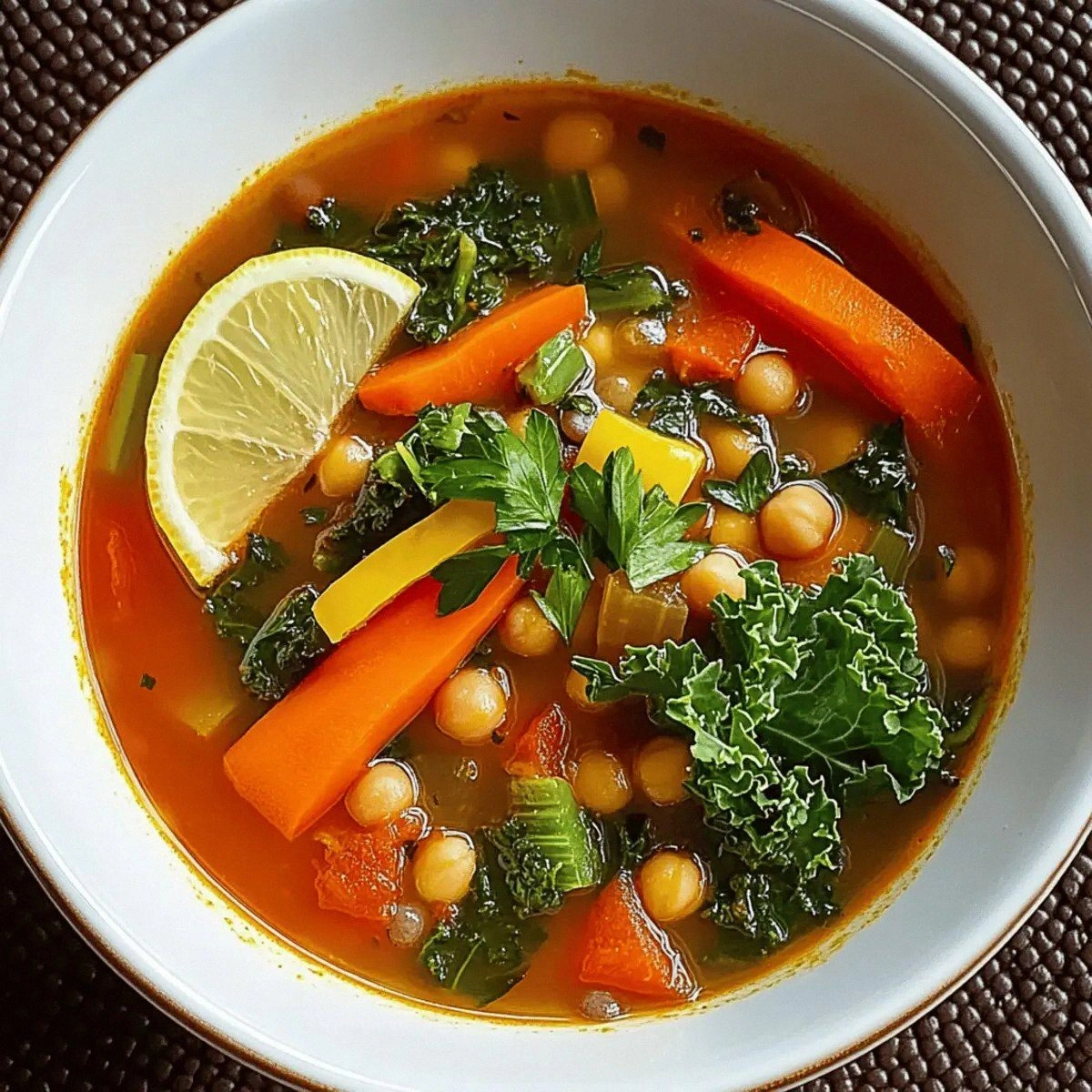
The Method — Step by Step
- Heat your Dutch oven over medium heat for a full two minutes — don't rush this. When you flick a drop of water and it dances across the surface like it's auditioning for Flashdance, add the olive oil. It should shimmer immediately but not smoke; if it starts rippling aggressively, your pan's too hot and you need to start over or risk bitter, burnt garlic. Swirl to coat the bottom evenly — this prevents hot spots that'll turn your onions into charcoal confetti.
- Add the diced onion with a pinch of salt — the salt helps draw out moisture and seasons from the inside out. Stir every thirty seconds for the first three minutes, then reduce heat slightly and let them do their thing. You're looking for edges that turn translucent first, then a gradual golden color that smells sweet rather than sharp. This takes 6-8 minutes total; if they're browning faster, your heat's too high and they'll be bitter, not sweet.
- Clear a small space in the center and add the minced garlic. Let it sit undisturbed for exactly twenty seconds — this allows it to toast slightly without burning. Now stir everything together and cook for another thirty seconds until the garlic is fragrant but still pale golden. If it turns brown, you've gone too far and need to start over because burnt garlic will ruin the entire pot with its acrid nastiness.
- Time for the vegetable crew: add carrots, celery, and red bell pepper all at once. The bell pepper's high water content helps prevent the aromatics from burning while everything softens. Cook for 5 minutes, stirring occasionally, until the vegetables start to look glossy and the bell pepper strips have relaxed into the mix. They should still have some bite — we're not making baby food here.
- Pour in the vegetable broth and crank the heat to high. While it comes to a boil, rinse your lentils in a fine-mesh strainer until the water runs clear — this removes dusty starch that can make the broth murky. Add the lentils, dried thyme, and dried basil. Once it reaches a rolling boil, reduce to a gentle simmer and set your timer for 15 minutes. Resist the urge to stir constantly — lentils need calm water to cook evenly.
- After 15 minutes, your lentils should be just tender with a slight bite in the center. Now it's bean time: drain and rinse the chickpeas and black beans to remove the starchy can liquid that tastes metallic. Add them to the pot along with the green beans. Simmer for another 8 minutes — this gives the canned beans time to heat through and absorb flavor without turning to mush.
- Add the kale and frozen peas. The kale needs about 3 minutes to wilt into silky ribbons while maintaining its vibrant color; the peas just need to heat through and turn bright green. If you're using mature kale with tough stems, remove them or you'll be chewing like a cow with a cud. Baby kale can go in stems and all.
- Remove from heat and stir in the lemon juice and chopped parsley. Taste and adjust seasoning — the soup might need more salt depending on your broth's sodium level. The acid should make all the flavors pop without being obviously lemony. If it tastes flat, add a pinch more salt. If it tastes dull, another squeeze of lemon. If it tastes perfect, ladle it into bowls immediately because soup waits for no one.
- Let it rest for exactly 5 minutes before serving — this allows the temperature to drop slightly so you don't burn your tongue and gives the flavors a moment to meld. Garnish with extra parsley, a drizzle of good olive oil, or a crack of black pepper. Serve with crusty bread if you're feeling traditional, or straight up if you're too hungry to wait for toast.
That's it — you did it. But hold on, I've got a few more tricks that'll take this to another level...
Insider Tricks for Flawless Results
The Temperature Rule Nobody Follows
Here's where most home cooks mess up: they cook everything at one temperature like they're afraid of their stove. Start hot to build fond (those gorgeous browned bits) on the bottom of your pot, then drop to medium for gentle simmering. But here's the kicker — when you add the lemon juice at the end, the soup should be off-heat but still steaming. Too hot and the acid turns bitter; too cool and it can't brighten the flavors. Think of it like adding perfume to pulse points — warmth helps diffusion but direct heat kills the delicate notes.
I learned this the hard way when I served this soup to my food-scientist friend who took one bite and said, "You cooked the lemon, didn't you?" The difference is subtle but real — properly added lemon makes the herbs taste like they were picked five minutes ago, while overheated lemon creates a flat, slightly metallic aftertaste that no amount of parsley can fix.
Why Your Nose Knows Best
Stop relying on timers alone — your nose is the most sophisticated piece of kitchen equipment you own. When the onions are perfectly golden, your kitchen will smell like butter and sweetness rather than sharp sulfur. If you smell garlic before you see it, you've got thirty seconds before it burns. The moment thyme and basil hit hot fat, they release volatile compounds that signal "time to add liquid" before they turn bitter and dusty-tasting.
My neighbor once asked why her soup tasted "muddy" despite following the recipe exactly. Turns out she was afraid to let the aromatics brown properly, so they steamed instead of caramelized. Trust your senses — when it smells like you want to bottle the aroma and wear it as perfume, you're on the right track.
The 5-Minute Rest That Changes Everything
I know you're hungry. I know the soup smells incredible. But walk away for five minutes — set a timer if you must. During this rest, the starch from the beans continues to thicken the broth, the kale relaxes into silky submission, and the temperature drops to that perfect "can eat immediately without burning your entire mouth" zone. Plus, soup that's too hot can't taste like much — your taste buds literally go numb above 140°F.
Use this time to set your table, find your favorite spoon (we all have one), or just breathe and transition from cooking mode to eating mode. Future you, calmly enjoying perfectly seasoned, appropriately hot soup, will thank present you for exercising this tiny bit of patience.
Creative Twists and Variations
This recipe is a playground. Here are some of my favorite ways to switch things up:
The Mediterranean Vacation
Swap the basil and thyme for oregano and rosemary, add a can of diced tomatoes with the broth, and finish with a sprinkle of feta and kalamata olives. The tomatoes add bright acidity while the feta melts slightly into the hot soup, creating creamy pockets that make each bite feel like you're dining on a Greek island rather than your kitchen table.
The Smoky Southwest
Add a teaspoon of smoked paprika and a diced chipotle pepper in adobo sauce when you sauté the aromatics. Swap the kale for spinach and finish with cilantro, lime juice, and crushed tortilla chips. The chipotle brings gentle heat and incredible depth that makes the soup taste like it's been simmering over a campfire for hours.
The Curry House Remix
Bloom a tablespoon of curry powder in the oil before adding onions, use coconut milk for half the broth, and finish with cilantro and a squeeze of lime. The coconut milk creates this luxurious silkiness while the curry transforms the entire flavor profile into something that tastes like it came from your favorite Indian restaurant.
The Greens Galore
Use whatever greens are lurking in your fridge — spinach, Swiss chard, beet greens, even arugula for a peppery kick. The key is adding sturdy greens earlier (like kale or chard stems) and delicate greens (like spinach or arugula) in the final minute. Each green brings its own personality: chard adds mineral earthiness, spinach melts into silky goodness, arugula gives a spicy finish that wakes up your whole mouth.
The Protein Boost
Add a cup of diced firm tofu or shredded cooked chicken in the final five minutes for an extra protein punch. For tofu fans, use the technique where you press it first, then dice and add it — it'll absorb the broth flavors like a sponge. If you're team chicken, shred a rotisserie bird and stir it in just to heat through.
The Spicy Daredevil
Add a diced jalapeño with the onions, keep the seeds if you like living dangerously, and finish with a drizzle of chili crisp oil. The fresh pepper adds bright heat that blooms throughout the soup, while the chili crisp gives you those addictive crunchy bits that make it impossible to eat politely.
Storing and Bringing It Back to Life
Fridge Storage
This soup keeps like a champ in the refrigerator for up to 5 days, but here's the key: let it cool completely before storing. Hot soup in a sealed container creates condensation that waters down flavor and can make the beans mushy faster. Portion into individual containers for grab-and-go lunches, or keep it all in one big container if you're planning to reheat portions throughout the week. The flavors actually meld and deepen after the first day — it's like the soup goes to finishing school and comes back more sophisticated.
Freezer Friendly
Freeze in portion-sized containers or heavy-duty freezer bags laid flat for space-saving storage. It'll keep for up to 3 months, though I dare you to leave it alone that long. Pro tip: leave about an inch of headspace in containers because soup expands when frozen. Thaw overnight in the fridge or use the defrost setting on your microwave. The texture holds up beautifully — the beans might split slightly but the flavor stays incredible.
Best Reheating Method
Add a splash of water or broth when reheating — the beans continue to absorb liquid as it sits, so yesterday's perfect soup might be today's stew. Heat gently over medium-low, stirring occasionally, until steaming but not boiling. The microwave works in a pinch but tends to overcook the greens and make the broth separate. If you must microwave, do it in 45-second bursts, stirring between each burst, and add a splash of water to keep everything happy.