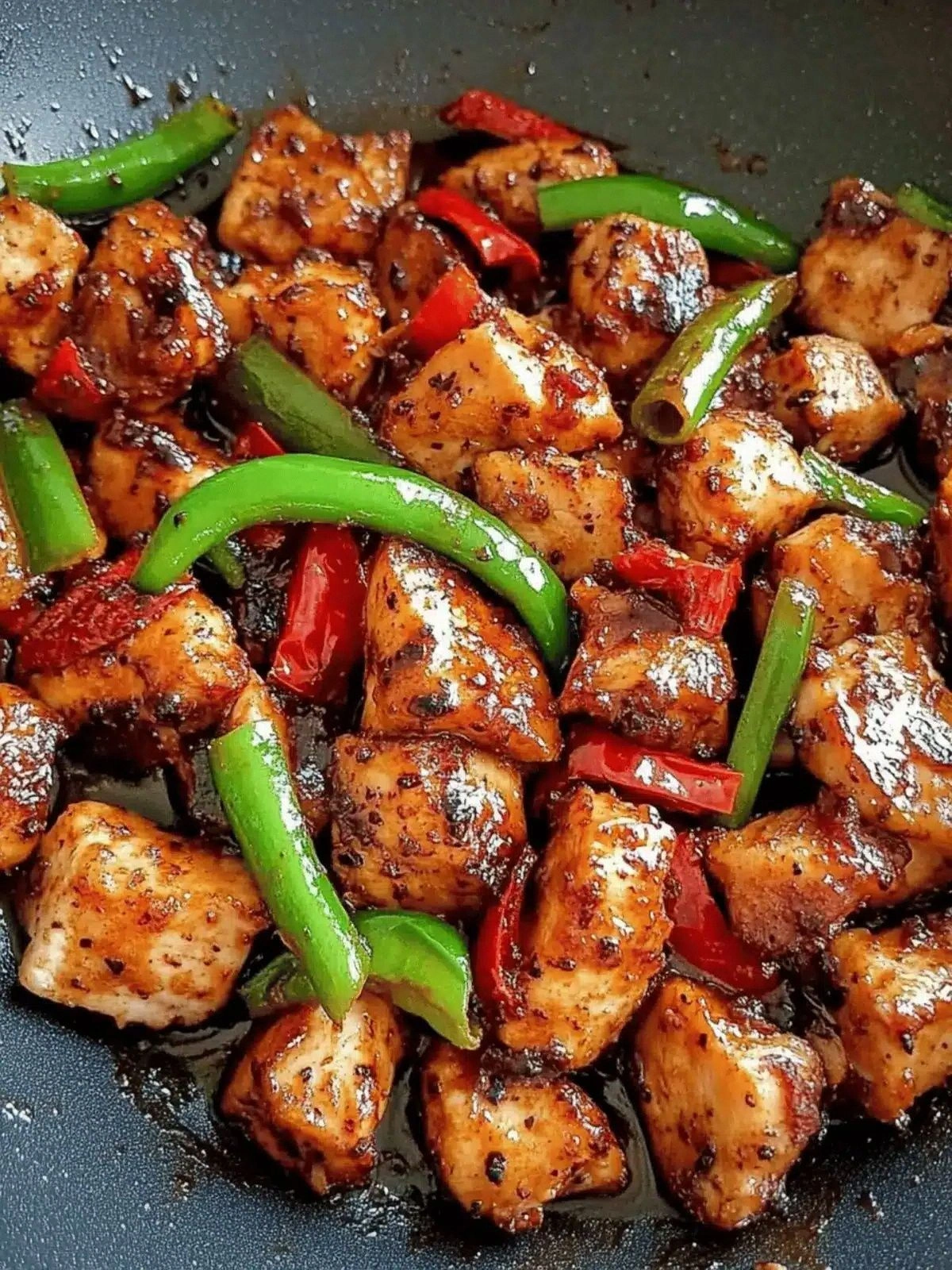
I was standing in the middle of my kitchen, surrounded by a chaotic pile of ingredients, when a friend dared me to whip up a takeout‑style dish that could rival the best in town. The challenge was simple: create a black pepper chicken that feels like a high‑end restaurant hit but can be made in under an hour. I stared at the 1‑pound chicken breast, the glistening bottle of sesame oil, and the fresh chili that seemed to be shouting for attention. That moment felt like a culinary cliffhanger, and the stakes were high: my friend would decide whether I’d become the new go‑to chef of our circle.
Picture the scene: the sizzling sound of peanut oil heating up, the aroma of garlic and ginger swirling, the bright green bell pepper slicing into crisp ribbons, and the deep, earthy scent of freshly cracked black pepper. My senses were in overdrive; the kitchen was alive with the promise of something extraordinary. I could almost taste the glossy sauce coating the tender chicken, the subtle sweetness of brown sugar dancing against the sharp bite of soy sauce. The anticipation was almost tangible, like waiting for the first bite of a secret family recipe that everyone claims to know.
This version of black pepper chicken is not just another recipe; it’s a revelation. The key lies in the balance of umami, heat, and a touch of sweetness that makes every bite a moment of pure bliss. Unlike the usual bland stir‑fries that forget to layer flavors, this dish layers them like a well‑composed symphony. It’s hands down the best version you’ll ever make at home, and I dare you to taste it and not go back for seconds. The moment the sauce coats the chicken, it feels like velvet draped over a hot stone—rich, smooth, and utterly irresistible.
I’ll be honest—before I even started cooking, I had already eaten a portion of the chicken. The temptation was real, and the result was so good it left me craving more. The secret sauce is a quick, high‑impact blend that turns ordinary ingredients into a crowd‑pleaser. By the end of this post, you’ll wonder how you ever cooked it any other way. Let me walk you through every single step—by the end, you’ll wonder how you ever made it any other way.
What Makes This Version Stand Out
- Bold Flavor: The combination of light and dark soy sauce with toasted sesame oil creates a depth that feels both familiar and adventurous. It’s a flavor profile that speaks to the soul of Chinese takeout without the usual excess of sodium.
- Texture Magic: The cornstarch coating gives the chicken a crisp exterior that shatters like thin ice, while the interior stays moist and tender. That contrast is what keeps people coming back for more.
- Heat with Control: Fresh chili and black pepper provide a peppery kick that doesn’t overwhelm. The heat is balanced by the subtle sweetness of brown sugar, creating a harmonious dance on the palate.
- Time Efficiency: Every step is designed to be executed in under 45 minutes, making it a perfect dinner solution for busy weeknights or last‑minute guests.
- Ingredient Simplicity: The recipe uses pantry staples—soy sauce, cornstarch, sesame oil—so you’ll likely have everything on hand. That accessibility is a game‑changer for novice cooks.
- Versatility: It pairs beautifully with steamed rice, noodles, or even a simple side of stir‑fried greens. The sauce is thick enough to cling to anything, making it a flexible centerpiece.
- Make‑Ahead Potential: The dish can be prepared ahead of time and reheated without losing its crunch or flavor. It’s a reliable go‑to for meal prep enthusiasts.
Alright, let's break down exactly what goes into this masterpiece...
Inside the Ingredient List
The Flavor Base
At the heart of this dish is the sauce—an elegant marriage of light soy sauce, dark soy sauce, rice vinegar, brown sugar, and toasted sesame oil. Light soy sauce provides the umami foundation, while dark soy adds depth and a subtle sweetness that rounds out the flavor. The rice vinegar cuts through the richness, giving the sauce a bright, clean finish. Brown sugar offers a gentle caramel note, and toasted sesame oil adds a nutty aroma that elevates every bite. Together, they create a sauce that’s both complex and approachable.
The Texture Crew
Cornstarch is the unsung hero that gives the chicken that signature snap. When coated and fried, it forms a thin, golden shell that breaks apart with a satisfying crunch. Peanut oil, with its high smoke point, ensures the chicken cooks evenly without burning the coating. Fresh black pepper is not just a seasoning; it’s a flavor enhancer that brings a subtle heat that lingers on the tongue. This trio works in harmony to transform plain chicken into a textural delight.
The Unexpected Star
The fresh chili is the dish’s secret weapon for heat. Unlike canned chili flakes, fresh chili brings a bright, fruity heat that is more nuanced and less harsh. It’s the kind of heat that dances on the palate rather than scorching it. If you’re not a fan of intense spice, simply reduce the number of chilies or remove the seeds. The result will still be a deliciously balanced dish.
The Final Flourish
The aromatics—garlic, ginger, onion, and green bell pepper—add layers of flavor that complement the sauce and coating. Garlic delivers a punch of savory depth, while ginger offers a zesty brightness that cuts through the richness. The onion provides a subtle sweetness, and the bell pepper adds a fresh crunch that balances the dish’s overall texture. Together, they create a symphony of flavors that make every bite unforgettable.
Everything's prepped? Good. Let's get into the real action...
The Method — Step by Step
- Prep the Chicken: Slice the 1-pound chicken breast into bite‑sized strips. Pat them dry with paper towels to remove excess moisture. This step is crucial; a dry surface ensures the cornstarch coating sticks properly. I always double‑check that no wetness remains before moving on.
- Coat with Cornstarch: Toss the chicken strips in 2 tablespoons of cornstarch until each piece is evenly coated. Shake off any excess. The cornstarch creates a light, airy shell that crisps up beautifully when fried. If you’re craving extra crunch, add a pinch of salt to the cornstarch mixture.
- Heat Peanut Oil: Pour 2 tablespoons of peanut oil into a large skillet or wok and heat over medium‑high. The oil should shimmer but not smoke. When the oil is hot, you’ll hear a faint hiss as the first chicken piece hits the pan.
- Cook the Chicken: Add the coated chicken in a single layer. Let it sear without moving for about 2 minutes until the bottom is golden. Flip and cook the other side until both sides are crisp and the chicken is cooked through. The key is not to overcrowd the pan; you’ll end up with steam instead of a crisp.
- Remove and Drain: Once the chicken is done, transfer it to a plate lined with paper towels to absorb excess oil. This step keeps the chicken from becoming greasy.
- Prepare the Sauce: In the same pan, add 2 tablespoons of light soy sauce, 1 tablespoon of dark soy sauce, 2 tablespoons of rice vinegar, 1 tablespoon of brown sugar, 1 tablespoon of toasted sesame oil, and 1 teaspoon of fresh black pepper. Stir until the sugar dissolves. The residual heat will help the sauce thicken slightly.
- Add Aromatics: Toss in 2 cloves of minced garlic, 1 tablespoon of grated ginger, 1 diced medium onion, 1 diced green bell pepper, and 1 diced medium chili. Stir quickly for about 30 seconds so the aromatics release their flavors without burning.
- Combine Chicken and Sauce: Return the chicken to the pan. Toss to coat evenly with the sauce. Let it simmer for 2 minutes so the chicken absorbs the flavors. The sauce should thicken enough to cling to each piece.
- Final Touch: Sprinkle an extra pinch of freshly cracked black pepper for a final aroma burst. Serve immediately over steamed rice or noodles.
That's it — you did it. But hold on, I've got a few more tricks that'll take this to another level...
Insider Tricks for Flawless Results
The Temperature Rule Nobody Follows
Many cooks think medium heat is enough, but the secret to a crisp coating is a consistently high temperature. Keep the pan at a steady 375°F (190°C). If the oil starts to smoke, reduce the heat slightly. This ensures the chicken sears without absorbing too much oil.
Why Your Nose Knows Best
Smell the sauce as it cooks. When the sugar starts to caramelize, you’ll notice a sweet, nutty aroma that signals the sauce is ready. If you’re unsure, add a splash of water; the sauce will instantly thicken, indicating the starch has activated.
The 5-Minute Rest That Changes Everything
After cooking, let the chicken rest on a wire rack for 5 minutes. This allows the steam to escape, preserving the crunch. It also lets the flavors settle, so each bite is perfectly balanced.
The Right Oil Ratio
Using peanut oil for frying and sesame oil for the sauce is key. Peanut oil’s high smoke point allows for a high‑heat sear, while sesame oil’s flavor profile adds depth. Mixing the two ensures you get the best of both worlds.
The Quick Toss Technique
When combining the chicken with the sauce, toss quickly rather than stir. This prevents the sauce from breaking apart and keeps the coating intact. It also ensures even distribution of the peppery heat.
Creative Twists and Variations
This recipe is a playground. Here are some of my favorite ways to switch things up:
Coconut‑Infused Creamy Version
Swap the rice vinegar with coconut milk and reduce the soy sauce. The result is a creamy, slightly sweet dish that pairs wonderfully with jasmine rice. It’s perfect for those who love a milder, tropical twist.
Spicy Garlic Butter Sauce
Replace the peanut oil with clarified butter and add an extra clove of garlic. This variation gives the dish a buttery richness that feels indulgent. It’s a great option for a cozy family dinner.
Vegetarian “Chicken” Delight
Use firm tofu or tempeh instead of chicken. Coat the protein in cornstarch and follow the same cooking steps. The tofu absorbs the sauce beautifully, creating a plant‑based version that still satisfies.
Herb‑Enhanced Kick
Add fresh cilantro and basil at the end for a burst of herbal freshness. The herbs cut through the richness and add a layer of complexity that elevates the dish.
Low‑Sodium Swap
Use low‑sodium soy sauce and reduce the amount of dark soy sauce. This keeps the dish flavorful while lowering the sodium content, making it suitable for heart‑healthy diets.
Storing and Bringing It Back to Life
Fridge Storage
Store leftover chicken in an airtight container in the refrigerator for up to 3 days. Keep the sauce separate if you want to maintain the crispness. When ready to eat, reheat in a hot skillet for 2 minutes to restore the coating’s crunch.
Freezer Friendly
Freeze the cooked chicken in a single layer on a baking sheet before transferring to a freezer bag. This prevents clumping. Freeze for up to 2 months. Reheat in the oven at 350°F (175°C) for 10 minutes, then finish in a skillet to crisp.
Best Reheating Method
Add a tiny splash of water or broth before reheating to keep the sauce from drying out. Steam it in a covered pan for a minute, then finish with a quick sauté in hot oil to revive the crunch. The dish will taste almost as fresh as when it was first cooked.