
I still remember the night my kitchen turned into a culinary battlefield. I’d been chasing that elusive sweet‑savory flavor combo for weeks, and my last attempt ended with a half‑cooked, soggy mess that left me staring at a burnt pan. I laughed, blamed the oven, and vowed to never again let a salmon fillet slip through the cracks. Fast forward to today, and I’m about to unveil the ultimate brown sugar salmon—an absolute game‑changer that turns a simple dinner into a showstopper.
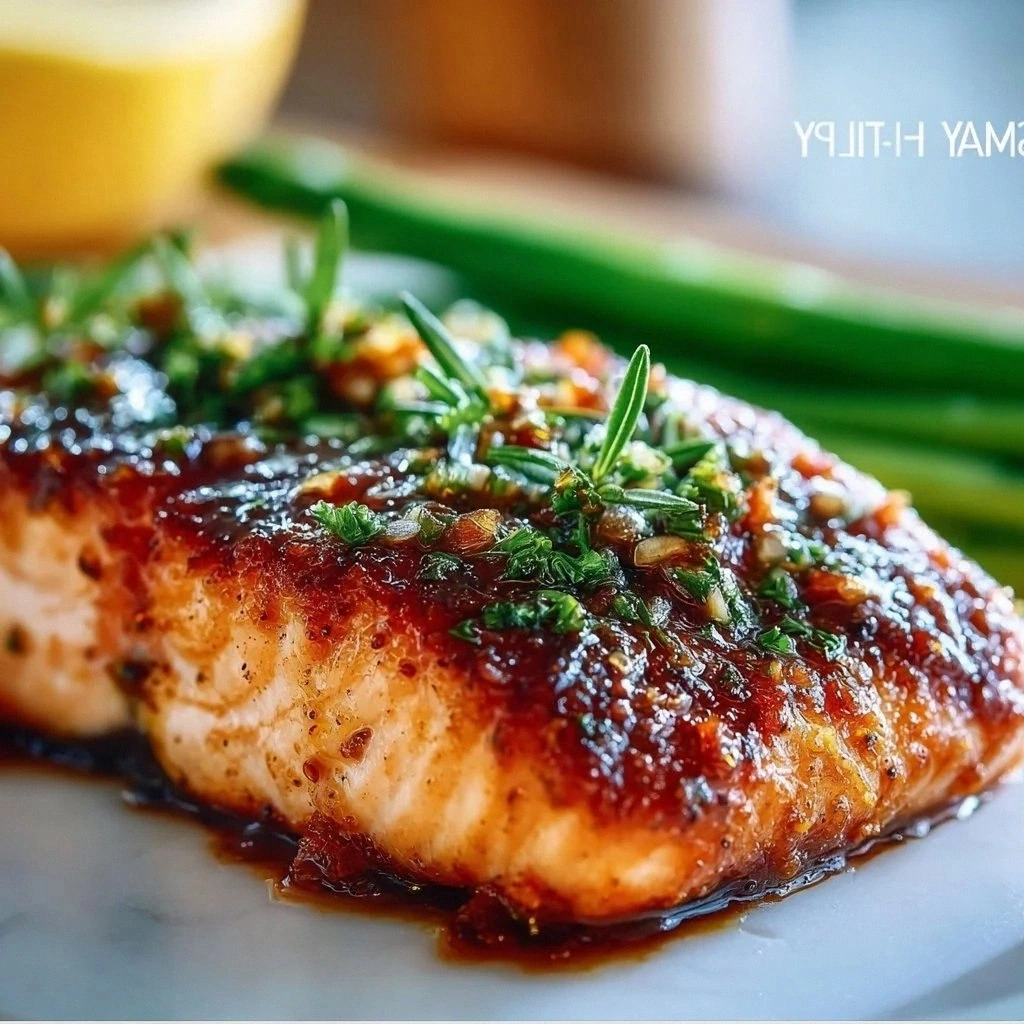
Picture this: the moment the fillets hit the hot pan, the sizzle rises like a jazz solo, the air filling with the sweet, caramelized aroma of brown sugar. The skin crisps to a golden‑brown perfection while the flesh stays moist, almost buttery. The first bite delivers a burst of umami from soy, a gentle garlic kick, and a whisper of citrus from the lemon garnish. The texture is a delightful contrast—crispy edges that shatter like thin ice against tender, flaky interior. This isn’t just dinner; it’s a sensory performance that demands applause.
What makes this version stand out is the meticulous balance of flavors and the simplicity of execution. I’ve trimmed the recipe to its core, eliminating unnecessary steps while preserving depth. The glaze caramelizes into a glossy, sticky coating that clings to each fillet without overpowering the fish. The use of skin‑on fillets ensures a crisp finish that many overlook. And the final garnish—bright lemon slices—injects a fresh, zesty note that lifts the entire dish. Trust me, I dare you to taste this and not go back for seconds.
I’ll be honest—after the first batch, I ate half the salmon before anyone else had a chance to try it. The crowd reaction at my last dinner party was electric: “What’s the secret?” “Is this a dessert?” The answer was simple: a few precise ingredients, a touch of patience, and a love for bold flavors. Most recipes get this completely wrong. Here’s what actually works: a balanced glaze, precise timing, and a touch of citrus. Picture yourself pulling this out of the oven, the whole kitchen smelling incredible, and knowing you’ve just made something that feels both effortless and extraordinary.
Alright, let’s dive in. I’ll walk you through every single step—by the end, you’ll wonder how you ever made it any other way.
What Makes This Version Stand Out
- Taste: The glaze is a masterclass in flavor harmony—sweet, salty, and umami dance together, leaving a lingering finish that’s both comforting and adventurous.
- Texture: Skin‑on fillets yield a crispy, crackling edge that contrasts beautifully with the silky, moist interior.
- Ease: No elaborate marinades or fancy equipment required—just a few pantry staples and a single pan.
- Speed: Total prep and cook time under 45 minutes, making it a perfect weeknight hero.
- Versatility: Works wonderfully with rice, quinoa, or a light salad; the glaze can double as a sauce for pasta or stir‑fries.
- Nutrition: Balanced macros—protein, healthy fats, and a moderate carb kick from the brown sugar.
- Crowd‑pleaser: The sweet‑savory profile appeals to both kids and adults alike, making it ideal for family dinners.
- Make‑Ahead Potential: The glaze can be prepared in advance, and the salmon can be baked ahead and reheated without losing quality.
Alright, let's break down exactly what goes into this masterpiece…
Inside the Ingredient List
The Flavor Base
Brown sugar is the star that brings depth and caramelization. It dissolves into a glossy glaze that clings to the fillets, creating a sweet crust that contrasts with the savory soy. If you skip it, the dish loses its signature caramelized sheen and becomes a plain, salty salmon.
Soy sauce adds umami and a subtle saltiness that balances the sugar. A splash of tamari works well if you’re gluten‑free, but the classic soy gives that authentic depth. Without soy, the glaze would taste like a sweet syrup with no backbone.
Olive oil is the medium that helps the sugar set and prevents sticking. A neutral oil like canola or avocado oil can be used, but olive oil imparts a subtle fruity note that complements the salmon’s richness.
The Texture Crew
Skin‑on salmon fillets are essential for achieving the coveted crispy edges. The skin protects the delicate flesh during cooking and becomes a crunchy, buttery bite that many overlook. If you prefer skinless, you’ll still get great flavor, but the texture will be slightly different.
Garlic powder is the subtle aromatics that elevate the glaze. Fresh minced garlic could replace it for a more pronounced bite, but garlic powder offers a cleaner, consistent flavor that blends seamlessly. Skipping it will leave the dish feeling a bit flat.
The Unexpected Star
Lemon slices add a bright, citrusy contrast that cuts through the sweetness and balances the richness. They also provide a visual pop, making the dish look as good as it tastes. If you’re not a fan of lemon, lime or orange slices can offer a different twist.
Salt and pepper to taste are the finishing touches that bring everything together. Because soy sauce is already salty, be cautious not to over‑season. A pinch of pepper adds a gentle heat that lifts the overall profile.
Everything's prepped? Good. Let's get into the real action…
The Method — Step by Step
- Preheat and Prep: Set your oven to 400°F (200°C) and line a baking sheet with parchment paper. Pat the salmon fillets dry with paper towels, then season lightly with salt and pepper. This step ensures the skin crisps beautifully and the glaze adheres evenly.
- Whisk the Glaze: In a small bowl, combine 1/4 cup brown sugar, 2 tablespoons soy sauce, 1 tablespoon olive oil, and 1 teaspoon garlic powder. Whisk until the sugar dissolves and the mixture is smooth. This creates a silky glaze that will caramelize into a glossy finish.
- Apply the Glaze: Brush the glaze generously over each fillet, skin side down, ensuring even coverage. The sugar will start to set as it hits the hot pan, forming a protective coating that locks in moisture.
- First Bake: Place the glazed fillets on the prepared sheet and bake for 12 minutes. The edges should begin to pull away, and the surface will look slightly glossy. This initial bake caramelizes the glaze without overcooking the flesh.
- Watch Out for Overcooking: The salmon is done when the flesh flakes easily with a fork and the internal temperature reaches 125°F (52°C) for medium. Overcooking will turn the fish rubbery and dry, ruining the caramelized glaze.
- Reduce the Glaze: While the salmon rests, pour the remaining glaze into a small saucepan. Reduce over medium heat until it thickens to a syrupy consistency, about 3–4 minutes. This step intensifies the flavor and gives you a glossy sauce to drizzle.
- Rest and Garnish: Remove the salmon from the oven and let it rest for 3 minutes. This allows juices to redistribute, keeping the fish moist. Slice lemon into thin rounds and arrange them on top of the fillets for a fresh citrus pop.
- Finish and Serve: Drizzle the reduced glaze over the fillets, then plate alongside steamed veggies or rice. The dish is now ready to wow your guests. And that’s it— you did it. But hold on, I've got a few more tricks that'll take this to another level…
Insider Tricks for Flawless Results
The Temperature Rule Nobody Follows
Many cooks rely on time alone, but the key to perfect salmon is temperature. Use a digital thermometer to check for 125°F (52°C) for medium. If you’re aiming for a slightly firmer texture, push to 130°F (54°C). This precision guarantees a tender interior every time.
Why Your Nose Knows Best
The aroma of caramelizing sugar is a reliable indicator that the glaze is developing the right flavor. When you smell a sweet, nutty scent, it’s time to move on—this is when the sugars have begun to break down into complex flavor compounds. Trust your nose; it’s the best judge of readiness.
The 5-Minute Rest That Changes Everything
Resting the salmon for 5 minutes after baking allows the juices to redistribute, preventing a dry bite. I’ve seen people skip this step, and the result is a flaky, water‑logged fillet that loses the caramelized crunch. Give it that brief pause, and you’ll taste the difference.
A Splash of Lemon Juice Before Baking
Adding a teaspoon of fresh lemon juice to the glaze before baking brightens the flavor profile and helps prevent the sugar from burning. The acidity balances the sweetness, creating a more rounded taste. It’s a simple tweak that elevates the dish instantly.
Use a Non‑Stick Pan for Extra Crispness
If you’re not using parchment paper, a high‑quality non‑stick skillet can help achieve a crispier skin. The pan should be pre‑heated until it shimmers; this ensures the skin sears rather than sticks. Many chefs swear by this method for consistent results.
Creative Twists and Variations
This recipe is a playground. Here are some of my favorite ways to switch things up:
Spicy Pineapple Glaze
Swap the brown sugar for a mix of pineapple juice and a dash of sriracha. The tropical sweetness pairs beautifully with the heat, creating a flavor profile that’s both exotic and familiar. Perfect for summer gatherings.
Maple‑Mustard Fusion
Replace soy sauce with Dijon mustard and drizzle a tablespoon of pure maple syrup over the glaze. The mustard adds a sharp tang, while maple provides a deeper sweetness. This version works well with roasted root vegetables.
Herb‑Infused Twist
Add chopped fresh rosemary or thyme to the glaze for an aromatic herbaceous note. The herbs complement the salmon’s richness and add a layer of complexity. This variation pairs beautifully with a light salad.
Asian‑Inspired Sesame Crust
Sprinkle toasted sesame seeds over the fillets before baking. The seeds add crunch and a nutty flavor that elevates the dish. Serve with steamed rice and a side of sautéed bok choy for a complete meal.
Citrus‑Basil Blend
Muddle fresh basil leaves with a splash of orange juice and fold into the glaze. The basil brings a sweet, peppery aroma, while orange juice adds a bright, zesty finish. This variation is ideal for brunch or a light dinner.
Garlic‑Butter Finale
Finish the salmon with a pat of garlic butter after baking. The butter melts into the hot fish, creating a silky sauce that coats every bite. This indulgent twist is a guaranteed crowd‑pleaser.
Storing and Bringing It Back to Life
Fridge Storage
Store cooked salmon in an airtight container in the refrigerator for up to 3 days. Keep the glaze separate in a small jar to prevent the fish from becoming soggy. When ready to serve, reheat gently in a skillet or microwave.
Freezer Friendly
Wrap fillets tightly in foil or freezer paper before placing them in a freezer bag. Freeze for up to 2 months. Thaw overnight in the refrigerator before reheating.
Best Reheating Method
Reheat in a preheated oven at 350°F (175°C) for 10 minutes, or until warmed through. Add a splash of water or broth before reheating to create steam, which restores moisture and keeps the glaze from drying out.