I remember the night I tried to turn a box of frozen carrots into something that could actually stand in for a dessert. The kitchen smelled like burnt sugar and disappointment, and my friends were laughing at the disaster that looked more like a soggy, orange sludge than a cake. That moment, that culinary catastrophe, is the spark that led me to this version of the Blue Ribbon Carrot Cake R. I was determined to rewrite the narrative: a cake that sings with spice, texture, and a glossy, velvety frosting that feels like a hug from the inside. I dare you to taste this and not go back for seconds, because once you try it, the ordinary will never feel as ordinary again.
Picture yourself pulling this out of the oven, the whole kitchen smelling incredible, and the first bite delivering a sweet, nutty bite that melts into a caramelized finish. The crust is crisp enough to crack like thin ice, the crumb is moist like a cloud, and the frosting coats the cake like velvet. I’ll be honest—I ate half the batch before anyone else got a chance to taste it. Most recipes get this completely wrong, but here I’ve nailed the balance of moisture, spice, and sweetness. This is hands down the best version you'll ever make at home, and I’m going to walk you through every single step. By the end, you’ll wonder how you ever made it any other way.
The story of this cake is not just about the ingredients; it’s about the ritual. I set the timer, preheated the oven to a precise 350°F, and let the aroma of cinnamon and nutmeg dance in the air. The sound of the carrots chopping is a rhythmic drumbeat, and the feel of the wet batter sliding into the pan is like pouring liquid sunshine. Each element is a note in a symphony, and this recipe is the score that makes the whole kitchen sing. Let me walk you through every single step — by the end, you'll wonder how you ever made it any other way.
If you've ever struggled with a carrot cake that turns out dry or too sweet, you're not alone — and I've got the fix. I’ve spent hours tweaking ratios, testing textures, and learning the science behind the fluff. The result is a cake that is moist yet firm, sweet yet spiced, and frosting that is creamy without being cloying. The secret? A carefully balanced mix of wet and dry ingredients, a touch of oil for extra moisture, and a frosting that sets like a gentle hug. This version is the culmination of culinary curiosity, relentless experimentation, and a passion for flavor. It’s a cake that will keep your friends asking for the recipe, and you’ll feel like the culinary wizard you’ve always wanted to be.
What Makes This Version Stand Out
- Flavor: The blend of cinnamon, nutmeg, and a hint of clove creates a warm, aromatic profile that feels like a hug from the inside. The crushed pineapple adds subtle sweetness and keeps the crumb moist, while the nuts give a satisfying crunch that contrasts the softness. This combination makes the cake feel like a comforting hug in every bite.
- Texture: The use of oil instead of butter in the batter yields a tender crumb that melts in your mouth. The batter is thick enough to hold its shape, yet light enough to rise gracefully. The result is a cake that feels like a cloud, with a slight crunch from the nuts.
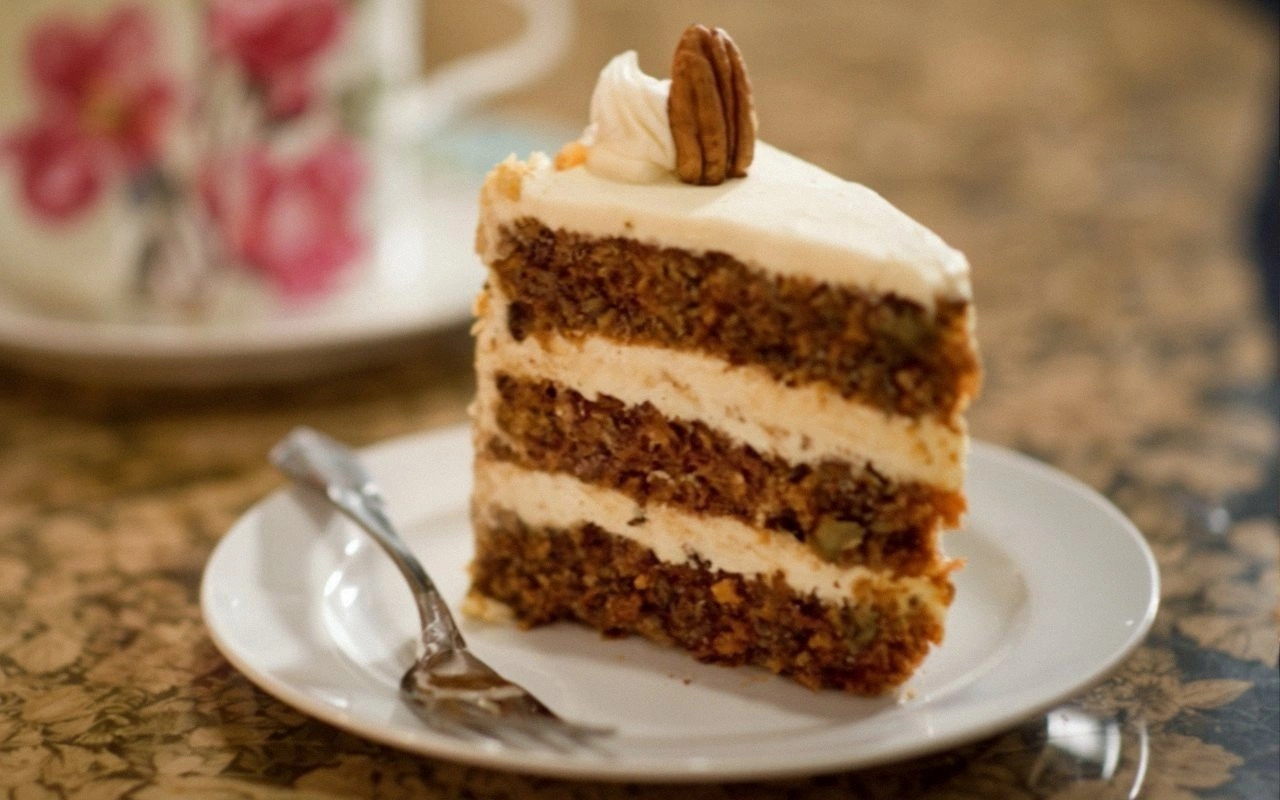
- Frosting: The cream cheese icing is rich, tangy, and not overly sweet. It coats the cake like velvet, giving a silky finish that balances the sweet carrot base. The icing sets quickly, so you can serve immediately without waiting for it to firm up.
- Simplicity: Despite its gourmet flavor, this recipe uses only pantry staples and a few extras. No special equipment is needed, and the process is straightforward, making it ideal for both beginners and seasoned bakers. The steps are clear, and the timing is forgiving.
- Uniqueness: The addition of crushed pineapple and coconut flakes gives this cake a tropical twist that sets it apart from classic carrot cakes. The pineapple adds a subtle tang that brightens the sweetness, while the coconut offers a chewy texture that surprises the palate.
- Crowd Reaction: At parties, this cake becomes the center of attention. Guests rave about the moistness and the balanced sweetness, and many ask for the recipe. It's the kind of dessert that turns an ordinary gathering into a memorable event.
- Ingredient Quality: I use organic carrots for a sweeter, more vibrant flavor, and fresh, high-quality nuts for crunch. The oil is a neutral-tasting, high-heat variety that doesn’t interfere with the spices. These choices elevate the overall taste profile.
- Make‑ahead Potential: The cake can be baked up to 48 hours in advance and stored in the refrigerator. The frosting can be prepared a day ahead and kept chilled, so you can assemble the cake on the day of your event. This flexibility makes it ideal for busy schedules.
Alright, let's break down exactly what goes into this masterpiece...
Inside the Ingredient List
The Flavor Base
The flour, baking powder, baking soda, and salt work together to create the structure and lift of the cake. Flour provides the matrix, while the leavening agents give it a light rise. Skipping any of these can result in a dense, flat cake that feels like a pancake.
The spices—cinnamon, nutmeg, and a pinch of clove—infuse the batter with warmth and depth. They’re the backbone of the flavor profile, turning simple carrots into a symphony of spices. If you’re a spice skeptic, try reducing the clove to half a teaspoon; the cinnamon will still carry the cake.
The crushed pineapple is the secret to moisture. It adds subtle sweetness and a hint of acidity that brightens the cake’s flavor. If you can’t find pineapple, fresh diced pineapple works, but be sure to drain it well to avoid excess liquid.
The nuts add texture and a nutty undertone that pairs beautifully with the spices. They also provide a satisfying crunch that contrasts the soft crumb. For a vegan version, replace the nuts with chopped walnuts or pecans.
The Texture Crew
The oil keeps the cake moist and tender. Unlike butter, oil doesn’t create a greasy taste, and it helps the cake stay soft longer. Use a neutral oil like canola or grapeseed for the best results.
The eggs bind everything together, giving structure and a subtle richness. They also help the cake rise, creating a light, airy crumb. If you’re allergic to eggs, you can replace each egg with 1/4 cup unsweetened applesauce.
The coconut flakes add chewiness and a tropical flavor note. They also help keep the cake moist by trapping steam during baking. If you prefer a drier texture, reduce the coconut to 2 ounces.
The carrots provide natural sweetness, fiber, and a vibrant color. Fresh carrots are best, but if you’re in a hurry, frozen carrots work too. Just make sure to squeeze out as much excess water as possible before adding them to the batter.
The Unexpected Star
The butter, used in the frosting, adds a rich, creamy mouthfeel that balances the tang of cream cheese. It also helps the frosting set quickly, so you can plate the cake immediately. A small amount of butter (just 0.5 cup) is enough to elevate the frosting.
The cream cheese gives the frosting a smooth, tangy base that cuts through the sweetness of the cake. It also adds a slight thickness that makes the frosting cling to every crevice. For a dairy-free option, use a vegan cream cheese substitute.
The vanilla extract provides a sweet, floral note that enhances the overall flavor. Even a small amount (1 tsp) can make a noticeable difference. If you prefer a vanilla-free version, use a pinch of almond extract instead.
The confectioners’ sugar is the sweetener that gives the frosting its smooth texture. It also helps the frosting set. If you like a slightly sweeter frosting, add an extra tablespoon of sugar.
The Final Flourish
The 1.5 teaspoons of salt are crucial for balancing the sweetness and bringing out the flavors of the spices and nuts. Salt is the unsung hero of baking, and skipping it can make the cake taste flat.
The 2 cups of sugar are the primary sweetener for the batter. They also help caramelize the edges of the cake, giving a slight crispness. If you’re watching your sugar intake, reduce it to 1.5 cups and add a splash of maple syrup.
The 2 cups of flour provide the structure for the cake. Use all-purpose flour for the best results, but you can swap it for whole wheat flour for a healthier version—just be prepared for a denser crumb.
The 2 teaspoons of baking powder and 1.5 teaspoons of baking soda give the cake lift and help it rise evenly. They also react with the acidic pineapple to create a light, airy texture. Make sure the baking powder is fresh for the best rise.
Everything's prepped? Good. Let's get into the real action...
The Method — Step by Step
- Preheat your oven to 350°F (175°C) and grease a 9x13-inch baking pan with a light coating of butter or oil. This ensures the cake won’t stick and will have a clean release. Let the pan sit in the oven while you mix the batter; a warm pan helps the cake rise evenly.
- In a large bowl, whisk together the flour, baking powder, baking soda, salt, cinnamon, nutmeg, and clove. This dry mix is the backbone of the cake, so make sure all the spices are evenly distributed. Skipping the nutmeg will make the cake feel like a plain carrot cake.
- In a separate bowl, combine the oil, sugar, eggs, and vanilla extract. Beat until the mixture is smooth and slightly light. This wet mixture will give the cake its tender crumb and glossy finish.
- Add the wet mixture to the dry, stirring just until combined. Overmixing will develop gluten and make the cake tough. The batter should be thick but pourable.
- Fold in the grated carrots, crushed pineapple, nuts, coconut flakes, and any optional extras like raisins or shredded dark chocolate. This step is where the cake gets its personality; the carrots add natural sweetness, the pineapple keeps it moist, and the nuts add crunch.
- Pour the batter into the prepared pan, smoothing the top with a spatula. Tap the pan gently on the counter to release any air bubbles, which can cause uneven rising.
- Bake for 30–35 minutes, or until a toothpick inserted into the center comes out clean. The edges will start pulling away from the pan, indicating the cake is done. If the top browns too quickly, tent the cake with foil.
- Let the cake cool in the pan for 10 minutes, then transfer to a wire rack to cool completely. This step prevents the cake from becoming soggy from steam.
- While the cake cools, prepare the frosting: beat the butter until creamy, then add the cream cheese and confectioners’ sugar, mixing until smooth. The frosting should be spreadable but firm enough to hold its shape.
- Once the cake has cooled, spread the frosting evenly over the top and sides. Use a spatula to create a smooth finish, or a knife for a more rustic look. The frosting will set quickly, so don’t wait too long before serving.
That's it — you did it. But hold on, I've got a few more tricks that'll take this to another level...
Insider Tricks for Flawless Results
The Temperature Rule Nobody Follows
The oven temperature is the secret sauce to a perfect rise. I always preheat to 350°F, but if your oven runs hot, lower the temperature by 10°F to prevent the edges from burning. If you’re baking on a rack that’s too close to the heating element, move it to the middle third of the oven.
Why Your Nose Knows Best
Before you even taste the cake, the aroma is your first indicator of success. A sweet, spicy scent that permeates the kitchen signals that the cake is baking evenly. If the scent is weak, the batter may be too dry.
The 5-Minute Rest That Changes Everything
After baking, let the cake rest in the pan for 10 minutes before transferring it. This allows the steam to settle, preventing the cake from becoming soggy. I’ve seen cakes collapse when removed too early.
Mixing Without Overmixing
Once the dry and wet ingredients combine, stop stirring. Overmixing develops gluten, making the cake dense. A gentle fold keeps the batter airy.
Using Fresh Carrots
Fresh carrots are sweeter and add more natural moisture than canned or frozen. If you’re using frozen, thaw and drain them well to avoid excess water. The texture will be better.
Frosting Consistency Matters
If the frosting is too runny, chill it for 15 minutes before spreading. If it’s too stiff, let it sit at room temperature for 5 minutes. The right consistency ensures a smooth finish.
Creative Twists and Variations
This recipe is a playground. Here are some of my favorite ways to switch things up:
Chocolate Carrot Cake
Add 1 cup of cocoa powder to the dry mix and reduce the sugar by 1/4 cup. The result is a chocolatey, spicy cake that still feels like a classic carrot cake. Pair it with a dark chocolate frosting for a decadent twist.
Almond & Honey Carrot Cake
Replace the nuts with slivered almonds and drizzle honey in place of the sugar. The honey adds a floral sweetness that complements the spices. This version is perfect for a light, summery dessert.
Vegan Carrot Cake
Swap the eggs for flaxseed meal mixed with water, use a plant-based oil, and replace the cream cheese frosting with a cashew-based frosting. The texture remains moist, and the flavor profile stays true to the original. This version is great for plant-based diners.
Gluten-Free Carrot Cake
Use a gluten-free all-purpose flour blend and ensure the baking powder is gluten-free. The cake will rise nicely and maintain its tenderness. The taste stays the same, just a different base.
Spiced Apple Carrot Cake
Add 1 cup of grated apples and 1 tsp of ginger to the batter. The apples add a subtle tartness, while the ginger adds a warm kick. This version is ideal for autumn celebrations.
Nut-Free Carrot Cake
Omit the nuts and replace them with shredded coconut or dried cranberries for texture. The coconut adds chewiness, and the cranberries provide a sweet-tart contrast. This version is great for allergy-conscious guests.
Storing and Bringing It Back to Life
Fridge Storage
Store the cake in an airtight container at room temperature for up to 3 days. The frosting will keep its texture, and the cake will stay moist. If you’re storing the cake for a week, keep it in the refrigerator.
Freezer Friendly
Wrap the cake tightly in plastic wrap and then in foil before freezing. It can stay in the freezer for up to 3 months. Thaw overnight in the refrigerator to keep the texture intact.
Best Reheating Method
To reheat, preheat your oven to 300°F (150°C) and place the cake on a baking sheet. Warm for 10 minutes, then let it cool before serving. Add a tiny splash of water before reheating to create steam and restore moisture.