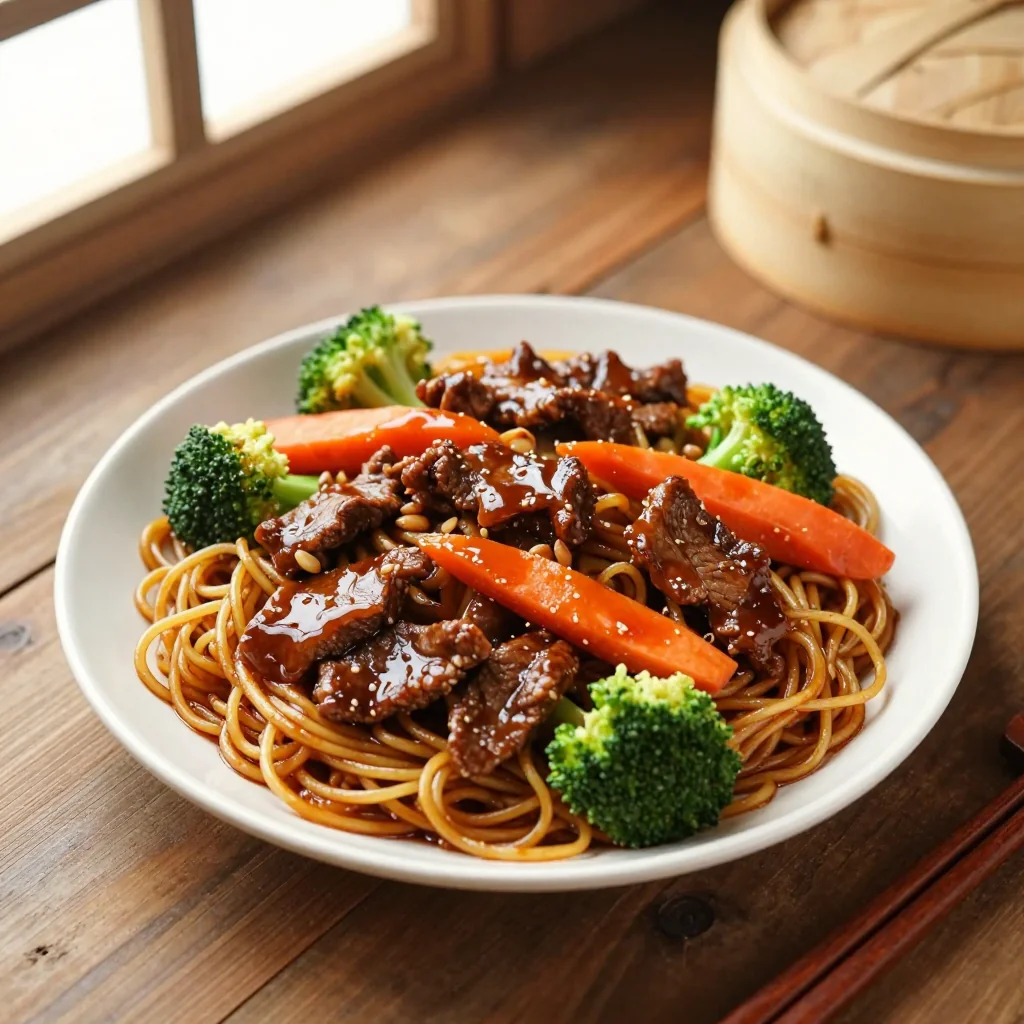
A quick, colorful wok‑style dish that brings together tender beef, silky noodles, and crisp vegetables in a savory Asian‑inspired sauce.
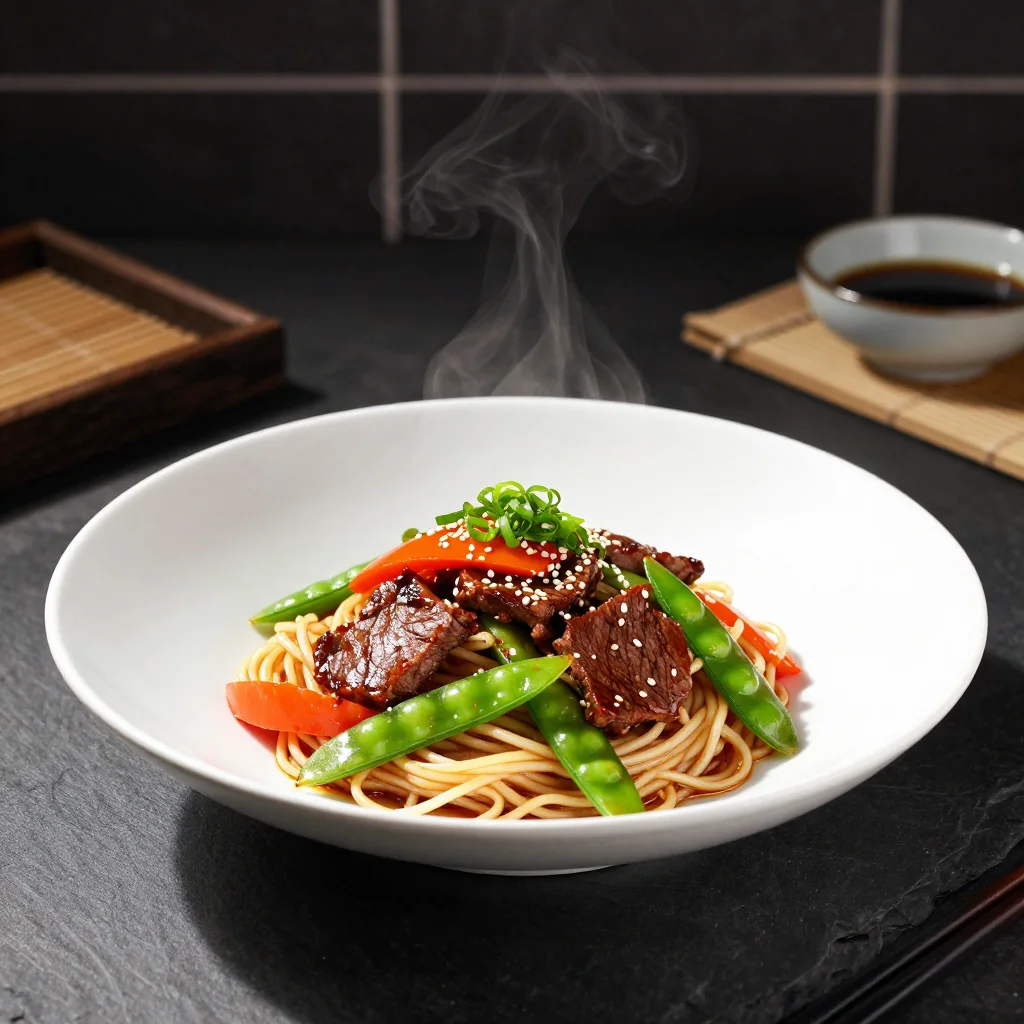
When I was a teenager, my family moved from a small town in Italy to a bustling city on the West Coast. The transition was a whirlwind of new flavors, and I quickly discovered that the local Asian markets held treasures that could transform any humble pantry staple into something extraordinary. One rainy Saturday, I walked into a market looking for fresh vegetables and stumbled upon a stall selling thin rice noodles, glistening with moisture, and a display of thinly sliced beef that smelled of soy and sesame. I bought both, tossed them together with whatever vegetables I had on hand, and the result was a burst of umami that still makes my mouth water whenever I think about it.
This dish, Beef Stir Fry with Noodles and Veggies, is a bridge between my Italian heritage—where pasta reigns supreme—and the vibrant, quick‑cook techniques I learned from my new friends in the city. It’s a celebration of contrast: the chew of noodles against the snap of bell pepper, the richness of beef balanced by the bright zing of ginger and garlic.
In this article, I’ll walk you through every step, from selecting the perfect cut of beef to mastering the high‑heat stir‑fry technique that locks in flavor without overcooking. You’ll learn why each ingredient matters, how to adjust the recipe for any number of guests, and how to make it your own with simple variations.
So grab your wok, fire up the burner, and let’s create a dish that will become a staple in your kitchen, just as it has in mine.
🌟 Why This Recipe Will Win Your Heart
A perfect blend of speed, flavor, and nutrition makes this stir‑fry a go‑to for busy weeknights and weekend feasts alike.
- ✨ Speedy Preparation: From chopping to plating, the entire process takes under 40 minutes, making it ideal for hectic schedules.
- ✨ Balanced Nutrition: Lean beef provides protein, while a rainbow of vegetables supplies fiber, vitamins, and antioxidants.
- ✨ Versatile Base: Rice noodles absorb the sauce beautifully, but you can swap them for udon, soba, or even whole‑wheat spaghetti.
- ✨ Layered Flavors: The combination of soy, oyster, and sesame oils creates depth, while ginger and garlic add a fresh punch.
- ✨ Crowd‑Pleaser: The dish is mild enough for kids yet sophisticated enough for food‑savvy adults, making it suitable for any gathering.
- ✨ Easy Customization: Whether you crave extra heat, a vegetarian twist, or a gluten‑free version, this recipe adapts with minimal effort.
🥗 Ingredients
📝 Complete Ingredient List
For the Noodles:
- 250 g rice noodles (soaked in warm water 10 min)
- 2 tbsp vegetable oil
For the Beef & Veggies:
- 300 g beef sirloin, thinly sliced
- 1 large red bell pepper, sliced
- 1 large carrot, julienned
- 100 g broccoli florets
- 2 cloves garlic, minced
- 1 tsp fresh ginger, grated
- to taste salt & pepper
For the Sauce:
- 3 tbsp soy sauce (low sodium)
- 1 tbsp oyster sauce
- 1 tbsp sesame oil
- 1 tsp cornstarch dissolved in 2 tbsp water
- to taste red pepper flakes (optional)
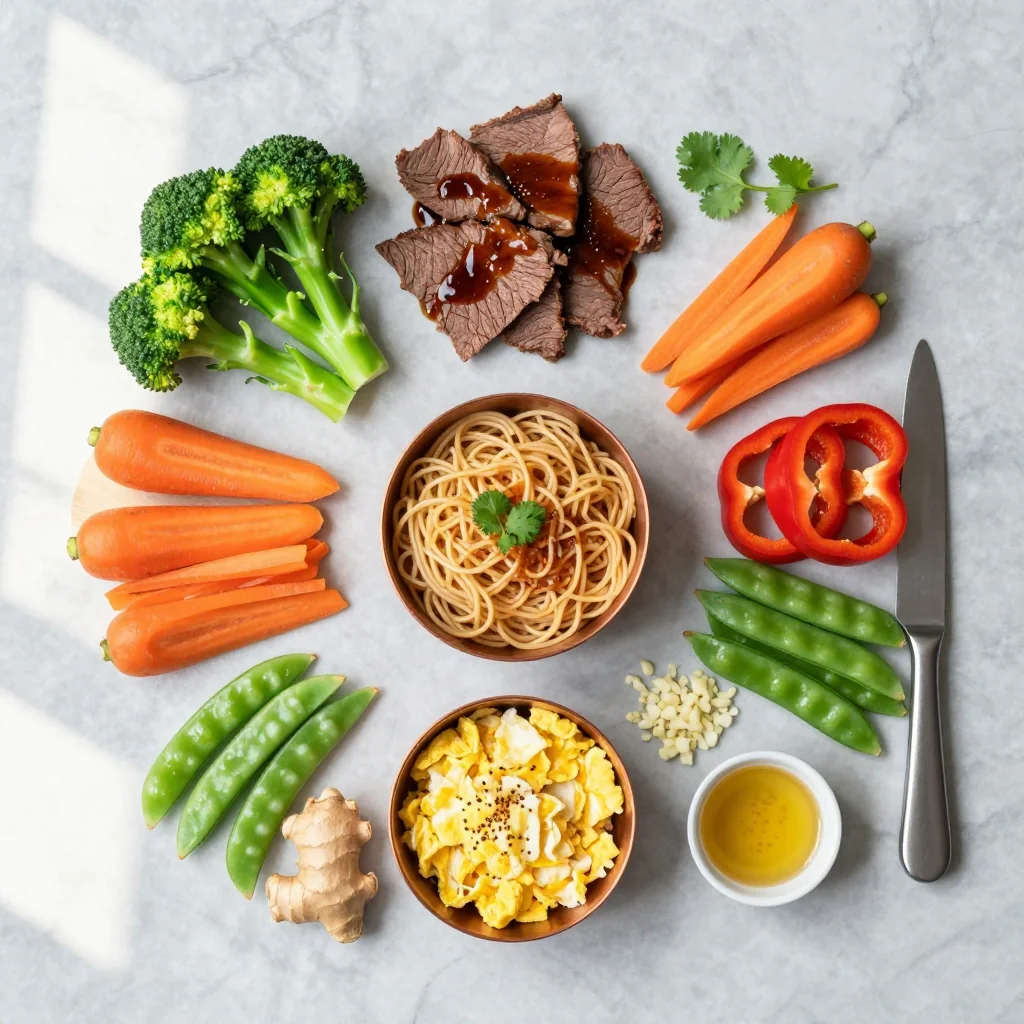
🔍 Focus on Key Ingredients
Beef Sirloin
Sirloin is prized for its tenderness and rich flavor. Look for a piece with a fine grain and a bright red color. Trim any excess fat, then slice against the grain into thin strips—this ensures quick cooking and a melt‑in‑your‑mouth texture. Marinating briefly (5 minutes) in a splash of soy sauce and sesame oil adds depth without overpowering the natural beef taste.
Rice Noodles
Rice noodles are the perfect vehicle for sauce because they stay slippery and absorb flavors without becoming gummy. Soak them in warm water just until pliable, then drain and set aside. If you prefer a firmer bite, reduce the soaking time by a minute; for a softer texture, add a minute more.
Soy & Oyster Sauce Blend
The duo of soy and oyster sauce creates a sweet‑savory backbone. Soy sauce supplies umami and salt, while oyster sauce contributes a subtle briny sweetness. Together they balance the richness of beef and the freshness of vegetables, delivering a harmonious taste profile that feels both comforting and exotic.
🔄 Quick Substitutions
| If you don’t have... | Use instead... |
|---|---|
| Beef sirloin | Flank steak or thinly sliced chicken breast |
| Rice noodles | Udon noodles or whole‑wheat spaghetti |
| Oyster sauce | Hoisin sauce or a mix of soy sauce + a dash of honey |
👨🍳 Step‑by‑Step Instructions
Follow these detailed steps to achieve a restaurant‑quality stir fry at home. Prepare all components before you heat the wok; high‑heat cooking moves fast, and you’ll want everything ready to go.
📋 Phase 1: Prep & Mise en Place
Organize your workstation so the cooking process flows seamlessly.
Prepare the Noodles
Place the rice noodles in a large bowl, cover with warm water (about 40 °C), and let them soak for 10 minutes until soft but still slightly firm to the bite. Drain, rinse briefly with cool water to stop cooking, and set aside in a lightly oiled bowl to prevent sticking.
Slice Beef and Vegetables
Trim any silver skin from the beef, then slice thinly (about ¼ inch) against the grain. For the vegetables, slice the red bell pepper into thin strips, julienne the carrot, and break the broccoli into bite‑size florets. Mince the garlic and grate the ginger. Having everything uniformly cut ensures even cooking.
Mix the Sauce
In a small bowl, whisk together soy sauce, oyster sauce, sesame oil, and the cornstarch slurry (cornstarch dissolved in 2 tbsp cold water). Add a pinch of red pepper flakes if you enjoy a gentle heat. Set the sauce aside; it will thicken quickly when added to the hot wok.
🔥 Phase 2: Cooking & Assembly
High heat is the secret to a perfect stir fry; it sears the beef and keeps vegetables crisp.
Heat the Wok
Place a wok or large skillet over medium‑high heat. When a few drops of water sizzle and evaporate instantly, add 1 tbsp of vegetable oil. Swirl to coat the surface.
Sear the Beef
Add the sliced beef in a single layer. Let it sit for about 30 seconds to develop a caramelized crust, then stir‑fry for another 1–2 minutes until just browned but still pink inside. Transfer the beef to a plate and set aside.
Stir‑Fry the Vegetables
Return the wok to the heat, add the remaining 1 tbsp of oil, then toss in garlic and ginger. Sauté for 10 seconds until fragrant. Add the carrots, bell pepper, and broccoli. Stir‑fry for 2–3 minutes; the vegetables should be bright and crisp‑tender.
Combine Everything
Return the beef to the wok, add the soaked noodles, and pour the sauce over the mixture. Toss continuously for 2 minutes, allowing the sauce to coat every strand and the cornstarch to thicken. Taste and adjust seasoning with salt, pepper, or extra soy sauce if needed.
✨ Phase 3: Finishing Touches & Plating
A few final steps turn a good stir fry into a spectacular presentation.
Check Doneness
Ensure the noodles are heated through and the vegetables retain a slight crunch. The sauce should cling to the noodles without pooling. If the sauce looks too thick, add a splash of water or low‑sodium broth.
Plate the Dish
Divide the stir fry among four shallow bowls. Garnish with a drizzle of sesame oil, a sprinkling of chopped fresh cilantro, and a few toasted sesame seeds for texture and visual appeal.
Serve Immediately
Serve hot, accompanied by lime wedges for a bright citrus finish. The dish pairs wonderfully with a chilled glass of Riesling or a light, sparkling water infused with cucumber.
💡 Expert Tips & Tricks
🛒 Choosing the Right Ingredients
When buying beef, look for a bright red color and a fine grain; avoid meat that appears brownish or has a strong odor. For the vegetables, select peppers that are firm and glossy, carrots that are firm to the touch, and broccoli crowns that are deep green with tightly closed florets. Freshness directly impacts both texture and flavor, especially when cooking quickly over high heat.
🔪 Preparation Techniques
Slice the beef thinly and against the grain to break down muscle fibers, ensuring tenderness. Use a mandoline or a sharp chef’s knife for uniform vegetable cuts; this uniformity guarantees even cooking. Keep a small bowl of water nearby to quickly rinse any stray starch from the noodles, preventing them from clumping.
🌡️ Mastering the Heat
The wok should be hot enough that oil shimmers but does not smoke excessively. If the oil begins to smoke, lower the heat briefly, then increase again once the smoke subsides. Stir‑fry in short bursts; constant motion prevents burning and keeps the vegetables crisp.
🍽️ Presentation & Service
Serve the stir fry on a wide, shallow bowl to showcase the colorful vegetables. Garnish with a handful of fresh cilantro leaves and a sprinkle of toasted sesame seeds for a pop of green and a subtle nutty crunch. A squeeze of lime over the top adds a fresh acidity that balances the savory sauce.
🏆 Pro Tips
Elevate your stir fry from home‑cooked comfort to a polished, restaurant‑style masterpiece with these professional insights.
- 🎯 Control the Moisture: Pat the beef dry with paper towels before cooking. Excess moisture creates steam, which prevents searing and leads to a soggy texture.
- 🎯 Use a High Smoke‑Point Oil: Peanut or grapeseed oil tolerates the high temperatures of a wok without burning, preserving the clean flavor of the sauce.
- 🎯 Layer Flavors Early: Add garlic and ginger at the very beginning of the cooking process; their aromatics infuse the oil, creating a flavor base that permeates the entire dish.
- 🎯 Finish with Cold Water: A splash of ice‑cold water (about 1 tbsp) at the end of cooking can halt the cooking process instantly, preserving the vegetables’ vivid color and crunch.
- 🎯 Balance Sweet and Salty: If the sauce feels too salty, add a teaspoon of honey or a dash of brown sugar; this subtle sweetness counteracts the soy’s saltiness.
- 🎯 Rest Before Serving: Allow the dish to rest for 2 minutes after plating; this lets the flavors meld and the sauce settle, delivering a more cohesive taste.
"The secret to a great stir fry is not just speed, but precision—every second counts." — Chef Ming Zhao
🔄 Variations & Adaptations
The beauty of this recipe lies in its flexibility. Below are several ways to tailor it to dietary preferences, flavor cravings, and seasonal produce.
🥬 Vegetarian / Vegan Version
Replace the beef with firm tofu (pressed and cubed) or tempeh strips. Marinate the tofu in soy sauce, a splash of maple syrup, and a pinch of smoked paprika for depth. Keep the same vegetables and sauce; just omit the oyster sauce or substitute with mushroom soy sauce for a vegan-friendly alternative.
- Tofu substitution: 300 g firm tofu, pressed and sliced.
- Vegan sauce tweak: use mushroom soy sauce instead of oyster sauce.
🌶️ Flavor Variations
Experiment with regional twists by adjusting the sauce components and spice levels.
Spicy Szechuan:
Add 1 tbsp of doubanjiang (fermented bean paste) and ½ tsp of Sichuan peppercorns for a tongue‑tingling heat.
Mediterranean Twist:
Swap oyster sauce for sun‑dried tomato paste, add olives and a sprinkle of feta cheese at the end.
Thai‑Inspired:
Replace soy sauce with fish sauce, add a splash of coconut milk, and finish with fresh Thai basil and lime juice.
⚠️ Dietary Adjustments
Gluten‑Free:
Use tamari instead of regular soy sauce; ensure the oyster sauce is gluten‑free or substitute with a gluten‑free mushroom sauce.
Lactose‑Free:
This recipe is already lactose‑free; just verify any packaged sauces do not contain hidden dairy.
Low‑Calorie:
Reduce the oil to 1 tbsp, increase the proportion of vegetables, and use lean turkey strips instead of beef. Serve over cauliflower rice for a lighter base.
👶 Kid‑Friendly Version
For younger palates, omit the red pepper flakes and use a milder soy sauce. Cut vegetables into bite‑size pieces and consider adding a small drizzle of honey to the sauce for a gentle sweetness that kids love.
📦 Storage & Reheating
🧊 Conservation
Refrigerator:
- Duration: 3 days
- Container: Airtight glass or BPA‑free plastic container
- Tip: Store sauce separately if possible to maintain noodle texture.
Freezer:
- Duration: 2 months
- Method: Cool the dish completely, portion into freezer‑safe bags, remove excess air.
- Defrosting: Thaw overnight in the refrigerator, then reheat using the methods below.
💡 For best texture, re‑heat the noodles briefly in boiling water before adding to the reheated sauce.
♨️ Reheating
🔥 Oven (Recommended):
- Preheat to 180 °C (350 °F).
- Cover the dish with aluminum foil to retain moisture.
- Heat for 12‑15 minutes, stirring halfway.
- Remove foil and heat an additional 3‑5 minutes to crisp the edges.
⚡ Microwave (Quick):
- Place a portion in a microwave‑safe bowl, cover with a vented lid.
- Heat on medium power for 1 minute, stir, then heat another 30 seconds.
- Stir again; if sauce is thick, add a splash of water.
🍳 Skillet:
Heat a tablespoon of oil in a skillet over medium heat, add the refrigerated stir fry, and toss for 4‑5 minutes until heated through. This method restores the wok‑kissed crispness.
🍷 Perfect Pairings
🥗 Side Dishes
- Asian Cucumber Salad: Thinly sliced cucumbers tossed with rice vinegar, a pinch of sugar, and toasted sesame seeds provide a refreshing crunch.
- Steamed Edamame: Lightly salted edamame pods add protein and a pleasant pop.
- Pickled Daikon & Carrot: Their tangy acidity cuts through the richness of the beef.
🍷 Wine & Beverage
- Riesling (off‑dry): Its bright acidity and subtle sweetness balance the soy‑based sauce.
- Pinot Noir: A light red with soft tannins complements the beef without overpowering.
- Non‑Alcoholic: Sparkling ginger‑lime mocktail adds fizz and citrus notes.
🍰 To Complete the Meal
Start with a light miso soup or a simple seaweed salad. For dessert, serve a chilled mango sticky rice or a scoop of green tea ice cream—both echo the Asian theme while offering a sweet finish.
❓ Frequently Asked Questions
Q: Can I use a different type of noodle?
A: Absolutely. While rice noodles give the dish a classic texture, you can substitute them with udon for a chewier bite, soba for a nutty flavor, or even whole‑wheat spaghetti if you prefer a Western twist. Adjust the soaking or cooking time accordingly to avoid over‑cooking.
Q: How do I prevent the noodles from sticking together?
A: After soaking, rinse the noodles under cool water and toss them with a thin layer of vegetable oil. Store them in a shallow dish rather than a deep bowl; this keeps them separated and ready for quick incorporation into the wok.
Q: What if I don’t have a wok?
A: A large, heavy‑bottomed skillet works well. Heat it thoroughly before adding oil, and be prepared to stir more frequently to emulate the wok’s high‑heat, quick‑motion environment.
Q: My sauce turned out too salty—what can I do?
A: Add a teaspoon of honey or a splash of rice vinegar to balance the saltiness. You can also dilute the sauce with a small amount of low‑sodium broth or water, then finish by tossing the noodles and vegetables longer to absorb the adjusted flavor.
Q: Can I make this recipe ahead of time?
A: Yes. Prepare all ingredients and store them separately in airtight containers. The sauce can be mixed a day ahead; just give it a quick whisk before cooking. Assemble and cook when you’re ready to serve for the best texture.
Q: How do I make the dish gluten‑free?
A: Use tamari or a certified gluten‑free soy sauce, and verify that the oyster sauce you choose does not contain wheat. All other ingredients are naturally gluten‑free, making the conversion straightforward.
🎉 Let’s Get Cooking!
This Beef Stir Fry with Noodles and Veggies brings together speed, flavor, and nutrition in a single pan. The high‑heat wok technique locks in the beef’s juiciness while keeping vegetables crisp, and the silky rice noodles soak up a perfectly balanced sauce. Whether you’re feeding a family of four, entertaining friends, or meal‑prepping for the week, this recipe adapts effortlessly. Remember the pro tips—dry the beef, use a high smoke‑point oil, and finish with a splash of cold water—to achieve that restaurant‑grade finish every time.
Give the recipe a try, snap a photo of your masterpiece, and share your experience in the comments below. Your feedback helps the community grow, and we love seeing how you make this dish your own.
Have you tried this recipe?
Leave a comment and rating below! Share your photos on Instagram with #StirFryDelight for a chance to be featured.
Beef Stir Fry with Noodles and Veggies
A quick, colorful wok‑style dish that brings together tender beef, silky noodles, and crisp vegetables.
📝 Ingredients
Noodles
Beef & Veggies
Sauce
👨🍳 Instructions
- 1 Soak rice noodles in warm water for 10 minutes, then drain and toss with a drizzle of oil.
- 2 Slice beef thinly against the grain; season lightly with salt and pepper.
- 3 Prepare sauce by whisking soy, oyster, sesame oil, and cornstarch slurry.
- 4 Heat wok, add oil, and sear beef quickly; set aside.
- 5 Stir‑fry garlic, ginger, then vegetables until crisp‑tender.
- 6 Return beef, add noodles, pour sauce, and toss until glossy.
- 7 Garnish with sesame seeds and cilantro; serve hot.
- 8 Optional: squeeze fresh lime over each serving for brightness.
- 9 Store leftovers in airtight containers; reheat using preferred method.
- 10 Enjoy and share your creation with friends!
🥗 Nutritional Information (per serving)
*Values are estimates based on standard ingredient data.
📚 You Might Also Like

Chicken Pad Thai with Shrimp

Vegetable Lo Mein

Spicy Korean Beef Bulgogi






💬 Comments & Reviews
Leave a Comment
Comments will appear here once readers share their thoughts.