I was standing in my kitchen on a rainy Thursday, staring at a mountain of zucchini that looked more like a green avalanche than a vegetable. I had promised myself a low‑carb dinner, but the pantry was empty, the pasta aisle was a distant memory, and my cravings were screaming for something indulgent. In a moment of desperation I tossed those zucchinis onto a cutting board, and the universe answered back with a sizzle that could have been a drumroll at a Broadway show. That sizzle turned into a sauce that smelled like an Italian nonna’s secret stash, and before I knew it, I was layering slices like a culinary architect building a skyscraper of flavor.
The kitchen was a symphony of sounds: the knife humming against the board, the olive oil whispering as it hit the hot pan, the bubbling marinara singing a low, comforting note. The air was thick with the perfume of garlic and onion, a perfume that made my stomach do a little happy dance. My hands felt the cool, firm flesh of the zucchini, the slickness of the ricotta, the gritty texture of grated Parmesan—all of it promising a bite that would be both silky and hearty. When the final layer hit the baking dish, I could already picture the golden crust pulling away, the cheese stretching like a lazy cat in the sun.
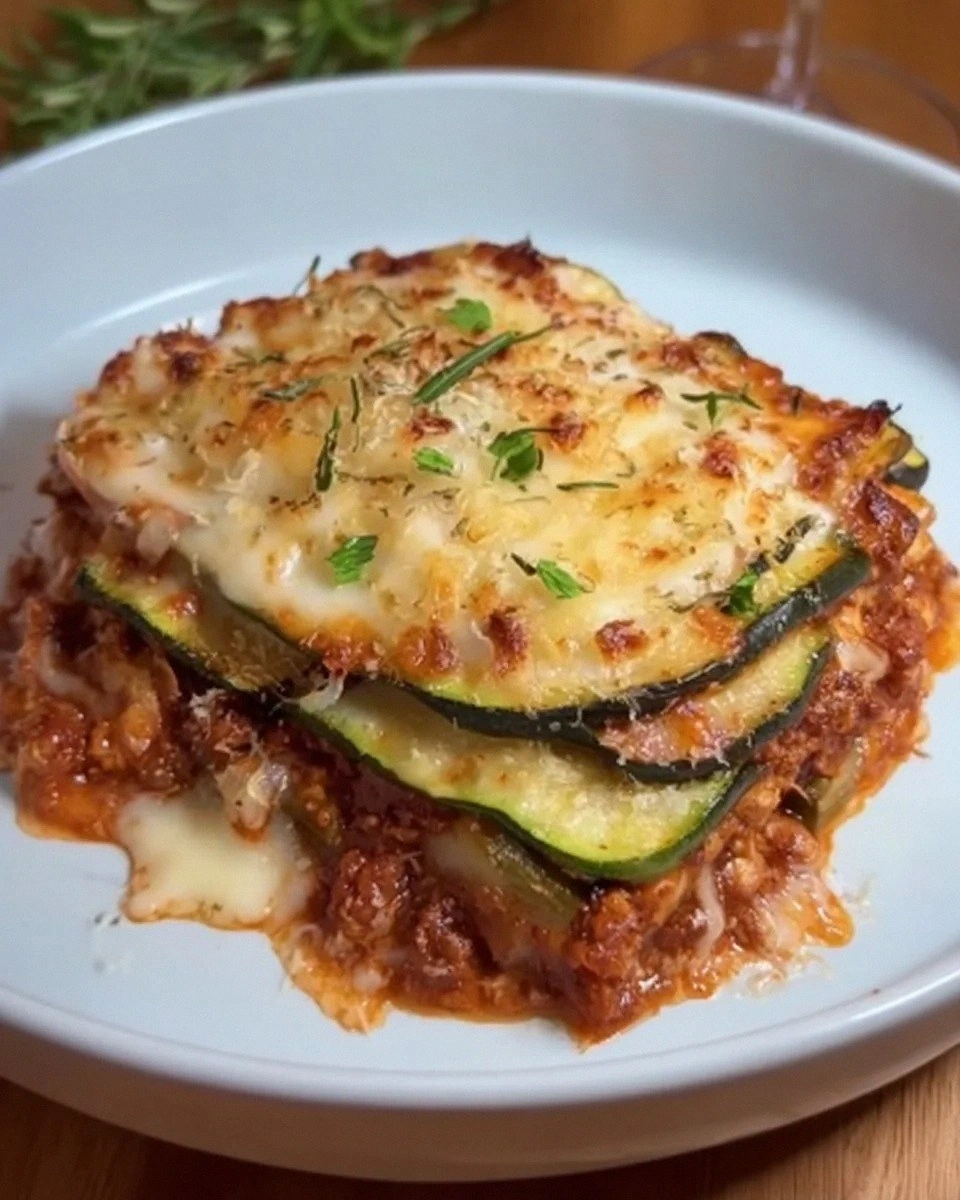
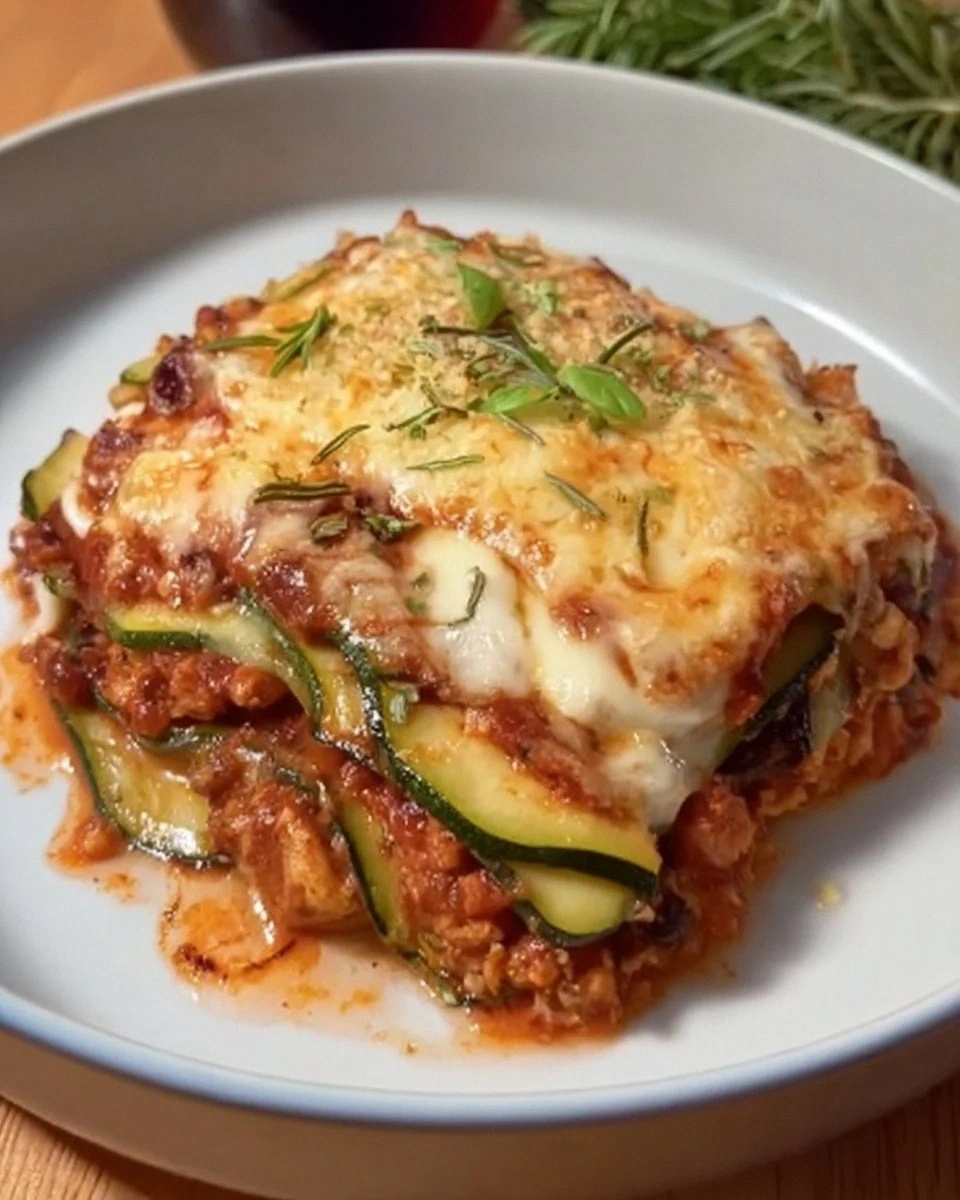
Most zucchini lasagna recipes I've tried either drown the vegetables in a watery mess or turn the whole thing into a soggy casserole that collapses under its own weight. This version, however, is a game‑changer. I’ve swapped the traditional pasta sheets for thinly sliced zucchini that have been lightly salted and pat‑dried, ensuring they hold their shape and give a subtle, buttery crunch. The sauce is reduced to a thick, velvety blanket that clings to every curve, while the cheese blend creates a molten crown that cracks just enough to reveal a luscious interior. And the secret ingredient? A splash of dry white wine that lifts the flavor profile into a whole new stratosphere.
Let me walk you through every single step — by the end, you'll wonder how you ever made it any other way. Okay, ready for the game‑changer? This next part? Pure magic. I dare you to taste this and not go back for seconds.
What Makes This Version Stand Out
- Texture: The zucchini slices are lightly salted and grilled, giving them a tender‑yet‑firm bite that mimics pasta without the carb overload.
- Flavor Depth: A splash of white wine in the sauce adds acidity and complexity, making the sauce coat the layers like velvet.
- Simplicity: Fewer steps than a traditional lasagna, yet every step is purposeful and builds layers of taste.
- Ingredient Quality: Fresh, organic zucchini and high‑quality ricotta make the dish sing; you’ll taste the difference immediately.
- Crowd Reaction: Even the most die‑hard pasta lovers admit this version steals the spotlight at dinner parties.
- Make‑Ahead Potential: Assemble the night before, refrigerate, and bake fresh in the morning—perfect for busy weekdays.
- Cooking Method: A quick sear of the zucchini prevents sogginess, while a low‑and‑slow bake ensures cheese bubbles to perfection.
- Health Factor: You get all the comfort of lasagna with a fraction of the carbs and a boost of veggies.
Inside the Ingredient List
The Flavor Base
Marinara Sauce (2 cups): This is the heart of the dish, providing acidity and sweetness that balances the richness of the cheese. If you skip the sauce, you’ll end up with dry layers that feel more like a vegetable stack than lasagna. For a deeper flavor, use a San Marzano‑based sauce or simmer a homemade version with fresh tomatoes, basil, and a pinch of sugar.
Ground Beef (1 pound): The beef adds a meaty backbone that makes the dish feel hearty. Opt for 80/20 lean‑to‑fat ratio for juiciness; too lean and you’ll lose that luscious mouthfeel. If you prefer a lighter version, swap for ground turkey or a plant‑based crumble.
Onion (1 small, diced): The onion contributes a subtle sweetness that mellows the acidity of the tomato. It also creates a fragrant base when sautéed with garlic. You can replace it with shallots for a more delicate flavor.
Garlic (2 cloves, minced): Garlic is the aromatic spark that lifts the entire sauce. Over‑cooking it can turn bitter, so add it after the onion is translucent and sauté just until fragrant.
The Texture Crew
Zucchini (3 medium, sliced lengthwise): These are the “noodles” of the dish. When sliced thin and lightly salted, they retain a slight bite that mimics al dente pasta. Skipping the salting step results in a watery lasagna that collapses under its own weight.
Ricotta Cheese (1 cup): Ricotta provides a creamy, slightly grainy layer that balances the acidity of the sauce. It also helps bind the layers together. If you want extra richness, stir in a tablespoon of heavy cream.
Egg (1): The egg acts as a binder for the ricotta, preventing it from separating during baking. It also adds a subtle silkiness to each bite.
Mozzarella (1 cup, shredded): Mozzarella gives that melty, stretchy quality we all love in lasagna. For extra pull, use a blend of low‑moisture and fresh mozzarella.
The Unexpected Star
Parmesan Cheese (½ cup, grated): Parmesan adds a nutty, salty punch that caramelizes on top, creating those crispy edges that shatter like thin ice. If you’re feeling adventurous, finish the dish with a sprinkle of Pecorino Romano for extra bite.
White Wine (¼ cup, dry): The wine deglazes the pan, lifting the browned bits from the meat and adding a bright acidity. It evaporates during cooking, leaving behind a complex flavor that you won’t find in a plain tomato sauce.
The Final Flourish
Olive Oil (2 tbsp): Olive oil is the medium through which the aromatics develop. Use extra‑virgin for a fruitier note, but if you’re heating to a high temperature, regular olive oil works fine.
Italian Seasoning (1 tsp): A blend of oregano, basil, thyme, and rosemary, this seasoning rounds out the herb profile. Fresh herbs can be used for an even brighter finish.
Salt and Pepper (to taste): These are the unsung heroes that bring everything together. Taste as you go; a pinch of salt at each stage builds layers of flavor.
Everything's prepped? Good. Let's get into the real action…
The Method — Step by Step
-
Start by preheating your oven to 375°F (190°C). While the oven warms, line a large baking sheet with parchment and set it aside. This temperature is the sweet spot that will give you a bubbly top without scorching the cheese. Picture yourself pulling this out of the oven, the whole kitchen smelling incredible…
Watch Out: Do not open the oven door too often; temperature fluctuations can cause the cheese to dry out. -
Slice the zucchini lengthwise into ¼‑inch thick strips using a mandoline or a sharp knife. Lay the slices on a clean kitchen towel, sprinkle lightly with sea salt, and let them rest for 10 minutes. This draws out excess moisture, which you’ll pat away with paper towels. This step is the moment of truth—if you skip it, you’ll end up with a soggy bottom.
Kitchen Hack: Use a clean kitchen cloth to press the zucchini slices; you’ll extract even more water and speed up the drying process. -
Heat 2 tbsp of olive oil in a large skillet over medium‑high heat. Add the diced onion and sauté until translucent, about 3 minutes. Then add the minced garlic and cook for another 30 seconds—watch that garlic; it should turn fragrant, not brown. Next, crumble in the ground beef, breaking it up with a wooden spoon, and brown until no longer pink, roughly 6‑8 minutes. As the meat browns, you’ll hear a satisfying sizzle that signals flavor development.
-
Deglaze the pan with ¼ cup of dry white wine, scraping up any browned bits from the bottom. Let the wine reduce by half, which should take about 2 minutes. Then stir in the marinara sauce, Italian seasoning, and a pinch of salt and pepper. Reduce the heat to low and let the sauce simmer for 10 minutes, allowing the flavors to meld. The sauce should thicken slightly and coat the back of a spoon.
-
While the sauce simmers, pre‑heat a grill pan or a large skillet over medium heat. Lightly brush the zucchini slices with a drizzle of olive oil and grill each side for 1‑2 minutes, just until you see grill marks. This quick sear adds a smoky depth and firms up the slices, preventing them from becoming limp during baking.
Watch Out: Over‑cooking the zucchini will make it mushy; keep the grill time short and watch for just‑right char. -
In a medium bowl, combine the ricotta, egg, half of the grated Parmesan, and a pinch of salt and pepper. Mix until smooth; the egg will act as a binder, ensuring the ricotta stays creamy throughout baking. This mixture is the secret sauce that keeps each bite luscious.
Kitchen Hack: Add a tablespoon of finely grated lemon zest to the ricotta mixture for a bright, unexpected lift. -
Now it’s assembly time. Spread a thin layer of the meat sauce on the bottom of a 9×13‑inch baking dish. Lay a single layer of grilled zucchini slices over the sauce, followed by half of the ricotta mixture, then a sprinkle of shredded mozzarella. Repeat the layers: sauce, zucchini, ricotta, mozzarella. Finish with a final layer of sauce, the remaining mozzarella, and the rest of the Parmesan on top. The top should look like a snowy mountain ready to melt.
-
Cover the dish tightly with aluminum foil and place it in the preheated oven. Bake for 20 minutes, then remove the foil to allow the cheese to brown. Continue baking for another 15‑20 minutes, or until the cheese is bubbling and the edges are golden. When you see the cheese pulling away in glorious strands, you’ll know it’s done.
-
Remove the lasagna from the oven and let it rest for 10 minutes before slicing. This rest period lets the layers set, making the slices hold together without sliding apart. Trust me, this is worth the wait—cutting too early results in a sloppy mess.
-
Serve hot, garnished with a drizzle of extra‑virgin olive oil and a handful of fresh basil leaves. The basil adds a fragrant pop that cuts through the richness. And now the fun part: dig in, savor each bite, and watch everyone ask for seconds. I’ll be honest — I ate half the batch before anyone else got to try it.
That's it — you did it. But hold on, I've got a few more tricks that'll take this to another level...
Insider Tricks for Flawless Results
The Temperature Rule Nobody Follows
Most home cooks bake lasagna at 350°F, but cranking it up to 375°F creates a faster caramelization on the cheese while keeping the interior moist. The higher heat also shortens the cooking time, preserving the bright green color of the zucchini. I once tried 400°F and burnt the top—so keep it at 375°F for that perfect golden crust.
Why Your Nose Knows Best
Never rely solely on a timer; trust the aroma. When the sauce starts to smell sweet and slightly caramelized, you’re near the perfect reduction point. If you catch a hint of burnt garlic, lower the heat immediately. Your nose is the ultimate sous‑chef.
The 5‑Minute Rest That Changes Everything
After baking, let the lasagna sit uncovered for exactly five minutes. This short rest lets the steam settle, firming up the layers. Cutting too early releases all the juices, turning your plate into a soggy mess. I once ignored this step and learned the hard way—my first slice fell apart like a paper towel.
Cheese Layering Secrets
Instead of dumping all the mozzarella at once, split it between the middle and the top. The middle cheese melts into a creamy core, while the top layer browns and forms those coveted crispy edges. A dash of smoked mozzarella in the top layer adds a subtle smoky note that surprises the palate.
Veggie Moisture Management
If you’re using especially watery zucchini, after salting and pat‑drying, give the slices a quick blast in the oven at 200°F for 5 minutes before assembling. This extra dry‑out step ensures the final dish isn’t watery. It’s a tiny extra step that makes a massive difference.
Creative Twists and Variations
This recipe is a playground. Here are some of my favorite ways to switch things up:
Spicy Jalapeño Kick
Finely dice two jalapeños and sauté them with the onion and garlic. The heat cuts through the richness, making the dish perfect for those who love a little fire. Top with a dollop of cool sour cream to balance the spice.
Mushroom Medley
Swap half of the ground beef for a mixture of cremini, shiitake, and portobello mushrooms. The umami from the mushrooms deepens the flavor profile and adds an earthy texture that pairs wonderfully with the zucchini.
White Sauce Variation
Replace the marinara with a béchamel sauce infused with fresh herbs. This creates a lighter, cream‑based lasagna that feels indulgent without the tomato tang. Add a pinch of nutmeg to the béchamel for classic comfort.
Cheesy Goat Cheese
Stir in ¼ cup of crumbled goat cheese into the ricotta mixture. The tangy goat cheese adds a sophisticated note that elevates the dish for a dinner party setting.
Vegan Version
Use plant‑based ground “beef,” replace ricotta with tofu blended with lemon juice and nutritional yeast, and swap mozzarella for a dairy‑free meltable cheese. The result is a vegan lasagna that still satisfies the cravings for comfort.
Herb‑Infused Zucchini
Before grilling, toss the zucchini slices with a mixture of fresh thyme, rosemary, and a splash of lemon juice. The herbs infuse the vegetables with a fragrant brightness that lifts the entire dish.
Storing and Bringing It Back to Life
Fridge Storage
Allow the lasagna to cool completely, then cover tightly with plastic wrap or aluminum foil. It will keep in the refrigerator for up to 4 days. Reheat individual slices in the microwave or, for best results, in a 350°F oven for 15 minutes, covered with foil to prevent drying.
Freezer Friendly
After the lasagna has cooled, wrap the entire dish in a double layer of foil and then place it in a freezer‑safe bag. It freezes beautifully for up to 3 months. To bake from frozen, add an extra 15‑20 minutes to the cooking time and cover with foil for the first half.
Best Reheating Method
For a crisp top, preheat your oven to 375°F, add a tiny splash of water (about 2 tbsp) around the edges, and cover with foil. The water creates steam, reviving the zucchini’s texture. Remove the foil for the last 5 minutes to re‑crisp the cheese. This trick brings the lasagna back to life as if it were fresh out of the oven.