I was halfway through a weeknight dinner, juggling a pot of simmering tomato sauce, a skillet of sautéed onions, and a stack of parchment paper that kept slipping off the counter. The kitchen was a chaotic orchestra of sizzling sounds, the sharp hiss of garlic hitting hot oil, and the faint scent of basil that seemed to be fighting for dominance. I stared at the clock—30 minutes left, and the sauce was turning a murky brown that looked like a burnt espresso instead of a silky, tomato‑based delight. I knew I was about to unleash a culinary disaster, and my friend who had just called from Italy was waiting for a taste that would make her say “Mamma mia!”
The moment the first clink of a spoon against the pan echoed through the kitchen, I felt my stomach tighten. My eyes caught the glistening sheen on the onions, the tiny bursts of color from the cherry tomatoes, and the way the steam curled like a ghostly veil. The air was thick with anticipation, a blend of the sweet aroma of caramelized onions and the sharp, peppery bite of crushed red pepper flakes. My hands, a little slick with olive oil, were poised over the pot, ready to turn a potential mess into something that would make the whole house swoon. The sound of the sauce bubbling was a lullaby for my nerves, and the heat radiated a comforting, almost seductive warmth.
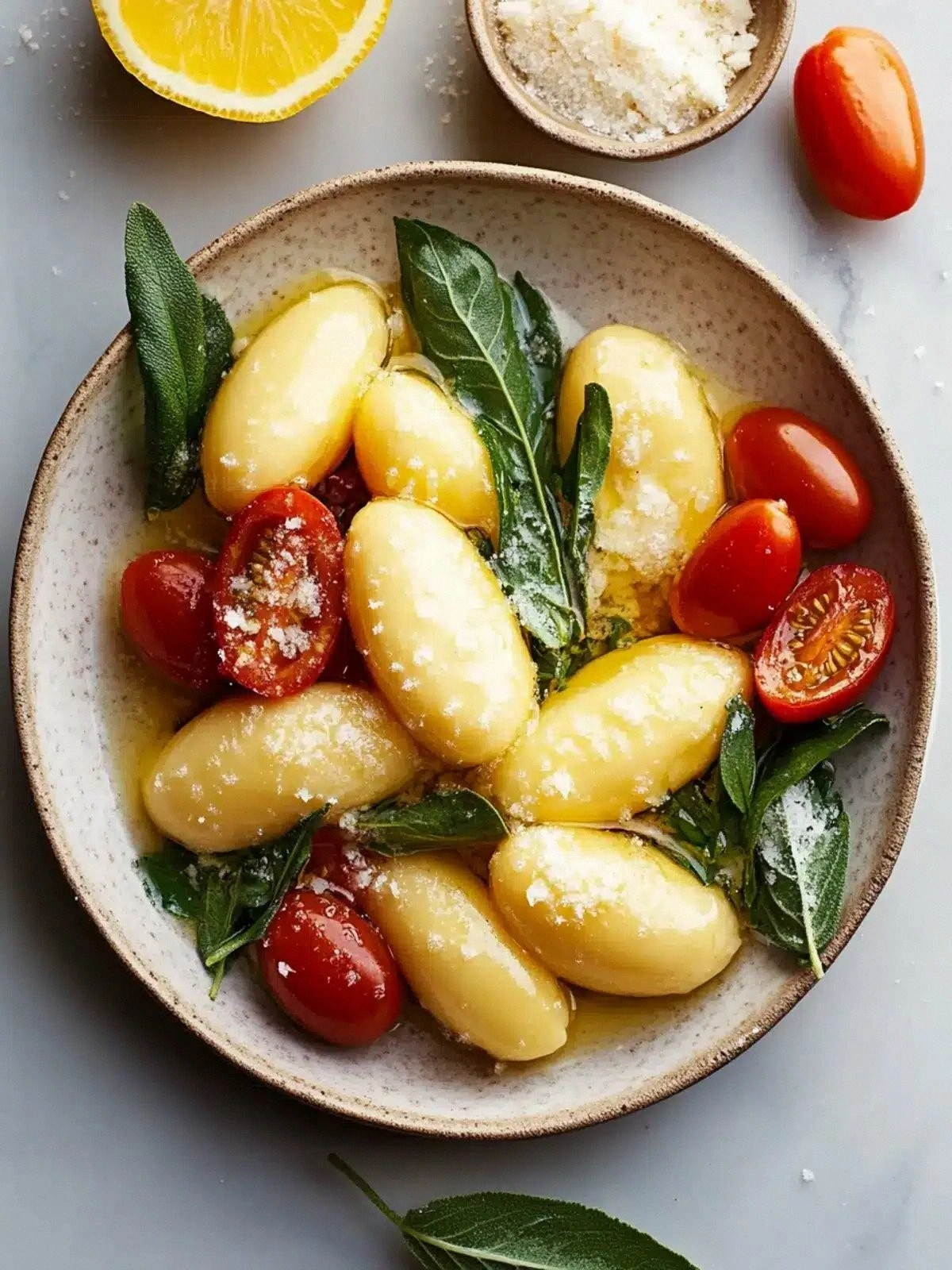
I realized then that this wasn’t just another pasta sauce; it was a bold, creamy, buttery revelation that would change the way you think about comfort food. The secret? A generous splash of heavy cream that swirls with parmesan, a splash of lemon that brightens everything, and a handful of fresh herbs that lift the dish from ordinary to unforgettable. The butter beans bring a velvety texture that coats every strand of pasta like a silky scarf, while the cherry tomatoes add a burst of juicy sweetness that cuts through the richness. This version is not just a sauce; it’s a marriage of flavors that will make you question why you ever settled for plain tomato.
And there’s a twist that will leave you whispering “What did you add?”—a subtle, unexpected ingredient that turns the whole experience into a culinary love affair. Picture yourself pulling this out of the oven, the whole kitchen smelling incredible, and your guests leaning in, mouths open, waiting for the first bite. I dare you to taste this and not go back for seconds. Let me walk you through every single step—by the end, you’ll wonder how you ever made it any other way.
What Makes This Version Stand Out
- Flavor Depth: The combination of butter beans and heavy cream creates a sauce that feels indulgent without being greasy, while the lemon zest cuts through the richness with a bright, citrusy punch that keeps the palate refreshed. The subtle heat from the crushed red pepper flakes adds just enough kick to keep the dish lively.
- Texture Play: The butter beans are mashed just enough to leave a few hearty chunks, giving the sauce a rustic mouthfeel that pairs beautifully with al dente pasta. The heavy cream glazes the noodles like a glossy finish, and the parmesan melts into a silky ribbon of cheese.
- Ingredient Quality: Using fresh, locally sourced cherry tomatoes and basil ensures that every bite bursts with real fruitiness. The parmesan is a high‑fat variety that melts effortlessly, enhancing the sauce’s richness.
- Simple Prep: All the steps are straightforward and can be completed in under an hour, making it a perfect weeknight dinner that feels like a gourmet experience. No special equipment is required—just a skillet, a saucepan, and a wooden spoon.
- Make‑Ahead Potential: The sauce can be cooked ahead of time and refrigerated, allowing the flavors to meld even further. Reheat gently, and you’ll have a ready‑to‑serve dish that tastes freshly made.
- Crowd‑Pleaser: The buttery, creamy texture is a hit with both adults and kids. The bright lemon and fresh herbs give it a sophisticated finish that impresses even the most discerning palates.
- Versatility: While this recipe is designed for pasta, it also works wonderfully with risotto, roasted vegetables, or even as a dipping sauce for crusty bread. The sauce’s richness can be toned down or intensified by adjusting the cream or cheese amounts.
Inside the Ingredient List
The Flavor Base
At the heart of this sauce are the butter beans—soft, creamy legumes that bring a subtle nutty undertone and a velvety texture. They act as a natural thickener, eliminating the need for flour or roux. If you skip them, the sauce will become thin and watery, lacking that comforting body that makes each bite feel indulgent. A good swap is cannellini beans, which offer a slightly firmer bite but still deliver the same creamy foundation.
The cherry tomatoes are the vibrant, juicy jewels that provide a bright, acidic counterpoint to the richness. They release their juices as they cook, forming a natural tomato base that’s sweeter than canned tomatoes. If you’re in a pinch, you can use sun‑dried tomatoes rehydrated in a splash of water, but the flavor will be more concentrated and slightly smoky.
The Texture Crew
Heavy cream is the star that gives the sauce its silky sheen and luxurious mouthfeel. It also balances the acidity of the tomatoes and the sharpness of the lemon. If you prefer a lighter version, replace half the cream with whole milk or a non‑dairy alternative like oat milk; just be aware that the sauce will be less glossy.
Parmesan cheese adds a savory depth and a subtle nutty flavor that rounds out the sauce. Grated fresh parmesan melts faster and provides a richer taste compared to pre‑grated varieties. If you’re vegan, try nutritional yeast or a plant‑based parmesan substitute to maintain that umami kick.
The Unexpected Star
The lemon isn’t just a garnish; its juice and zest lift the entire dish, cutting through the heaviness with a citrusy brightness that feels like a breath of fresh air. The zest contains essential oils that bring a bright aroma, while the juice adds a natural acidity that balances the cream and cheese. Skipping the lemon will result in a dish that feels flat and overly rich.
The fresh herbs—basil and parsley—provide a fragrant, herbal finish that keeps the sauce from feeling heavy. Basil brings a sweet, slightly peppery note, while parsley adds a clean, bright green tone. If you’re out of fresh herbs, dried versions can work, but use half the amount to avoid overpowering the sauce.
The Final Flourish
Olive oil is the cooking medium that brings everything together, adding depth and a subtle fruity note. Use a good quality extra‑virgin olive oil for the best flavor profile. The crushed red pepper flakes add a gentle heat that keeps the dish lively without overwhelming the delicate balance of flavors.
The vegetable broth is a subtle enhancer that helps thin the sauce to the perfect consistency while adding a savory base note. If you prefer a more pronounced broth flavor, use chicken broth or a stock that matches your main protein.
Everything's prepped? Good. Let's get into the real action...
The Method — Step by Step
- Heat the olive oil in a large skillet over medium heat until it shimmers. Add the diced onion and sauté until translucent and slightly golden, about 5 minutes. Stir frequently to prevent sticking. The onions should soften without browning too quickly; if they start to brown, lower the heat. This slow sauté brings out their natural sweetness.
- Add the minced garlic and crushed red pepper flakes to the pan, cooking for 30 seconds until the garlic turns fragrant. Keep a close eye on the garlic to avoid burning, as burnt garlic will taste bitter. This quick burst of garlic infuses the oil with aroma, setting the stage for the sauce.
- Pour in the cherry tomatoes, breaking them slightly with a wooden spoon. Cook until they start to blister and release their juices, about 4-5 minutes. The tomatoes should soften but still hold some shape; if they become mushy, reduce the heat. This step builds the tomato base.
- Add the butter beans to the skillet, breaking them gently with a spoon. Stir to combine and let them heat through for 2 minutes. The beans should coat the tomatoes, creating a thick, hearty mixture. If you prefer a smoother sauce, mash the beans slightly with the back of a spoon.
- Pour in the vegetable broth, stirring to loosen the mixture. Let it simmer for 3 minutes, allowing the flavors to meld. The broth should reduce slightly, thickening the sauce. If it becomes too thick, add a splash of water or more broth.
- Reduce the heat to low and stir in the heavy cream. Let the sauce simmer gently for 4 minutes, ensuring it doesn’t boil. The cream should swirl into the tomato mixture, creating a glossy, silky coating. This is the moment of truth—watch the texture transform.
- Grate the parmesan cheese into the skillet, stirring until it melts completely. The cheese should thicken the sauce and add a nutty depth. If the sauce thickens too quickly, lower the heat or stir in a tablespoon of pasta water.
- Finish the sauce with the lemon juice, zest, fresh basil, and parsley. Stir until the herbs are bright and fragrant. Taste and season with salt and pepper to your liking. The lemon should cut through the richness, leaving a clean, bright finish. If the sauce feels too thick, add a splash of pasta water.
- Meanwhile, cook your pasta in a large pot of salted boiling water until al dente. Reserve a cup of pasta water before draining. Toss the cooked pasta into the sauce, stirring to coat each strand. The pasta should absorb the sauce, becoming silky and glossy. Serve immediately with a sprinkle of extra parmesan if desired.
That’s it — you did it. But hold on, I've got a few more tricks that'll take this to another level...
Insider Tricks for Flawless Results
The Temperature Rule Nobody Follows
Many cooks let the sauce boil after adding the cream, thinking it will thicken faster. The truth is, high heat causes the cream to separate, creating a grainy texture that’s a culinary crime. Keep the heat low and let the sauce gently simmer; this ensures a smooth, velvety finish. I once tried this and ended up with a lumpy sauce that made me question my life choices.
Why Your Nose Knows Best
As the sauce cooks, it will release a fragrant bouquet that tells you exactly when it’s ready. When you smell the caramelized onions mingling with the sharp citrus of lemon, it’s time to taste. If the aroma is too tomato‑heavy, add more cream or a pinch of sugar to balance. Trust your senses; they’re the best judge of flavor.
The 5-Minute Rest That Changes Everything
After you’ve tossed the pasta with the sauce, let it rest on the stove for 5 minutes with the heat off. This resting period allows the pasta to absorb the sauce fully, creating a cohesive dish where every bite is drenched in flavor. Skipping this step makes the sauce cling unevenly, leaving some noodles dry.
Keep It Cool If You’re Ahead of Time
If you’re prepping this sauce ahead of a dinner party, refrigerate it in a sealed container for up to 48 hours. When you’re ready to serve, reheat gently on low heat, adding a splash of water or broth to restore its silky texture. This method keeps the sauce fresh and prevents it from becoming too thick.
Use a Finely Grated Parmesan for a Creamier Finish
The finer the parmesan, the faster it melts and integrates into the sauce. A coarse grate can leave little cheese shards that disrupt the smoothness. I once used a coarse grate and the sauce had a slightly gritty mouthfeel—definitely a lesson learned.
Finish With a Spritz of Lemon Juice
Right before serving, give the sauce a final spritz of lemon juice. The acidity lifts the richness and adds a fresh zing that wakes up the palate. It’s a simple step that elevates the dish from good to unforgettable.
Creative Twists and Variations
This recipe is a playground. Here are some of my favorite ways to switch things up:
Spicy Sriracha Surprise
Swap the crushed red pepper flakes for a tablespoon of sriracha for a smoky, spicy kick. The sauce becomes bold, and the heat pairs wonderfully with the creamy base. Great for those who like a little heat.
Herb‑Infused Mushroom Medley
Add sautéed mushrooms to the sauce after the onions. Their earthy flavor complements the beans, creating a more robust, umami‑rich dish. This variation works well with a hearty pasta like rigatoni.
Chicken or Shrimp Upgrade
Fold in cooked chicken breast or shrimp after the sauce has thickened. The protein absorbs the sauce’s richness, turning the dish into a complete meal. Serve over a bed of zucchini noodles for a low‑carb twist.
Vegan Version
Replace the heavy cream with coconut milk and use nutritional yeast instead of parmesan. The coconut milk gives a subtle tropical note, while the yeast adds a cheesy depth. This version is dairy‑free yet still indulgent.
Breakfast Twist
Use the sauce as a topping for scrambled eggs or a breakfast skillet. The creamy, tomato‑rich sauce pairs beautifully with eggs, creating a brunch dish that feels like a comfort food indulgence.
Roasted Vegetable Companion
Serve the sauce over roasted root vegetables like carrots, parsnips, and sweet potatoes. The sauce’s richness complements the natural sweetness of the veggies, creating a hearty vegetarian entrée.
Storing and Bringing It Back to Life
Fridge Storage
Store the sauce in an airtight container for up to 4 days in the refrigerator. Before reheating, stir well and add a splash of water or broth to loosen the consistency. This keeps the sauce silky and prevents it from drying out.
Freezer Friendly
The sauce freezes well for up to 3 months. Portion into freezer‑safe containers or zip‑top bags, leaving a little space for expansion. Thaw overnight in the refrigerator, then reheat gently on the stove, adding a bit of water if needed.
Best Reheating Method
Reheat the sauce on low heat, stirring frequently to prevent scorching. Add a small amount of water or pasta water to restore the sauce’s original thickness. A quick 5‑minute simmer is enough to bring it back to silky perfection.