Picture this: I’m standing in a cramped apartment kitchen, the clock ticking, the oven preheating, and a half‑baked loaf staring back at me, crusty on the outside but still a raw, doughy mess inside. I had just pulled the dough out of the fridge after a late‑night binge, hoping that a quick bake would turn it into something edible. Instead, it emerged with a flat, uneven top and a dense crumb that could have been a brick. I stared at it, sighed, and then whispered, “This is not how French bread should look.” That moment of culinary disappointment sparked a mission: to find, refine, and finally master a recipe that delivers the light, airy, golden loaf you see on the backs of baguette boxes at the grocery store. I dare you to taste this and not go back for seconds.
I’ve spent the last few months testing variations, tweaking hydration levels, and experimenting with different yeasts. I’ve compared the classic French method with a no‑knead, overnight fermentation technique, and I’ve even tried a touch of honey for a subtle caramel note. Each experiment taught me a new lesson about gluten development, the timing of folds, and the importance of a well‑cooled oven. The result? A loaf that is soft inside, crisp and caramelized on the outside, with a flavor profile that sings of buttery dough, a hint of caramelized sugars, and a whisper of sea salt. This is hands down the best version you'll ever make at home.
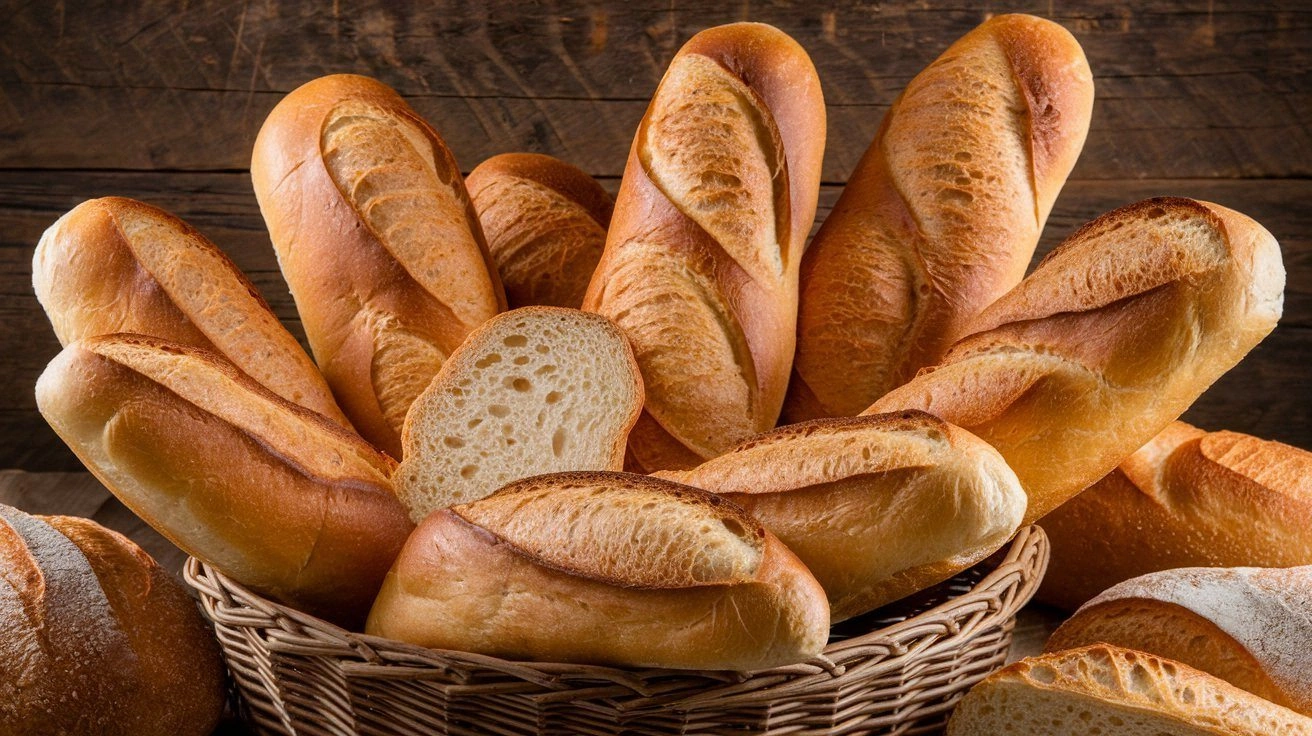
When I first tasted the finished loaf, I felt like I’d discovered a secret family recipe that had been hidden in plain sight. The crust crackles like a fresh sheet of parchment when you break it open, revealing a pillowy crumb that practically melts in your mouth. The aroma is a warm, yeasty invitation that makes the whole kitchen feel like a bakery on a rainy afternoon. You can’t help but feel a surge of pride when you slice it, because the golden edges and the soft, airy interior are a testament to your own culinary skill. If you've ever struggled with this, you're not alone — and I've got the fix.
What makes this recipe stand out? It’s a combination of precision, patience, and a few little secrets that most bakers overlook. I’ll walk you through every single step, from the first whisk to the final bake, and by the end, you’ll wonder how you ever made it any other way. Okay, ready for the game‑changer? Let’s dive in.
What Makes This Version Stand Out
- Texture: The dough achieves a light, airy crumb that feels almost cloud‑like, yet it holds a satisfying bite. This is achieved through a controlled fermentation and a precise hydration level that keeps the gluten relaxed enough to expand without collapsing. The result is a loaf that feels indulgent but not heavy.
- Crust: The crust is a perfect balance of golden brown, slightly caramelized edges with a crisp exterior that shatters like thin ice when you bite into it. This is not a result of baking time alone; it’s a combination of steam injection and a final bake at a high temperature that locks in moisture while creating a crunchy shell.
- Flavor: A subtle sweetness from the honey and sugar, a savory depth from the salt, and a buttery finish from the olive oil combine to create a complex flavor profile that’s both comforting and elegant. The slight caramel note in the crust gives it an almost dessert‑like quality, while the interior remains perfectly neutral.
- Ease: Despite sounding intimidating, the process is straightforward, with clear timing cues and simple equipment. You only need a stand mixer or a sturdy bowl, a kitchen scale, and an oven with a baking stone or steel.
- Make‑Ahead: The dough can be prepared up to 24 hours ahead of time, allowing you to bake a fresh loaf on a Sunday morning without any rush. The overnight fermentation enhances flavor and makes the dough easier to handle.
- Versatility: The recipe works beautifully for sandwiches, bruschetta, or simply sliced and toasted. Add herbs or cheese to the dough for a savory twist, or sprinkle with sesame seeds for extra texture.
- Consistency: The technique ensures that every loaf you bake will have the same lightness and crispness, eliminating the frustration of uneven results. The recipe’s precise measurements and timing remove the guesswork.
- Scalability: Whether you’re making a single loaf or a dozen, the recipe scales proportionally, and the recipe card’s serving adjuster will automatically update the ingredient quantities.
Inside the Ingredient List
The Flour Foundation
The backbone of any good bread is the flour. For this recipe, I recommend a high‑protein bread flour or a blend of bread and all‑purpose flour. The protein content encourages gluten development, giving the loaf its structure. If you’re using a low‑protein flour, the loaf will be denser and less airy. A good rule of thumb: 70% bread flour and 30% all‑purpose flour yields a balanced crumb. Don’t forget to sift the flour before mixing to aerate it and remove any lumps.
The Liquid Layer
Warm water (around 140°F) is the ideal temperature for activating yeast without killing it. The water hydrates the flour, allowing gluten strands to form. I like to add a splash of cold water during the final stretch to keep the dough from overheating, which can inhibit gluten formation. If you’re in a humid climate, you might need to reduce the water slightly to prevent a gummy dough. A light mist of water on the dough surface before the final proof helps create a crisp crust.
The Yeast Engine
Active dry yeast is the most accessible option, but instant yeast works just as well. Dissolve the yeast in a small amount of warm water with a pinch of sugar to activate it. The sugar provides an early food source, giving the yeast a quick kick. If you’re short on time, you can skip the activation step, but the dough will rise more slowly. For a richer flavor, try using a 1% baker’s yeast for a slow fermentation.
The Sweet Touch
A touch of honey or sugar balances the acidity of the yeast and promotes a golden crust. Honey also adds a subtle floral note that complements the buttery finish. If you prefer a completely savory loaf, you can omit the sugar, but be prepared for a slightly less caramelized crust. A tablespoon of molasses or maple syrup can also be used for a deeper, earthy sweetness.
Everything's prepped? Good. Let's get into the real action...
The Method — Step by Step
- Activate the Yeast: In a small bowl, dissolve 2 teaspoons of active dry yeast and 2 teaspoons of sugar in 1 cup of warm water (140°F). Let it sit for 5–7 minutes until it becomes frothy. This froth is your green light that the yeast is alive and ready to work. If it doesn’t froth, the yeast may be old, and you’ll need to start over. The frothy mixture is the engine that will power the dough’s rise.
- Combine Dry Ingredients: In a large mixing bowl or the bowl of a stand mixer, whisk together 4 cups of bread flour, 2 teaspoons of salt, and 1 tablespoon of olive oil. The oil coats the flour, creating a slightly tender crumb and helping to keep the dough from drying out. This step also ensures that the salt is evenly distributed, preventing any pockets of overly salty dough.
- Mix Wet and Dry: Pour the activated yeast mixture into the dry ingredients. Using a dough hook or your hands, mix until the dough comes together and begins to pull away from the sides of the bowl. The dough should feel elastic but not overly sticky. If it feels too dry, add a tablespoon of warm water at a time until the right consistency is achieved. The dough should be tacky but manageable.
- First Rise: Cover the bowl with a damp cloth or plastic wrap and let the dough rise in a warm spot for 1 hour, or until it has doubled in size. During the first 30 minutes, perform a series of stretch and folds every 10 minutes to develop gluten. The dough will become smoother and more elastic after these folds. Keep an eye on the dough; if it’s rising too quickly, place it in the refrigerator for a short cool down.
- Shape the Loaf: Gently deflate the dough and turn it onto a lightly floured surface. Shape it into a round loaf by folding the edges into the center and tightening the surface. Place it seam‑side up on a piece of parchment or a floured baking stone. This shaping step is crucial for achieving a uniform rise and an attractive crust.
- Second Rise (Proof): Cover the shaped loaf with a clean kitchen towel and let it proof for 45–60 minutes. The loaf should rise to the top of the parchment, forming a nice dome. During this time, keep the dough in a draft‑free area to avoid uneven rising. If the dough starts to overproof, you can gently press it back into shape and allow it to rise again for a short period.
- Preheat the Oven: While the dough is proofing, preheat your oven to 475°F (245°C) with a baking stone or steel on the middle rack. The high temperature is key to creating a crisp, caramelized crust. Place an empty metal tray on the bottom rack to catch steam. The steam will help the loaf expand rapidly during the first minutes of baking.
- Score the Loaf: Just before baking, use a sharp razor blade or a lame to score the top of the loaf in a shallow V or a series of diagonal cuts. Scoring allows the loaf to expand in a controlled manner and creates an attractive pattern on the crust. The cuts should be about ¼ inch deep and spaced evenly across the loaf.
- Bake: Slide the parchment with the loaf onto the preheated stone or steel. Quickly pour a cup of hot water onto the bottom of the oven to create steam. Close the door immediately. Bake for 25–30 minutes, or until the crust is deep golden brown and the loaf sounds hollow when tapped on the bottom. The aroma should be a warm, yeasty scent with hints of caramel.
- Cool: Remove the loaf from the oven and transfer it to a wire rack. Let it cool for at least 20 minutes before slicing. The cooling time allows the crumb to set and the steam to redistribute, preventing a gummy interior. If you cut too early, the crumb may be gummy and the crust will be soggy.
That’s it — you did it. But hold on, I've got a few more tricks that'll take this to another level. These insider tips will help you refine the process, troubleshoot common issues, and elevate the flavor profile to professional levels.
Insider Tricks for Flawless Results
The Temperature Rule Nobody Follows
Many bakers think 75°F is the sweet spot for proofing, but the ideal temperature can vary depending on your environment. In a cooler kitchen, raise the proofing temperature to 80°F, and in a warmer kitchen, lower it to 70°F. The key is to watch the dough, not just the clock. A warm environment speeds up yeast activity, while a cooler environment slows it down, allowing for a more complex flavor development.
Why Your Nose Knows Best
Trust your nose during the proofing stage. A pleasant, yeasty aroma is a sign that the dough is ready. If the scent is sour or off, the dough may be overproofed or underproofed. A subtle sweet, floral note indicates a balanced fermentation. When in doubt, give the loaf a gentle press; it should spring back slowly.
The 5‑Minute Rest That Changes Everything
After shaping the loaf, let it rest for 5 minutes before the final rise. This brief rest allows the gluten to relax, making the dough easier to stretch and shape. It also helps to lock in the shape of the loaf, preventing it from collapsing during the final bake. The dough will feel slightly tacky and pliable after this rest.
Steam Injection for a Crisper Crust
The trick to a crisp crust is steam. Pour a cup of hot water onto the bottom of the oven just before you slide the loaf in. The sudden burst of steam creates a barrier that keeps the surface from drying out too quickly, allowing the loaf to expand fully. This results in a golden, caramelized crust that’s both crunchy and juicy inside.
Use a Baking Stone or Steel
A baking stone or steel provides even, high heat that helps the loaf rise quickly and develop a crisp crust. Place it in the oven at least 45 minutes before baking to ensure it’s fully heated. If you don’t have a stone, a preheated baking sheet will work, but the crust may be less uniform.
Cooling on a Wire Rack
After baking, never slice the loaf immediately. Let it cool on a wire rack for at least 20 minutes. This allows the steam to escape, preventing a gummy interior. Cooling also helps set the crumb structure, giving the loaf a clean, airy texture that’s easy to slice.
Creative Twists and Variations
This recipe is a playground. Here are some of my favorite ways to switch things up:
Herbed Delight
Add 1 tablespoon of chopped rosemary or thyme to the dough during the first mix. The herbs infuse the crumb with a fragrant, savory note that pairs beautifully with cheese or roasted vegetables. The herb’s essential oils also add a subtle bitterness that balances the sweetness.
Cheesy Crust
Sprinkle ¼ cup of grated Parmesan or mozzarella over the loaf before the final rise. The cheese melts into the crust, creating a golden, savory topping that adds a burst of umami. This variation is perfect for a brunch sandwich or a quick pizza base.
Sun-Dried Tomato Boost
Fold in ¼ cup of chopped sun‑dried tomatoes and a pinch of dried oregano during the first mix. The tomatoes add a sweet, tangy flavor that contrasts nicely with the buttery dough. The oregano brings a Mediterranean flair to the loaf.
Whole‑Grain Upgrade
Replace 25% of the all‑purpose flour with whole wheat flour. The whole grain adds a nutty flavor and a slightly denser crumb, which pairs well with a hearty soup or stew. The dough will be a bit more challenging to knead, but the result is worth the extra effort.
Chocolate Chip Surprise
Stir in ½ cup of mini chocolate chips during the first mix. The chips melt into the crumb, creating pockets of chocolatey sweetness that are perfect for a dessert loaf. Pair it with a drizzle of caramel sauce for an indulgent treat.
Sourdough Fusion
Replace the active dry yeast with a 1‑cup sourdough starter. The starter adds a tangy depth and a complex flavor profile. The fermentation will take longer, so plan ahead and let the dough rise overnight for maximum flavor.
Storing and Bringing It Back to Life
Fridge Storage
Store the cooled loaf in an airtight plastic bag at room temperature for up to 3 days. If you prefer a crustier loaf, wrap the loaf in a clean kitchen towel before placing it in the bag. The towel helps maintain moisture while allowing the crust to stay crisp.
Freezer Friendly
Slice the loaf before freezing, or freeze the entire loaf. Wrap tightly in plastic wrap and then place in a freezer bag. The loaf can be stored for up to 3 months. When you’re ready to enjoy, thaw overnight at room temperature.
Best Reheating Method
Reheat slices or the whole loaf in a preheated oven at 350°F (175°C) for 10 minutes. Add a splash of water to the bottom of the pan to create steam, then cover loosely with foil to keep the crust from drying out. The loaf should feel warm and slightly crisp on the outside, with a soft interior.