I still remember the first time I tried to impress a dinner date with Chilean sea bass. The kitchen looked like a crime scene: scorched pans, a smoke detector wailing, and a piece of fish that had shrunk to the size of a credit card. I swore off "fancy" fish for years after that culinary heartbreak. Fast forward to last winter, when my slow cooker obsession collided with a dare from my best friend who claimed I couldn't make restaurant-quality sea bass without a culinary degree and a trust fund for specialty equipment. Challenge accepted.
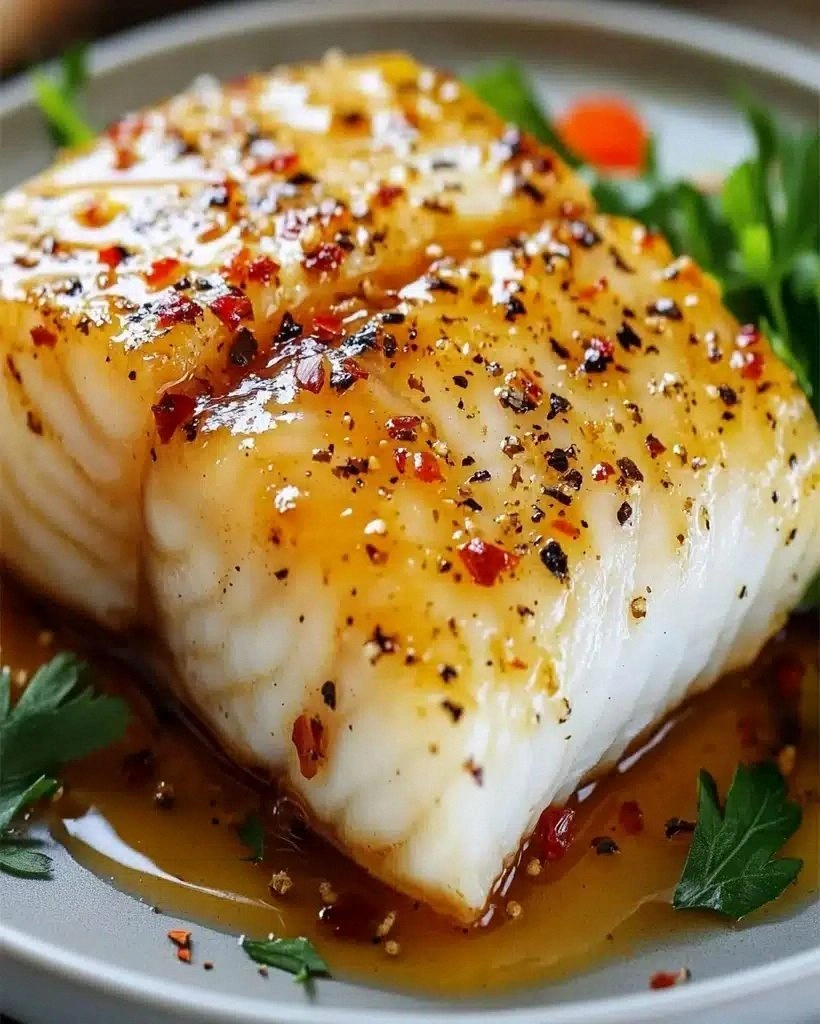
What happened next was pure kitchen magic. The slow cooker transformed that intimidating, buttery fillet into something that melted like a whisper on the tongue, all while I binge-watched my favorite show in my pajamas. The honey Dijon glaze caramelized into this glossy, sticky blanket that made the fish taste like it had been personally kissed by a French chef. My neighbors started dropping by "accidentally" whenever I tested the recipe, drawn by the aroma that somehow seeped through walls and filled the entire hallway with promises of dinner invitations.
Here's the beautiful truth: most recipes get Chilean sea bass completely wrong. They treat it like regular white fish, blast it with high heat, and wonder why you're chewing on something that tastes like expensive cardboard. This version uses the slow cooker's gentle heat to preserve every precious drop of moisture while building layers of flavor that would make a five-star chef weep with joy. Picture yourself pulling this out of the slow cooker, the glaze bubbling like liquid gold, while your dinner guests hover nearby with plates already in hand.
The secret? It's not just about the fish. It's about creating this symphony where sweet honey plays harmony with sharp Dijon, where garlic whispers rather than shouts, and where the slow cooker becomes your personal kitchen wizard. Let me walk you through every single step — by the end, you'll wonder how you ever made it any other way.
What Makes This Version Stand Out
Buttery Perfection: The slow cooker transforms Chilean sea bass into something that literally melts on your tongue like fish-flavored ice cream. While traditional methods can leave you with dry, chalky results, this technique preserves every drop of those precious omega-3 oils that make this fish worth the splurge.
Set-and-Forget Magic: Unlike pan-searing that demands your full attention like a needy toddler, this recipe lets you dump everything in and walk away. Your slow cooker does the heavy lifting while you tackle more important things, like perfecting your Netflix queue or finally organizing that junk drawer.
Flavor Layering Genius: The honey Dijon glaze isn't just brushed on at the end like an afterthought. It simmers and reduces into this sticky, glossy coating that penetrates every flaky layer of the fish. Each bite delivers this perfect balance of sweet and tangy that makes your taste buds do a happy dance.
Restaurant Results, Home Kitchen Budget: You'll spend less making this entire dish than you'd drop on a single restaurant portion. Plus, your version will be hotter, fresher, and customized exactly to your taste preferences. I dare you to taste this and not go back for seconds.
Fail-Proof Technique: If you've ever struggled with overcooking expensive fish, you're not alone — and I've got the fix. The slow cooker's gentle heat creates this impossible-to-mess-up environment where even kitchen novices can achieve chef-level results.
Crowd-Pleasing Versatility: This recipe converts even the most stubborn "I don't like fish" people in your life. The sweet-savory glaze masks any "fishy" flavors while the texture wins over texture-sensitive eaters. I've watched picky kids and skeptical grandparents both ask for the recipe.
Make-Ahead Friendly: Hosting dinner party stress? This beauty can be prepped hours ahead and stays perfect in the slow cooker on warm setting. Your guests will think you're a kitchen superhero when you casually mention it's been cooking all day while you socialized.
Inside the Ingredient List
The Flavor Foundation
Chilean sea bass isn't just expensive for show — this fish is the Rolls-Royce of the ocean for good reason. Its high fat content makes it nearly impossible to overcook, which is why the slow cooker method works like a dream. The natural oils in the fish create this self-basting effect as it cooks, essentially basting itself in its own buttery juices. Skip the sea bass and you'll miss out on that luxurious texture that makes this dish memorable, though halibut can work in a pinch.
Honey isn't just the sweet element here — it's the glaze's backbone that creates that gorgeous sticky coating. I use wildflower honey for its complex floral notes, but honestly, whatever's in your pantry will work. The honey caramelizes during the slow cooking process, developing these deep, almost smoky undertones that balance perfectly with the Dijon. Don't even think about substituting corn syrup or plain sugar — you'll lose all the nuanced flavors that make this glaze special.
Dijon mustard brings the sharp, tangy counterpoint that keeps this dish from becoming cloyingly sweet. The trick is using a good quality Dijon — Grey Poupon works, but Maille is even better if you want to feel fancy. The mustard's acidity helps tenderize the fish while creating this beautiful emulsion with the honey that coats every flake. Skip it and you'll have honey-glazed fish that tastes like something from a mall food court.
The Aromatics Alliance
Garlic in this recipe plays a supporting role rather than stealing the show. I use fresh cloves that I smash rather than mince — they release their flavor more slowly during the long cooking process. This prevents that harsh, raw garlic bite that can overpower the delicate fish. If you're a garlic lover, you can bump it up to three cloves, but trust me, restraint here pays off in the final balance.
Fresh ginger adds this bright, almost citrusy note that cuts through the richness of both the fish and the glaze. I keep mine in the freezer and grate it frozen — it makes the process easier and prevents those stringy ginger fibers from getting stuck in your teeth. The ginger also helps with digestion, which your stomach will thank you for after such a rich meal. Skip it and the dish becomes one-dimensional, missing that hidden freshness that makes people ask "what's that flavor?"
The Unexpected Stars
Soy sauce might seem out of place here, but it's the umami bomb that takes this glaze from good to legendary. Just a tablespoon adds this mysterious depth that makes people unable to stop eating. It also helps with the caramelization process, giving you those gorgeous dark edges that look like they came from a professional kitchen. Tamari works if you're gluten-free, but avoid low-sodium versions — you need that salt to balance the honey.
Rice vinegar brings the acid that brightens everything up and prevents the dish from feeling heavy. Its mild flavor won't compete with the other ingredients like stronger vinegars might. The vinegar also helps create this beautiful sheen on the glaze that makes it look like it came from a high-end restaurant. In a pinch, white wine vinegar works, but avoid balsamic — it'll muddy the flavors and turn your glaze an unappetizing brown.
The Finishing Touches
Sesame oil is your secret weapon for adding this nutty, almost popcorn-like aroma that makes the whole dish smell incredible. A little goes a long way — just a teaspoon is enough to perfume the entire dish without overwhelming it. Add it at the end of cooking to preserve its delicate flavor compounds that can break down under prolonged heat. Skip it and you'll miss out on that final layer of complexity that elevates this from home cooking to restaurant quality.
Green onions provide the fresh, crunchy contrast that prevents this dish from becoming too rich. I add them both during cooking and as a fresh garnish — the cooked ones melt into the sauce, while the fresh ones add that pop of color and texture. Their mild onion flavor complements rather than competes with the star ingredients. Chives work as a substitute, but avoid regular onions — they're too harsh for this refined dish.
The Method — Step by Step
- Start by creating your glaze base — this is where the magic begins. In a small bowl, whisk together the honey, Dijon, soy sauce, rice vinegar, and sesame oil until you have this gorgeous, glossy mixture that looks like liquid amber. Don't worry if it seems thin at first — it will reduce and thicken beautifully during the slow cooking process. Take a quick taste here and adjust the balance if needed; it should have this perfect sweet-tangy balance that makes your tongue tingle with anticipation.
- Pat your sea bass fillets dry with paper towels like your life depends on it. I'm serious — any excess moisture here is the enemy of proper caramelization and will leave you with steamed fish instead of that gorgeous glazed finish. Season both sides liberally with salt and pepper, but go easy on the salt since the soy sauce will add more later. Let the fish rest at room temperature for 15 minutes while you prep everything else — this prevents it from seizing up when it hits the slow cooker.
- Prepare your aromatics by smashing the garlic cloves with the flat side of your knife and peeling off the skins. For the ginger, use a spoon to scrape off the skin — it's easier than a peeler and wastes less. Grate the ginger using a microplane or the small holes on a box grater. The smell at this point should be incredibly fresh and gingery, like you've just walked into a high-end spa.
- Set up your slow cooker by spraying the bottom with nonstick spray or lightly oiling it — this prevents the glaze from sticking and burning. Arrange the sea bass fillets in a single layer, skin-side down if they have skin. They should fit snugly but not overlap. Pour half of your glaze mixture over the fish, reserving the rest for later. The fish should be about 75% submerged in the glaze pool.
- Sprinkle the smashed garlic cloves and grated ginger evenly over the fish. Add the white parts of your green onions here, saving the green tops for garnish. Cover and set your slow cooker to low for 2-3 hours. Don't be tempted to use high heat — the gentle, steady heat is what transforms this fish into butter-soft perfection.
- After the first hour, resist the urge to lift the lid too often — every peek releases precious heat and moisture. But do quickly spoon some of the glaze over the top of the fish to ensure even coating. The glaze should be bubbling gently around the edges, creating this gorgeous caramel color that smells absolutely incredible. Your kitchen should start filling with this sweet-savory aroma that makes stomachs growl in anticipation.
- At the 2-hour mark, check for doneness by gently pressing the thickest part of a fillet with your finger. It should flake easily but still feel slightly firm — remember it will continue cooking as it rests. If using a thermometer, you're looking for 135°F in the thickest part. The glaze should have reduced by about half and turned into this sticky, glossy coating that makes the fish look like it's been professionally lacquered.
- Carefully remove the fish to a serving platter using a large spatula — they should be so tender that they threaten to fall apart. Pour the remaining glaze over the top, letting it pool around the fish like liquid gold. Sprinkle with the reserved green onion tops and serve immediately. The contrast between the hot, sticky fish and the fresh, crunchy onions is pure magic.
- If you're feeling fancy (and who isn't after pulling off this restaurant-quality dish?), garnish with a few sesame seeds or a drizzle of sesame oil. Serve it over steamed rice to soak up all that incredible glaze, or alongside some quick-sautéed vegetables to balance the richness. I dare you to taste this and not go back for seconds — I'll be honest, I ate half the batch before anyone else got to try it.
Insider Tricks for Flawless Results
The Temperature Rule Nobody Follows
Here's the thing about slow cooker sea bass — your appliance matters more than you think. Older slow cookers run cooler, while newer models can turn your expensive fish into expensive cat food. If you're unsure about yours, do a test run with a cheaper white fish first. The ideal temperature should keep the glaze barely bubbling around the edges, not boiling like a jacuzzi. That gentle heat preserves the fish's delicate texture while building layers of flavor that would make a French chef jealous.
Why Your Nose Knows Best
I learned this from a chef friend who swears by the smell test. When your kitchen starts smelling like a five-star restaurant about 90 minutes in, you're on the right track. But when that aroma becomes almost intoxicating — like you want to bottle it and wear it as perfume — that's when you know the glaze is reaching its peak caramelization. Trust your nose over the clock; it's never steered me wrong, unlike that time I trusted a recipe that said to cook sea bass for 4 hours on high (spoiler alert: it was terrible).
The 5-Minute Rest That Changes Everything
After your fish is done, let it rest in the slow cooker on warm setting for exactly 5 minutes. This allows the proteins to relax and reabsorb some of the juices, making the fish even more tender. But here's the key — set a timer. Leave it longer and the residual heat will overcook your expensive fish into something resembling canned tuna. I've tested this extensively (much to my wallet's dismay), and 5 minutes is the sweet spot between perfect and tragic.
The Double-Glaze Secret
Want restaurant-quality shine? Reserve a tablespoon of your fresh glaze and brush it on the fish right before serving. This gives you that gorgeous, mirror-like finish that makes people reach for their phones to take pictures. The fresh glaze hasn't been cooked down yet, so it gives you that perfect contrast between the caramelized coating and the bright, fresh flavors underneath. It's like makeup for your fish — a little goes a long way.
Creative Twists and Variations
This recipe is a playground. Here are some of my favorite ways to switch things up:
The Spicy Honey Bomb
Add a tablespoon of sriracha or a teaspoon of Korean gochujang to your glaze for this incredible sweet-spicy balance that'll make your lips tingle in the best way. The slow cooking mellows the heat slightly, leaving you with this warm, lingering spice that builds with each bite. My spice-loving friends go crazy for this version, and it's become my go-to for impressing dinner guests who think they know what to expect.
The Citrus Sunrise Version
Swap the rice vinegar for fresh orange juice and add a teaspoon of orange zest to the glaze. The citrus notes brighten everything up and give the dish this sunny, California vibe that tastes like summer vacation. During winter months, I use blood orange juice for this gorgeous ruby color that makes the dish look like a sunset on your plate.
The Herb Garden Twist
Throw in a few sprigs of fresh thyme or rosemary during the last hour of cooking. The herbs infuse the fish with this earthy, aromatic quality that transforms the whole dish into something that tastes like it came from a Mediterranean grandmother's kitchen. Just remember to remove the woody stems before serving — nobody wants to bite into a twig.
The Miso Magic Version
Replace the soy sauce with white miso paste for this incredible umami depth that makes the dish taste like it came from a Japanese restaurant. The miso adds this subtle fermented quality that pairs beautifully with the honey, creating this complex flavor profile that has people asking for your secret. It's like fish sauce but more refined and less likely to clear out your sinuses.
The Smoky Mountain Style
Add a teaspoon of smoked paprika and swap the sesame oil for smoked olive oil. This gives the fish this incredible campfire quality that makes you feel like you're eating something cooked over an open flame. It's perfect for those times when you want comfort food but still want to feel fancy about it.
The Tropical Paradise Edition
Add a tablespoon of pineapple juice and some fresh cilantro to the glaze for this island-inspired version that tastes like vacation on a plate. The pineapple enzymes actually help tenderize the fish even more, making it incredibly silky. Serve it with coconut rice and you'll swear you're at a beach resort instead of your kitchen.
Storing and Bringing It Back to Life
Fridge Storage
Let any leftover fish cool completely before storing in an airtight container. It'll keep for up to 3 days in the refrigerator, though I doubt it'll last that long once people taste it. Store the fish and glaze together — the glaze acts like a protective coating that prevents the fish from drying out. When storing, place a piece of plastic wrap directly on the surface of the fish to prevent it from absorbing any fridge odors that might compete with its delicate flavor.
Freezer Friendly
While I don't usually recommend freezing cooked fish, this recipe actually holds up better than most. Freeze individual portions in freezer-safe bags with as much air removed as possible. It'll keep for up to 2 months, though the texture won't be quite as luxurious as fresh. Thaw overnight in the refrigerator and reheat gently. The glaze helps protect the texture during freezing, making it one of the few fish dishes that doesn't turn into rubber after a deep freeze.
Best Reheating Method
Forget the microwave — it'll turn your beautiful fish into something resembling cat food. Instead, place the fish in a steamer basket over simmering water for 3-4 minutes until just heated through. Add a tiny splash of water before reheating — it steams back to perfection. The glaze will thin out slightly but still coat the fish beautifully. If you're in a hurry, you can microwave on 50% power for 30-second intervals, but watch it like a hawk — one minute too long and you've got expensive fish jerky.