The first time I tried to recreate the legendary Philly cheesesteak at home, I ended up with a disaster that tasted more like a sad, soggy sandwich than a savory masterpiece. The steak was overcooked, the onions were under caramelized, and the cheese had turned a sad, pale gray. I stared at the burnt skillet, wondering if I’d ever taste that iconic blend of beef, onions, and melted cheese again. But then a friend dared me to experiment, and I decided to bring the classic into a new form—tortellini. This daring twist promised a comforting, portable dish that still carried the bold flavors of the original.
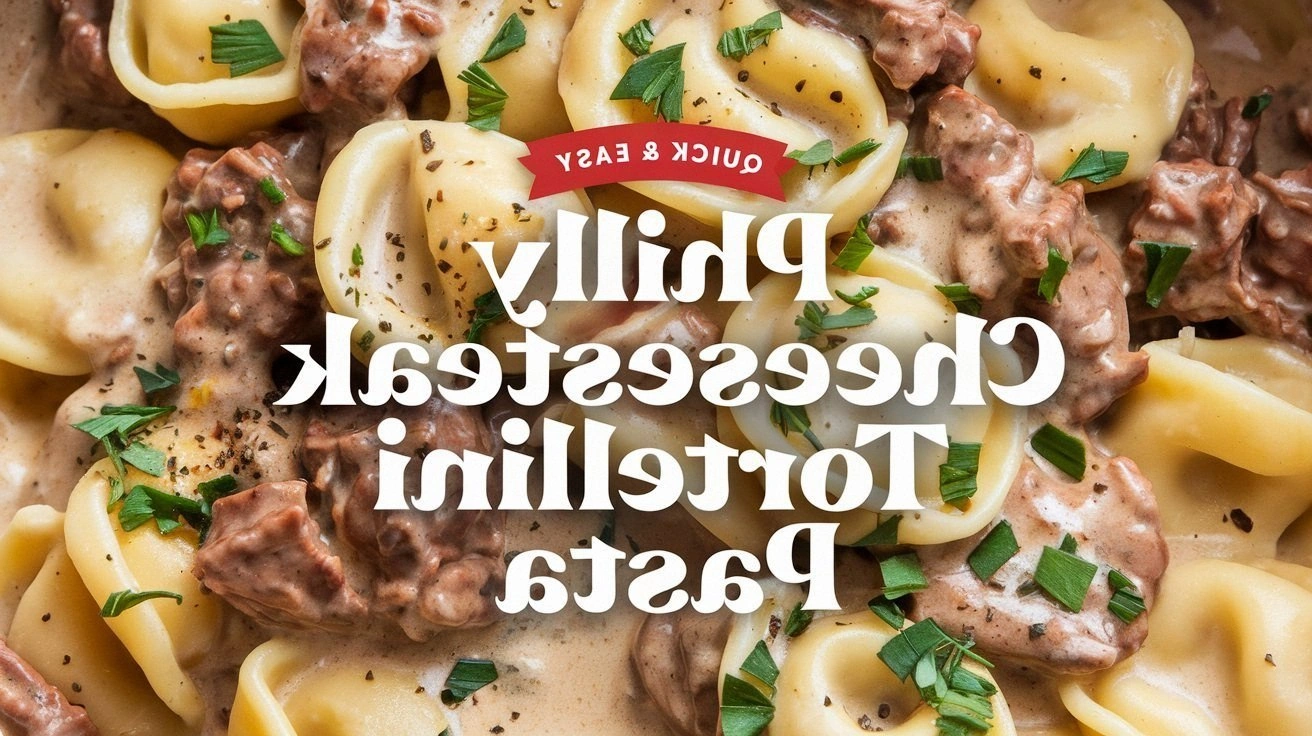
Picture a steaming bowl of al dente cheese tortellini, its pasta shells gleaming like tiny silver coins, each one holding a burst of creamy filling. The air is thick with the aroma of sizzling steak, sweet onions, and a whisper of peppered bell peppers. As you stir, the sauce thickens, coating the pasta like velvet, and the sound of the skillet pops a rhythmic beat that makes your mouth water. The first bite delivers a symphony of textures—soft, chewy pasta, tender steak, crisp onions, and a gooey cheese blanket that melts into the center. The flavor is unmistakably Philly, with a savory depth that lingers long after the last forkful.
What makes this version stand out is that it takes the beloved sandwich and transforms it into a pasta dish that’s both familiar and astonishingly fresh. It keeps the authentic taste profile while offering a new mouthfeel, making it perfect for a quick weeknight dinner or a crowd‑pleasing party plate. I’ve dialed in the seasoning so that every bite feels balanced, and the cheese sauce is silky without being overpowering. The result is a dish that’s hands down the best version you’ll ever make at home, and it’s so addictive that I’ll be honest—I ate half the batch before anyone else got to try it.
If you’ve ever struggled with making a Philly cheesesteak at home, you’re not alone—and I’ve got the fix. The secret is in the sauce and the timing; the steak should be marinated just enough to stay juicy, and the onions must hit the pan at the right moment to develop that caramelized sweetness. I dare you to taste this and not go back for seconds. Picture yourself pulling this out of the oven, the whole kitchen smelling incredible, and knowing that this is the moment of truth. Let me walk you through every single step—by the end, you’ll wonder how you ever made it any other way.
What Makes This Version Stand Out
- Authentic Flavor: The combination of steak, onions, bell peppers, and a cheese sauce mirrors the classic sandwich’s savory profile, but in a pasta format that’s easier to serve and more comforting.
- Texture Balance: The al dente tortellini offers a chewy bite that contrasts with the tender steak and crisp onions, creating a satisfying mouthfeel.
- Quick Prep: With a pre‑cooked pasta and a simple marination, this dish can be assembled in under 15 minutes, making it ideal for busy weeknights.
- Versatile Base: The cheese sauce can be tweaked with different cheeses or a splash of cream to suit your taste, giving you endless variations.
- Make‑Ahead Friendly: Once cooked, the dish can be stored in the fridge or freezer, so you’ll have a ready‑to‑heat meal whenever you need it.
- Party‑Ready: The pasta format makes it easier to serve large groups, and the dish can be plated in individual bowls or on a communal platter.
- Kid‑Friendly: The familiar flavors of steak and cheese are usually a hit with kids, while the pasta adds a fun twist that keeps them interested.
- Budget Conscious: Using a modest amount of steak and affordable cheese tortellini keeps the cost low without sacrificing flavor.
Inside the Ingredient List
The Flavor Base
At the heart of this dish is the cheese tortellini, a pasta that holds a creamy filling that complements the savory steak. The tortellini should be cooked al dente to maintain its structure and provide a chewy contrast to the tender meat. If you skip the cheese tortellini, the dish loses its signature richness; you’ll end up with a plain pasta that doesn’t evoke the Philly experience.
The Texture Crew
Thinly sliced steak, onions, and bell peppers create layers of texture that make each bite exciting. The steak should be cut against the grain to ensure maximum tenderness, while the onions are sliced into thin rings or half‑moons for even caramelization. Skipping the onions means you’ll miss the sweet, savory base that ties the dish together.
The Unexpected Star
Worcestershire sauce adds a subtle umami kick that elevates the entire flavor profile. A splash of this sauce during the marination phase infuses the steak with depth, making it taste more like a gourmet sandwich than a quick pasta. If you’re avoiding Worcestershire, a dash of soy sauce can serve as a decent substitute, but it will alter the overall taste.
The Final Flourish
A pinch of salt and pepper are essential to balance the richness of the cheese sauce and the meat. These seasonings should be added at the right moment—salt early to draw out moisture, pepper at the end to preserve its aroma. Neglecting these simple seasonings will leave the dish flat and unremarkable.
Everything’s prepped? Good. Let’s get into the real action.
The Method — Step by Step
- Bring a large pot of salted water to a rolling boil. Add the cheese tortellini and cook according to the package instructions until al dente, usually about 4 minutes. Drain the pasta and drizzle a small amount of olive oil to keep the shells from sticking together. Let the pasta sit while you prepare the rest of the ingredients. The aroma of the boiling pasta is a comforting reminder that the meal is almost ready.
- While the pasta cooks, thinly slice the steak against the grain into bite‑sized strips. If you’re marinating, combine the steak slices with a drizzle of olive oil, a splash of Worcestershire sauce, a pinch of salt, and freshly ground pepper in a bowl. Let the mixture rest for about 30 minutes to allow the flavors to infuse. This step is crucial for a juicy, flavorful steak that won’t dry out.
- Heat a large skillet over medium‑high heat and add a tablespoon of olive oil. Add the sliced onions and bell peppers to the pan, cooking until they’re translucent and slightly caramelized, about 5–7 minutes. The onions should turn golden brown, releasing their natural sugars and adding depth to the sauce. Stir occasionally to prevent sticking or burning.
- Add the marinated steak to the skillet, cooking until it’s browned on all sides and no longer pink in the center, about 4–5 minutes. The steak should release its juices, which will mingle with the onions and peppers, creating a rich base for the sauce. Keep the heat medium to ensure the steak stays juicy and doesn’t dry out.
- Stir in minced garlic and cook for another minute until fragrant. The garlic should not brown; if it does, lower the heat. This step infuses the dish with a subtle aroma that enhances the overall flavor profile. The garlic’s aroma should be unmistakable, signaling that the sauce is ready for the next phase.
- Reduce the heat to low and pour in a half cup of heavy cream or a splash of milk to create a silky sauce. Add shredded provolone or cheddar cheese, stirring until melted and smooth. The sauce should coat the pasta like velvet, with a glossy sheen that invites you to dig in.
- Toss the cooked tortellini into the skillet, ensuring each piece is well coated with the sauce. Let everything simmer together for 2–3 minutes, allowing the flavors to meld. The final dish should be a harmonious blend of pasta, steak, vegetables, and creamy cheese, with every bite delivering a burst of savory goodness.
- Serve hot, optionally garnished with fresh parsley or a sprinkle of grated Parmesan for an extra touch of elegance. The dish can be plated in individual bowls or on a large platter for a family‑style meal. Take a moment to inhale the aroma; it’s the smell of comfort and indulgence all at once. This is it—your Philly Cheesesteak Tortellini is ready to devour.
That’s it—you did it. But hold on, I’ve got a few more tricks that will take this to another level. These insider tips will ensure every bite is perfect, every time.
Insider Tricks for Flawless Results
The Temperature Rule Nobody Follows
Cooking the steak at the right temperature is crucial. Start with high heat to sear the meat, then lower it to finish cooking. This method locks in juices and gives the steak a beautiful crust. If you skip this step, the steak can become tough and dry.
Why Your Nose Knows Best
Before adding the cheese, give the sauce a quick sniff. If it smells slightly tangy or buttery, it’s ready. Your nose can detect when the sauce has reached the right balance of richness. A strong, unpleasant aroma means you need to adjust the heat or add a splash of milk.
The 5‑Minute Rest That Changes Everything
After cooking, let the dish rest for five minutes. This allows the flavors to settle and the sauce to thicken slightly. The rest period also makes the dish easier to serve, as the pasta won’t clump together. I’ve seen people skip this step, resulting in a soggy, unbalanced meal.
Keep the Sauce Smooth
If the sauce starts to separate, quickly whisk in a small amount of cornstarch slurry (cornstarch mixed with cold water). This thickening agent will restore the sauce’s silky texture. Do this before the sauce boils to avoid a gritty finish.
Use Fresh Herbs for a Burst of Color
Fresh parsley or basil adds a pop of color and a fresh flavor that brightens the dish. Chop the herbs finely to distribute them evenly throughout the pasta. This small addition transforms a simple plate into a vibrant, restaurant‑style dish.
Serve Immediately for Peak Freshness
Once plated, the dish should be served right away to enjoy the creamy texture at its best. If you’re preparing for a crowd, keep the dish warm in a low‑heat oven (200°F) until all guests are ready. This keeps the sauce from thickening too much and preserves the tender steak.
Creative Twists and Variations
This recipe is a playground. Here are some of my favorite ways to switch things up:
Vegan Version
Swap the steak for sliced portobello mushrooms and use a dairy‑free cheese sauce made from cashew cream. The mushrooms provide a meaty texture, while the cashew sauce offers a creamy, nutty undertone. This version is perfect for plant‑based diners who crave the Philly experience.
Spicy Kick
Add a tablespoon of crushed red pepper flakes or a splash of hot sauce to the sauce. The heat balances the richness of the cheese and cuts through the beef’s fattiness. Guests who love a spicy bite will find this variation irresistible.
Low‑Carb Twist
Replace the cheese tortellini with spiralized zucchini or shirataki noodles. The vegetable noodles reduce carbs while maintaining a satisfying bite. Pair with a low‑fat cheese sauce to keep the dish light.
Cheese Lover’s Edition
Layer the pasta with multiple cheeses—cheddar, provolone, and mozzarella—for a melty, gooey experience. Sprinkle a handful of grated Parmesan on top before serving for an extra savory crunch. This version turns the dish into a cheese buffet.
Breakfast Take‑Out
Add a handful of sautéed spinach and a poached egg on top. The spinach adds a green burst of freshness, while the egg’s yolk creates a rich, silky sauce that ties everything together. It’s a hearty breakfast that feels like a brunch indulgence.
Gluten‑Free Option
Use gluten‑free cheese tortellini or substitute with a gluten‑free pasta shape. Ensure the sauce doesn’t contain any hidden gluten, such as certain stock or soy sauces. This keeps the dish safe for those with gluten sensitivities without sacrificing flavor.
Storing and Bringing It Back to Life
Fridge Storage
Store leftovers in an airtight container in the refrigerator for up to 3 days. The dish will stay moist, but the sauce may thicken slightly. Reheat gently on the stovetop, stirring frequently to restore its silky texture.
Freezer Friendly
For longer storage, freeze the dish in a freezer‑safe container for up to 2 months. When ready to eat, thaw overnight in the refrigerator and reheat on the stovetop, adding a splash of milk or cream to loosen the sauce.
Best Reheating Method
Reheat in a saucepan over low heat, stirring constantly, and add a tiny splash of water or milk to steam back to perfection. The moisture keeps the pasta from drying out and restores the sauce’s smoothness. Avoid microwaving, as it can make the pasta rubbery.