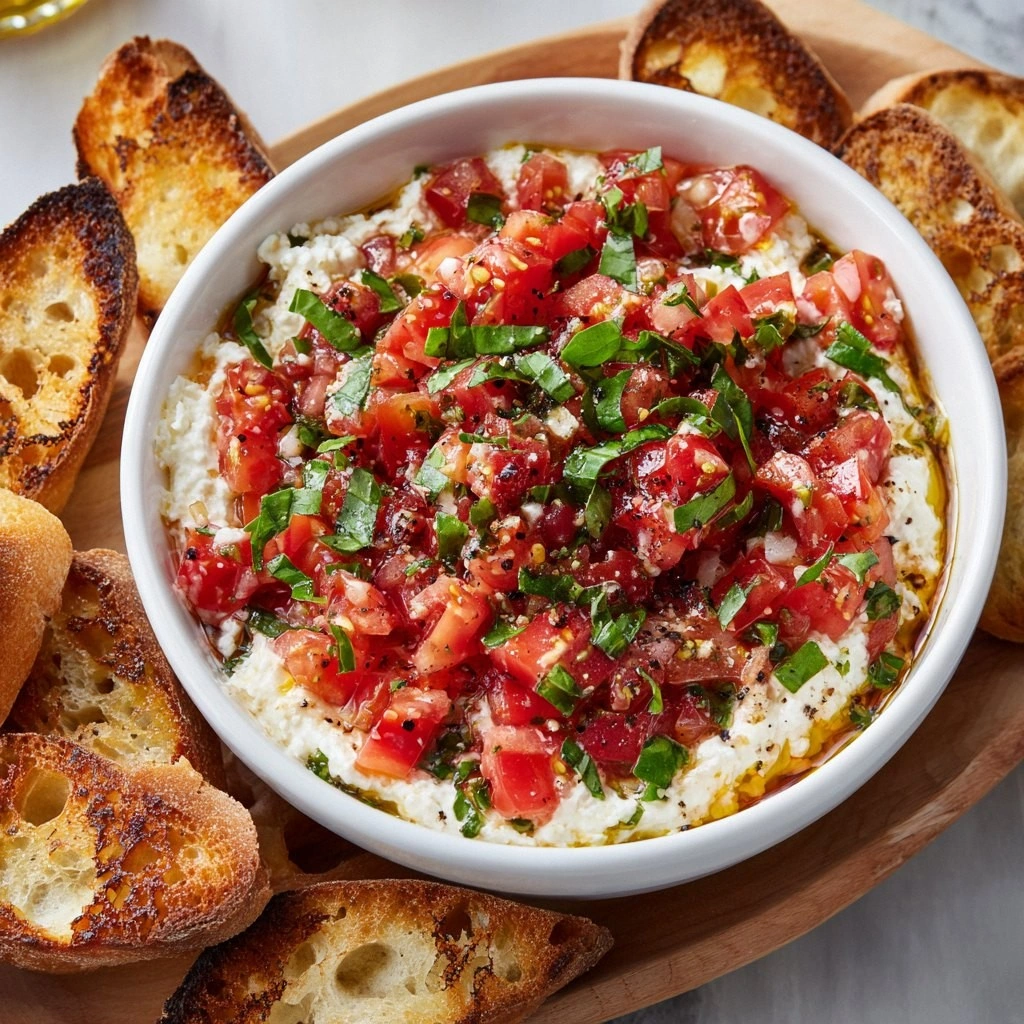
I was halfway through a week‑night dinner, juggling a burnt risotto, a runaway oven, and a sudden craving for something Italian when I realized I had no idea how to turn a simple chicken breast into a showstopper. I grabbed the nearest jar of basil pesto, a handful of fresh tomatoes, and a block of mozzarella that had been sitting in the fridge for days. The kitchen smelled like a Mediterranean summer, and the sizzle of the skillet sounded like applause. I laughed at my own culinary misfortune, but the fire in my belly told me this was the moment to experiment. I dared myself to create a dish that would make the entire household beg for seconds, and I lived up to that challenge. The result? A pesto bruschetta chicken that feels like a low‑carb, high‑flavor triumph in every bite.
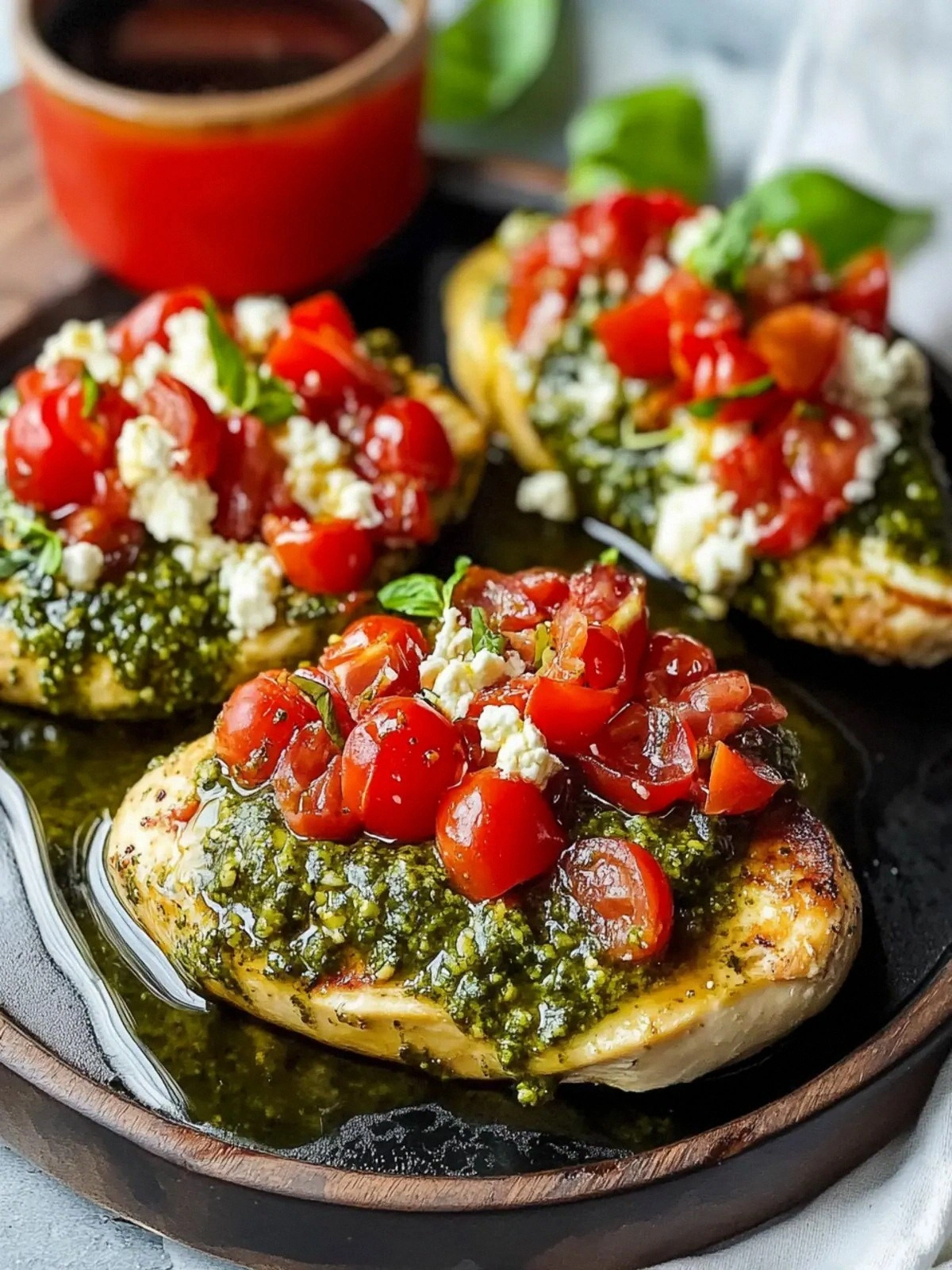
Picture the golden crust of the chicken, the glossy sheen of basil pesto, and the bright pop of diced tomatoes that dance like fireflies on the plate. The aroma is a heady mix of garlic, basil, and a hint of citrus that drips into the air with every turn of the pan. The first bite is a symphony: the chicken is juicy and tender, the mozzarella melts into silky ribbons, and the pesto coats the surface like velvet, leaving a lingering peppery warmth. The crunch of the tomato adds a delightful contrast, and the lemon zest gives a bright, almost citrusy finish that cuts through the richness. It’s a dish that feels indulgent yet surprisingly light, making it perfect for any occasion. If you’re a skeptic, I dare you to taste this and not go back for seconds.
What sets this version apart from the countless variations you’ve seen on Pinterest or in the grocery store is the balance of textures and the subtle layering of flavors. I replaced the traditional tomato sauce with a fresh, bright tomato mixture that keeps the dish airy and not heavy. The mozzarella slices are thin enough to melt into the pesto without overpowering it, and the balsamic glaze adds a sweet‑acidity counterpoint that keeps the palate engaged. The lemon not only brightens the flavor but also prevents the chicken from drying out. Every element is chosen to work in harmony, creating a dish that feels like a well‑orchestrated Italian concert. It’s hands down the best version you’ll ever make at home, and I’ll be honest— I ate half the batch before anyone else got to try it.
Most recipes get this completely wrong. They either over‑cook the chicken, under‑season the pesto, or forget that a splash of lemon juice can transform the entire dish. Here’s what you’re going to do: you’ll sear the chicken to lock in juices, fold in a tomato‑pesto sauce that’s vibrant and fresh, and finish with a molten mozzarella topping that melts into the sauce like a secret. Picture yourself pulling this out of the oven, the whole kitchen smelling incredible, and the guests’ eyes widening at the presentation. Stay with me here— this is worth it.
What Makes This Version Stand Out
- Flavor Fusion: The combination of basil pesto, fresh tomatoes, and a splash of lemon creates a flavor profile that’s both bold and balanced. Each bite delivers a burst of herbaceous sweetness followed by a subtle citrus lift.
- Texture Harmony: The chicken stays juicy and tender, the mozzarella melts into silky ribbons, and the tomatoes provide a satisfying crunch. The result is a mouthfeel that feels indulgent yet light.
- Low‑Carb, High‑Protein: This dish keeps carbs low while packing a protein punch from the chicken and mozzarella, making it ideal for a healthy dinner without sacrificing flavor.
- Time‑Efficient: The entire process takes under 45 minutes from prep to plate, making it a perfect week‑night crowd‑pleaser that doesn’t compromise on taste.
- Make‑Ahead Friendly: The components can be assembled a few hours ahead and baked right before serving, which is a lifesaver on busy evenings.
- Visual Appeal: The golden crust of the chicken, the glossy pesto glaze, and the vibrant red tomatoes together create a plate that looks as good as it tastes.
Alright, let's break down exactly what goes into this masterpiece. The next section will walk you through every ingredient, why it matters, and some clever swaps that keep the dish fresh and exciting.
Inside the Ingredient List
The Flavor Base
The heart of this dish is the basil pesto, a silky sauce that carries the herbaceous aroma of fresh basil, garlic, and pine nuts. The pesto not only adds flavor but also acts as a binder that keeps the chicken moist during baking. If you skip it, the chicken will become dry and the dish will feel flat. A high‑quality store‑bought pesto works, but a homemade version with fresh basil, garlic, and olive oil will elevate the taste to restaurant level. When shopping, look for a pesto that’s bright green and free of added sugar.
The Texture Crew
Thin slices of Galbani fresh mozzarella are the star that melts into the pesto sauce, creating silky ribbons that cling to the chicken. The mozzarella’s mild flavor balances the boldness of the pesto and the acidity of the tomatoes. If you prefer a stronger cheese, swap for a sharper provolone or a smoked mozzarella for a subtle smokiness. The key is to use a fresh cheese that melts easily, otherwise you risk a rubbery finish. Fresh mozzarella is also a great source of calcium and protein, making it a healthy choice.
The Unexpected Star
The diced tomatoes add a bright, juicy burst that cuts through the richness of the cheese and pesto. They’re cooked briefly to soften but still retain a slight bite, which adds a layer of complexity. If you’re in a pinch, canned diced tomatoes can work, but fresh tomatoes will give you that vibrant, garden‑fresh flavor. The tomatoes also provide a natural sweetness that balances the lemon’s acidity. They’re the secret that turns this dish from good to unforgettable.
The Final Flourish
A splash of lemon juice, a drizzle of balsamic glaze, and a pinch of red pepper flakes are the finishing touches that elevate the dish. Lemon brightens the sauce, balsamic glaze adds a sweet‑acidic depth, and red pepper flakes give a subtle heat that wakes up the palate. If you’re not a fan of heat, reduce the flakes to a quarter teaspoon or omit them entirely. These finishing touches are the small details that make the dish feel polished and gourmet. Don’t skip them; they’re the secret sauce of this recipe.
Everything’s prepped? Good. Let’s get into the real action. The method is simple, but the timing and technique will make or break the dish. Follow along closely, and you’ll be serving a restaurant‑style meal in no time.
The Method — Step by Step
- Preheat your oven to 400°F (200°C). The oven should be hot enough to create a quick sear on the chicken, locking in juices and creating a golden crust. A preheated oven also ensures even cooking. Feel the heat, and let it work its magic.
- Pat the chicken breasts dry with paper towels. This step is crucial for a perfect sear; moisture on the surface will steam instead of caramelize. Season both sides with garlic powder, Italian seasoning, salt, and black pepper. Let the flavors mingle for a minute.
- Heat 1 tablespoon of olive oil in an oven‑safe skillet over medium‑high heat. When the oil shimmers, place the chicken in the pan. Sear for 3–4 minutes on each side until a deep golden crust forms. The sizzle is the soundtrack of a good sear.
- Transfer the seared chicken to a plate and set aside. In the same skillet, add the extra virgin olive oil and sauté the diced tomatoes, minced garlic, basil leaves, and red pepper flakes for 2–3 minutes until the tomatoes soften but still hold their shape. The aroma is going to be irresistible.
- Stir in the basil pesto, balsamic glaze, and a squeeze of fresh lemon juice. Cook for an additional 2 minutes, allowing the sauce to thicken slightly and the flavors to meld. The sauce should coat the back of a spoon.
- Return the chicken to the skillet, nestling it into the sauce. Place a slice of mozzarella on each breast, letting it melt into the pesto. Slide the skillet into the preheated oven and bake for 10–12 minutes, or until the cheese is bubbly and the chicken reaches an internal temperature of 165°F (74°C).
- While the chicken bakes, whisk the zest of the lemon into the remaining lemon juice to create a bright, citrusy finish. This step adds a fresh lift that cuts through the richness of the cheese and pesto. Keep the mixture ready for a final drizzle.
- Once the chicken is done, remove the skillet from the oven and let it rest for 5 minutes. Resting allows the juices to redistribute, ensuring every bite is moist. It also lets the flavors settle into a harmonious blend.
- Drizzle the prepared lemon zest mixture over the chicken, then add a final drizzle of balsamic glaze for a glossy finish. The glaze caramelizes slightly, giving a sweet‑acidic sheen that looks stunning on the plate.
- Plate the chicken, garnish with fresh basil leaves, and serve hot. The dish should be steaming, with a glossy pesto coating and a golden crust that crackles with each bite. The aroma will fill your kitchen with the scent of Italy.
- Optional: sprinkle a pinch of crushed red pepper for an extra kick of heat. This small addition can transform the dish into a spicy‑savory delight. Feel free to adjust the heat to your preference.
That's it — you did it. But hold on, I've got a few more tricks that'll take this to another level. Keep reading, and you'll discover how to elevate every bite and make the dish even more unforgettable.
Insider Tricks for Flawless Results
The Temperature Rule Nobody Follows
Many cooks bake at a standard 375°F, but raising the temperature to 400°F gives the chicken a crispier crust and a quicker cooking time. The higher heat also helps the mozzarella melt evenly without drying out the chicken. I always preheat the skillet for a few minutes before adding the chicken to ensure an instant sear. The result is a golden exterior that’s both crunchy and flavorful. If you’re using a convection oven, reduce the temperature by 25°F to avoid over‑browning.
Why Your Nose Knows Best
The aroma of the basil pesto and tomatoes is a reliable indicator of doneness. When the sauce starts to bubble and the cheese is bubbly, the chicken is ready. Trust your nose; it’s a seasoned judge that can tell you when the dish has reached its peak flavor. If you’re unsure, use a meat thermometer to confirm 165°F. This simple check guarantees a juicy, safe result.
The 5-Minute Rest That Changes Everything
Letting the chicken rest after baking allows the juices to redistribute, preventing them from spilling out when you cut into the meat. A short rest also lets the flavors meld, making each bite richer. I always let it sit on a cutting board with a paper towel to absorb excess oil. Skipping this step often results in a dry, less flavorful experience. Trust me, a few minutes of rest pays off big time.
The Sauce-to-Sauce Ratio
The ratio of pesto to tomato is crucial. Too much pesto can overpower the delicate tomato flavor, while too little can leave the sauce thin. Aim for a 1:1 ratio by volume to keep the flavors balanced. If you’re using a thicker pesto, reduce the tomato amount slightly to maintain the right consistency. This trick keeps the sauce silky without being cloying.
The Quick Slice Technique
Slice the chicken breasts into even pieces before seasoning to ensure uniform cooking. A knife with a smooth edge makes slicing easier and cleaner. This technique also helps the seasoning adhere better. A uniform slice also means the chicken cooks evenly, preventing one side from being overcooked. A small step that saves a lot of hassle.
The Finish with Fresh Herbs
Adding fresh basil at the very end adds a burst of color and flavor that elevates the dish. The herbs release their essential oils when they’re freshly torn, giving a bright, aromatic finish. Toss a handful of torn basil leaves into the sauce right before serving. The result is a dish that looks as good as it tastes. It’s a simple touch that makes a big difference.
Creative Twists and Variations
This recipe is a playground. Here are some of my favorite ways to switch things up:
Mediterranean Twist
Swap the mozzarella for crumbled feta for a tangy, briny flavor. The feta pairs beautifully with the basil pesto and tomatoes, creating a Mediterranean vibe. Keep the rest of the ingredients the same, and you’ll have a dish that’s both light and satisfying. Perfect for a summer dinner.
Spicy Kick
Add chipotle pepper or a splash of harissa to the tomato mixture for a smoky heat. The heat complements the lemon’s brightness and the pesto’s earthiness. Reduce the red pepper flakes to keep the dish from becoming too fiery. This version is great for those who love a little spice.
Sweet Heat
Drizzle a tablespoon of honey over the chicken before baking for a subtle sweet glaze. The honey caramelizes slightly, adding depth and a caramelized crust. Pair it with a pinch of smoked paprika for an extra layer of flavor. The sweet‑heat combo is addictive.
Smoky Flavor
Sprinkle smoked paprika into the tomato sauce for a smoky undertone that pairs with the basil pesto. The paprika adds a depth of flavor that mimics a grill finish. Keep the mozzarella slices to maintain that creamy texture. This variation works well for a cozy, autumnal dinner.
Vegan Version
Replace the chicken with grilled portobello mushrooms and use a plant‑based mozzarella. The mushrooms absorb the pesto and lemon flavors wonderfully, creating a hearty, meat‑free option. Adjust the cooking time slightly to avoid overcooking the mushrooms. This version is both vegan and low‑carb.
Breakfast Edition
Serve the chicken with a sunny‑side‑up egg on top for a protein‑packed breakfast. The runny yolk adds richness and pairs beautifully with the pesto. Add a sprinkle of chives for a fresh finish. This dish turns a dinner favorite into a brunch sensation.
Storing and Bringing It Back to Life
Fridge Storage
Store the cooked chicken in an airtight container for up to 3 days. Keep the sauce separate if possible, as it can separate over time. When ready to serve, reheat in a skillet with a splash of olive oil until warmed through. The chicken will stay juicy, and the sauce will regain its silky texture. Avoid microwaving, as it can dry out the cheese.
Freezer Friendly
Freeze the assembled dish in a freezer‑safe container for up to 2 months. Wrap tightly with plastic wrap and foil to prevent freezer burn. Thaw overnight in the fridge, then reheat in a skillet or oven at 350°F until hot. The flavors meld even better after freezing. This is a great option for meal prep.
Best Reheating Method
The best way to reheat is to use a skillet on low heat with a splash of water or broth. The liquid steams the chicken, keeping it moist, while the sauce stays silky. Finish with a quick drizzle of balsamic glaze to restore that glossy finish. This method preserves the texture and flavor better than a microwave.