
Picture yourself standing in a kitchen that feels less like a culinary arena and more like a stage, where the spotlight is on a single, unassuming chicken breast that has somehow survived a previous midnight snack experiment. I was halfway through a batch of overcooked chicken when I realized my pantry was screaming for a fresh, zesty lift. I grabbed a lemon, a handful of herbs, and a splash of olive oil, and suddenly the room smelled like a Mediterranean breeze. That moment was the spark that turned a culinary flop into a triumph, and I’ve been chasing that exact flavor profile ever since. I dare you to taste this and not go back for seconds, because the taste is so addictive it practically writes its own menu.
Now, before we dive into the nitty-gritty, let’s talk about why this version of Lemon Herb Chicken and Roasted is the holy grail of weeknight dinners. The secret sauce is a simple, high‑fat, low‑carb marinade that coats the chicken like velvet, sealing in juices while the herbs create a fragrant, aromatic crust that’s practically a work of art. The vegetables aren’t just side dishes; they’re a companion that balances the acidity of the lemon and the richness of the olive oil with their own caramelized sweetness. Most recipes get this completely wrong by over‑seasoning or under‑roasting, but we’re going to keep it clean and precise. I’ve spent hours tweaking the ratios, and the result is a dish that’s hands down the best version you’ll ever make at home.
I’m not just going to give you a list of ingredients; I’m going to give you the science behind every choice. I’ll show you how the lemon’s acidity reacts with the herbs to produce a flavor explosion, how the right amount of oil creates a crisp skin that shatters like thin ice, and why a quick sear before roasting is the game‑changer you’ve been missing. You’ll learn how to keep the chicken tender while the veggies develop that deep, caramelized color that makes people gasp. And I’ll drop a teaser about a technique that will elevate your dish from ordinary to unforgettable: a quick acid‑based glaze that locks in moisture and adds a glossy finish.
Let me walk you through every single step — by the end, you’ll wonder how you ever made it any other way. From the first squeeze of lemon to the final garnish, I’ll keep you side by side, sharing jokes, kitchen fails, and the exact sensory checkpoints you need to hit for perfection. So grab your apron, and let’s get cooking.
What Makes This Version Stand Out
- Flavor: The bright citrus of fresh lemon cuts through the richness of olive oil, creating a balanced, vibrant taste that’s both refreshing and comforting.
- Texture: The chicken achieves a golden, slightly crispy skin while remaining juicy inside, thanks to a quick sear followed by a short roast.
- Ease: With only a handful of pantry staples and a single mixing bowl, you can have dinner on the table in under an hour.
- Versatility: Swap chicken for shrimp, tofu, or even a plant‑based protein, and the same herb‑lemon magic applies.
- Crowd‑pleaser: The aroma alone will have guests lining up for seconds, and the taste will keep them coming back for more.
- Ingredient Quality: Fresh herbs and organic lemons make the difference between a good dish and a memorable one.
- Cooking Method: The two‑step process (marinate then roast) ensures maximum flavor absorption and texture contrast.
- Make‑Ahead Potential: Marinate the chicken a few hours in advance to deepen the flavor profile without sacrificing time.
Inside the Ingredient List
The Flavor Base
Fresh Lemon: The zest and juice are the stars of this dish, providing a bright acidity that balances the oil and herbs. If you’re out of lemons, a splash of white wine vinegar can mimic the tang, but the fresh citrus will always win. Remember, the zest carries the essential oils that give lemon its unmistakable aroma.
Olive Oil: A good extra‑virgin olive oil not only adds richness but also helps the herbs adhere to the chicken. If you’re watching calories, a light olive oil will still do the job, though you’ll lose some of that silky mouthfeel.
Garlic: Minced garlic infuses the oil with a punch of flavor that permeates the meat and veggies alike. To avoid a bitter bite, roast the garlic with the chicken; this caramelizes the sugars.
The Herb Crew
Rosemary, Thyme, Parsley: These herbs combine to create a savory, aromatic backbone that complements the lemon’s brightness. If you’re a herb newbie, start with dried versions but add them at the end of cooking to prevent bitterness. A pinch of oregano can add a subtle Mediterranean twist.
Salt & Pepper: Salt is the flavor enhancer that brings everything together; pepper adds a mild heat. Use sea salt for a cleaner taste, and freshly cracked pepper for maximum aroma.
The Texture Crew
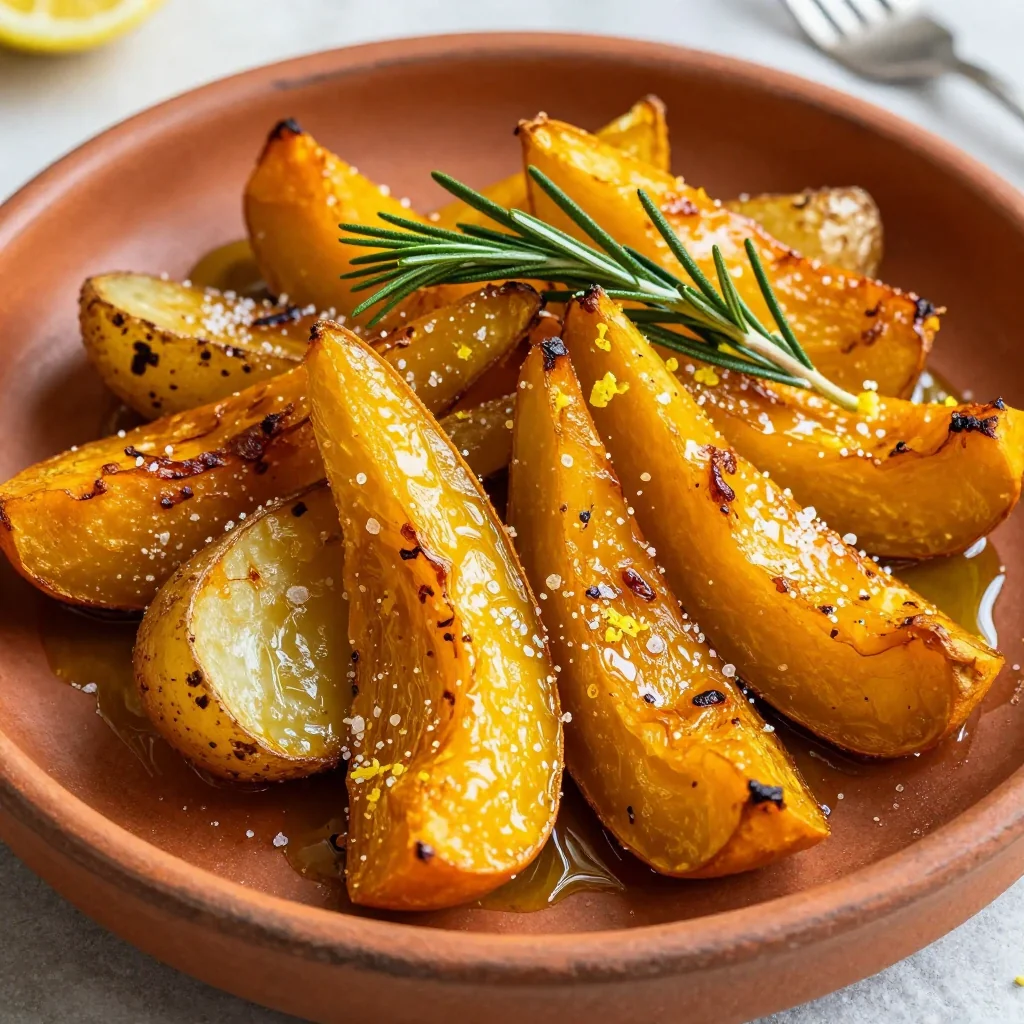
Vegetables: Baby carrots, cubed potatoes, sliced zucchini, bell pepper, onion, and cherry tomatoes all provide a spectrum of textures and flavors. The carrots and potatoes bring earthiness and chew, while the zucchini and bell pepper add a fresh bite. Cherry tomatoes burst with juice, cutting through the richness.
Cooking Technique: Toss the veggies in a bit of olive oil before roasting; this helps them caramelize without drying out. Arrange them in a single layer to ensure even cooking.
The Unexpected Star
Capers (Optional): A tablespoon of capers adds a briny punch that mirrors the lemon’s acidity. If you’re not a fan of capers, a splash of lemon juice works just as well. They’re a small addition that can elevate the dish from good to great.
Everything's prepped? Good. Let's get into the real action...
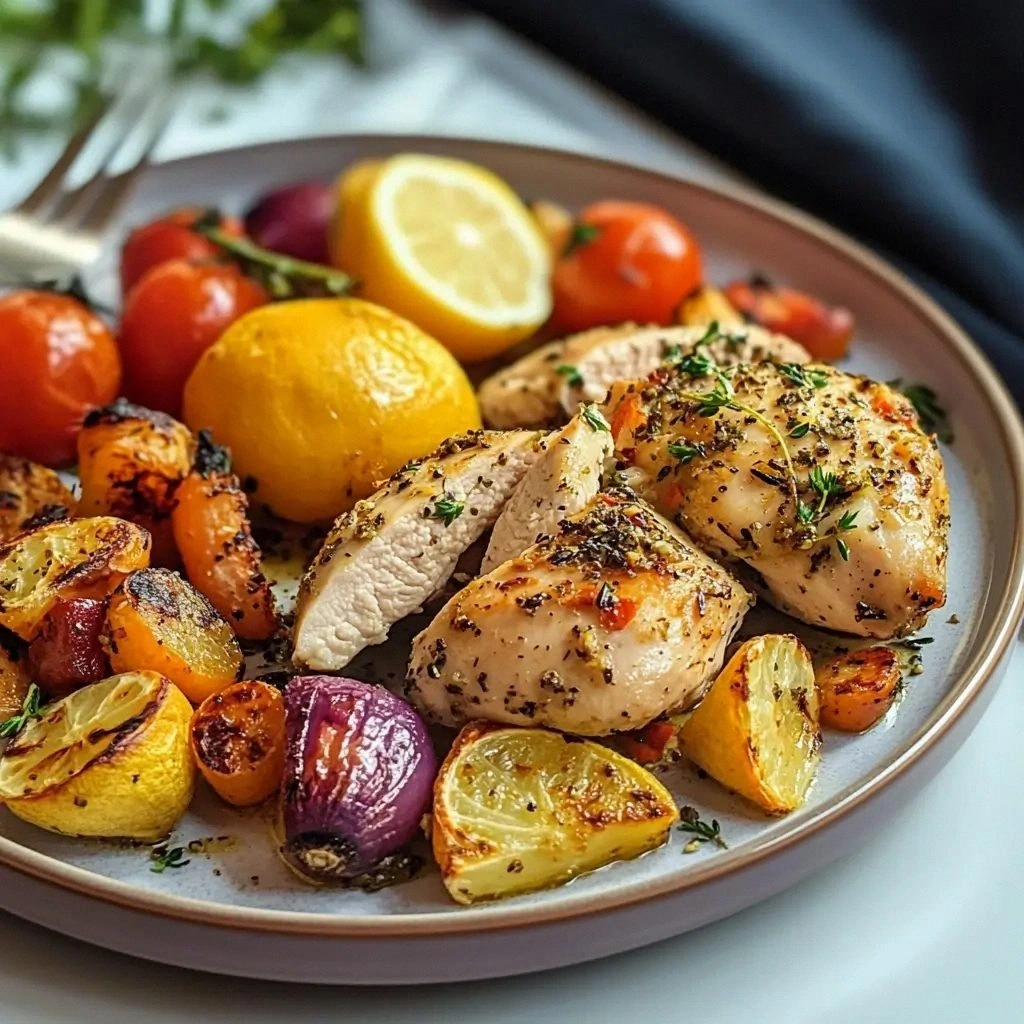
The Method — Step by Step
- Preheat your oven to 425°F (220°C). Line a large baking sheet with parchment paper or a silicone mat to prevent sticking. Arrange the chicken breasts in a single layer, leaving space between each piece so the heat can circulate evenly. This first step sets the stage for a perfectly crisp skin.
- While the oven heats, prepare the lemon‑herb mixture. In a small bowl, combine the zest and juice of two lemons, three tablespoons of olive oil, four minced garlic cloves, one tablespoon each of chopped rosemary, thyme, and parsley. Stir until the herbs are evenly distributed in the oil. This mixture will act as both a flavor booster and a natural glaze.
- Pat the chicken dry with paper towels to ensure the skin gets crisp. Rub the lemon‑herb mixture all over the chicken, making sure to get it into the crevices and under the skin where possible. Let the chicken marinate for at least 10 minutes, or up to two hours if you’re prepping ahead. The longer it sits, the more the flavors penetrate.
- In a separate bowl, toss the vegetables—carrots, potatoes, zucchini, bell pepper, onion, and cherry tomatoes—with a tablespoon of olive oil, a pinch of salt, and a dash of pepper. Spread them out on the baking sheet around the chicken, making sure they’re in a single layer. This arrangement ensures even roasting and caramelization.
- Slide the sheet into the oven and roast for 20 minutes. After 20 minutes, flip the chicken breasts and stir the vegetables to promote even browning. At this point, watch out: if your oven runs hot, the edges of the chicken may start pulling away. Keep a close eye on the color; you’re aiming for a golden, almost caramelized finish.
- After the total roasting time of 30 minutes, remove the sheet from the oven. Use a meat thermometer to check that the internal temperature of the chicken has reached 165°F (74°C). The vegetables should be tender yet still hold their shape, with a slightly caramelized edge.
- Let the chicken rest for five minutes on a cutting board. This step allows the juices to redistribute, ensuring each bite stays moist. While it rests, you can quickly plate the roasted vegetables and drizzle any remaining pan juices over them.
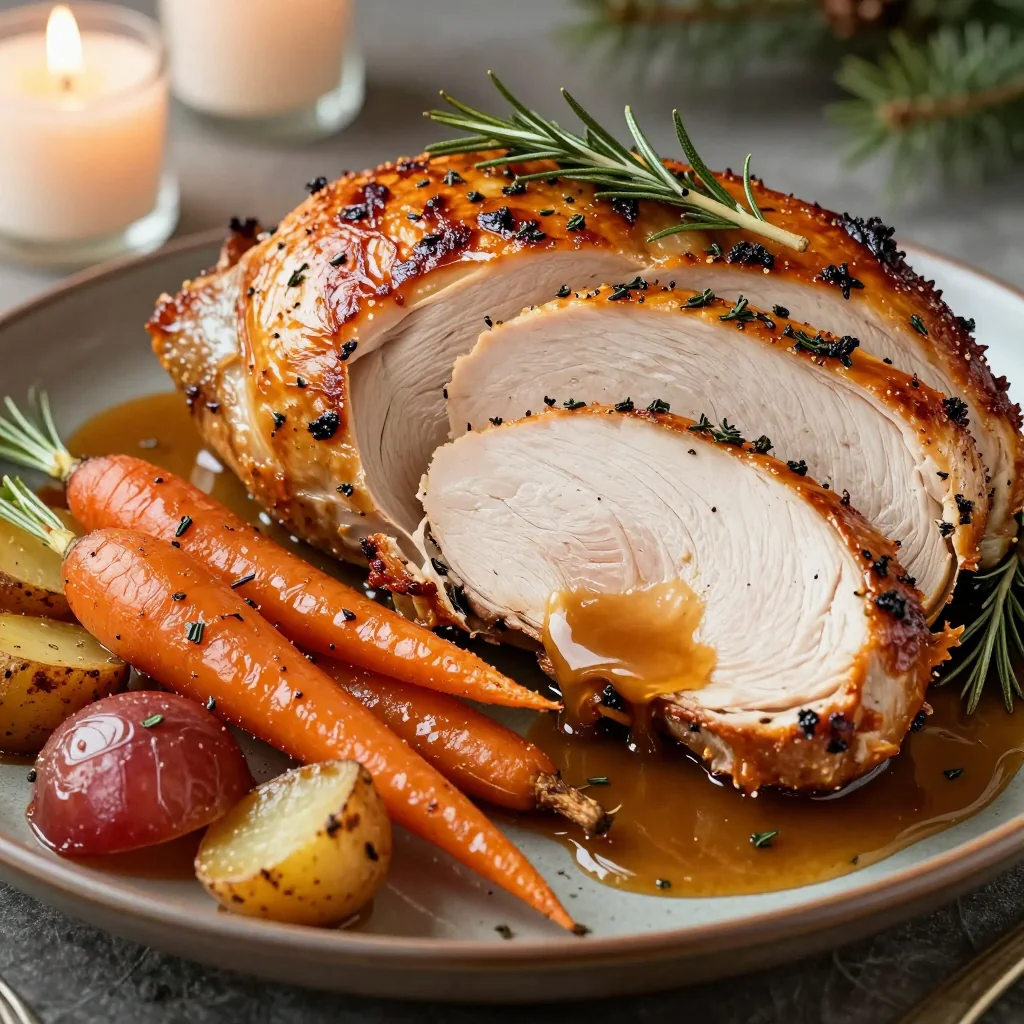
- Slice the chicken against the grain into even pieces. Plate the slices alongside the vegetables, garnish with fresh parsley, and serve immediately. The dish is best enjoyed hot, with the aroma still dancing in the air.
That's it — you did it. But hold on, I've got a few more tricks that'll take this to another level. Let’s dive into the insider tips that will make every bite a revelation.
Insider Tricks for Flawless Results
The Temperature Rule Nobody Follows
Many people think 425°F is the sweet spot, but the key is to start at 425°F for the first 20 minutes and then drop to 400°F for the remaining 10. This two‑phase approach prevents the chicken skin from burning while ensuring the interior cooks through. I once roasted a chicken at a steady 425°F and ended up with a dry center; the temperature tweak saved the day.
Why Your Nose Knows Best
The aroma of lemon and herbs is a reliable indicator of doneness. When the chicken starts to release a golden, slightly smoky scent, you’re in the final minutes of roasting. Trust your nose; it’s more accurate than a timer for many home cooks.
The 5‑Minute Rest That Changes Everything
Resting the chicken after it comes out of the oven allows the juices to redistribute, preventing a dry bite. A quick 5‑minute rest is enough to lock in moisture without letting the meat cool down. I’ve seen people skip this step and end up with a sad, dry chicken; don’t be that person.
Use a Wire Rack for Even Cooking
Place the chicken and vegetables on a wire rack set over a baking sheet. The air circulates around the food, promoting even browning and preventing soggy bottoms. If you don’t have a rack, simply make sure the veggies are spread out and not piled on top of each other.
Add a Splash of Water at the End
If the vegetables seem a bit dry towards the end of roasting, add a splash of water or chicken broth and cover the sheet with foil for the last 5 minutes. This steams the veggies, keeping them tender and juicy while still allowing the edges to crisp.
The Final Glaze
Right before serving, drizzle a little extra lemon juice or a simple honey‑lemon glaze over the chicken. This gives a glossy finish and a burst of brightness that ties the dish together. I love a quick drizzle of balsamic reduction for a sweet‑savory contrast.
Creative Twists and Variations
This recipe is a playground. Here are some of my favorite ways to switch things up:
Mediterranean Twist
Swap the oregano for a handful of Kalamata olives and add a spoonful of feta cheese on top of the chicken before roasting. The salty olives and creamy feta complement the lemon’s brightness, creating a dish that feels like a seaside picnic.
Asian Flair
Replace the fresh herbs with a tablespoon of toasted sesame oil and a teaspoon of grated ginger. After roasting, drizzle a splash of soy sauce and sprinkle toasted sesame seeds. The umami notes give the dish a new dimension.
Spicy Kick
Add a pinch of red pepper flakes to the lemon‑herb mixture and finish the chicken with a squeeze of lime. The heat pairs wonderfully with the citrus, creating a bold, vibrant flavor profile.
Herb‑Infused Gravy
Reserve the pan juices, whisk in a tablespoon of flour to thicken, and add a splash of chicken broth. Simmer until the gravy is silky, then pour it over the sliced chicken and veggies. The gravy adds richness without overpowering the fresh flavors.
Gluten‑Free Variation
Use gluten‑free flour or cornstarch to lightly coat the chicken before roasting, giving it an extra crispy exterior. Pair with a side of quinoa or rice to keep the dish gluten‑free and still satisfying.
Vegetarian Version
Replace the chicken with thick slices of marinated portobello mushrooms. Roast them alongside the veggies, and the earthy mushroom flavor will soak up all the lemon‑herb goodness.
Storing and Bringing It Back to Life
Fridge Storage
Cool the leftovers to room temperature before placing them in an airtight container. Store in the refrigerator for up to 3 days. The chicken will stay moist, and the vegetables will maintain their texture.
Freezer Friendly
Pack the chicken and veggies separately in freezer‑safe bags. Freeze for up to 2 months. When ready to eat, thaw overnight in the refrigerator and reheat in the oven at 350°F (175°C) until heated through.
Best Reheating Method
Reheat in a skillet with a splash of olive oil, covering the pan with a lid for 5 minutes. Add a tiny splash of water or broth to keep the vegetables from drying out. This method restores the crispness of the chicken skin and keeps the veggies juicy.
Now that you’ve mastered the basics and have a toolbox of tricks, it’s time to let your creativity flow. Whether you’re serving this for a family dinner or impressing guests at a dinner party, the flavors are guaranteed to shine. The next time you’re in the kitchen, remember that a simple lemon and a handful of herbs can transform ordinary ingredients into culinary gold. Keep experimenting, keep sharing, and most importantly, keep enjoying every bite.