Love this? Pin it for later! 📌
Herb-Roasted Cornish Hens with Citrus & Root Vegetables
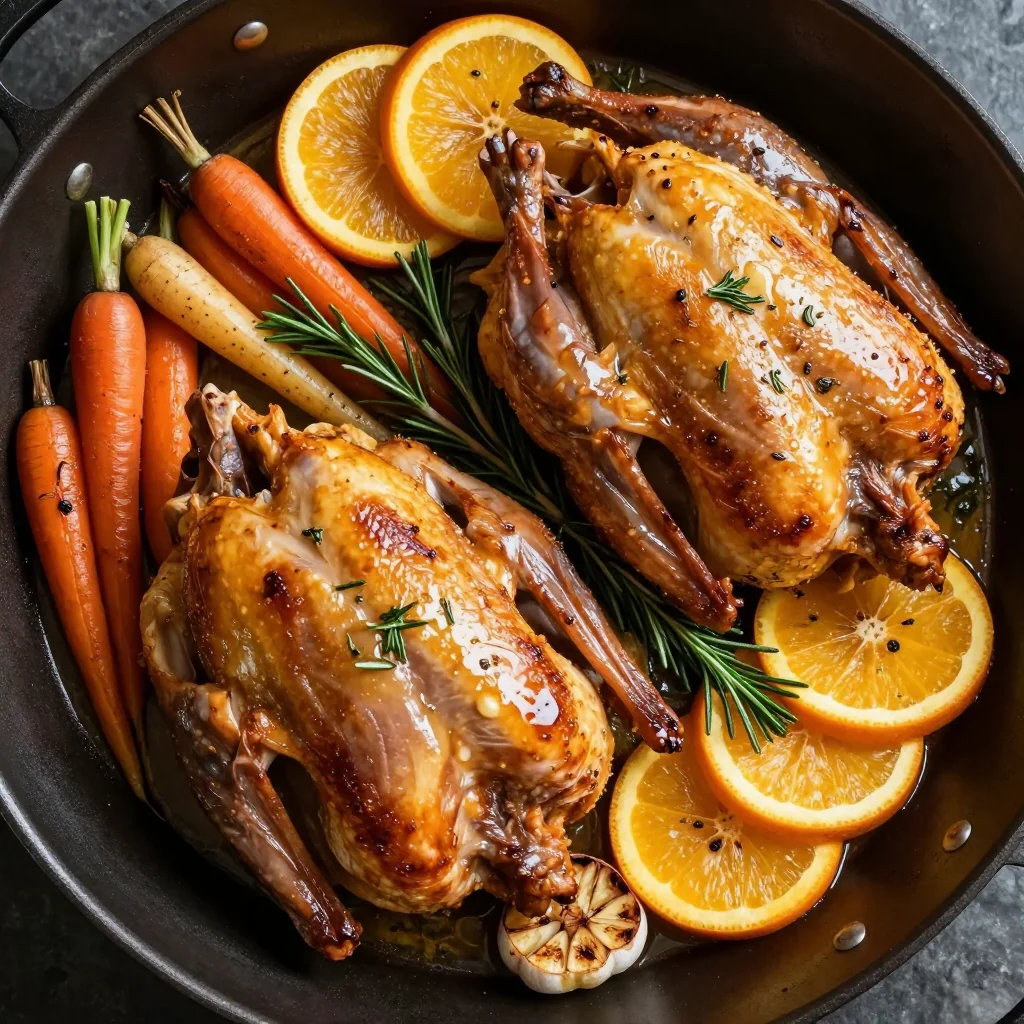
There’s something undeniably elegant about serving individual Cornish hens at the dinner table—each person receives their own perfectly golden, herb-perfumed bird, surrounded by caramelized citrus and tender root vegetables. The first time I made this recipe was for a cozy winter solstice dinner with close friends. I wanted a dish that felt celebratory yet comforting, sophisticated yet unfussy. The result was this show-stopping centerpiece that had everyone lingering at the table long after the plates were cleared.
Over the years, I’ve refined the technique—brining the hens for juiciness, slipping citrus slices under the skin for brightness, and roasting the vegetables underneath so they bathe in the savory juices. The aroma that fills the kitchen is absolutely intoxicating: rosemary, thyme, and sage mingling with orange zest and roasted garlic. Whether you’re hosting an intimate holiday gathering, planning a special date-night-in, or simply treating yourself to something extraordinary, this recipe delivers restaurant-quality results with minimal hands-on time.
Why This Recipe Works
- Brine for 4–6 hours: A simple salt-sugar brine seasons the meat right to the bone and guarantees succulent breast meat that never dries out.
- Citrus under the skin: Thin orange wheels tucked between skin and meat perfume the entire bird while keeping the surface taut for crackling skin.
- Sheet-pan harmony: Root vegetables roast underneath the hens, soaking up flavorful drippings and eliminating the need for a separate side dish.
- Two-temperature roast: Start at 450°F for golden browning, then drop to 375°F for gentle, even cooking.
- Herb-butter baste: A quick baste halfway through adds another layer of flavor and ensures photo-worthy lacquered skin.
- Make-ahead friendly: Brine the night before, chop vegetables in the morning, and simply roast when guests arrive.
Ingredients You'll Need
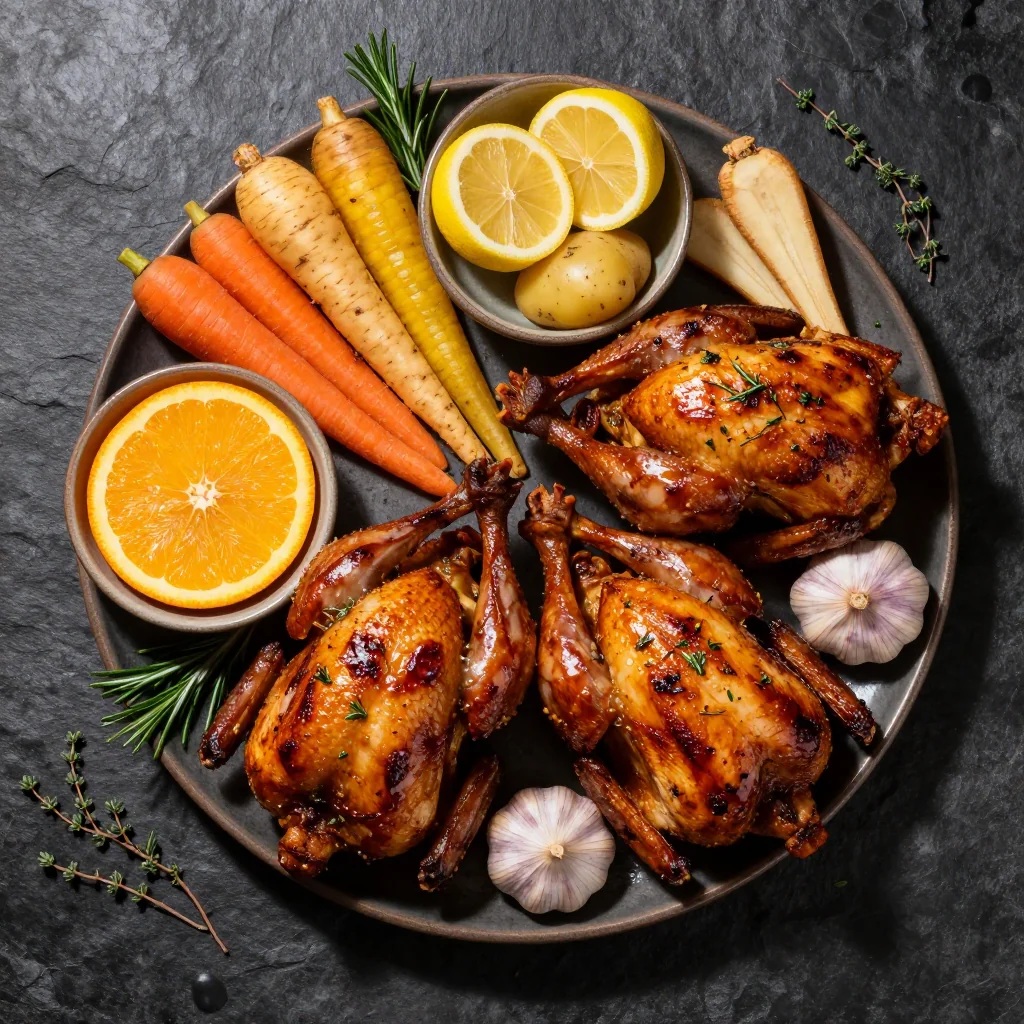
Great dishes begin with great ingredients. Because this recipe relies on just a handful of components, quality matters. Look for plump, fresh Cornish hens—about 1¼–1½ lb each—preferably air-chilled rather than water-chilled for better flavor and crisper skin. When selecting citrus, choose firm, heavy oranges and lemons with unblemished skins; unwaxed organic fruit is ideal if you plan to use the zest.
The root vegetables should feel rock-hard and show no soft spots. I like a colorful mix of rainbow carrots, candy-stripe beets, and creamy Yukon gold potatoes, but parsnips, turnips, or even wedges of fennel work beautifully. For herbs, fresh is non-negotiable—dried herbs will taste muddy after the long roast. If your garden is overflowing with rosemary and thyme, this is their moment to shine.
Finally, use a good European-style butter (higher fat, lower water) for basting; it browns more evenly and adds incomparable richness. If you keep only one specialty ingredient on hand, let it be Maldon salt for finishing—its delicate flakes accentuate the crispy skin like nothing else.
How to Make Herb-Roasted Cornish Hens with Citrus & Root Vegetables
Brine the hens
In a large bowl, dissolve ¼ cup kosher salt and 2 Tbsp brown sugar in 4 cups warm water. Add 2 cups ice to cool, then submerge the hens, cover, and refrigerate 4–6 hours (no longer or they’ll be salty). If your bowl feels crowded, use a brining bag set inside a stockpot. Turn once halfway through so every inch gets seasoned.
Prep the citrus & herb butter
While the birds bathe, zest 1 orange and 1 lemon into a small bowl. Add 4 Tbsp softened butter, 1 tsp minced garlic, 1 Tbsp each chopped rosemary, thyme, and sage, plus ½ tsp freshly ground black pepper. Mash with a fork until a vibrant paste forms; reserve. Slice the zested orange and lemon into thin wheels, removing any seeds.
Dry & truss
Remove hens from brine, rinse under cold water, and pat absolutely dry inside and out with paper towels—moisture is the enemy of crispy skin. Slip 2–3 citrus slices under the skin of each breast, smoothing the skin back into place. Truss legs with kitchen twine; this helps the birds cook evenly and keeps the cavity closed so steam doesn’t soften the skin.
Season & chill
Rub the exterior of each hen with the herb-butter, reserving 1 Tbsp for basting. Sprinkle a pinch of flaky salt over the skin. Arrange on a wire rack set over a rimmed baking sheet and refrigerate, uncovered, at least 1 hour (up to 12). The chill dries the skin further, promising maximum crunch later.
Prep the vegetables
Heat oven to 450°F. In a large bowl, toss 4 medium carrots (cut on the bias), 3 small Yukon gold potatoes (quartered), 2 peeled beets (wedges), and 1 red onion (petals) with 2 Tbsp olive oil, 1 tsp salt, and ½ tsp pepper. Spread in a single layer on a heavy-duty rimmed sheet pan; leave space in the center for the rack of hens.
Roast high, then low
Place the rack of hens over the vegetables. Roast 20 min at 450°F to jump-start browning. Reduce heat to 375°F, rotate pan, and continue roasting 35–40 min more, basting with reserved butter at the halfway mark. Hens are done when an instant-read thermometer inserted into the thickest part of the thigh registers 170°F.
Rest & finish vegetables
Transfer hens to a carving board, tent loosely with foil, and rest 10 min. Meanwhile, give the vegetables a stir; if they need more color, pop them back into the oven while the birds rest. Taste a carrot—it should be velvety inside and caramelized at the edges. Adjust salt and pepper as needed.
Serve & enjoy
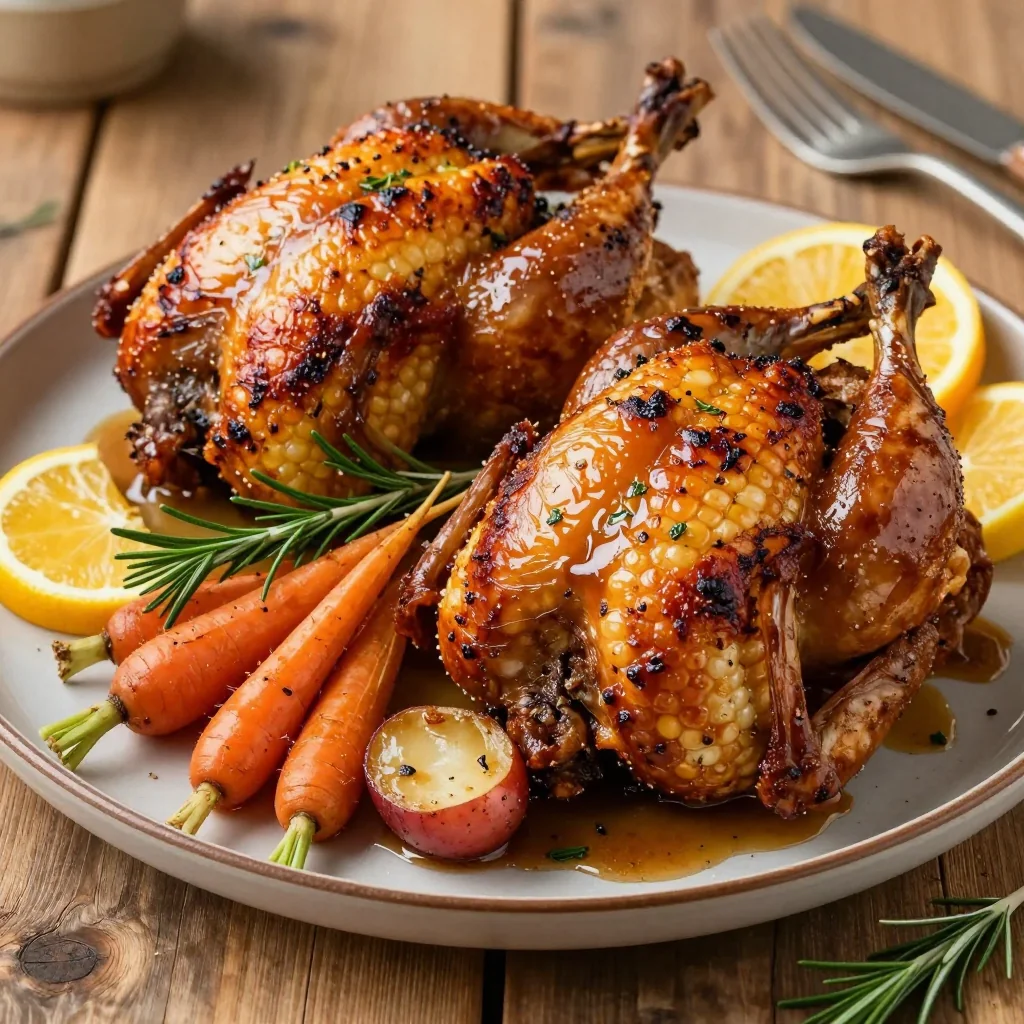
Snip the twine, plate each hen atop a bed of glossy vegetables, and spoon over any resting juices. Garnish with extra fresh herbs and a few shards of orange zest for color. Pour a glass of chilled Viognier or sparkling cider and bask in the compliments.
Expert Tips
Brine, don’t marinate
A wet brine seasons deeply without acidic toughness. Keep it cold—below 40°F—or ice packs in the bowl.
Two thermometers are better
An oven probe alerts you when temp drops; an instant-read checks final doneness without opening the door too often.
Airflow equals crispy skin
Don’t crowd the pan; use two if needed. Elevate the hens on a rack so hot air circulates all around.
Overnight chill bonus
After buttering, refrigerate uncovered overnight. The skin will be parchment-thin and crackle like crème brûlée when tapped.
Baste smart
Wait until the surface proteins have set (after 25 min) so the butter stays on the skin instead of sliding off.
Carve with kitchen shears
Snip along each side of the backbone, remove it, then cut the hen in half. Guests get both white and dark meat.
Variations to Try
- Mediterranean twist: Swap oranges for blood oranges, add olives to the vegetables, and finish with a sprinkle of feta.
- Smoky heat: Stir ½ tsp smoked paprika and a pinch of cayenne into the herb butter.
- Autumn version: Use maple sugar in the brine, add cubed butternut squash, and replace rosemary with fresh sage.
- One-pan chicken option: Substitute 3½-lb cut-up chicken; increase cook time to 45–50 min at 375°F.
- Keto friendly: Replace carrots and beets with radishes and turnips to slash carbs.
Storage Tips
Refrigerate: Remove meat from bones and store in an airtight container up to 4 days. Vegetables keep equally well. Reheat gently in a 300°F oven covered with foil; add a splash of chicken stock to prevent drying.
Freeze: Wrap portions tightly in foil, then slip into a freezer bag; freeze up to 3 months. Thaw overnight in the refrigerator before reheating.
Make-ahead: Brine and air-dry the hens up to 24 hours in advance. Chop vegetables (except beets if you hate pink potatoes) and refrigerate in zip-top bags. Mix herb butter the morning of; soften quickly in a microwave when ready to use.
Frequently Asked Questions
herbroasted cornish hens with citrus and root vegetables
Ingredients
Instructions
- Brine: Dissolve salt and sugar in 4 cups warm water with 2 cups ice. Submerge hens 4–6 hours in the refrigerator.
- Herb butter: Combine citrus zests, butter, garlic, chopped herbs, and pepper; reserve.
- Prep hens: Pat completely dry. Slide citrus slices under skin, truss legs, rub with herb butter, season with flaky salt. Refrigerate uncovered 1–12 hours.
- Vegetables: Toss chopped vegetables with olive oil, salt, and pepper; spread on rimmed sheet pan.
- Roast: Set rack over vegetables. Roast 20 min at 450°F, reduce to 375°F, baste with reserved butter, and cook 35–40 min more until thigh reads 170°F.
- Rest & serve: Rest hens 10 min. Stir vegetables, adjust seasoning, and serve alongside the golden birds.
Recipe Notes
For extra-crispy skin, broil hens 2 min at the end—watch closely! If beets bleed onto potatoes, roast them in a separate corner or on a second pan.