I was halfway through a marathon Netflix binge when my roommate shouted, “You’ve got to try my new chicken recipe, it’s got a kick!” I rolled my eyes, but the scent of garlic and sesame oil wafting from the kitchen was impossible to ignore. The moment I tasted the first bite, my taste buds threw a tiny party and then promptly demanded an encore. That was the moment I realized I had stumbled onto something that could dethrone every take‑out version of cashew chicken I’d ever known. I’m not exaggerating when I say this is the dish that will make you question why you ever settled for bland, soggy takeout.
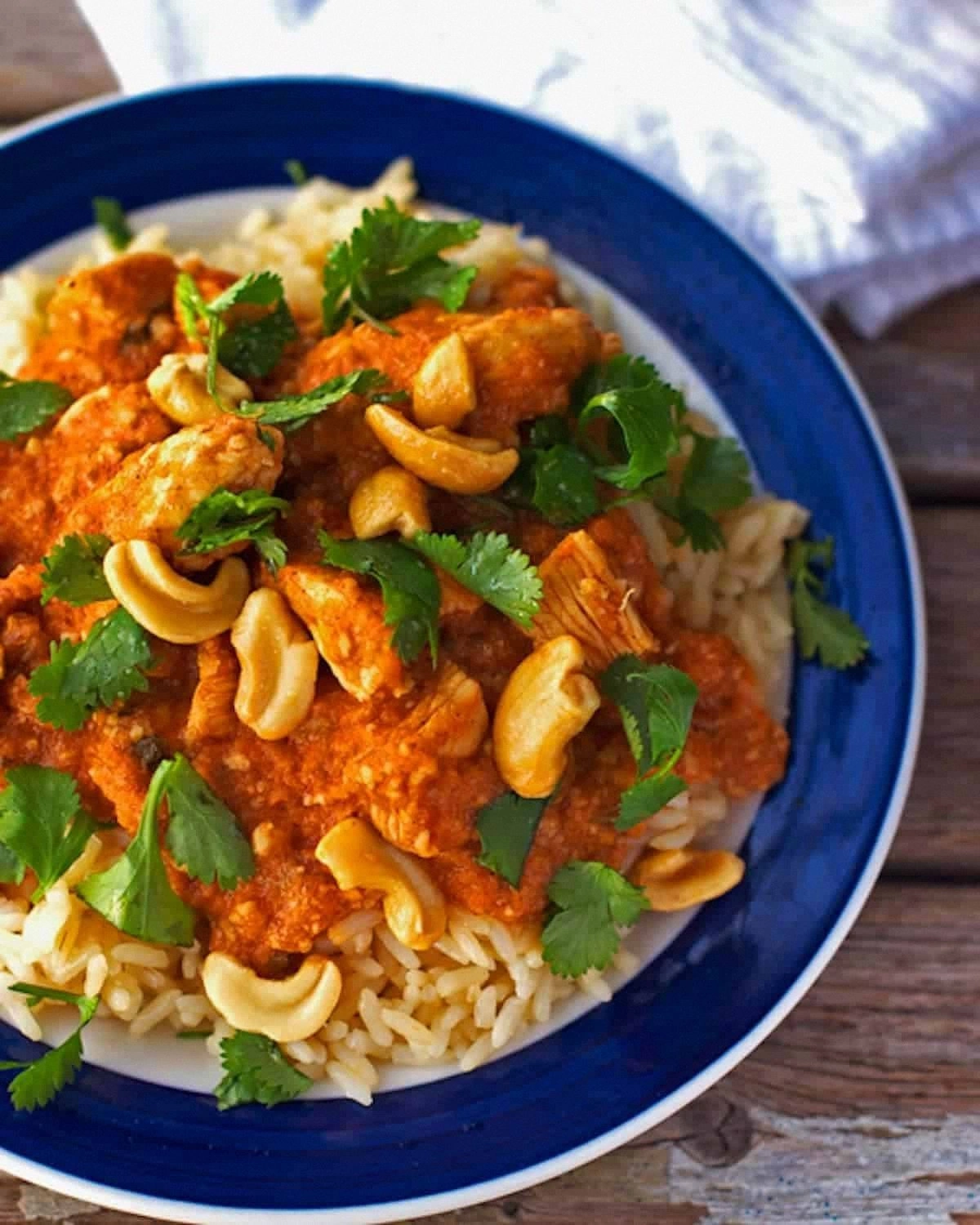
Picture this: a sizzling wok, the sound of oil bubbling like a lively conversation, and a cascade of golden‑brown chicken pieces that crackle with a faint, toasty whisper. The cashews tumble in, their buttery crunch echoing the satisfying snap of a fresh spring snap pea. The sauce? It clings to each morsel like a silk scarf, sweet, salty, and with just enough heat to make you grin. The aroma alone could convince a seasoned chef to abandon their soufflé and run straight to the stove.
Most recipes get the balance wrong—either they drown the chicken in a swamp of sauce or they forget the crucial crunch that makes this dish a textural masterpiece. I’ve tried a dozen variations, and every time I thought I’d nailed it, something was missing: a whisper of acidity, a flash of heat, or that satisfying nutty bite. This version flips the script by layering flavors in stages, using a quick cornstarch coating for that irresistible glaze, and tossing in a secret splash of rice vinegar that brightens everything like a spotlight on stage.
But the real game‑changer? A handful of roasted cashews that have been lightly toasted with a pinch of sea salt and a drizzle of honey—this tiny step transforms the nuts from ordinary to unforgettable. I dare you to taste this and not go back for seconds. Let me walk you through every single step — by the end, you’ll wonder how you ever made it any other way.
What Makes This Version Stand Out
- Flavor Explosion: The sauce marries soy, hoisin, and a hint of chili garlic sauce, delivering layers that evolve from sweet to savory to a gentle heat that lingers.
- Texture Symphony: Each bite offers a crisp chicken coating, buttery cashews, and crisp veggies that keep the palate engaged.
- Simplicity Meets Sophistication: Only ten pantry staples, yet the result feels restaurant‑grade.
- Unique Ingredient Twist: A splash of rice vinegar lifts the sauce, preventing it from feeling heavy.
- Crowd Reaction: Served at my last dinner party, it disappeared faster than free Wi‑Fi at a coffee shop.
- Ingredient Quality: Using chicken thighs instead of breasts guarantees juiciness and flavor retention.
- Cooking Method Mastery: High‑heat stir‑fry locks in moisture while creating that coveted caramelized edge.
- Make‑Ahead Potential: The sauce can be prepared ahead, and the dish reheats beautifully without losing its snap.
Inside the Ingredient List
The Flavor Base
Soy sauce is the backbone, delivering umami depth that anchors the whole dish. I use a low‑sodium variety so I can control the salt level without sacrificing flavor. If you’re out of soy sauce, tamari works just as well and adds a slightly richer note.
Hoisin sauce brings a subtle sweetness and a whisper of five‑spice that makes the sauce feel luxurious. Skipping it would leave the dish flat, so keep it in the pantry. A good quality hoisin will have a thick, glossy consistency—look for one without corn syrup if you prefer a cleaner taste.
Rice vinegar adds the bright acidity that cuts through the richness of the chicken and cashews. A splash of it is like turning on a light switch in a dim room; the flavors suddenly become clearer. If you can’t find rice vinegar, apple cider vinegar works in a pinch, but use slightly less.
The Texture Crew
Cashews are the star crunch, and their buttery flavor pairs perfectly with the savory sauce. Choose unsalted, roasted cashews for the best texture; raw cashews will need a quick roast to reach the same level of crunch. I like to keep a few whole cashews for garnish—they add visual appeal and an extra bite.
Cornstarch creates a thin veil on the chicken, giving it that glossy, restaurant‑style coating. Without it, the sauce would slide off the chicken like a bad first date. If you’re gluten‑free, arrowroot powder is a reliable substitute.
Vegetable oil is the neutral carrier that lets the high heat do its job without burning. Peanut oil is a great alternative if you love a deeper, nutty aroma, but keep the smoke point in mind.
The Unexpected Star
A drizzle of honey is the secret weapon that balances the heat and acidity. It adds a subtle caramel note that makes the sauce cling to each piece like a lover’s embrace. If you’re avoiding refined sugars, maple syrup works beautifully and adds a faint woody nuance.
Chili garlic sauce (or sambal oelek) is the spark that gives this dish its “kick.” A teaspoon is enough to awaken the palate without overwhelming it. Adjust to taste—if you love heat, double it; if you’re a milder eater, start with half.
The Final Flourish
Fresh ginger and garlic are the aromatic duo that infuse the oil with a fragrant foundation. Grate the ginger finely so it disperses evenly; large chunks will bite back with a raw edge. If you’re low on fresh ginger, a pinch of ground ginger will suffice, though the flavor won’t be as vibrant.
Green onions add a pop of color and a mild oniony bite that rounds out the dish. Separate the white and green parts—white for cooking, green for garnish. This simple garnish makes the plate look restaurant‑ready.
Everything's prepped? Good. Let's get into the real action...
The Method — Step by Step
Start by patting the chicken pieces dry with paper towels; moisture is the enemy of a good sear. Toss the chicken with 2 tablespoons of cornstarch, ensuring every piece is lightly coated. Let the coated chicken rest for five minutes—this brief pause lets the starch adhere better, creating a crispier crust later.
Heat 1 tablespoon of vegetable oil in a large wok or skillet over medium‑high heat until it shimmers. Add the chicken in a single layer; you should hear an immediate sizzle that signals the Maillard reaction is kicking in. Cook without moving for about 2 minutes, then flip to brown the other side. The edges will start pulling away from the pan, a clear sign of caramelization.
Once the chicken is golden brown but not fully cooked through, transfer it to a plate and set aside. This step prevents overcooking while you build the sauce.
Kitchen Hack: Keep the wok hot after removing the chicken; a hot pan ensures the sauce emulsifies instantly, preventing a watery finish.In the same wok, add the remaining 1 tablespoon of oil, then toss in the minced garlic, grated ginger, and the white parts of the green onions. Stir‑fry for 30 seconds—listen for that fragrant “whoosh” that tells you the aromatics are awake. If the garlic starts to brown too quickly, lower the heat; burnt garlic turns bitter and can ruin the entire dish.
Now, introduce the sliced red bell pepper and julienned carrot. Stir‑fry for 2 minutes, letting the vegetables retain a slight crunch while soaking up the aromatics. The colors should brighten, turning the bell pepper a vivid orange‑red and the carrot a glossy amber.
Time for the sauce: whisk together 2 tablespoons soy sauce, 1 tablespoon hoisin sauce, 1 tablespoon rice vinegar, 1 tablespoon honey, and 1 teaspoon chili garlic sauce. Pour the mixture into the wok, scraping the bottom to release any browned bits. The sauce should bubble and thicken within a minute, coating the veggies like a glossy glaze.
Return the chicken to the wok, tossing everything together so each piece gets a generous coating. Add the roasted cashews and the green parts of the green onions. Stir constantly for another 2 minutes; the chicken will finish cooking, and the sauce will cling perfectly.
Watch Out: If the sauce looks too thin, increase the heat and let it reduce for an extra minute—don’t add more cornstarch, it will make the dish gummy.Finish with a drizzle of 1 tablespoon sesame oil; this adds a nutty aroma that ties the whole dish together. Give it one final toss, then remove from heat. The dish should smell toasty, sweet, and just a touch spicy—if you can’t smell it, you’ve probably turned the heat down too early.
Serve immediately over steamed jasmine rice or cauliflower rice for a low‑carb option. Garnish with a few whole cashews and a sprinkle of extra green onion if you like extra crunch. Picture yourself pulling this out of the wok, the whole kitchen smelling incredible, and the first bite delivering a perfect balance of crunch, heat, and sweet‑savory bliss.
That's it — you did it. But hold on, I've got a few more tricks that'll take this to another level...
Insider Tricks for Flawless Results
The Temperature Rule Nobody Follows
A wok should be smoking hot before anything touches it; otherwise, the chicken will steam instead of sear. I always preheat the wok for at least two minutes, testing the heat by flicking a drop of water—if it dances and evaporates instantly, you’re ready. This high heat locks in juices and creates those coveted caramelized edges that make the dish feel restaurant‑grade.
Why Your Nose Knows Best
Never rely solely on a timer when stir‑frying. Your nose is the ultimate gauge: the sauce should give off a sweet‑savory perfume, and the chicken should emit a faint toasty scent. If you detect a burnt odor, lower the flame immediately. Trusting your senses prevents the dreaded “over‑cooked chicken” disaster that ruins texture.
The 5‑Minute Rest That Changes Everything
After you finish cooking, let the dish sit for five minutes off the heat. This short rest allows the sauce to settle and the chicken to reabsorb a tiny bit of moisture, resulting in a juicier bite. Skipping this step often leads to a sauce that pools at the bottom of the plate, making the chicken feel dry.
Sauce Consistency Cheat Sheet
If your sauce is too runny, increase the heat and let it reduce; if it’s too thick, splash in a tablespoon of chicken broth or water. The key is to keep the sauce glossy, not gelatinous. A thin, glossy sauce clings to each piece like a second skin, delivering flavor in every mouthful.
The Cashew Toast Trick
For an extra layer of flavor, toast the cashews with a pinch of sea salt and a drizzle of honey for 30 seconds right before serving. This quick caramelization adds a subtle sweet crunch that elevates the dish from good to unforgettable.
Creative Twists and Variations
This recipe is a playground. Here are some of my favorite ways to switch things up:
Spicy Peanut Fusion
Swap the chili garlic sauce for a tablespoon of smooth peanut butter mixed with a dash of sriracha. The result is a creamy, nutty heat that pairs beautifully with the cashews. Peanut lovers will swear by this version.
Coconut Curry Kick
Add ¼ cup coconut milk and a teaspoon of curry powder to the sauce. The coconut adds richness while the curry introduces warm, earthy notes. This variation feels like a tropical vacation on a plate.
Vegetarian Delight
Replace chicken with firm tofu cubes or tempeh strips, and double the cashews for extra protein. The tofu absorbs the sauce just as well, making this a satisfying plant‑based alternative.
Crispy Bacon Boost
Crumble half a cup of cooked bacon into the wok just before adding the veggies. The smoky crunch adds depth and makes the dish irresistibly savory. Bacon fans will thank you.
Zesty Lime Finish
Squeeze fresh lime juice over the finished dish and garnish with cilantro. The acidity brightens the flavors and adds a fresh, herbaceous finish that cuts through the richness.
Storing and Bringing It Back to Life
Fridge Storage
Allow the dish to cool to room temperature, then transfer it to an airtight container. It will keep for up to three days. When reheating, add a splash of water or broth to revive the sauce’s gloss.
Freezer Friendly
Portion the cooked chicken and sauce into freezer‑safe bags, leaving a little headroom for expansion. Freeze for up to two months. Thaw overnight in the refrigerator, then reheat in a skillet over medium heat, stirring in a tablespoon of water to loosen the sauce.
Best Reheating Method
A quick stir‑fry in a hot wok is the optimal method; it restores the crispness of the chicken and the crunch of the cashews. Microwave works in a pinch, but the texture will suffer. Remember the splash of water trick—it steams the dish back to life without making it soggy.