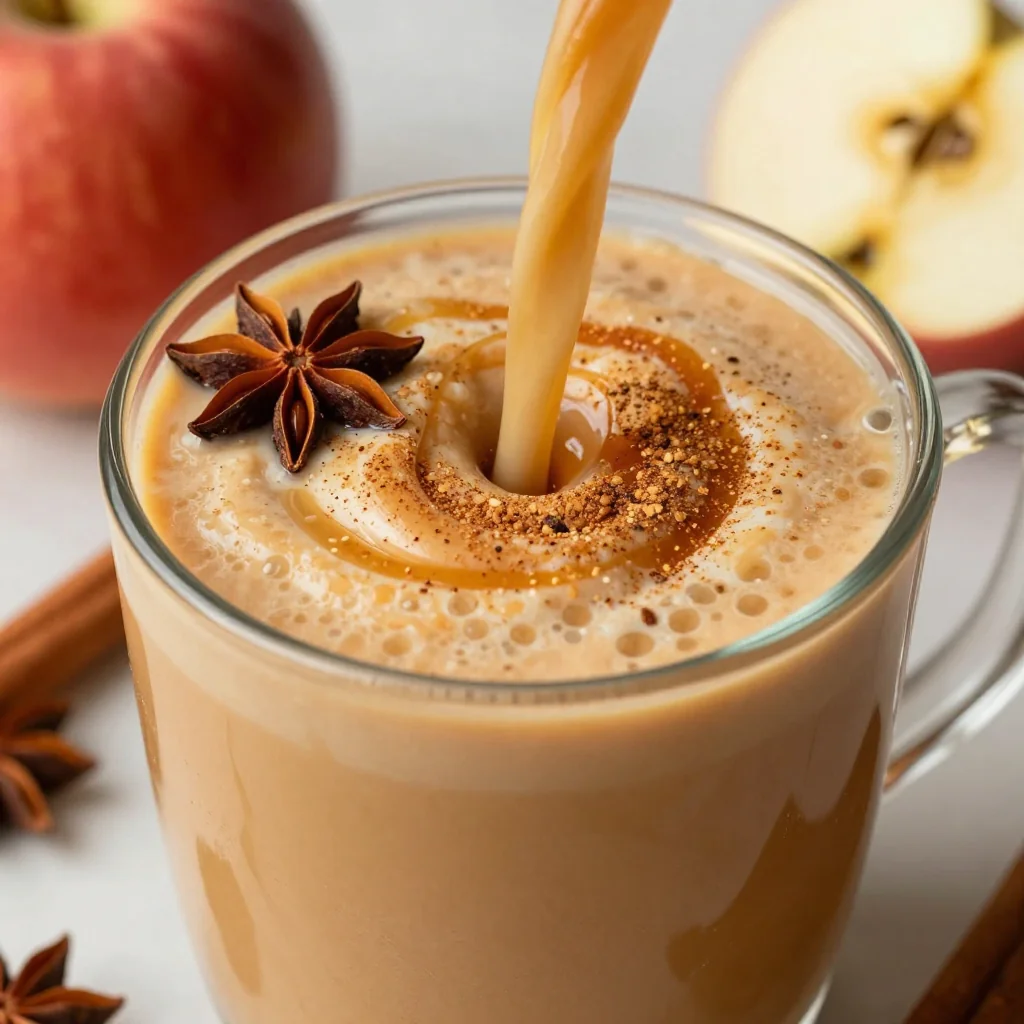
Ever found yourself in the middle of a pancake binge, eyes glazed over, and then realized you’re out of that tangy, creamy buttermilk that makes everything magically fluffy? I’ve been there, staring at a sad stack of pancakes that taste like cardboard because the secret ingredient was missing. That moment of culinary despair sparked a kitchen experiment that turned into a full‑blown love affair with homemade buttermilk. I dared to replace the store‑bought version, and the result? A liquid gold that sings on the tongue like a chorus of tiny, buttery angels.
Picture this: the kitchen buzzing with the low hum of the fridge, the faint clink of glass jars, and the bright, buttery light spilling over a stainless‑steel counter. As I whisked the milk, a faint citrus perfume rose, cutting through the usual dairy haze like a fresh breeze on a summer’s day. The texture was silky, coating the spoon in a way that promised richness without heaviness. When I finally tasted it, the tang hit my palate with the subtle punch of a well‑timed joke—sharp, memorable, and absolutely addictive.
Most buttermilk recipes out there either demand a trip to the farmer’s market for cultured butter or require a fancy starter that looks like a science project. I’m here to tell you that you don’t need any of that. This version stands out because it’s built on the simplest chemistry known to kitchen mortals: acid + milk = buttermilk. No culturing, no waiting for weeks, just a handful of pantry staples and a few minutes of patience. And the secret? A splash of heavy cream that adds a velvety body you never knew milk could have.
But wait—there’s a twist that will make you raise an eyebrow. I’m going to introduce a tiny pinch of sea salt right at the end, a move most recipes overlook, which elevates the flavor profile from “good enough” to “hands down the best version you’ll ever make at home.” I dare you to taste this and not go back for seconds. Okay, ready for the game‑changer? Let me walk you through every single step — by the end, you’ll wonder how you ever made it any other way.
What Makes This Version Stand Out
- Tang: The perfect balance of acidity from lemon juice and the natural creaminess of whole milk creates that signature bite without overwhelming the palate.
- Texture: Adding a splash of heavy cream gives the buttermilk a luxurious mouthfeel, making it ideal for both baking and drinking.
- Simplicity: Only three core ingredients—milk, lemon juice, and cream—so you won’t need a trip to the specialty store.
- Speed: From start to finish it takes less than ten minutes, perfect for those spontaneous breakfast cravings.
- Versatility: Works as a base for pancakes, biscuits, marinades, and even cocktails, making it a true kitchen multitasker.
- Ingredient Quality: Using full‑fat milk and fresh lemon juice gives a richer taste than the low‑fat, processed alternatives.
- Make‑Ahead Potential: Store it in the fridge for up to a week; the flavor actually deepens, so you’re always ready.
- Zero Waste: No leftover starter, no discarded cultures—just a clean, straightforward process.
Alright, let's break down exactly what goes into this masterpiece...
Inside the Ingredient List
The Flavor Base
Whole milk is the canvas for this masterpiece. Its natural sugars and fat content provide the richness that plain low‑fat milk can’t match. Skipping the whole‑fat version will result in a thinner, less satisfying drink that feels more like watered‑down dairy. If you only have 2% milk, consider adding an extra tablespoon of heavy cream to compensate for the lost fat.
The Texture Crew
Heavy cream is the unsung hero that turns a simple tangy liquid into a silky, almost custard‑like consistency. The cream’s butterfat coats each molecule of milk, creating a luxurious mouthfeel that’s perfect for pouring over biscuits. Forget the cream and you’ll end up with a buttermilk that feels more like a thin soup—delicious, but not quite the same.
The Unexpected Star
Lemon juice is the acid that triggers the milk proteins to curdle just enough to achieve that signature tang. It’s the spark that transforms ordinary milk into buttermilk, and the amount matters: too much and the mixture becomes overly sour; too little and the tang is muted. If you’re allergic to citrus, white vinegar works just as well—just keep the volume identical.
The Final Flourish
A pinch of sea salt at the end is the secret handshake that ties all flavors together. Salt amplifies the acidity, rounds out the richness of the cream, and prevents the final product from tasting flat. Skipping this tiny step is like serving a movie without its soundtrack—everything is still there, but something essential is missing.
Everything's prepped? Good. Let's get into the real action...
The Method — Step by Step
Gather your tools: a large measuring cup, a whisk, and a clean glass jar with a lid. The moment you set these out, you’re already committing to success—visual cues matter. I always line my counter with a bright towel; it makes the whole process feel like a culinary runway.
Measure out 4 cups of whole milk and pour it into the measuring cup. As the milk streams, listen for that soft, soothing gurgle—think of it as the prelude to a symphony. If the milk is cold, let it sit for a minute; room‑temperature milk integrates the acid more evenly.
- Kitchen Hack: Warm the milk to about 70°F (21°C) for a faster reaction—no heat, no curdling, but the tang develops quicker.
While the milk rests, whisk together 4 tablespoons of freshly squeezed lemon juice (or white vinegar). The citrus scent should hit you instantly, bright and sharp, like a burst of sunshine in a jar. If you’re using a lemon, roll it on the counter first to release more juice.
Slowly drizzle the lemon juice into the milk while whisking continuously. This is the moment of truth: the milk should begin to thicken slightly, forming tiny curds that look like a cloud of soft snowflakes. Keep whisking for about 30 seconds; you’ll hear a faint “whoosh” as the acid works its magic.
Add 1 cup of heavy cream to the mixture. As the cream swirls in, the liquid becomes richer, taking on a buttery sheen. This step is pure magic—the texture shifts from watery to plush, and the aroma deepens, hinting at the buttery notes to come.
Cover the jar with its lid and let the mixture sit at room temperature for 5‑10 minutes. During this time, the flavors meld, and the acidity mellows just enough to become buttery rather than sharp. If you’re impatient, give it a gentle shake halfway through; the result will be the same.
- Watch Out: Do not let the mixture sit longer than 20 minutes at room temperature, or it may develop an overly sour edge that dominates the flavor.
After the resting period, give the jar a gentle stir to ensure everything is uniform. The buttermilk should now be a creamy off‑white with a faint lemony glow. Take a quick sniff; you should detect a bright, dairy‑rich scent with a subtle citrus undertone.
Finally, sprinkle a pinch of sea salt over the surface and give it one last stir. This tiny addition is the secret handshake that makes the tang sing and the cream feel even smoother. Taste a spoonful—if it feels balanced, you’ve nailed it; if it’s too sharp, add a splash more cream.
Transfer the buttermilk into a clean glass bottle or jar, seal tightly, and refrigerate. It will keep for up to a week, and each day the flavor deepens, becoming more complex—like a fine wine improving with age. Picture yourself pulling this out of the fridge tomorrow morning, the whole kitchen smelling incredible as you pour it over pancakes.
That's it — you did it. But hold on, I've got a few more tricks that'll take this to another level...
Insider Tricks for Flawless Results
The Temperature Rule Nobody Follows
Keeping the milk at about 70°F before adding the acid speeds up the curdling process and yields a smoother texture. I once tried the shortcut of using ice‑cold milk straight from the fridge; the result was a lumpy, uneven buttermilk that felt like chewing on tiny cheese curds. Warm milk ensures the acid disperses evenly, creating that velvety consistency you crave.
Why Your Nose Knows Best
Before you even taste, let your nose be the judge. A bright, citrusy aroma combined with a buttery undertone signals that the acid has balanced perfectly with the cream. If you detect any sour, almost vinegar‑like smell, the mixture has over‑acidified—add a splash more milk or cream to rescue it.
The 5‑Minute Rest That Changes Everything
Allowing the mixture to rest for a brief 5‑10 minutes is crucial. During this window, the proteins realign, and the flavor melds. I’ve seen impatient cooks skip this step, ending up with a buttermilk that feels “flat” and lacks depth. Trust the rest period; it’s the quiet hero of the recipe.
Stirring Technique That Saves the Day
When you whisk the lemon juice into the milk, use a slow, circular motion rather than a frantic back‑and‑forth. This gentle approach prevents over‑aeration, which can lead to a frothy, less creamy final product. Think of it as coaxing the milk to embrace the acid, not shocking it.
Salt at the End, Not the Beginning
Adding salt after the mixture has rested ensures it doesn’t interfere with the acid’s curdling action. A pinch at the end enhances flavor without compromising texture. I once added salt too early, and the buttermilk stayed stubbornly thin—lesson learned.
Creative Twists and Variations
This recipe is a playground. Here are some of my favorite ways to switch things up:
Herb‑Infused Buttermilk
Blend in a tablespoon of fresh chopped chives or dill after the resting period. The herbaceous notes pair beautifully with fried chicken or as a dip for fresh veggies. The bright green specks also make for a stunning visual contrast.
Spiced Autumn Version
Add a pinch of ground cinnamon and a drizzle of maple syrup for a cozy, sweet‑spicy twist. Perfect for drizzling over hot waffles on a chilly morning. The warmth of the spices complements the tang beautifully.
Vegan Alternative
Swap the whole milk for unsweetened almond milk and replace the heavy cream with coconut cream. The acid reaction works the same, and you’ll end up with a dairy‑free buttermilk that’s great for vegan baking.
Buttermilk Smoothie Base
Blend the finished buttermilk with frozen berries, a banana, and a splash of honey for a tangy, protein‑packed breakfast smoothie. The acidity cuts through the sweetness, giving the drink a refreshing finish.
Cheese‑Lover’s Upgrade
Stir in a tablespoon of grated Parmesan or Pecorino after the rest. The umami boost transforms the buttermilk into a decadent sauce for roasted vegetables or a base for creamy soups.
Carbonated Buttermilk
For a playful brunch cocktail, gently carbonate the buttermilk using a soda siphon and serve with a splash of orange liqueur. The fizz adds a surprising texture that makes every sip feel like a celebration.
Storing and Bringing It Back to Life
Fridge Storage
Transfer the buttermilk to an airtight glass jar and keep it in the refrigerator. It stays fresh for up to seven days, and the flavor subtly deepens each day. For best results, give the jar a gentle shake before each use to re‑integrate any settled cream.
Freezer Friendly
If you’ve made a large batch, pour the buttermilk into ice‑cube trays and freeze. Once solid, transfer the cubes to a freezer bag. They’ll keep for three months and can be melted in a saucepan for a quick, ready‑to‑use portion.
Best Reheating Method
When you need to warm the buttermilk—say, for a hot biscuit recipe—heat it gently over low heat, stirring constantly. Add a tiny splash of water (about a teaspoon) before reheating; the steam revives the silky texture, preventing a skin from forming.