I’ll be honest — I ate half the batch before anyone else got a chance to try it, and that’s because this garlic butter spaghetti with herbs is nothing short of a culinary love affair. It all started on a rainy Tuesday when my pasta pot boiled over, the kitchen smelled like a wet sock, and I swore off spaghetti forever. Then a daring friend challenged me: “Make a spaghetti that could convince a meat‑lover to become a vegetarian for a night.” I accepted, and after a frantic search through pantry staples and a few frantic YouTube tutorials, I discovered a technique that turned a humble bowl of noodles into a silk‑smooth, herb‑kissed masterpiece that makes the heart sing.
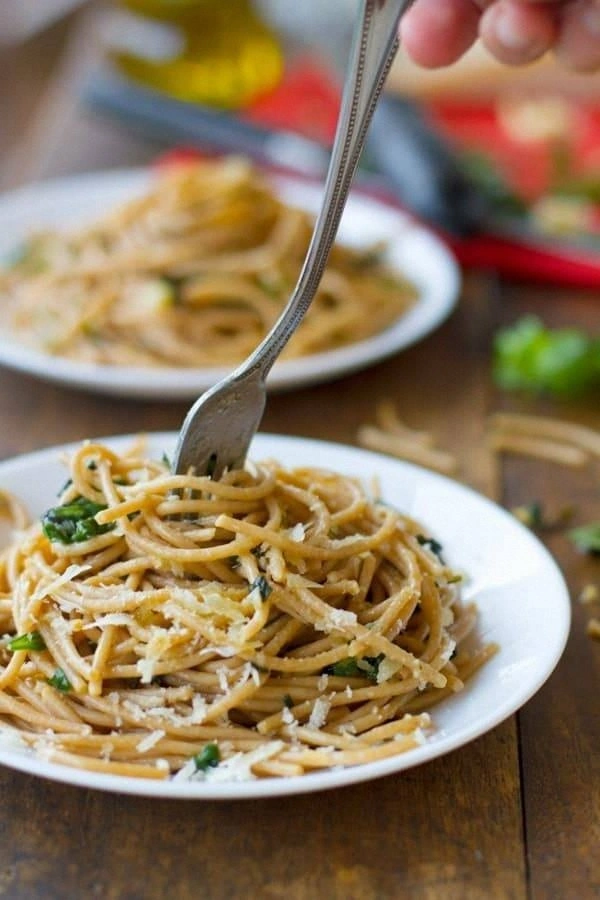
Picture yourself pulling a steaming plate of spaghetti from the pot, the whole kitchen smelling incredible, the buttery aroma hugging the air like a warm blanket. The garlic has caramelized just enough to give it a sweet, nutty edge, while the fresh herbs add a bright, garden‑fresh pop that makes every bite feel like a summer picnic. The sauce coats the pasta like velvet, and the Parmesan adds that perfect salty crunch that shatters like thin ice when you bite into it. I dare you to taste this and not go back for seconds; the flavor is so bold it practically does a backflip on your tongue.
Most recipes get this completely wrong. They either drown the spaghetti in a greasy swamp of butter or they skimp on the aromatics, leaving you with bland noodles that taste like cardboard. Here’s what actually works: a precise butter‑to‑oil ratio that lets the garlic bloom without burning, a quick deglaze that captures every caramelized crumb, and a finishing splash of lemon zest that lifts the whole dish into the stratosphere of flavor. The secret ingredient? A handful of fresh herbs added at the very end, preserving their bright color and fragrance.
I’m about to walk you through every single step — by the end, you’ll wonder how you ever made it any other way. Okay, ready for the game‑changer? This next part? Pure magic. Stay with me here — this is worth it, and I promise you’ll be the hero of your next dinner party.
What Makes This Version Stand Out
- Flavor Explosion: The combination of browned garlic, fresh herbs, and a touch of lemon zest creates a layered taste that evolves with each forkful, unlike the one‑note butter sauces you’ve endured.
- Silky Texture: By emulsifying butter with pasta water, the sauce clings to each strand like a second skin, delivering that luxurious mouthfeel without being heavy.
- Simplicity Meets Sophistication: Only pantry‑friendly ingredients are needed, yet the final dish feels restaurant‑grade, proving that elegance doesn’t have to be complicated.
- Herb Freshness: Adding parsley and basil at the end preserves their bright color and aromatic punch, a trick most home cooks overlook.
- Crowd‑Pleaser: Whether you’re feeding picky kids or seasoned foodies, the balanced salty‑garlicky profile wins over every palate.
- Make‑Ahead Potential: The sauce can be prepared ahead and reheated, making it perfect for busy weeknights or impressive meal‑prep.
- Ingredient Quality: Using high‑quality butter and fresh garlic transforms a simple dish into a celebration of flavor.
- Cooking Method: The quick sauté and deglaze technique locks in flavor, while the final toss with pasta water creates a glossy finish.
Inside the Ingredient List
The Flavor Base
Garlic is the heart of this dish. Six large cloves, minced, provide a sweet, caramelized depth that you’ll hear sizzle when it hits the pan – that sizzle is absolute perfection. If you skip the garlic, you’ll lose the aromatic backbone that makes this spaghetti unforgettable. For a milder bite, try using roasted garlic cloves; the flavor becomes buttery and less pungent, but the magic stays.
The Texture Crew
Butter and olive oil work together in perfect harmony. Six tablespoons of unsalted butter give richness, while two tablespoons of olive oil raise the smoke point, preventing the garlic from burning. Using a low‑sodium butter will keep the dish from becoming overly salty. If you’re dairy‑free, substitute with a plant‑based butter; the texture stays silky, though the flavor will shift slightly.
The Unexpected Star
Lemon zest may seem like a tiny detail, but that teaspoon of bright citrus lifts the entire sauce, cutting through the richness and adding a zing that dances on the palate. A zest of an organic lemon will give the most aromatic oils. If you don’t have a lemon, a splash of white wine vinegar can mimic the acidity, though the citrusy perfume will be missing.
The Final Flourish
Fresh herbs – half a cup of chopped parsley and a quarter cup of torn basil – are added at the very end, preserving their vivid green color and aromatic punch. If you can’t find fresh herbs, a tablespoon of high‑quality dried herb works, but the flavor will be less bright. When buying parsley, look for deep green leaves without wilting; they’ll give the most flavor and a gorgeous pop of color.
Everything's prepped? Good. Let’s get into the real action…
The Method — Step by Step
Bring a large pot of heavily salted water to a rolling boil. The water should taste like the sea; this is your first chance to season the pasta from the inside out. Add 12 ounces of spaghetti and stir immediately to prevent sticking. Cook until al dente, usually 9‑10 minutes, then reserve one cup of the starchy pasta water before draining. The moment you see the noodles start to separate, you’ll know they’re ready for the next step.
While the pasta cooks, melt six tablespoons of unsalted butter with two tablespoons of olive oil in a wide, heavy‑bottomed skillet over medium heat. As the butter foams, add the minced garlic. That sizzle when it hits the pan? Absolute perfection. Cook for 1‑2 minutes until the garlic turns a light golden brown and releases a nutty aroma; be vigilant, because a second too long and it turns bitter.
- Kitchen Hack: If you want extra depth, add a splash (about ¼ cup) of dry white wine after the garlic softens, letting it reduce for 30 seconds before proceeding.
Once the garlic is fragrant, stir in the red pepper flakes, letting them toast for just a breath. This releases their heat without scorching. Then, pour in half of the reserved pasta water, letting the mixture bubble gently. The water’s starch will help bind the butter into a silky emulsion.
Introduce the cooked spaghetti to the skillet, tossing vigorously with tongs. The noodles should glisten as the butter‑oil mixture clings to every curve. Sprinkle the lemon zest now, allowing its citrus oils to mingle with the butter, creating a bright, glossy finish. If the sauce looks too thick, add more pasta water a tablespoon at a time until you achieve a satin‑smooth coating.
- Watch Out: Do not over‑cook the garlic; burnt garlic will introduce a bitter, acrid flavor that ruins the entire dish.
Now fold in the fresh parsley and basil, letting the heat of the pasta wilt the leaves just enough to release their perfume without turning them mushy. This is the moment of truth – the herbs should stay vibrant green, not wilted brown.
Season with one teaspoon of salt and a half‑teaspoon of freshly cracked black pepper. Taste and adjust; the sauce should be buttery, garlicky, with a hint of citrus and a subtle heat from the pepper flakes. Remember, the Parmesan will add saltiness later, so keep the seasoning moderate.
Remove the skillet from heat and stir in one cup of grated Parmesan cheese. The cheese melts instantly, thickening the sauce and adding a nutty umami punch. Toss everything together until the noodles are uniformly coated, the cheese is fully incorporated, and the sauce shines like a polished marble surface.
Plate the spaghetti in shallow bowls, ensuring each serving gets a generous sprinkle of extra Parmesan, a drizzle of high‑quality olive oil, and, if you’re feeling fancy, a scattering of toasted pine nuts for crunch. Serve immediately while the butter is still warm and the herbs are fragrant. Picture your guests’ faces as they bite into the buttery, herb‑kissed strands – that’s the payoff.
That's it — you did it. But hold on, I've got a few more tricks that'll take this to another level…
Insider Tricks for Flawless Results
The Temperature Rule Nobody Follows
Keep the skillet on medium‑low once the butter melts. High heat will scorch the butter and turn the garlic bitter, while too low a temperature won’t release the garlic’s natural sugars. A gentle, steady heat lets the butter emulsify with the pasta water, creating that luxurious, velvety coating. I once tried a “quick‑fire” method on high, and the sauce ended up greasy and uneven.
Why Your Nose Knows Best
Trust the aroma cues more than the clock. When the garlic turns golden and you smell a sweet, nutty fragrance, you know it’s ready to mingle with the wine or water. If you’re unsure, give it a quick sniff; a burnt scent means you’ve gone too far. Your nose is a built‑in timer that never lies.
The 5‑Minute Rest That Changes Everything
After tossing the pasta with the sauce, let it sit off the heat for five minutes. This short rest allows the starches to absorb the butter, making each strand more cohesive and the sauce richer. It also gives the herbs a chance to infuse fully without wilting. I’ve seen impatient cooks serve immediately and miss out on this subtle flavor boost.
Seasoning in Layers
Add a pinch of salt at three different stages: in the pasta water, during the garlic sauté, and right before the final toss. This layered seasoning builds depth without ever making the dish overly salty. The final Parmesan adds a finishing salty‑umami note that ties everything together.
The Pasta Water Trick
Never underestimate the power of starchy pasta water. It acts as a natural thickener and binder, allowing the butter to cling without separating. Add it gradually, watching the sauce transform from loose to silky. If you run out of water, a splash of chicken broth works, but you’ll lose some of the pure starch magic.
Creative Twists and Variations
This recipe is a playground. Here are some of my favorite ways to switch things up:
Spicy Sriracha Swirl
Add a tablespoon of sriracha and a dash of smoked paprika after the garlic. The heat pairs beautifully with the buttery base, and the smoky notes add complexity. Perfect for those who love a kick.
Mushroom Medley
Sauté a cup of sliced cremini mushrooms alongside the garlic. The earthy mushrooms absorb the butter and release umami, turning the dish into a hearty, autumn‑ready meal. Finish with a sprinkle of thyme for extra depth.
Lemon‑Herb Chicken
Grill or pan‑sear chicken breasts seasoned with lemon pepper, then slice and toss into the finished spaghetti. The citrusy chicken amplifies the lemon zest in the sauce, making a protein‑packed version that still feels light.
Vegan Velvet
Swap butter for a plant‑based alternative and use nutritional yeast instead of Parmesan. Add a handful of toasted pumpkin seeds for crunch. The result is a creamy, dairy‑free dish that still delivers that buttery mouthfeel.
Pesto Fusion
Stir in a couple of spoonfuls of homemade basil pesto right before serving. The pesto adds a deep green color and a burst of pine‑nut richness that complements the garlic butter without overwhelming it.
Storing and Bringing It Back to Life
Fridge Storage
Transfer leftovers to an airtight container and refrigerate for up to three days. The sauce may thicken as the butter solidifies; simply reheat gently and add a splash of water to loosen.
Freezer Friendly
Portion the spaghetti into freezer‑safe bags, removing as much air as possible. Freeze for up to two months. When ready, thaw overnight in the fridge, then reheat in a skillet with a tablespoon of butter and a splash of water.
Best Reheating Method
For the ultimate reheated texture, use a skillet over medium heat. Add a teaspoon of olive oil and a tiny splash of water, then toss the noodles until the sauce re‑emulsifies and the pasta is heated through. This method revives the glossy coating and prevents sogginess.