Love this? Pin it for later! 📌
If you've ever wondered how restaurants serve chicken breasts so tender they practically melt in your mouth while yours come out dry and rubbery, you're in for a revelation. After years of testing techniques in my home kitchen—and yes, serving my fair share of hockey-puck chicken to patient family members—I've finally cracked the code for perfectly juicy garlic butter chicken breasts every single time.
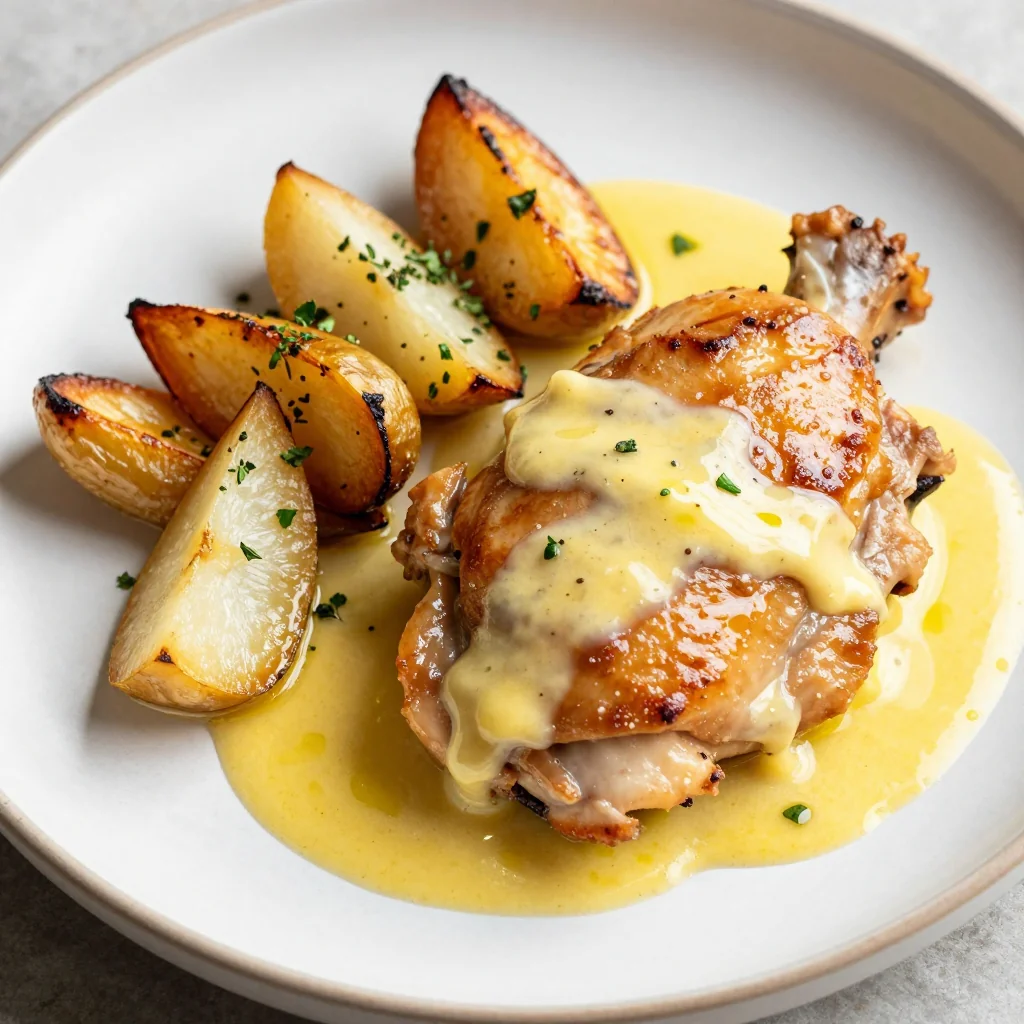
This recipe has become my weeknight superhero. It swoops in when I'm staring blankly into the fridge at 6:30 PM, transforms four humble chicken breasts into something that makes my teenagers pause their phones and actually compliment dinner. The magic lies not just in the rich garlic butter sauce—though that's undeniably delicious—but in the technique that keeps these breasts incredibly moist and flavorful.
What I love most about this dish is its chameleon-like versatility. Serve it over creamy mashed potatoes for comfort food bliss, slice it atop crisp salads for a protein-packed lunch, or pair it with roasted vegetables for an elegant dinner party presentation. The leftovers (if you're lucky enough to have any) transform into spectacular chicken salad or elevate a simple pasta dish. Trust me, once you master this technique, plain chicken will never grace your table again.
Why This Recipe Works
- Brine-Free Moisture: Skip the 24-hour salt water bath—our quick 15-minute dry brine using kosher salt draws out then reabsorbs juices, creating self-basting chicken from the inside out.
- Reverse Sear Magic: Starting chicken in a moderate oven then finishing with a hot pan sear prevents the protein fibers from seizing up and squeezing out moisture.
- Compound Butter Infusion: Our garlic-herb butter melts into every crevice, basting the chicken while adding layers of flavor that penetrate beyond the surface.
- Thermometer Precision: Pulling chicken at exactly 157°F (not the often-quoted 165°F) accounts for carryover cooking, ensuring maximum juiciness without any food safety concerns.
- One-Pan Convenience: The entire dish cooks in a single cast iron skillet, meaning fewer dishes and more opportunity to scrape up those flavor-packed browned bits.
- Butterfly Technique: Creating uniform thickness ensures even cooking, eliminating the dreaded dry edges with an undercooked center.
Ingredients You'll Need

Quality ingredients make the difference between good and restaurant-quality chicken. Here's what to look for:
Chicken Breasts: Opt for organic, air-chilled breasts if possible. They're not pumped with water and retain better texture. Look for ones around 6-8 ounces each—larger ones cook unevenly. If your store only carries massive 12-ounce breasts, butterfly them horizontally into two cutlets.
Butter: European-style butter with 82% fat content creates silkier sauce and browns more beautifully than standard American butter. I prefer unsalted so I can control seasoning, but if you only have salted, reduce added salt by half.
Garlic: Fresh garlic is non-negotiable here. The pre-minced jarred stuff in oil tastes flat and metallic. Choose firm, plump cloves without green sprouts. Pro tip: Smash cloves with the flat of your knife before mincing—it releases more oils and flavor.
Fresh Herbs: Flat-leaf Italian parsley adds brightness without overwhelming the dish. Thyme provides earthy notes that complement chicken beautifully. If you must substitute dried herbs, use one-third the amount as they're more concentrated.
Lemon: A splash of acidity at the end brightens all the rich flavors. Meyer lemons are ideal for their floral notes, but regular lemons work perfectly. Zest before juicing—it's easier and you get both elements.
Chicken Stock: Homemade is gold standard, but a good low-sodium store-bought version works. Avoid bouillon cubes—they make the sauce salty and artificial-tasting. Vegetable stock can substitute in a pinch.
How to Make Garlic Butter Chicken Breasts That Are Juicy
Dry Brine for Maximum Juiciness
Pat chicken breasts completely dry with paper towels—moisture is the enemy of browning. Season both sides generously with 1 teaspoon kosher salt per pound of chicken. Place on a wire rack set over a baking sheet and refrigerate uncovered for 15-30 minutes. This brief dry brine seasons the meat deeply and helps the surface dry for better searing. Don't skip this step even if you're rushed for time.
Create Even Thickness
Remove chicken from fridge. Place each breast between plastic wrap or in a zip-top bag. Using a meat mallet, rolling pin, or heavy skillet, pound the thickest parts until the entire breast is uniform in thickness—about ¾ inch. This ensures even cooking and prevents the thinner end from drying out while waiting for the thick middle to cook through.
Season Generously
Mix 1 teaspoon black pepper, ½ teaspoon paprika, and ½ teaspoon garlic powder. Pat chicken dry again if needed, then coat both sides with the spice mixture. Let sit at room temperature while you prepare the garlic butter—cold chicken straight from fridge cooks unevenly.
Prepare Garlic-Herb Butter
In a small bowl, mash together 4 tablespoons softened butter, 3 minced garlic cloves, 2 tablespoons chopped parsley, 1 teaspoon fresh thyme leaves, and ½ teaspoon salt until well combined. This compound butter will baste the chicken and create the sauce. Make extra—it's incredible on everything from vegetables to steak.
Start with Gentle Oven Heat
Preheat oven to 275°F. Heat an oven-safe skillet (cast iron ideal) over medium heat. Add 1 tablespoon olive oil. When shimmering, carefully place chicken breasts in pan without crowding. Sear for 2 minutes per side just to develop light golden color—not full browning yet. Transfer skillet to oven for 12-15 minutes depending on thickness.
Check Temperature Early
Begin checking internal temperature after 10 minutes using an instant-read thermometer inserted horizontally through the thickest part. Remove chicken from oven when it reaches 150°F—it will continue cooking. Transfer to a plate and tent loosely with foil. Letting chicken rest is crucial; cutting too early causes juices to run out.
Create the Garlic Butter Sauce
Return skillet to medium-high heat. Add 2 tablespoons of the garlic-herb butter. When foaming subsides, add minced shallot and cook 1 minute until softened. Pour in ½ cup chicken stock and scrape up browned bits with a wooden spoon. Simmer until reduced by half, about 3 minutes. Whisk in remaining garlic butter piece by piece, creating an emulsified sauce.
Finish and Serve
Return chicken and any accumulated juices to the pan. Spoon sauce over chicken and simmer 1-2 minutes until chicken reaches 157°F. Remove from heat, squeeze fresh lemon juice over everything, and garnish with additional parsley. The sauce should coat the back of a spoon—if too thick, thin with a splash of stock; if too thin, simmer 30 seconds more.
Expert Tips
Invest in a Thermometer
A $15 instant-read thermometer is your insurance policy against dry chicken. The difference between juicy and shoe leather is just 5 degrees.
Don't Overcrowd the Pan
Cook in batches if necessary. Overcrowding steams rather than sears, preventing that beautiful golden crust from forming.
Let It Rest
Rest chicken at least 5 minutes before slicing. This allows juices to redistribute throughout the meat instead of flooding your cutting board.
Room Temperature Matters
Let chicken sit out 15-20 minutes before cooking. Cold meat cooks unevenly, with the exterior overcooking while the center remains underdone.
Save the Fond
Those browned bits stuck to the pan are pure flavor gold. Deglazing with stock creates an incredible sauce base that tastes like you cooked for hours.
Cold Butter for Emulsion
Add cold butter pieces to the sauce off-heat, whisking constantly. This creates a glossy, restaurant-quality emulsion that won't separate.
Variations to Try
Mediterranean Style
Add sun-dried tomatoes, olives, and oregano to the butter. Finish with feta cheese crumbles and a splash of white wine instead of stock.
Spicy Cajun
Season chicken with Cajun spice blend. Add cayenne to the butter and finish with andouille sausage slices and bell peppers.
Creamy Mushroom
Sauté sliced mushrooms before making sauce. Replace half the stock with heavy cream for a luxurious mushroom cream sauce.
Asian-Inspired
Replace butter with sesame oil. Add ginger, soy sauce, and a touch of honey. Garnish with sesame seeds and green onions.
Storage Tips
Refrigerating: Store leftover chicken in an airtight container with some sauce spooned over to keep it moist. It will keep 3-4 days refrigerated. Reheat gently in a covered skillet with a splash of stock over medium-low heat—microwaving makes it rubbery.
Freezing: Cool completely, then freeze chicken pieces in freezer bags with sauce for up to 3 months. Thaw overnight in refrigerator before reheating. The texture won't be quite as perfect as fresh, but still delicious.
Make-Ahead: The garlic-herb butter can be prepared up to 1 week ahead and stored refrigerated. Bring to room temperature before using. You can also pound and season chicken up to 24 hours ahead—just wrap tightly and refrigerate.
Frequently Asked Questions

Garlic Butter Chicken Breasts That Are Juicy
Ingredients
Instructions
- Dry brine: Pat chicken dry. Season with 1 teaspoon salt. Refrigerate on wire rack 15-30 minutes.
- Even thickness: Pound chicken to ¾-inch thickness between plastic wrap.
- Season: Mix pepper, paprika, garlic powder, and ½ teaspoon salt. Coat chicken evenly.
- Make compound butter: Mash 3 tablespoons butter with half the garlic, parsley, thyme, and ¼ teaspoon salt. Set aside.
- Sear: Heat olive oil in oven-safe skillet over medium heat. Sear chicken 2 minutes per side.
- Oven finish: Transfer to 275°F oven. Bake 12-15 minutes until 150°F internal temperature.
- Make sauce: Remove chicken. Return skillet to medium-high heat. Add remaining butter and shallot. Cook 1 minute.
- Deglaze: Add stock and remaining garlic. Scrape up browned bits. Simmer 3 minutes until reduced by half.
- Finish: Whisk in compound butter piece by piece. Return chicken and juices to pan. Simmer 1-2 minutes.
- Serve: Remove from heat. Add lemon juice. Spoon sauce over chicken. Garnish with parsley.
Recipe Notes
Chicken continues cooking after removal from heat. Pull at 150°F for maximum juiciness. Sauce can be made ahead and reheated gently—add a splash of stock if too thick.