Picture this: I was halfway through a late‑night Netflix binge, craving something savory, when the kitchen lights flicked on and the air smelled of garlic and butter. I reached for the shrimp that had been marinating in the fridge all week, and the idea hit me like a bolt of culinary lightning—why not turn that humble protein into a show‑stopping, crowd‑pleasing masterpiece? The moment the shrimp hit the pan, a sizzling chorus erupted, the sound of success echoing in my ears. I could already taste the buttery, garlicky glaze coating each shell like a velvet ribbon, and the aroma was enough to make anyone in the house stop what they were doing.
I’ve tried countless shrimp recipes over the years, from simple sautéed to flambéed, but this one feels like a secret weapon in my culinary arsenal. The blend of fresh parsley and a splash of lemon juice cuts through the richness, while a whisper of red pepper flakes adds a subtle kick that lingers on the palate. It’s the kind of dish that transforms an ordinary weeknight into an instant celebration, and the best part? It takes less than 30 minutes from start to finish. I dare you to taste this and not go back for seconds.
Most recipes get this completely wrong, either by overcooking the shrimp or by letting the butter burn to bitterness. The trick is to keep the heat just high enough to caramelize the garlic without scorching it, then add the wine to deglaze and create a silky sauce that clings to every bite. The result is a dish that feels indulgent yet light, with a texture that’s tender inside and slightly crisp on the edges—like a perfectly fried sea‑foam bubble. This version stands out because it balances richness and freshness, making it the best version you’ll ever make at home.
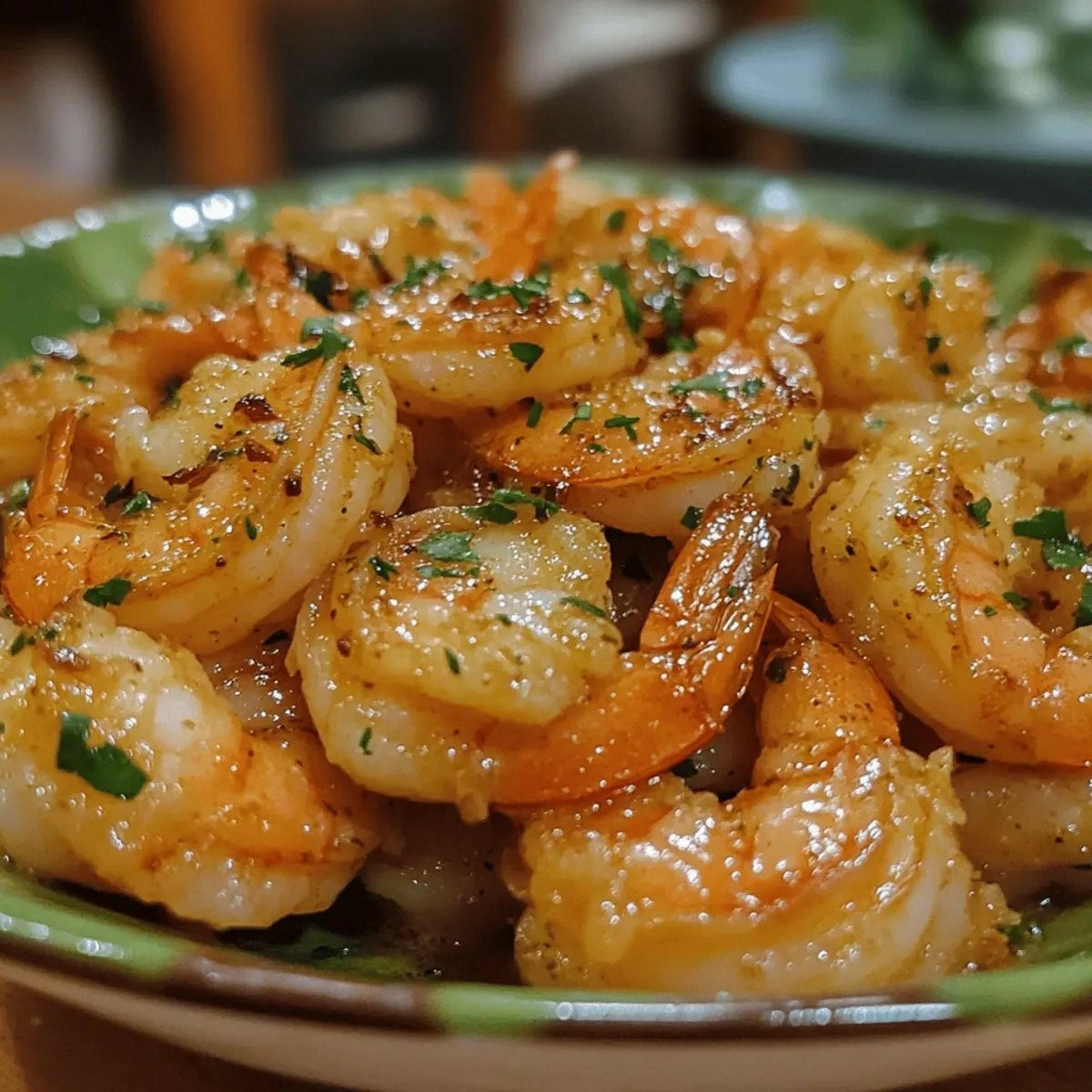
And here's the twist that will blow your mind: the addition of white wine not only deglazes the pan but also infuses the shrimp with a subtle acidity that brightens the entire dish. Picture yourself pulling this out of the pan, the whole kitchen smelling incredible, and the shrimp glistening like tiny jewels. Let me walk you through every single step—by the end, you'll wonder how you ever made it any other way.
What Makes This Version Stand Out
- Taste: The garlic butter sauce is robust yet balanced, thanks to the fresh parsley and lemon juice that cut through the richness. The subtle heat from the red pepper flakes adds depth without overpowering the shrimp.
- Texture: The shrimp stays juicy inside while the edges develop a golden, slightly crisp finish that snaps like thin ice when you bite. The sauce coats the shrimp like velvet, creating a mouth‑watering contrast.
- Speed: In under 30 minutes, you can go from raw shrimp to plated perfection, making it ideal for spontaneous dinner parties or a last‑minute date night.
- Versatility: Serve it over pasta, rice, or a bed of sautéed greens, or use it as a decadent appetizer with toasted baguette slices.
- Crowd‑pleaser: Even the pickiest eaters will be hooked; the savory butter, bright lemon, and aromatic garlic hit all the right notes.
- Ingredient Quality: Fresh, high‑quality shrimp and butter make all the difference, turning a simple dish into a gourmet experience.
- Cooking Method: The pan‑sauté technique locks in flavor and creates a beautiful caramelization that elevates the dish.
- Make‑Ahead Potential: The sauce can be prepared in advance and reheated gently, preserving the shrimp’s tenderness.
Alright, let's break down exactly what goes into this masterpiece...
Inside the Ingredient List
The Flavor Base
Garlic: The minced garlic is the heart of the sauce, releasing a sweet, aromatic essence that permeates every shrimp. Cutting it finely ensures even distribution and prevents large clumps that could burn. If you prefer a milder bite, reduce to 3 cloves or substitute with roasted garlic for a sweeter profile. Garlic also has natural antibacterial properties, making it a healthy addition.
Butter: Unsalted butter provides a rich, silky texture that coats the shrimp and forms the sauce’s body. Using a high‑butter content ensures a luscious mouthfeel. If you’re watching sodium, switch to a low‑salt butter or add a pinch of salt to taste at the end. Butter also carries the flavor of the other ingredients, acting as a flavor conduit.
The Texture Crew
Shrimp: Fresh, raw shrimp that are peeled and deveined are essential for maximum flavor absorption. The size of the shrimp should be medium to large so they cook quickly and evenly. If you can’t find fresh shrimp, frozen shrimp that have been thawed and patted dry works just as well. Shrimp is a lean protein, low in fat, and high in protein, making it a healthy centerpiece.
Red Pepper Flakes: A pinch of red pepper flakes adds a gentle heat that contrasts with the buttery richness. If you’re not a fan of heat, omit them entirely or replace with a dash of smoked paprika for a smoky depth. Red pepper flakes also contain capsaicin, which can boost metabolism.
The Unexpected Star
White Wine: A splash of dry white wine deglazes the pan, lifting the caramelized bits and creating a glossy sauce. It also adds acidity that balances the butter’s heaviness. If you’re avoiding alcohol, replace with an equal part chicken broth and a squeeze of lemon for a similar tang. White wine is low in calories and adds subtle fruit notes that elevate the dish.
Lemon Juice: Fresh lemon juice brightens the sauce, cutting through the richness and adding a zesty kick. Use a fresh squeeze rather than bottled lemon for the best flavor. Lemon also provides vitamin C, which helps with iron absorption from the shrimp.
The Final Flourish
Parsley: Fresh parsley adds a burst of color and a fresh, herbal note that lifts the overall dish. It also offers antioxidants and vitamin K, boosting the nutritional profile. If parsley isn’t available, a pinch of chopped cilantro or basil works well as a substitute. Parsley’s bright flavor balances the buttery sauce without overpowering the shrimp.
Salt & Pepper: Salt enhances all the flavors, while black pepper adds subtle heat and depth. Use sea salt or kosher salt for a cleaner finish. If you’re on a low‑sodium diet, reduce the salt by half and compensate with more lemon or herbs.
Everything's prepped? Good. Let's get into the real action...
The Method — Step by Step
- Heat a large skillet over medium‑high heat and add the butter. Let it melt until it turns a golden hue and starts to bubble, but before it turns brown. This is the moment of truth—watch for the buttery aroma that signals readiness.
- Add the minced garlic and sauté for 30 seconds, just until fragrant. Be careful not to let it burn; a burnt garlic taste will ruin the sauce. The garlic should smell like a summer garden.
- Pour in the white wine, scraping up any browned bits from the bottom of the pan. The wine should reduce by about half in two minutes, creating a fragrant base. This deglazing step locks in all the savory bits.
- Add the shrimp, season with salt and pepper, and spread them out in a single layer. Cook for 2 minutes on one side, then flip. The shrimp should start to turn pink and opaque, signaling they’re almost done.
- Sprinkle in the red pepper flakes and stir, letting the heat mingle with the butter. This step adds a subtle warmth that balances the citrusy lemon.
- Squeeze in the lemon juice, then stir in the chopped parsley. The parsley should wilt slightly, releasing its green fragrance. The sauce should look glossy and cling to the shrimp.
- Reduce the heat to low, cover the skillet, and let the shrimp steam for 1–2 minutes. This gentle finish locks in moisture, keeping the shrimp tender.
- Taste the sauce and adjust seasoning if needed—add a pinch more salt or a splash of lemon for extra brightness. Plate immediately for the best flavor and texture.
That's it — you did it. But hold on, I've got a few more tricks that'll take this to another level...
Insider Tricks for Flawless Results
The Temperature Rule Nobody Follows
Many chefs over‑cook shrimp by using too high a heat. Keep the skillet at medium‑high until the butter turns golden, then lower to medium for the shrimp. This ensures the shrimp stay juicy while the sauce develops depth. I once burnt a batch because I didn’t reduce the heat after the butter browned—lesson learned the hard way.
Why Your Nose Knows Best
The aroma of garlic and butter is your most reliable indicator of readiness. When the butter starts to bubble and the garlic releases a fragrant scent, you’re ready to add the shrimp. Trust your nose; it’s a seasoned judge of flavor.
The 5‑Minute Rest That Changes Everything
After cooking, let the shrimp rest for 5 minutes off the heat. This allows the juices to redistribute, keeping the shrimp moist and tender. I’ve seen people serve shrimp straight from the pan, and the result is dry and rubbery. Patience pays off.
The Quick De‑Crackle Trick
If your shrimp are a little too dry, splash a tablespoon of water or broth onto the skillet and cover immediately. The steam will re‑hydrate the shrimp without over‑cooking them. This works like a charm when you’re in a rush.
The Lemon‑Butter Balance
Don’t add too much lemon juice at once; add it gradually, tasting as you go. A sudden burst of acidity can overpower the buttery sauce. I used to pour in all the lemon at once, and the dish became tart. A measured approach yields a harmonious flavor.
The Final Whisk
Once all ingredients are combined, give the sauce a quick whisk before plating. This emulsifies the butter and lemon, creating a silky finish that clings to each shrimp. A whisk also ensures an even distribution of herbs and spices.
Creative Twists and Variations
This recipe is a playground. Here are some of my favorite ways to switch things up:
Citrus Burst
Swap the lemon for a combination of lime and orange zest. The citrus duo gives a bright, tropical twist that pairs beautifully with coconut rice. Your guests will love the refreshing zing.
Herb Garden
Add a handful of chopped basil or mint to the parsley for a fresh, aromatic layer. The herbs mingle with the butter, creating a fragrant sauce that feels like a garden in a skillet.
Spicy Cajun
Replace the red pepper flakes with a pinch of Cajun seasoning and a dash of smoked paprika. This variation brings smoky heat that complements the shrimp’s natural sweetness. It's a hit at summer cookouts.
Creamy Alfredo Twist
Stir in a splash of heavy cream after the shrimp are cooked, then finish with grated Parmesan. The result is a decadent, creamy sauce that turns the dish into a luxurious main course.
Asian Fusion
Swap the white wine for a splash of soy sauce and add a drizzle of sesame oil. Finish with sliced green onions and a sprinkle of toasted sesame seeds. The dish takes on an umami, slightly sweet profile.
Mediterranean Flair
Add chopped Kalamata olives and capers for briny depth. Finish with a squeeze of fresh lemon and a sprinkle of oregano. This variation brings a Mediterranean vibe to your dinner table.
Storing and Bringing It Back to Life
Fridge Storage
Cool the shrimp and sauce to room temperature before placing them in an airtight container. Store in the refrigerator for up to 2 days. When ready to serve, reheat gently over low heat, stirring occasionally, and add a splash of water to keep the sauce moist.
Freezer Friendly
Freeze the shrimp and sauce separately in freezer‑safe containers. Thaw overnight in the refrigerator before reheating. This method preserves the shrimp’s texture and the sauce’s flavor.
Best Reheating Method
Reheat on the stovetop over low heat, adding a teaspoon of water or broth to loosen the sauce. Keep the heat low to avoid over‑cooking the shrimp. Finish with a fresh squeeze of lemon to bring back the brightness.