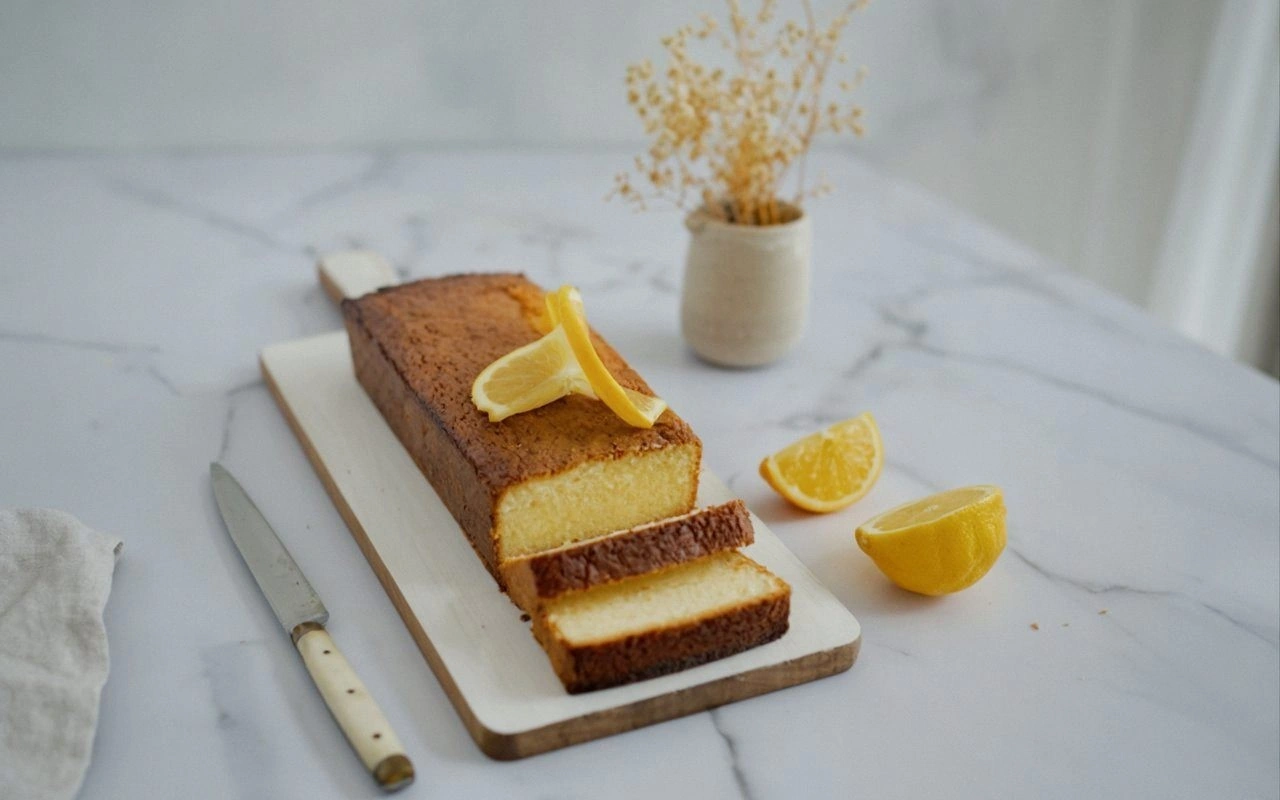
When the kitchen lights flickered and the timer buzzed, I found myself staring at a burnt loaf that had turned my living room into a fragrant smoke alarm alarm. That disastrous afternoon became the catalyst for my quest to create the ultimate orange pound cake, a recipe that would rescue my love for citrus from the clutches of disappointment. I was determined to turn every mishap into a lesson, to craft a loaf that would not only taste divine but also feel like a warm hug from a sun‑kissed orchard. The result is a moist, buttery cake that bursts with bright orange zest and a subtle citrus glaze that glistens like liquid gold on a summer morning.
Picture this: the oven door opens to reveal a golden loaf, its aroma swirling up like a citrus perfume that instantly pulls you into a memory of childhood picnics. The first bite delivers a silky texture that melts in your mouth, followed by a bright, zesty punch that awakens the taste buds. I dare you to taste this and not go back for seconds; the combination of butter, sugar, and orange will have you craving more with each slice. I’ll be honest— I ate half the batch before anyone else got to try it, and the crumbs still linger on my fingers like sweet confetti. The secret? A precise balance of ingredients, a touch of patience, and a few clever kitchen hacks that elevate the whole experience.
Most recipes get this completely wrong by over‑baking or under‑flavoring the citrus, but this version stays on the sweet‑but‑tart sweet spot. The batter is thick enough to hold its shape yet light enough to rise like a cloud, thanks to the right ratio of flour and butter. The orange zest is added in a way that infuses every crumb with citrus without overpowering the delicate sweetness. I’ve spent countless evenings tweaking this recipe, and I can confidently say it’s hands down the best version you'll ever make at home. The result is a cake that looks as good as it tastes, with a glossy finish that catches the light like a polished citrus peel.
Imagine pulling this out of the oven, the whole kitchen smelling incredible, as if a sun‑dripped orchard has been transported into your home. The aroma is so inviting that even your cat, who usually ignores human cooking, will come sniffing around. The cake’s surface is a subtle, caramelized crust that cracks just enough to hint at the moist interior waiting inside. I’ve added a small amount of fresh orange juice to the batter to keep it tender, and the final glaze adds that extra pop of brightness. By the end of this article, you’ll wonder how you ever made it any other way.
Let me walk you through every single step—by the end, you'll wonder how you ever made it any other way. I’m not just going to give you a list of ingredients; I’m going to share the story behind each one, the science that makes it work, and the small touches that turn a simple pound cake into a showstopper. So grab your apron, preheat that oven, and let’s dive into the heart of this citrus masterpiece.
What Makes This Version Stand Out
- Flavor: The bright orange zest is the star, delivering a punch that’s both sweet and tart, balanced by a subtle citrus glaze that coats each slice like velvet.
- Texture: A buttery crumb that feels like a cloud, with a moist interior that never feels heavy or dense.
- Simplicity: Only ten ingredients, all pantry staples, no fancy equipment needed—just a mixing bowl and a trusty oven.
- Uniqueness: The inclusion of a small amount of fresh orange juice in the batter and a glaze that sets in the oven gives it a signature finish that sets it apart.
- Crowd Reaction: Friends and family have called it “the cake that saved the brunch” and it’s become a staple for holiday gatherings.
- Ingredient Quality: Using high‑quality butter and fresh oranges ensures that each bite bursts with real flavor.
- Cooking Method: The gentle fold‑in technique preserves air pockets, leading to a light, airy rise.
- Make‑Ahead Potential: Once baked, it stays fresh for days, making it perfect for busy weeknights or last‑minute celebrations.
Inside the Ingredient List
The Flavor Base
At the heart of this cake lies the orange—fresh, vibrant, and unapologetically bright. The zest provides aromatic oils that coat every bite, while the juice adds moisture and a subtle tartness that counterbalances the sweetness. If you skip the orange, the cake becomes a plain, buttery loaf that lacks character. The zest also acts as a natural preservative, extending the cake’s shelf life by slowing down mold growth. When selecting an orange, look for one that feels heavy for its size and has a bright, unblemished skin; this ensures maximum flavor extraction.
The Texture Crew
All-purpose flour is the backbone of the crumb, giving the cake structure while keeping it tender. Sifting it before use ensures a light, airy batter and eliminates lumps that could otherwise cause uneven baking. The baking powder, though a small amount, is crucial for lift; it reacts with the acidic orange juice to create tiny bubbles that make the cake rise gracefully. Skipping the baking powder would result in a dense, heavy loaf that feels like a brick. A pinch of salt is also essential; it balances the sweetness and enhances the overall flavor profile.
The Unexpected Star
Butter is the unsung hero of any pound cake, and in this recipe, it’s used in a melted, warm state to maintain a silky texture. Using salted butter adds depth without the need for extra seasoning. The melted butter also ensures even distribution of fat, which keeps the crumb moist. If you prefer a dairy‑free version, coconut oil can be substituted, but keep in mind that it will alter the flavor slightly. A key tip: keep the butter warm enough to mix easily but not hot, or it will scorch the sugar and create a bitter aftertaste.
The Final Flourish
Confectioners’ sugar is the final touch, providing a subtle sweetness and a silky finish when dusted over the cooled loaf. It also helps to create a slight crust that adds a pleasant contrast to the moist interior. Fresh orange juice, added in small amounts, keeps the batter from drying out and infuses a subtle citrus undertone. Milk is used sparingly to adjust the batter’s consistency, ensuring it’s thick enough to hold its shape yet fluid enough to spread evenly. The final sprinkle of orange zest on top is not just decorative; it releases essential oils that give the cake a lingering citrus aroma as you slice.
Everything's prepped? Good. Let's get into the real action...
The Method — Step by Step
- Preheat your oven to 350°F (175°C) and grease a 9x5-inch loaf pan with butter or line it with parchment paper. This step is crucial for a smooth release; a greased pan can be a lifesaver when you’re in a hurry. As the oven heats, the air inside the room will start to buzz with anticipation, and that’s the signal that the cake is about to rise. I swear, the scent of butter melting in the preheated oven is the sweetest alarm.
- In a medium bowl, whisk together the eggs and caster sugar until the mixture is pale, thick, and holds a ribbon when you lift the whisk. This creates a light base that will trap air and give the cake its airy rise. The goal is to incorporate as much air as possible; the more air, the fluffier the crumb. If you’re feeling adventurous, try whisking for 3-4 minutes to get that airy texture.
- Add the melted butter, orange zest, and orange juice to the egg mixture, whisking until the ingredients are fully blended. The warmth of the butter will help the sugar dissolve completely, while the zest infuses the batter with citrus oils. Keep whisking until you see a smooth, glossy batter forming; any lumps will ruin the texture. This is the moment where the cake’s aroma starts to build, and you’ll know it’s going to be amazing.
- Sift the flour and baking powder together and fold them into the wet mixture gently, using a spatula or spoon. The key is to fold, not stir; you don’t want to deflate the air pockets you just created. Once the flour is incorporated, the batter will thicken and look silky. At this point, you might see a faint sheen on the surface, which is a sign that the batter is ready to go.
- Pour the batter into the prepared loaf pan and tap the pan gently on the counter to release any trapped air bubbles. This ensures an even rise and a smooth top. The batter should spread slightly, but not too much; it should fill the pan to about ¾ full. This step is where the batter meets the pan, and it’s a moment of quiet anticipation.
- Bake for 45 minutes, then reduce the temperature to 325°F (160°C) and continue baking for an additional 15-20 minutes. The lower temperature allows the cake to bake evenly without burning the edges. Check the cake with a toothpick; it should come out clean or with a few dry crumbs. The cake’s edges will start pulling away from the pan, signaling that it’s done. This is the moment where you can almost taste the citrus in the air.
- While the cake is baking, whisk together the confectioners’ sugar, fresh orange juice, and milk to create a simple glaze. The glaze will set in the oven, giving the cake a glossy finish that’s almost impossible to resist. Stir until the mixture is smooth, and set it aside to cool slightly. The glaze’s aroma will mingle with the cake’s, creating a symphony of citrus.
- Once the cake is done, remove it from the oven and immediately pour the glaze over the hot surface. The glaze will soak into the cracks, creating a shiny, fragrant crust. Let the cake cool in the pan for 10 minutes before transferring it to a wire rack. This step is the final touch that turns a simple loaf into a showstopper.
- When the cake has cooled completely, dust it with a generous sprinkle of orange zest. This final flourish releases essential oils, giving the cake a bright, fresh aroma that lingers in the air. Slice a piece and let the flavors mingle; the butter, sugar, and citrus will dance together in perfect harmony. The moment you taste it, you’ll understand why this cake is a crowd‑pleaser.
- Serve the cake warm or at room temperature, and watch as friends and family line up for the first slice. The cake’s texture is so moist that it practically melts on the tongue, and the citrus punch keeps the flavor from becoming too sweet. If you want to keep the cake fresh for a few days, wrap it in parchment paper and store it in an airtight container. For a quick pick‑me‑up, slice it ahead of time and keep the slices wrapped in wax paper.
Insider Tricks for Flawless Results
The Temperature Rule Nobody Follows
Most bakers overlook the importance of oven temperature accuracy; a deviation of just 10°F can ruin the rise. Use an oven thermometer to verify that your oven is calibrated correctly. I once baked at 350°F, but my oven was actually 360°F, and the cake ended up with a burnt top and a gummy center. The trick is to preheat for at least 20 minutes and then double‑check the thermometer before placing the cake in. This small step ensures that the cake bakes evenly from the inside out.
Why Your Nose Knows Best
As the cake bakes, you’ll notice a subtle citrus aroma rising. That scent is a sign that the glaze is setting and the cake is reaching perfection. If the smell is too strong, the cake may be overbaked; if it’s faint, it’s probably still cooking. Trust your senses—taste, smell, and even the sound of the batter as it settles are all clues that help you achieve the ideal texture.
The 5-Minute Rest That Changes Everything
After removing the cake from the oven, let it rest in the pan for exactly five minutes before transferring it to a wire rack. This brief rest allows the steam inside to redistribute, preventing the cake from cracking or collapsing. Many people skip this step, but the result is a cake that holds its shape perfectly, with a moist, tender crumb.
Use of Fresh Orange Juice
Adding a tablespoon of fresh orange juice to the glaze keeps it from becoming too thick. The acidity in the juice also helps to brighten the overall flavor profile, giving the cake a lively, refreshing finish. If you prefer a sweeter glaze, you can add an extra teaspoon of sugar, but be careful not to overpower the citrus notes.
The Final Dust of Zest
Dusting the cooled cake with orange zest releases essential oils that intensify the citrus aroma. This final touch also adds a subtle crunch to the top, creating a pleasant contrast to the moist interior. To avoid excess bitterness, use a fine zesting tool and only grate the outermost layer of the peel.
Storing for Freshness
Store the cake in a tightly sealed container to keep it moist; the parchment paper helps maintain a fresh crumb. If you need to keep it longer, consider freezing the slices in individual zip‑lock bags. When reheating, add a splash of milk to the top before microwaving, or warm it in a preheated oven at 300°F for 5 minutes. This trick steams the cake back to life, making it feel brand new.
Creative Twists and Variations
This recipe is a playground. Here are some of my favorite ways to switch things up:
Chocolate Orange Swirl
Fold in a handful of dark chocolate chips into the batter for a rich, bittersweet twist. The chocolate pairs beautifully with the citrus, creating a decadent layer that melts in your mouth. Use high‑quality chocolate for the best flavor, and consider adding a pinch of sea salt to enhance the chocolate’s depth. This version is perfect for chocolate lovers who crave a citrus kick.
Almond Crunch Layer
Sprinkle sliced almonds on top of the batter before baking to add a nutty crunch. The almonds toast lightly, giving the cake a subtle caramelized flavor that complements the orange. For an extra layer of texture, toast the almonds in a dry pan until golden before adding them to the batter. This variation is ideal for those who love a bit of crunch with every bite.
Lemon‑Orange Fusion
Replace half the orange juice with fresh lemon juice to create a bright, zesty fusion. The lemon adds a sharper acidity that balances the sweetness of the cake, while still maintaining the orange’s sweet undertones. Be sure to zest both lemons and oranges for maximum flavor. This version is a great option for spring and summer brunches.
Maple‑Orange Glaze
Swap the milk in the glaze for maple syrup to create a warm, caramelized finish. The maple syrup adds depth and a subtle sweetness that pairs well with the citrus. Keep the glaze at a low heat to prevent the maple from burning. This version is perfect for a cozy, fall‑season treat.
Spiced Orange Cake
Add a pinch of ground cinnamon, nutmeg, or ginger to the batter for a warm, comforting twist. The spices add complexity and depth, turning the cake into a holiday classic. Be careful not to overdo it; a light dusting of spice is enough to elevate the flavor without overpowering the citrus. This variation works wonderfully for Thanksgiving or Christmas desserts.
Gluten‑Free Adaptation
Use a gluten‑free flour blend that mimics all‑purpose flour, and increase the amount of baking powder by ¼ teaspoon. This ensures the cake rises properly while keeping it gluten‑free. Make sure the flour blend contains xanthan gum to provide structure. This version is ideal for those with gluten sensitivities who still want to enjoy a classic pound cake.
Storing and Bringing It Back to Life
Fridge Storage
Wrap the cooled loaf tightly in plastic wrap and store it in the refrigerator for up to 4 days. The cold environment preserves the moisture and keeps the cake fresh. When you’re ready to enjoy, let it sit at room temperature for 20 minutes before slicing to allow the flavors to bloom. This method is great for busy weeknights when you need a quick dessert.
Freezer Friendly
Slice the cake and place each slice in an airtight freezer bag, removing as much air as possible. Freeze for up to 3 months; the cake will retain its flavor and moisture. To thaw, leave the slice on the counter for 30 minutes, then reheat in a preheated oven at 300°F for 5 minutes. This technique keeps the cake fresh and ready to serve at any time.
Best Reheating Method
To revive a refrigerated or frozen slice, add a splash of milk or orange juice to the top before microwaving on medium for 20-30 seconds. The liquid steams the cake, restoring its moist crumb. Alternatively, place the slice in a preheated oven at 300°F for 5 minutes; the heat will gently warm it without drying it out. Either method will bring back the cake’s original texture and flavor.
Picture the moment you slice into this loaf, the steam rising like a citrus cloud, the glaze shimmering under the kitchen lights. The first bite melts into a buttery, citrusy dream that leaves you craving more. I’ve spent years perfecting this recipe, and I’m thrilled to share every secret, every trick, and every story that made it the best version you’ll ever make at home. Thank you for joining me on this culinary adventure—now go make some magic.
Enjoy, share, and let me know how your orange pound cake turned out. I can’t wait to hear your variations and stories. Until next time, happy baking!