I was halfway through a late‑night binge on the internet when my kitchen turned into a fragrant chaos zone. The moment the sautéed onions hit the pan, the aroma of garlic and ginger began to swirl, and I realized I had accidentally dropped a handful of curry powder into the mix. The result? A dish that tasted like a tropical sunrise with a kick that could wake the dead. I stared at the pot, laughed, and decided that this accidental creation deserved a proper, polished recipe.
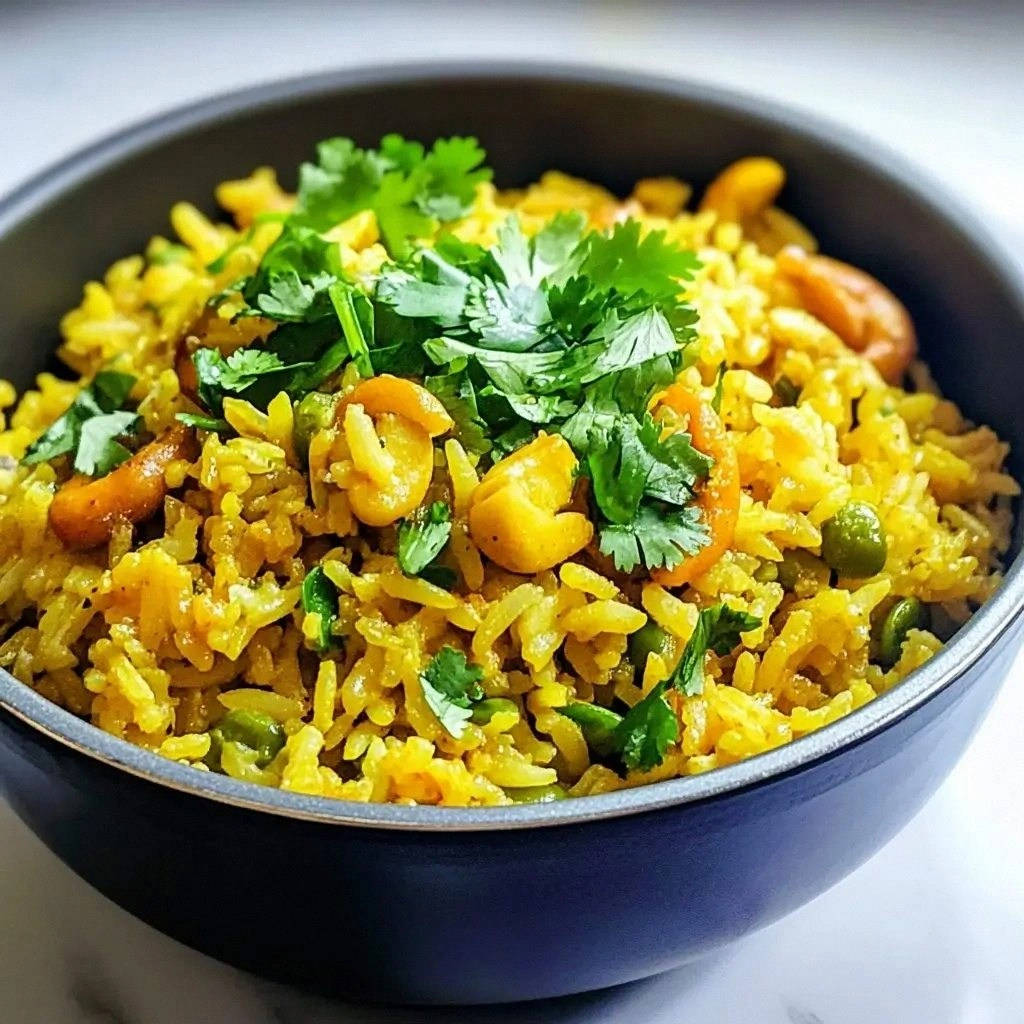
The first thing you notice is the deep amber hue of the rice, glistening like polished amber under the kitchen light. As you stir, the fragrant steam rises, carrying notes of cumin, coriander, and a subtle earthy sweetness from the coconut milk. The texture is a satisfying contrast: the rice grains are fluffy and separated, while the vegetables remain crisp, each bite delivering a burst of flavor. The finish is a silky coat of curry that clings to the grains, turning every spoonful into a silky, aromatic experience.
What sets this version apart is the meticulous layering of flavors and the balance of heat and sweetness. Unlike many quick‑fix recipes that dump everything in at once, I build the dish in stages, letting each component develop its own depth. The result is a rice that is not just a side dish but a star, capable of standing alone or elevating a protein. I dare you to taste this and not go back for seconds; the savory, slightly sweet, and warm spice profile will have you craving more.
And here’s the kicker: a single splash of lime juice at the end transforms the entire dish, brightening the flavors and adding a subtle citrusy lift that feels like a fresh breeze. That little secret will make your friends question how they ever cooked curried rice before. Let me walk you through every single step — by the end, you'll wonder how you ever made it any other way.
What Makes This Version Stand Out
- Taste: The combination of coconut milk, curry powder, and fresh lime creates a flavor profile that is both comforting and invigorating. The dish is sweet, savory, and slightly tangy, with a gentle heat that lingers without overpowering.
- Texture: Long‑grain rice remains fluffy and separated, while the vegetables stay crisp. The sauce coats each grain like velvet, giving a silky mouthfeel that’s hard to resist.
- Ingredient Quality: Using fresh ginger, garlic, and a high‑quality curry powder ensures depth. The coconut milk should be creamy, not watered down, for maximum richness.
- Cooking Method: Sautéing aromatics before adding rice and liquids locks in flavors and prevents the rice from becoming mushy.
- Make‑Ahead Potential: The dish tastes even better the next day, making it perfect for meal prep or a quick dinner after a busy day.
- Versatility: Add protein or keep it vegetarian; swap vegetables to suit seasonal produce or personal preference.
- Crowd Reaction: Friends and family often ask for the recipe after tasting it, saying it’s the best curried rice they’ve ever had.
- Ease of Scaling: The recipe scales up or down without losing flavor, making it ideal for both intimate dinners and larger gatherings.
Alright, let's break down exactly what goes into this masterpiece. The next section will walk you through each ingredient group, why they matter, and how you can tweak them to your taste.
The Flavor Base
At the heart of this dish lies the aromatic foundation: onions, garlic, and ginger sautéed until they’re golden and fragrant. This trio releases essential oils that become the flavor backbone of the rice. Skipping this step would leave the dish flat and lacking depth. If you’re not a fan of garlic, a pinch of garlic powder can substitute, but the fresh version is irreplaceable.
Curry powder is the star of the show. It’s a blend of spices—typically cumin, coriander, turmeric, and sometimes fenugreek—that gives the dish its signature warmth and color. Use a good quality, freshly ground powder to avoid a dull, chalky taste. If you can’t find pre‑made curry powder, you can make your own by combining equal parts ground cumin, coriander, and turmeric with a pinch of cayenne for heat.
Coconut milk adds a creamy, tropical richness that balances the earthiness of the spices. It also helps to mellow the heat, creating a smooth, velvety texture. Opt for full‑fat coconut milk for a richer sauce, or use light coconut milk if you’re watching calories.
The Texture Crew
The vegetables—carrots, peas, and bell pepper—contribute both color and crunch. Carrots add a subtle sweetness, while peas provide a pop of green that’s visually appealing. Bell pepper brings a bright, slightly sweet flavor that cuts through the richness of the coconut milk. If you’re in a pinch, frozen peas and carrots work just as well, but fresh produce yields a more vibrant taste.
The rice itself is the canvas. Long‑grain white rice is preferred because it stays separate and fluffy, avoiding a sticky, clumpy texture that can result from short‑grain or jasmine rice. Rinse the rice under cold water until the water runs clear to remove excess starch and ensure a lighter final product.
The Unexpected Star
Lime juice is the secret weapon that elevates this dish. A splash of lime at the end brightens the flavors, adds a subtle acidity, and balances the sweetness from the coconut milk. It also enhances the aroma, making the dish feel fresh and lively. If you’re not a fan of citrus, a dash of rice vinegar can offer a similar brightening effect.
The Final Flourish
Fresh cilantro is the finishing touch that adds a herbal, slightly peppery note. It’s not just for garnish; it’s an integral flavor component that provides a burst of freshness. If cilantro isn’t to your taste, parsley or basil can be used as alternatives, though the flavor profile will shift slightly.
Everything's prepped? Good. Let's get into the real action.
The Method — Step by Step
- Begin by heating a large, heavy‑bottomed skillet or Dutch oven over medium heat. Add the tablespoon of vegetable oil and let it shimmer. Once the oil is hot, drop in the diced onion. Sauté until the onion turns translucent and starts to caramelize, about 4–5 minutes. This step builds the base flavor; don’t rush it—slow caramelization brings out sweetness.
- Add the minced garlic and ginger to the pan. Stir constantly to prevent burning, and cook until the mixture is fragrant and the raw scent fades, roughly 30 seconds. The aroma should be intoxicating—if it feels flat, give it a minute more.
- Introduce the diced carrot and bell pepper, stirring to coat them in the aromatics. Cook for 2–3 minutes until the vegetables start to soften but still retain a slight bite. This preserves their crunch and color.
- Stir in the curry powder, cumin, coriander, turmeric, salt, and pepper. Toss everything together so the spices coat the vegetables evenly. Let the spices toast in the oil for about 1 minute; you should see a fragrant puff of steam, indicating that the spices are releasing their oils.
- Add the rinsed rice to the skillet, stirring vigorously to ensure each grain is coated with the spice‑oil mixture. Cook for 2 minutes, allowing the rice to toast lightly. The rice should start to turn a pale golden hue, signaling that it’s ready to absorb liquids.
- Pour in the coconut milk and water, stirring to combine. Bring the mixture to a gentle boil, then reduce the heat to low. Cover the pan and let the rice simmer for 15 minutes, or until the liquid is absorbed and the rice is tender. Avoid lifting the lid during this period; the steam is essential for even cooking.
- Halfway through the simmering time, add the frozen peas and any optional protein (chicken or tofu). Stir gently to distribute the ingredients. If you’re using chicken, ensure it’s pre‑cooked to avoid overcooking in the rice.
- Once the rice is cooked, remove the skillet from heat. Sprinkle the lime juice over the top and stir to combine. The lime will brighten the dish and add a fresh zing that cuts through the richness.
- Fold in the chopped cilantro, reserving a small handful for garnish. The cilantro adds a fresh herbal note that balances the spices.
- Taste and adjust seasoning if necessary—add more salt, pepper, or lime juice to suit your palate. Let the dish rest for 5 minutes before serving; this allows the flavors to meld.
That's it — you did it. But hold on, I've got a few more tricks that'll take this to another level. Let’s dive into the insider tips that make this dish truly unforgettable.
Insider Tricks for Flawless Results
The Temperature Rule Nobody Follows
Cooking rice at the wrong temperature can ruin the texture. The key is a gentle simmer after the initial boil. If the heat is too high, the liquid will evaporate too quickly, leaving the rice undercooked. Conversely, too low a heat will cause the rice to stick to the pan. I always set the stove to medium‑low and let the pot come to a slow, steady simmer.
Why Your Nose Knows Best
Smell is your best judge of doneness. As the rice cooks, you’ll notice a toasty, nutty aroma that signals the spices are fully integrated. If the smell feels flat or raw, give it another minute. Your nose knows when the flavors have melded perfectly.
The 5-Minute Rest That Changes Everything
After you remove the pot from heat, let the rice sit covered for 5 minutes. This resting period allows steam to finish cooking the rice and helps the grains separate. It also lets the flavors settle, making each bite more cohesive.
The Secret of Fresh Coconut Milk
Coconut milk can separate into a thick layer and watery base if left to sit. To keep it smooth, whisk the milk before adding it to the pan. This ensures a uniform consistency and prevents clumps.
The Quick Heat Trick
If you’re in a hurry, use a microwave‑safe bowl to pre‑heat the coconut milk and water mixture. This reduces the total cooking time by a couple of minutes, but keep the simmering time the same to avoid undercooked rice.
The Final Touch: A Dash of Ghee
Adding a tablespoon of clarified butter (ghee) at the end of cooking gives the dish a buttery richness and a glossy finish. It also enhances the aroma of the spices, making the dish feel more indulgent.
Creative Twists and Variations
This recipe is a playground. Here are some of my favorite ways to switch things up:
Tropical Twist
Swap the coconut milk for a blend of coconut milk and pineapple juice. Add diced pineapple for a sweet, tropical flavor that pairs beautifully with the spices.
Protein Power
Add diced, marinated tofu or grilled chicken thighs for a hearty protein boost. Marinate the protein in lime juice, garlic, and a pinch of cumin before cooking.
Vegan Boost
Use a vegan curry sauce and replace the dairy with almond milk. Add a handful of chickpeas for extra protein and a satisfying bite.
Spicy Kick
Incorporate a tablespoon of fresh chopped chili or a dash of cayenne pepper to amplify the heat. The dish will still balance with the coconut milk’s richness.
Herb Garden
Add a mix of fresh herbs—basil, mint, and parsley—alongside cilantro for a layered herbal profile. This variation works well with grilled fish.
Gluten-Free Upgrade
Serve the rice over a bed of cauliflower rice or quinoa to keep it gluten‑free. The spices will still coat the grains, delivering the same comforting flavor.
Storing and Bringing It Back to Life
Fridge Storage
Cool the rice to room temperature, then transfer it to an airtight container. Store in the refrigerator for up to 4 days. The flavors deepen, making it even more delicious the next day.
Freezer Friendly
Pack the rice in freezer‑safe bags or containers, removing as much air as possible. Freeze for up to 3 months. Thaw overnight in the fridge or microwave on low heat, stirring occasionally.
Best Reheating Method
Add a splash of water or coconut milk before reheating to restore moisture. Reheat on the stove over low heat, stirring until warmed through, or use the microwave for 2–3 minutes, stirring halfway. The tiny splash of liquid will steam the rice back to its original fluffy texture.