Last Tuesday, I was scrambling to salvage a batch of potstickers that had stubbornly refused to crisp. The kitchen smelled like a burnt popcorn disaster, and I felt a pang of culinary despair. Then, a friend texted me a recipe titled "Comforting Thai Potsticker Sou" that promised a rescue mission. I was skeptical, but the idea of turning those soggy dumplings into a steaming bowl of comfort was irresistible. I grabbed my apron, and the adventure began.
Picture the moment the first potsticker sizzles against the pan, sending a burst of aroma that mingles with the sharp, citrusy scent of lime. The sizzle crackles like a tiny drum, announcing that the surface is about to turn golden. The broth, once a plain liquid, becomes a fragrant broth that smells of ginger, garlic, and coconut. Your eyes widen at the glossy sheen of the coconut milk, and you feel the heat radiating from the pot. The taste, if you could taste it now, would already feel like a warm hug.
This version is a game‑changer because it transforms ordinary potstickers into a silky, aromatic soup that feels like a hug from the inside. The secret is the coconut milk, which coats the noodles and dumplings in a velvety blanket that carries every flavor. The fresh lime juice cuts through the richness, giving it a bright, lively edge. The combination of shredded chicken and edamame adds protein and texture without overwhelming the bowl. And the final flourish of soft‑boiled eggs gives a luxurious, velvety finish.
Most people skip the step of lightly searing the potstickers before adding the broth, but that tiny sear is the key to a crispy edge that shatters like thin ice. I also discovered that adding a splash of rice vinegar during the simmer creates a subtle tang that balances the coconut. And if you want to elevate the dish, a drizzle of chili oil at the end turns it into a spicy, aromatic masterpiece.
Picture yourself pulling this bowl out of the stove, the whole kitchen smelling incredible, and the steam curling around your face like a comforting cloud. I dare you to taste this and not go back for seconds because once you do, you'll wonder how you ever made it any other way. Let me walk you through every single step—by the end, you'll wonder how you ever made it any other way.
If you've ever struggled with bland soups or soggy dumplings, you're not alone—and I've got the fix. This is hands down the best version you'll ever make at home. Stay with me here—this is worth it.
What Makes This Version Stand Out
- Flavor: The coconut milk transforms the broth into a silky, sweet canvas that carries every savory note.
- Texture: Lightly seared potstickers give a crunchy contrast to the soft dumpling interiors and silky noodles.
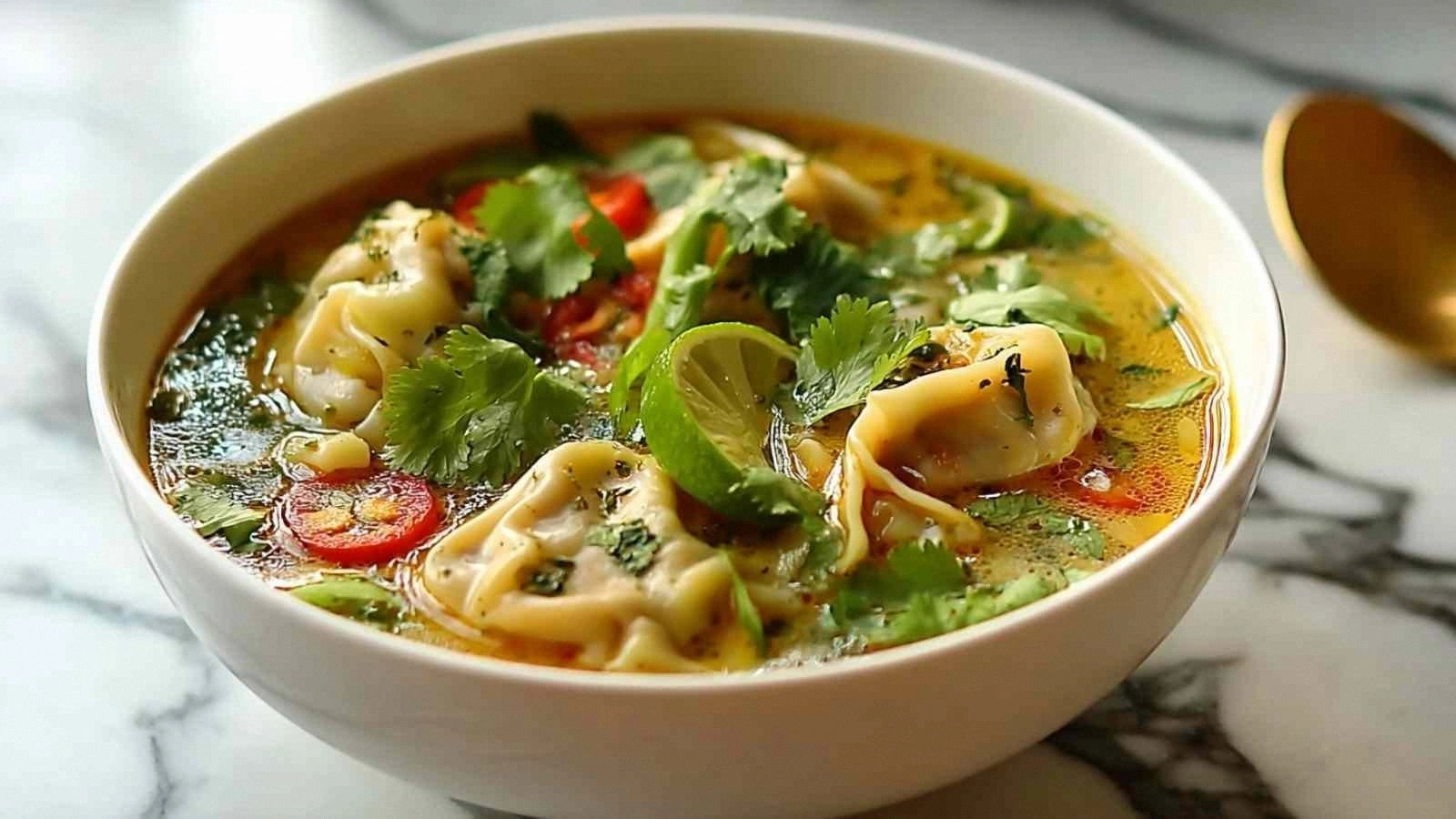
- Visual Appeal: The golden edges of the dumplings and the vibrant green of cilantro create a feast for the eyes.
- Health: With shredded chicken, edamame, and fresh vegetables, this soup is protein‑rich without excess calories.
- Time Efficiency: A 45‑minute turnaround from prep to plate means you can enjoy a gourmet bowl in a hurry.
- Versatility: Swap chicken for tofu, or add shrimp for a seafood twist—this base adapts to your cravings.
- Make‑Ahead: The soup keeps its integrity when refrigerated or frozen, making it perfect for meal prep.
- Audience Impact: Friends and family rave at the first spoonful, and you become the unofficial soup champion.
Alright, let’s break down exactly what goes into this masterpiece…
Inside the Ingredient List
The Flavor Base
The broth is the heart of this soup. Using chicken or vegetable stock provides depth, while the addition of ginger and garlic creates a fragrant foundation. Skipping the ginger will leave the soup feeling flat; the subtle warmth it offers is essential. If you’re short on time, a ready‑made broth works, but fresh stock is the gold standard.
The coconut milk brings a creamy richness that balances the acidity of lime. It coats the noodles and dumplings, giving each bite a silky texture. If you prefer a lighter version, replace half the coconut milk with water or low‑fat coconut milk; the soup will still be luscious.
Soy sauce adds umami and a touch of saltiness. It’s a quick way to deepen the flavor profile. For a gluten‑free version, use tamari or coconut aminos, and adjust the salt accordingly.
The Texture Crew
Potstickers are the star; their thin dough and savory filling provide a delightful bite. Freshly made dumplings will hold up better during the cooking process, but store‑bought ones work if you’re in a hurry. If you prefer a more substantial bite, double the number of potstickers per serving.
Shredded chicken adds protein and a meaty texture that complements the coconut broth. Cooked chicken breast is the simplest choice, but smoked or rotisserie chicken can add an extra layer of flavor. If you’re vegetarian, substitute with tofu or tempeh.
Edamame offers a burst of green and a slight crunch. It also boosts the protein content, making the soup more satisfying. For a different texture, try adding peas or corn instead.
The Unexpected Star
Soft‑boiled eggs are the hidden gem of this recipe. Their velvety yolks mingle with the coconut milk, creating a rich, silky mouthfeel. If you’re unsure about soft‑boiled eggs, try poaching a single egg in the soup; it will mimic the same effect.
The lime juice provides a bright, citrusy lift that cuts through the coconut’s sweetness. Fresh lime is best; bottled juice can be too acidic and overpowering. A splash of rice vinegar can also balance the flavors if you prefer a slightly tangier profile.
Cilantro and green onions add a fresh, herbal note that lifts the soup. They’re optional, but their bright green color and subtle flavor enhance the overall experience. If you’re allergic to cilantro, scallions alone will still provide a lovely finish.
The Final Flourish
Garnishing with cilantro and green onions gives the soup a fresh, aromatic finish that brightens every spoonful. A drizzle of chili oil adds a subtle heat that elevates the dish, but it’s entirely optional. The final flourish is what turns an ordinary bowl into a memorable meal.
Everything’s prepped? Good. Let’s get into the real action…
The Method — Step by Step
- Begin by heating a large skillet or wok over medium‑high heat. Add the tablespoon of cooking oil and swirl to coat. Once the oil shimmers, slide the potstickers into the pan in a single layer, ensuring they have room to cook. Let them sear for 2–3 minutes until the bottoms turn a golden brown. Flip them gently and sear the other side for another 2 minutes, then set aside. This searing step locks in flavor and creates a crisp edge that will contrast beautifully with the broth.
- In the same skillet, add the minced ginger and garlic. Sauté for 30 seconds until fragrant, being careful not to burn the aromatics. The sizzling sound signals that the aromatics are ready to release their aroma. This step builds the flavor base for the soup and ensures the broth is infused with depth.
- Pour in the chicken or vegetable broth, bringing the mixture to a gentle boil. Once boiling, reduce the heat to a simmer and stir in the coconut milk. The broth should be velvety and slightly thickened; if it appears too thin, let it reduce for another minute.
- Stir in the soy sauce, shredded chicken, edamame, and the previously seared potstickers. Allow the soup to simmer for 8–10 minutes, ensuring the potstickers are heated through and the flavors meld. The potstickers should still hold their shape, not become mushy, so keep an eye on the simmer.
- Gently fold in the soft‑boiled eggs, making sure they are warmed but not cracked. The gentle heat will soften the whites and leave the yolks silky. If you prefer a more integrated texture, slice the eggs before adding them to the soup.
- Finish the soup by adding fresh lime juice, cilantro, and green onions. Taste and adjust the seasoning with salt or additional soy sauce if needed. The lime juice should cut through the richness, and the herbs add a bright, fresh finish. Serve hot, and let the steam swirl around your bowl for that comforting aroma.
That's it—you did it. But hold on, I've got a few more tricks that'll take this to another level…
Insider Tricks for Flawless Results
The Temperature Rule Nobody Follows
Many cooks over‑cook the broth, resulting in a watery soup. Keep the simmer low and gentle; a rolling boil will break down the coconut milk and dilute the flavors. If you notice the broth thickening too quickly, add a splash of water to maintain consistency.
Why Your Nose Knows Best
Your sense of smell can tell you when the soup is ready. When the broth smells like a fragrant coconut and the potstickers have a golden hue, it’s time to add the soft‑boiled eggs. Trust your nose—it will save you from a bland bowl.
The 5‑Minute Rest That Changes Everything
After cooking, let the soup rest for five minutes off the heat. This rest period allows the flavors to settle and the coconut milk to thicken slightly, giving the soup a richer mouthfeel. Don’t rush this step; the rest is where the magic happens.
The Secret to Crispy Edges
If you want extra crispness, sprinkle a pinch of rice flour over the potstickers before searing. The flour will absorb excess moisture, creating a crispier crust. Be careful not to over‑coat; you want a thin, even layer.
The Quick Lime Twist
A quick squeeze of lime at the table can brighten the soup right before you take a bite. It’s a simple technique that elevates the dish instantly. Keep a lime wedge on the side for that fresh burst.
Creative Twists and Variations
This recipe is a playground. Here are some of my favorite ways to switch things up:
Spicy Sriracha Splash
Add a tablespoon of Sriracha to the broth for a fiery kick. The heat pairs beautifully with the coconut, creating a spicy‑sweet balance that’s addictive. This version is perfect for heat‑loving diners.
Mushroom Medley
Replace the edamame with sautéed shiitake or cremini mushrooms. The earthy flavor deepens the soup’s profile, while the mushrooms add a meaty texture. This variation is great for vegetarians.
Shrimp Surprise
Swap the shredded chicken for peeled shrimp. Sauté the shrimp briefly before adding it to the soup; the shrimp will cook quickly and infuse a briny flavor. The result is a seafood twist that’s both elegant and comforting.
Vegan Version
Use vegetable broth, tofu, and plant‑based coconut milk. Replace the soy sauce with tamari, and skip the eggs entirely. The soup remains creamy and flavorful, making it a satisfying vegan option.
Breakfast Bowl
Serve the soup with a side of toasted bread and a fried egg on top. The added protein and carbs make it a hearty breakfast that keeps you full all morning. It’s a delightful twist that turns a dinner dish into a brunch favorite.
Storing and Bringing It Back to Life
Fridge Storage
Cool the soup completely before transferring it to an airtight container. Store in the refrigerator for up to 3 days. The coconut milk may separate slightly; give it a quick stir before reheating. Keep the potstickers on a separate plate if you want them crisp.
Freezer Friendly
For longer storage, portion the soup into freezer‑safe containers, leaving a little headspace for expansion. Freeze for up to 2 months. Thaw overnight in the refrigerator or use the defrost setting on your microwave. Reheat gently on the stove, adding a splash of water if needed to restore the broth’s consistency.
Best Reheating Method
Reheat the soup over low heat, stirring occasionally. Add a tablespoon of water or broth to thin it if it has thickened. If you’re in a hurry, use the microwave, but stir halfway through to ensure even heating. Finish with a fresh squeeze of lime and a sprinkle of cilantro for a bright finish.