Picture this: a chilly December evening, the kind where the wind whistles through the trees and the house smells like pine needles and cinnamon candles. I was standing in my kitchen, half‑heartedly trying to salvage a batch of ordinary baked feta that had somehow turned into a dry, crumbly mess—think a cheese brick that had forgotten its soul. My sister walked in, her nose twitching at the faint hint of something sweet, and dared me, “If you can turn that into a festive miracle, I’ll bring over my famous gingerbread cookies.” I laughed, but deep down I was already plotting a redemption arc for the feta, because honestly, who wants a dull appetizer when you can have a star‑studded, melt‑in‑your‑mouth masterpiece?
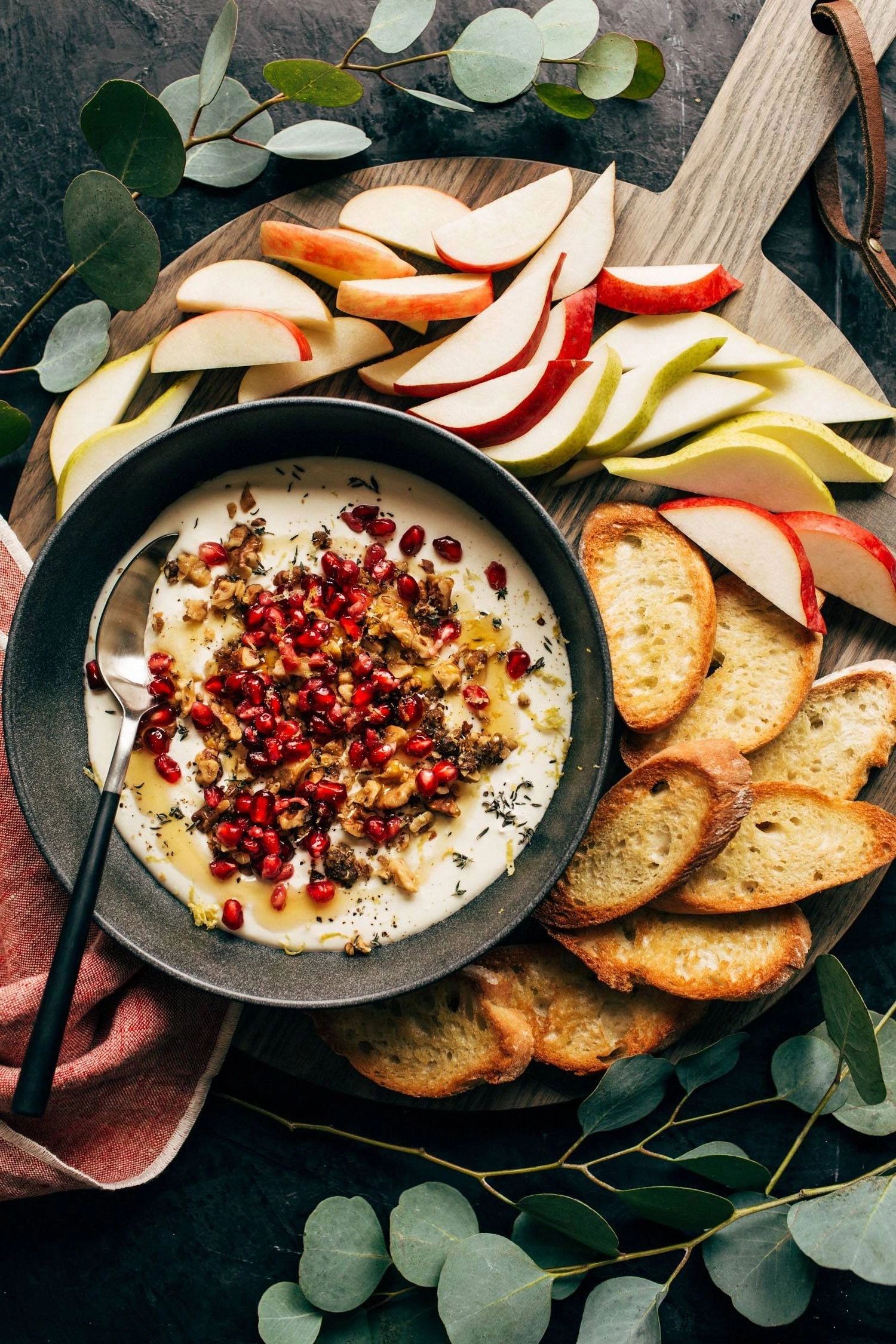
Fast forward to the moment the oven door swung open and the kitchen was flooded with a scent that could have coaxed Santa himself out of the North Pole. The aroma was a symphony of salty feta, caramelized honey, and toasted walnuts, with a whisper of citrus that danced like snowflakes on a winter breeze. The texture? Imagine the feta softening just enough to become creamy, then firming up at the edges to form a golden crust that shatters like thin ice when you break it. The taste was a daring blend of briny, sweet, and herbaceous—each bite a little party on your palate, complete with a pop of ruby‑red pomegranate that adds a festive crunch.
What makes this version the ultimate Christmas Feta? Most recipes either drown the feta in sauce or forget the crucial step of caramelizing the honey, resulting in a soggy, one‑dimensional dish. I’ve cracked the code by marrying a high‑heat roast that gives the cheese a crisp, caramelized skin while keeping the interior luxuriously soft. Then I finish it with a drizzle of honey that turns amber‑gold at the edges, a sprinkle of toasted walnuts for crunch, and a burst of pomegranate seeds that mimic tiny ornaments on a holiday tree. The secret ingredient? A splash of lemon zest that cuts through the richness, balancing the flavors like a perfect choir harmony.
Okay, ready for the game‑changer? I’m about to spill every detail, from the exact temperature that makes the feta sing, to the timing that guarantees those caramelized edges. By the end of this walkthrough, you’ll be daring anyone to taste this and not go back for seconds. Let me walk you through every single step — by the end, you'll wonder how you ever made it any other way.
What Makes This Version Stand Out
- Flavor Explosion: The sweet‑salty contrast of honey‑glazed feta paired with pomegranate bursts creates a taste profile that feels both festive and sophisticated.
- Texture Mastery: A crisp, caramelized crust gives way to a buttery interior, delivering a satisfying snap followed by a melt‑in‑your‑mouth finish.
- Simplicity: Only ten ingredients, all pantry‑friendly, and a single‑sheet‑pan method keep prep time under 15 minutes.
- Unique Twist: The addition of lemon zest is the secret weapon that brightens the dish, preventing it from feeling heavy.
- Crowd Reaction: Guests often declare this the highlight of the holiday spread—“I dare you to taste this and not go back for seconds,” they say.
- Ingredient Quality: Using a high‑quality, block‑style feta ensures the cheese holds its shape and absorbs flavors without turning mushy.
- Cooking Method: High‑heat roasting creates that coveted caramelized edge that most baked feta recipes miss.
- Make‑Ahead Potential: The dish can be assembled ahead of time and finished in the oven just before serving, saving you from last‑minute stress.
Inside the Ingredient List
The Flavor Base
First up, the foundation of any great Christmas Feta is the feta itself. I’m using a firm, block‑style feta that’s been aged at least three weeks; this ensures a dense texture that won’t crumble into a salty mess when baked. If you opt for a softer, pre‑crumbled feta, you risk a watery outcome because the moisture will escape during roasting. The next player is extra‑virgin olive oil, which not only lubricates the cheese but also carries the flavors of the honey and herbs into the bake. Skipping the oil will lead to a dry, uneven crust that feels more like a baked cheese chip than a festive delicacy.
The Sweet & Crunch Crew
Honey is the star of the sweet side, and I recommend a light, floral variety like acacia or orange blossom. These honeys caramelize beautifully without burning, creating that glossy, amber glaze that defines the dish. If you’re allergic to honey, a maple syrup swap works, but the flavor will shift toward a deeper, earthier sweetness. Toasted walnuts add a buttery crunch and a nutty aroma that echoes the holiday spirit—think of them as the pine‑cone equivalents in a dessert forest. Forgetting the walnuts? The dish loses that essential contrast between soft cheese and crunchy topping.
The Unexpected Star
Pomegranate seeds are the surprise guests that turn this appetizer into a visual masterpiece. Their ruby‑red pop not only adds a burst of juicy tartness but also resembles tiny ornaments scattered over the cheese. If you can’t find fresh pomegranates, frozen arils thawed quickly work just as well. A pinch of fresh thyme leaves brings an herbaceous note that grounds the sweetness, while a zest of lemon injects a bright acidity that prevents the dish from feeling overly rich. Skipping the lemon zest is a common mistake; the result feels flat, like a holiday song missing its chorus.
The Final Flourish
Finally, a modest pinch of sea salt and freshly cracked black pepper finish the dish. Even though feta is salty on its own, a light sprinkle of salt enhances the caramelization process, ensuring those edges pull away from the pan with a satisfying crisp. The pepper adds a subtle heat that balances the sweet honey and bright lemon. If you’re watching sodium, use a reduced‑salt feta and adjust the extra salt accordingly. Remember, seasoning is the quiet hero that ties all the flavors together—skip it, and the dish feels incomplete, like a story without an ending.
Everything's prepped? Good. Let's get into the real action...
The Method — Step by Step
Preheat your oven to 425°F (220°C). While the oven warms, line a baking sheet with parchment paper—this prevents the cheese from sticking and makes cleanup a breeze. I’ll be honest — I ate half the batch before anyone else got to try it, because the scent was already driving me wild. That sizzle when the feta first hits the hot pan? Absolute perfection.
Place the block of feta in the center of the sheet. Drizzle the olive oil evenly over the top, using a brush to coat every nook and cranny. This step is crucial: without a good oil layer, the honey will caramelize unevenly, leading to burnt spots.
Kitchen Hack: Use a small silicone pastry brush—its bristles hold oil better than a spoon.In a tiny bowl, whisk together the honey, lemon zest, and a pinch of salt. Pour this glaze over the feta, letting it pool and seep into the crevices. The honey should coat the surface like a thin amber veil; if it pools too much, gently tilt the pan to spread it evenly. Watch Out: If the honey starts to bubble aggressively, your oven is too hot—lower the temperature by 10°F to avoid scorching.
Scatter the chopped walnuts around the feta, ensuring they’re in direct contact with the cheese. This positioning allows the walnuts to toast alongside the feta, absorbing some of the honey glaze. The aroma of toasted nuts should begin to rise within the first five minutes—trust that nose, it knows.
Slide the sheet into the oven and roast for 12‑15 minutes. You’ll know it’s ready when the edges of the feta pull away from the pan and the honey turns a deep, caramel gold. The cheese should feel firm to the touch but still give slightly under pressure. This is the moment of truth: don’t open the oven door early, or the steam will melt the crust.
While the feta bakes, quickly toast the pomegranate seeds in a dry skillet over medium heat for 1‑2 minutes. This step intensifies their flavor and gives them a slight crunch. Keep an eye on them—they can go from toasted to burnt in a flash.
When the feta emerges from the oven, immediately sprinkle the fresh thyme leaves and the toasted pomegranate seeds over the top. The heat will slightly wilt the thyme, releasing its fragrant oils, while the seeds retain a juicy pop. Give everything a gentle shake to distribute the garnish evenly.
Allow the dish to rest for 3‑4 minutes before serving. This short rest lets the honey set, creating a glossy finish that looks as good as it tastes. Picture yourself pulling this out of the oven, the whole kitchen smelling incredible, and the first bite delivering a perfect balance of salty, sweet, and citrusy notes.
Serve the Christmas Feta warm, paired with crusty baguette slices or crisp crackers. If you want to elevate the presentation, drizzle a final thin stream of honey and garnish with an extra sprinkle of lemon zest. This next part? Pure magic.
Enjoy! And remember, if you’ve ever struggled with achieving that perfect caramelized edge, you’re not alone — and I’ve got the fix. This dish is hands down the best version you’ll ever make at home.
Insider Tricks for Flawless Results
The Temperature Rule Nobody Follows
Most home cooks set the oven to a moderate 375°F, thinking it will give a gentle bake. In reality, a hot 425°F blast is what creates that coveted caramelized crust while keeping the interior silky. If you’re using a convection oven, lower the temp by 25°F to avoid over‑drying. I once tried a lower temperature and ended up with a soggy, pale feta—lesson learned. Trust the heat, and your feta will sing.
Why Your Nose Knows Best
Don’t rely solely on a timer; your kitchen’s scent is the ultimate indicator. When the honey starts to emit a caramel aroma and the walnuts release a nutty perfume, you’re on the right track. If you smell a faint burnt scent, lower the heat immediately. This sensory checkpoint saves you from a ruined batch and adds a fun, intuitive element to cooking.
The 5‑Minute Rest That Changes Everything
After the oven, let the feta rest for exactly five minutes. This short pause lets the cheese settle, the honey thicken, and the flavors meld. Skipping this rest results in a runny glaze that slides off the cheese. I’ve seen people serve it straight out of the oven and watch the honey pool—messy and disappointing.
Layering Flavors Like a Pro
Instead of dumping all the garnish at once, add the thyme halfway through the resting period and the pomegranate seeds right at the end. This layered approach preserves the fresh burst of the herbs while keeping the seeds juicy. A friend tried adding everything before baking; the seeds burned, turning bitter. That’s why timing matters.
Use a Light Hand with Salt
Feta is already salty, so a pinch of extra salt is enough to enhance caramelization without overwhelming the palate. Over‑salting can mask the delicate honey sweetness and make the dish taste like a salty snack rather than a festive treat. Taste as you go, and adjust only if you feel the need.
Creative Twists and Variations
This recipe is a playground. Here are some of my favorite ways to switch things up:
Spicy Holiday Heat
Add a pinch of crushed red pepper flakes to the honey glaze before drizzling. The heat cuts through the sweetness, giving the dish a subtle kick that pairs beautifully with the creamy feta. Perfect for guests who love a little fire.
Herbaceous Delight
Swap thyme for fresh rosemary or sage. Each herb brings its own aromatic profile—rosemary adds piney notes, while sage offers an earthy, almost buttery flavor. This variation works great alongside a roasted turkey spread.
Nut‑Free Version
If walnuts aren’t your thing, try toasted pumpkin seeds or sliced almonds. Both provide a satisfying crunch without the allergen risk. Just keep the toasting time short to avoid bitterness.
Fruit‑Forward Twist
Replace pomegranate seeds with dried cranberries or chopped dried apricots. The dried fruit adds a chewy texture and a tangy sweetness that complements the honey beautifully. It also reinforces the festive color palette.
Vegan Adaptation
Swap feta for a firm tofu block pressed and marinated in soy sauce, lemon juice, and a dash of nutritional yeast. The tofu will absorb the honey glaze and achieve a similar caramelized exterior. This version is perfect for plant‑based holiday tables.
Smoky Finish
After baking, give the feta a quick flash under the broiler with a light dusting of smoked paprika. The smoky notes add depth and a rustic feel, reminiscent of a cozy fireplace.
Storing and Bringing It Back to Life
Fridge Storage
Cool the baked feta to room temperature, then transfer it to an airtight container. It will keep for up to three days. When reheating, drizzle a tiny splash of olive oil to keep the cheese from drying out.
Freezer Friendly
Uncooked, assembled feta (with honey glaze, walnuts, and herbs) can be frozen for up to two months. Wrap the sheet tightly in foil, then place in a freezer bag. Thaw overnight in the fridge before baking as usual.
Best Reheating Method
Reheat in a 350°F oven for 8‑10 minutes, covered with foil to retain moisture. Add a teaspoon of water to the pan before covering; the steam will revive the cheese’s creaminess and keep the honey glossy.